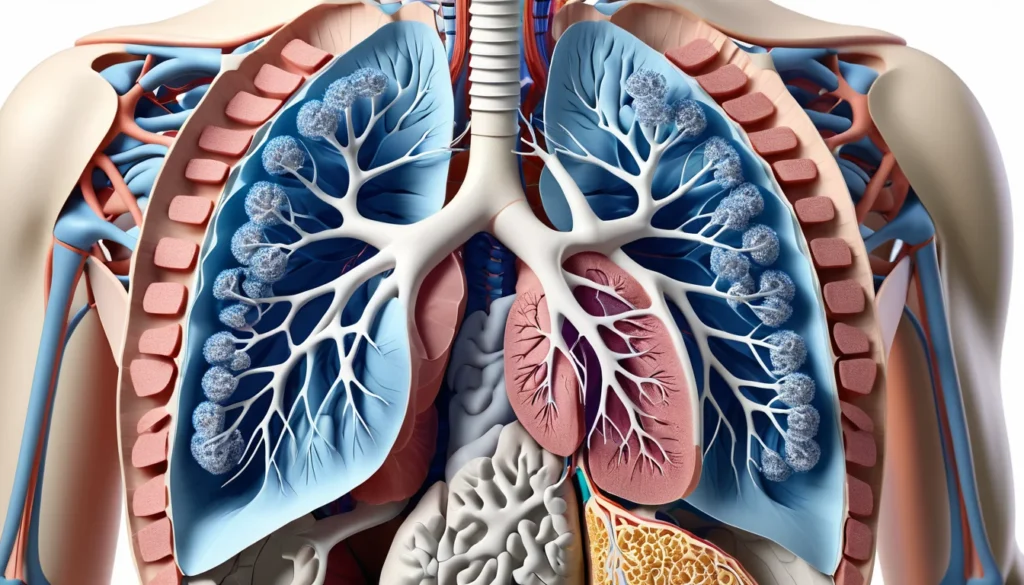
Rare lung diseases are serious, long-term conditions that affect the lungs and are diagnosed in only a small portion of the population. Hundreds of these conditions exist, and together they affect up to two million people worldwide. While each disease is different, most share common warning signs — and early diagnosis can make a real difference in how well a person manages their health.
What Are Rare Lung Diseases?
A lung disease is considered “rare” when it affects fewer than one in 2,000 people. These conditions are chronic, meaning they develop slowly and tend to worsen over time. Most do not have a cure, but many can be managed with the right treatment.
The lungs are responsible for one of the body’s most vital jobs: exchanging oxygen for carbon dioxide. When a rare lung disease disrupts this process, every part of daily life can be affected. Breathing, sleeping, exercising, and even eating can become difficult.
In Canada, people living with rare lung diseases often face long diagnostic journeys. Many conditions mimic more common illnesses, which can delay proper care. Health Canada recognises the need for better awareness and access to care for people with rare conditions.
Types of Rare Lung Diseases
There are hundreds of rare lung diseases. However, some types are more commonly discussed and better understood than others. Here is an overview of the most significant ones.
Alpha-1 Antitrypsin Deficiency
Alpha-1 antitrypsin is a protein made in the liver and released into the blood. When the body does not produce enough of it, the lungs become vulnerable to damage. As a result, people with this condition have a higher risk of developing chronic obstructive pulmonary disease (COPD) and liver cirrhosis.
Treatment options include oxygen therapy, pulmonary rehabilitation, medications, and in some cases, a lung transplant.
Cystic Fibrosis
Cystic fibrosis is a genetic disease that causes thick, sticky mucus to build up in the lungs, pancreas, and other organs. This mucus clogs airways and makes it very hard to breathe. It also creates an environment where bacteria thrive, leading to frequent lung infections.
There is no cure, but treatments have improved greatly in recent years. Doctors may recommend airway clearance therapy, antibiotics, anti-inflammatory medications, inhaled enzymes, or a lung transplant. Many Canadians with cystic fibrosis are now living well into adulthood thanks to better therapies.
Pulmonary Arterial Hypertension
Pulmonary arterial hypertension occurs when the arteries that carry blood to the lungs become narrow. This raises blood pressure in those arteries and forces the heart to work much harder. Over time, this can lead to heart failure.
Causes include congenital heart defects, connective tissue disorders, genetic conditions, infections, and liver cirrhosis. This type of hypertension is currently incurable, but medications can help slow its progression and ease symptoms.
Idiopathic Pulmonary Fibrosis
Idiopathic pulmonary fibrosis (IPF) causes lung tissue to thicken and scar over time. “Idiopathic” means the exact cause is unknown. However, researchers believe genetic factors play a role in 30 to 40 percent of cases.
As scarring builds up, it becomes harder for the lungs to move oxygen into the blood. According to the Mayo Clinic, symptoms often include a dry cough and shortness of breath that gets worse over time.
Interstitial Lung Diseases
This is a broad category that includes more than 200 rare lung conditions. All of them involve progressive scarring of the interstitium — the tissue that surrounds and supports the tiny air sacs in the lungs. As this tissue scars, the lungs become stiff and less able to function properly.
Two notable conditions in this group include:
Hypersensitivity pneumonitis: Caused by breathing in environmental triggers such as mould, bacteria, or certain chemicals. The immune system overreacts and inflames the lungs. Treatment includes corticosteroids, bronchodilators, immunosuppressants, and oxygen therapy.
Nonspecific interstitial pneumonia: Often linked to autoimmune diseases, chemotherapy, radiation, or exposure to chemical dusts. Doctors typically treat it with corticosteroids and immunosuppressant medications.
Sarcoidosis
Sarcoidosis causes the growth of small clumps of inflamed tissue called granulomas, most often in the lungs and lymph nodes. In many cases, these granulomas resolve on their own. In others, they lead to lasting lung damage.
Treatment may include corticosteroids, chemotherapy agents, or TNF inhibitors, depending on how severe the condition is.
Beryllium Disease
Chronic beryllium disease results from inhaling beryllium dust or fumes. Beryllium is a chemical used in the manufacturing of computers, cars, and sports equipment. Once inhaled, it triggers lung inflammation and the formation of granulomas, which can lead to serious scarring.
Pulmonary Alveolar Proteinosis
In this condition, proteins, fats, and other substances build up inside the tiny air sacs of the lungs called alveoli. Researchers believe a problem with the immune system causes this buildup. The main treatment is a procedure called whole-lung lavage, where the lungs are washed out with a saline solution.
Lymphangioleiomyomatosis
This rare disease mainly affects women. Smooth muscle cells grow abnormally in the lungs and airways, blocking airflow and forming cysts. This leads to severe breathing difficulties. It is a slow-growing disease, but it can become life-threatening over time.
Causes of Rare Lung Diseases
The causes of rare lung diseases vary widely. Many are genetic, meaning a person is born with changes in their DNA that lead to disease at some point in their life. Others appear without any hereditary link.
Additional causes include:
Infections: Bacterial, viral, or fungal infections can trigger or worsen certain lung conditions.
Environmental exposure: Breathing in asbestos, animal waste, dust, cigarette smoke, or industrial chemicals can damage the lungs over time.
Medications: Some drugs, including certain antibiotics and chemotherapy agents, can harm lung tissue.
Autoimmune conditions: Diseases where the immune system attacks the body can also affect the lungs.
Furthermore, some rare lung diseases are more common in women, while others occur more often in men. Age, ethnicity, and occupational history can all play a role in who develops these conditions.
Symptoms of Rare Lung Diseases
Symptoms differ depending on the specific disease, the person’s age, and how advanced the condition is. However, many rare lung diseases share a common set of warning signs.
Watch for:
Persistent cough, sometimes with unusual breathing sounds
Shortness of breath, especially during activity
Ongoing chest pain or tightness
Chronic mucus production
Fatigue that does not improve with rest
Frequent respiratory infections such as bronchitis or pneumonia
Unexplained weight loss
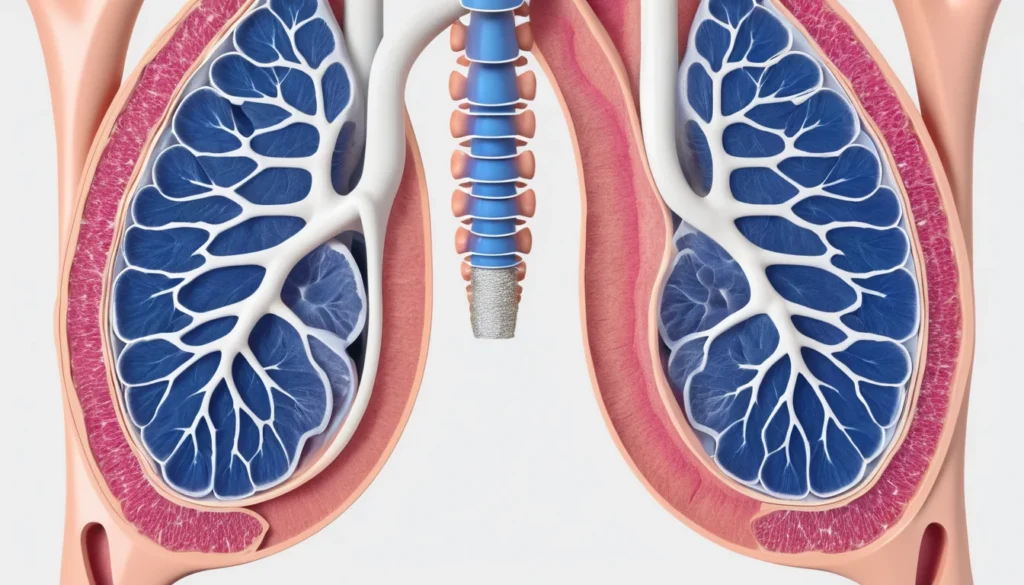
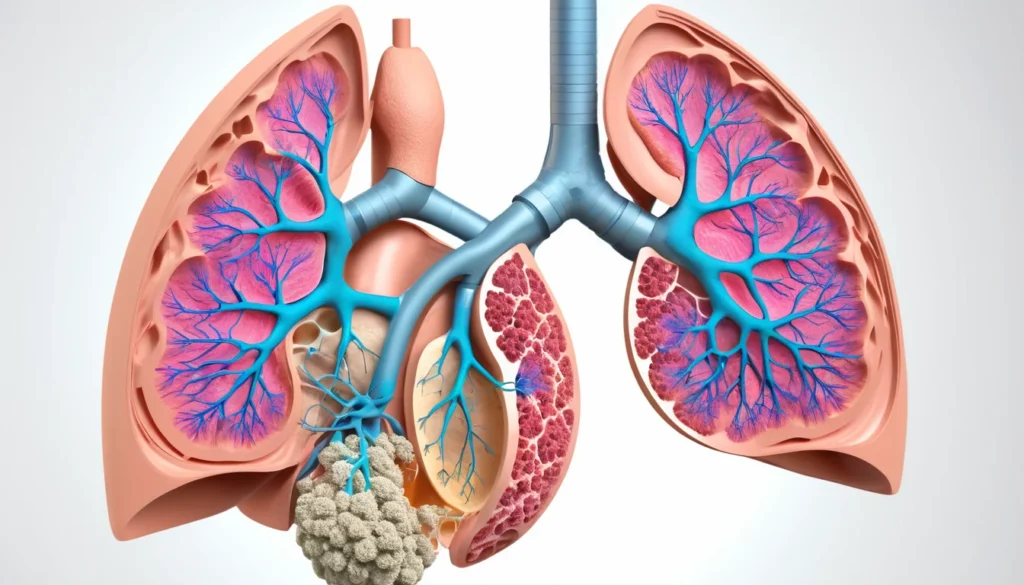
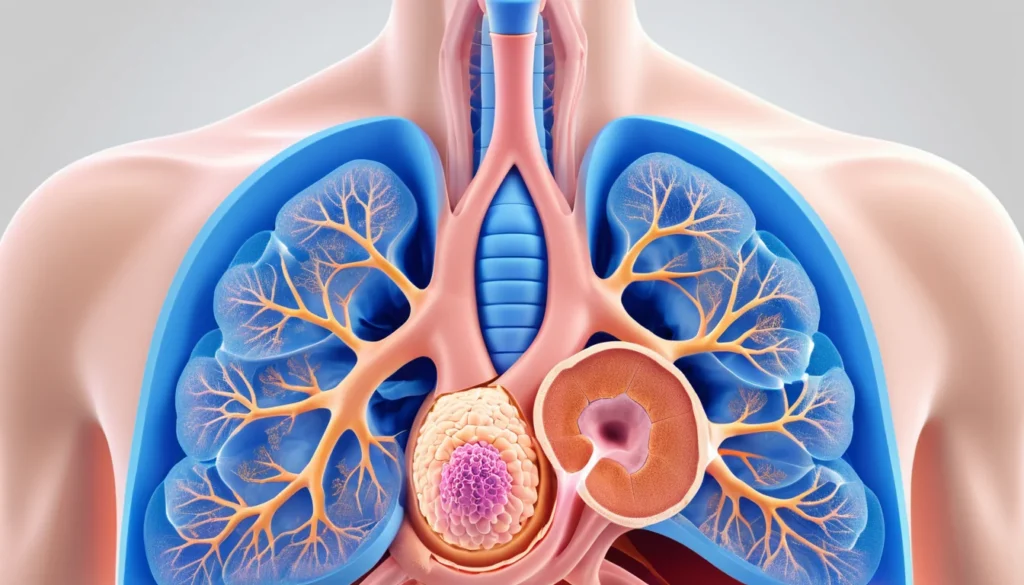
These symptoms can affect different parts of the lungs, including the alveoli (tiny air sacs where oxygen enters the blood), the bronchial airways (tubes that carry air in and out), and the interstitial tissue (the supportive tissue surrounding these structures).
It is important to note that many of these symptoms overlap with more common illnesses. Therefore, a proper medical evaluation is essential before any conclusions are drawn.
How Are Rare Lung Diseases Diagnosed?
Diagnosing a rare lung disease takes time and careful investigation. Your doctor will start by asking detailed questions about your symptoms, medical history, and any environmental or occupational exposures you may have had.
Common diagnostic tests include:
Blood tests: Help identify infections, genetic markers, immune system problems, or signs of inflammation.
Chest X-ray and CT scan: Provide detailed images of the lungs to detect scarring, cysts, or unusual growths.
Pulmonary function tests: Measure how well the lungs move air in and out, and how efficiently oxygen passes into the blood.
Bronchoscopy: A thin, flexible tube is passed into the airways so doctors can look directly at the lung tissue and collect samples.
Lung biopsy: A small sample of lung tissue is removed and examined under a microscope to confirm a diagnosis.
Genetic testing: Recommended when a hereditary condition is suspected.
According to the World Health Organization, respiratory diseases are among the leading causes of illness and disability globally. Early and accurate diagnosis is key to better outcomes.
Treatment Options
Because rare lung diseases are so different from one another, treatment plans are highly personalised. There is no one-size-fits-all approach. In many cases, the goal of treatment is to slow the disease, manage symptoms, and protect quality of life.
Common treatments include:
Medications: Corticosteroids, immunosuppressants, bronchodilators, and targeted therapies depending on the diagnosis.
Oxygen therapy: Helps people maintain healthy oxygen levels when the lungs cannot do this on their own.
Pulmonary rehabilitation: A structured programme that combines exercise, education, and breathing techniques to improve daily function.
Airway clearance techniques: Used especially in cystic fibrosis to help loosen and remove mucus from the lungs.
Lung transplant: Considered for severe cases where other treatments are no longer effective.
In Canada, access to specialist care may vary by province. Your provincial health plan may cover certain treatments and medications. Ask your family doctor or a respirologist about what is available to you through your provincial programme.
When to See a Doctor
You should speak with a healthcare provider if you notice any persistent or worsening breathing symptoms. Do not wait to see if they go away on their own — especially if you have a cough that lasts more than three weeks, shortness of breath during normal activities, or repeated chest infections.
Start with your family doctor or visit a walk-in clinic if you do not have a regular provider. Your doctor can order initial tests and refer you to a respirologist (a lung specialist) if needed. Early referral can lead to faster diagnosis and better management of rare lung diseases.
Always consult a qualified healthcare professional before drawing conclusions about your symptoms. This article is for general information only and does not replace personalised medical advice.
Frequently Asked Questions About Rare Lung Diseases
What are the most common rare lung diseases in Canada?
Some of the most discussed rare lung diseases in Canada include cystic fibrosis, idiopathic pulmonary fibrosis, pulmonary arterial hypertension, and sarcoidosis. These conditions affect a small but significant number of Canadians and are managed through specialist care, often covered in part by provincial health plans. If you suspect you may have a rare lung disease, speak with your family doctor about a referral.
Can rare lung diseases be cured?
Most rare lung diseases do not have a cure at this time. However, many can be effectively managed with medications, oxygen therapy, pulmonary rehabilitation, and in some cases, a lung transplant. Treatment focuses on slowing the disease’s progression and improving quality of life. Research into new therapies for rare lung diseases is ongoing.
What are the early warning signs of a rare lung disease?
Early warning signs of rare lung diseases include a persistent cough, shortness of breath during everyday activities, unusual fatigue, and frequent respiratory infections. Some people also experience unexplained weight loss or chronic chest tightness. Because these symptoms overlap with more common conditions, it is important to see a doctor for proper evaluation.
Are rare lung diseases genetic?
Some rare lung diseases are genetic, meaning they are caused by changes in a person’s DNA that they are born with. Examples include cystic fibrosis and alpha-1 antitrypsin deficiency. However, other rare lung diseases develop later in life due to environmental exposures, infections, or autoimmune conditions and have no known hereditary link.
How are rare lung diseases diagnosed in Canada?
In Canada, diagnosing a rare lung disease typically starts with your family doctor, who will review your symptoms and order initial tests such as blood work, chest X-rays, and pulmonary function tests. You may then be referred to a respirologist for more specialised testing, including CT scans, bronchoscopy, or a lung biopsy. Genetic testing may also be recommended in some cases.
Who is most at risk for developing rare lung diseases?
Rare lung diseases can affect people of any age or ethnicity. However, certain risk factors increase the likelihood of developing them, including a family history of lung disease, occupational exposure to chemicals or dust, smoking, and having an autoimmune condition. Some rare lung diseases, such as lymphangioleiomyomatosis, are significantly more common in women than in men.