Rare genetic syndromes are conditions present from birth that affect how the body and brain develop. They are caused by changes in genes or chromosomes, and each one brings its own set of challenges. In Canada, families navigating these diagnoses can access support through their provincial health plans, pediatric specialists, and family doctors. This article explains two rare genetic syndromes — Acrocallosal Syndrome and Schwartz-Jampel Syndrome — in plain language.
What Are Rare Genetic Syndromes?
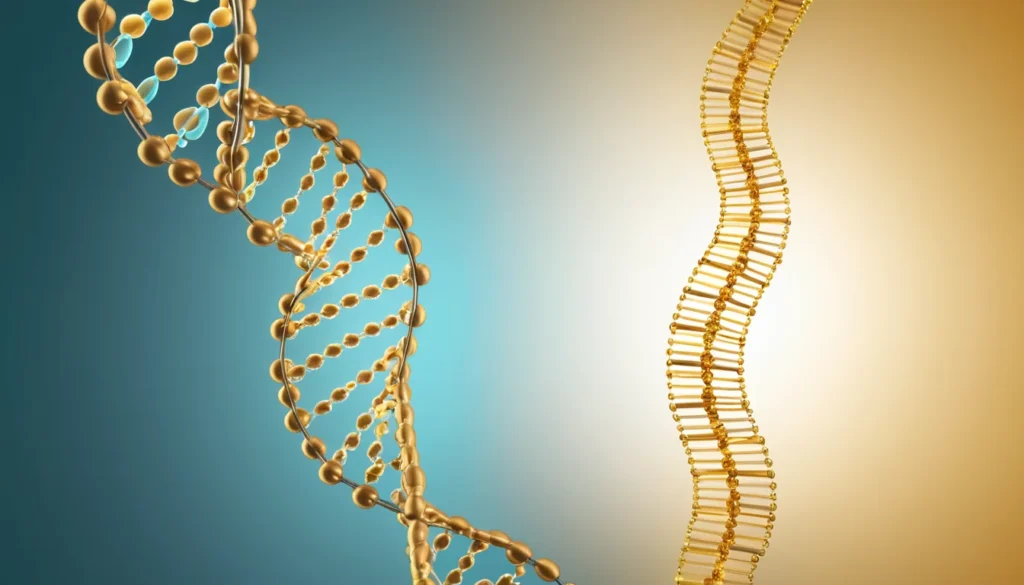
A genetic syndrome is a group of signs and symptoms caused by a change in one or more genes. These changes usually happen before birth, during fetal development. Some genetic syndromes are inherited from a parent, while others occur by chance.
Rare genetic syndromes affect a very small number of people. However, their impact on individuals and families can be profound. Early diagnosis and specialist care can make a meaningful difference in quality of life.
In Canada, rare disease support is available through provincial health programmes and organizations such as Health Canada. Families are encouraged to work closely with their healthcare team to understand their options.
Acrocallosal Syndrome: A Rare Genetic Syndrome Explained
Acrocallosal Syndrome is a rare congenital disorder. This means it is present at birth and develops while the baby is still in the womb. It is one of several rare genetic syndromes that affects both the brain and the limbs.
The condition is primarily defined by three features. These are the partial or complete absence of the corpus callosum (a key part of the brain), significant intellectual disability, and extra fingers or toes.
What Is the Corpus Callosum?
The corpus callosum is a bundle of nerve fibres that connects the left and right sides of the brain. It helps both sides of the brain communicate with each other. When this structure is missing or underdeveloped, it is called agenesis or hypoplasia of the corpus callosum.
Children with this condition often show generalised low muscle tone (hypotonia). They may also have trouble with coordination, distorted pain perception, and difficulty with speech, chewing, and swallowing.
Physical Features of Acrocallosal Syndrome
The physical signs of this syndrome vary widely from person to person. This variation often leads to delayed diagnosis. However, the brain abnormality and intellectual disability are common to almost all cases.
Physical features may include:
Craniofacial differences: An unusually large head (macrocephaly), a prominent forehead, widely spaced eyes (hypertelorism), small nose with a wide bridge, and low-set or malformed ears.
Limb differences: Extra fingers or toes (polydactyly), or fingers or toes that are fused together (syndactyly).
Delayed physical and mental development.
Abnormal upper lip development.
Skin folds near the inner corner of the eye (epicanthal folds).
Undescended testes, urethral abnormalities, or inguinal hernia in some male patients.
Congenital brain cysts and diffuse cortical atrophy in some cases.
How Is Acrocallosal Syndrome Inherited?
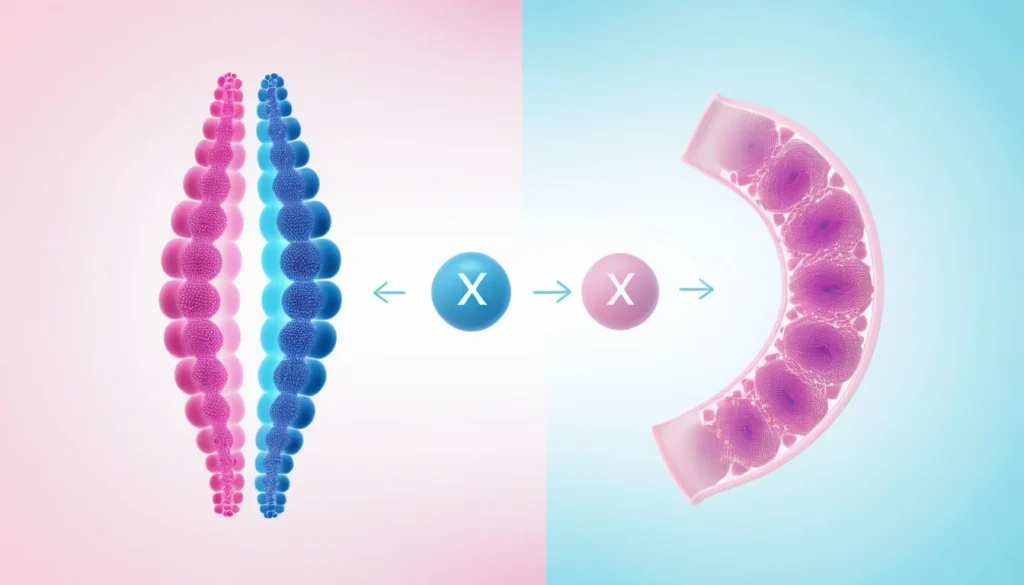
This syndrome follows an autosomal recessive inheritance pattern. In simple terms, a child must inherit a changed gene from both parents in order to develop the condition. Therefore, both parents are typically carriers but do not show symptoms themselves.
Some cases occur sporadically, meaning there is no family history. This is seen more often in children born to closely related parents. For more information on genetic inheritance, Mayo Clinic offers a helpful overview of congenital conditions.
Schwartz-Jampel Syndrome: Another Rare Genetic Syndrome
Schwartz-Jampel Syndrome is another rare genetic syndrome that primarily affects the muscles and skeleton. It is characterised by muscle stiffness, abnormal bone development, joint contractures (joints fixed in a bent or straightened position), and short stature.
Individuals with this syndrome may also have a distinctive facial appearance, a small head (microcephaly), and eye abnormalities. The exact number of people affected worldwide is not known. It affects boys and girls equally.
The Two Types of Schwartz-Jampel Syndrome
There are two main types of this syndrome. They differ in the age symptoms begin, how severe those symptoms are, and which gene is involved.
Type I is the most common form. It usually becomes noticeable in early childhood, around age three. Type I is further divided into Type IA and Type IB. Both result from a mutation in the HSPG2 gene. Type IB is more severe than Type IA.
Type IA features moderate muscle stiffness that does not worsen over time. There is also generalised muscle weakness and relatively minor physical differences. Importantly, the muscle stiffness in Type IA does not improve with sleep or with certain medications used to treat similar-looking conditions.
Type II is apparent from birth. It involves a mutation in a different gene called LIFR. Experts currently believe that Type II Schwartz-Jampel Syndrome and a condition called Stüve-Wiedemann Syndrome are actually the same disorder.
Signs and Symptoms of Schwartz-Jampel Syndrome
The physical features seen during a medical examination can include:
A flat or distinctive facial appearance with a small mouth and stiff facial muscles.
Narrow eye openings (blepharophimosis) and involuntary eye blinking (blepharospasm).
Extra eyelashes or hair follicles on the eyelid surface (hypertrichosis of the eyelids).
A small lower jaw (micrognathia).
Bone and joint problems, including hip deformity (coxa valga), curved spine (kyphosis), abnormal thigh bone development, a prominent breastbone, and a short neck.
Reduced muscle mass throughout the body.
Type II is the most serious form. Children with Type II often have severe breathing problems and significant feeding difficulties. Furthermore, they may experience episodes of high fever alternating with low body temperature, and unusual sweating. Reduced reflexes and mouth sores are also reported.
How Does Schwartz-Jampel Syndrome Progress?
Type IA does not shorten a person’s life expectancy. Most patients with Type IA have normal or above-average intelligence. However, approximately 20% do experience some degree of intellectual disability.
Type IB data is limited. Type II, however, dramatically reduces life expectancy. Most children with Type II do not survive into adulthood. As a result, early and intensive medical support is critical for this group.
In Canada, children with complex genetic conditions are typically referred to a paediatric specialist or genetics centre. These referrals can be arranged through your family doctor or a walk-in clinic that can facilitate further assessment.
Causes and Genetic Background of These Rare Syndromes
Both Acrocallosal Syndrome and Schwartz-Jampel Syndrome are caused by genetic mutations. These mutations affect how the body develops before birth. In both cases, the syndromes are considered rare genetic syndromes because they occur in a very small percentage of the population.
Genetic counselling can be very helpful for families. A genetic counsellor can explain the inheritance pattern, the chances of recurrence in future pregnancies, and what testing options are available. In Canada, genetic counselling services are covered under most provincial health plans.
The World Health Organization provides guidance on rare diseases and highlights the importance of early diagnosis and coordinated care.
When to See a Doctor
If you notice any unusual physical features in your newborn or young child, speak with your family doctor right away. Signs such as extra fingers or toes, low muscle tone, feeding difficulties, or delayed development should always be assessed promptly.
Your family doctor can refer you to a paediatric neurologist, geneticist, or specialist centre. If your family doctor is not immediately available, a walk-in clinic can help start the referral process.
Do not wait to seek help. Early diagnosis of rare genetic syndromes gives children the best possible chance at receiving timely support and care.
Always consult a qualified healthcare provider for any medical concerns. The information in this article is for educational purposes only and does not replace professional medical advice.
Frequently Asked Questions About Rare Genetic Syndromes
What are rare genetic syndromes?
Rare genetic syndromes are conditions caused by changes in genes or chromosomes that occur before or at birth. They affect a very small number of people but can have a significant impact on development and daily life. Examples include Acrocallosal Syndrome and Schwartz-Jampel Syndrome.
Can rare genetic syndromes be diagnosed before birth?
In some cases, yes. Prenatal testing such as ultrasound or genetic screening may detect certain structural abnormalities associated with rare genetic syndromes during pregnancy. However, a definitive diagnosis is often confirmed after birth through clinical examination and genetic testing.
Are rare genetic syndromes covered under Canadian provincial health plans?
Most diagnostic testing, specialist visits, and treatment for rare genetic syndromes are covered under provincial health plans in Canada. Coverage details vary by province, so it is best to check with your provincial health authority or speak with your family doctor about available services.
What is the difference between Acrocallosal Syndrome and Schwartz-Jampel Syndrome?
Both are rare genetic syndromes, but they affect different systems in the body. Acrocallosal Syndrome primarily affects brain development and the limbs, while Schwartz-Jampel Syndrome mainly affects the muscles, skeleton, and facial structure. They are caused by mutations in different genes.
Is there a cure for rare genetic syndromes like Schwartz-Jampel Syndrome?
Currently, there is no cure for most rare genetic syndromes, including Schwartz-Jampel Syndrome. Treatment focuses on managing symptoms, improving quality of life, and supporting development. This may include physiotherapy, occupational therapy, and specialist medical care through a Canadian health centre.
Where can Canadians find support for rare genetic syndromes?
Canadians can access support through their family doctor, provincial genetics centres, and national organisations focused on rare diseases. Health Canada also provides resources and guidance for patients and families living with rare genetic syndromes across the country.
Key Takeaways
Rare genetic syndromes are conditions caused by gene mutations that are present from birth.
Acrocallosal Syndrome involves underdevelopment or absence of a key brain structure, intellectual disability, and extra fingers or toes.
Schwartz-Jampel Syndrome causes muscle stiffness, abnormal bone development, and distinctive facial features. It has two main types with very different outlooks.
Both syndromes are inherited through autosomal recessive patterns, meaning both parents must carry the gene change.
Early diagnosis is important. Speak with your family doctor or visit a walk-in clinic if you notice unusual developmental signs in your child.
Genetic counselling is available across Canada and is covered under most provincial health plans.
There is currently no cure for these conditions, but symptom management and specialist support can greatly improve quality of life.