Rare genetic disorders affect a small but significant number of Canadians each year. These conditions are often present from birth and can affect many parts of the body at once. This article covers several rare genetic disorders, including Babesiosis, Ellis-van Creveld syndrome, and Rapp-Hodgkin syndrome. Understanding these conditions can help you recognise early signs and seek the right care sooner.
What Are Rare Genetic Disorders?
A disease is considered “rare” when it affects fewer than 1 in 2,000 people. However, there are thousands of rare diseases worldwide. Together, they affect millions of people globally, including many Canadians.
Most rare genetic disorders are present at birth, even if symptoms do not appear right away. Some are passed down through families, while others happen due to random changes in genes. Early diagnosis can make a big difference in quality of life.
If you or your child shows unusual or unexplained symptoms, speak with your family doctor or visit a walk-in clinic. Referrals to specialists are available through most provincial health plans across Canada. You can also find helpful resources through Health Canada’s official health information portal.
Babesiosis: A Rare Tick-Borne Infection
Babesiosis is an infectious disease caused by a parasite called Babesia. It is similar to malaria in how it affects the body. The disease was named after the scientist who discovered the parasite.
The Babesia parasite spreads mainly through tick bites. The same ticks that carry Lyme disease can also carry Babesiosis. As a result, both infections can sometimes occur at the same time.
In rare cases, Babesiosis can also spread through contaminated blood transfusions. This is more common in areas where the parasite is found regularly in the environment.
Symptoms of Babesiosis
Many people with Babesiosis have no symptoms at all. Others may develop mild symptoms, such as a moderate fever or signs of anaemia, like fatigue and pale skin.
In serious cases, symptoms can look similar to malaria. These include high fevers reaching up to 40°C, severe chills, and haemolytic anaemia — a condition where red blood cells are destroyed faster than the body can replace them.
Babesiosis is most dangerous for people who have had their spleen removed, very young children, older adults, or those with weakened immune systems. In the most severe cases, it can lead to multiple organ failure.
Diagnosis and Treatment of Babesiosis
Doctors diagnose Babesiosis by examining a blood sample under a microscope. A special staining method is used to spot the parasite inside red blood cells. Sometimes, multiple blood tests are needed because the parasite infects less than 1% of circulating red blood cells.
If blood tests come back negative but a doctor still suspects infection, antibody tests can help confirm the diagnosis. These blood tests look for the body’s immune response to the parasite.
Most people with Babesiosis recover without specific treatment. However, when treatment is needed, doctors may prescribe a combination of antiparasitic medications. Always follow your doctor’s advice on any medication. For more information on tick-borne illness, visit the Mayo Clinic’s guide to Babesiosis.
Ellis-van Creveld Syndrome: A Rare Genetic Disorder Affecting Growth
Ellis-van Creveld syndrome is a rare genetic disorder that affects how the body grows and develops. It is also called chondroectodermal dysplasia. The condition affects both males and females equally, and it is usually identified at birth.
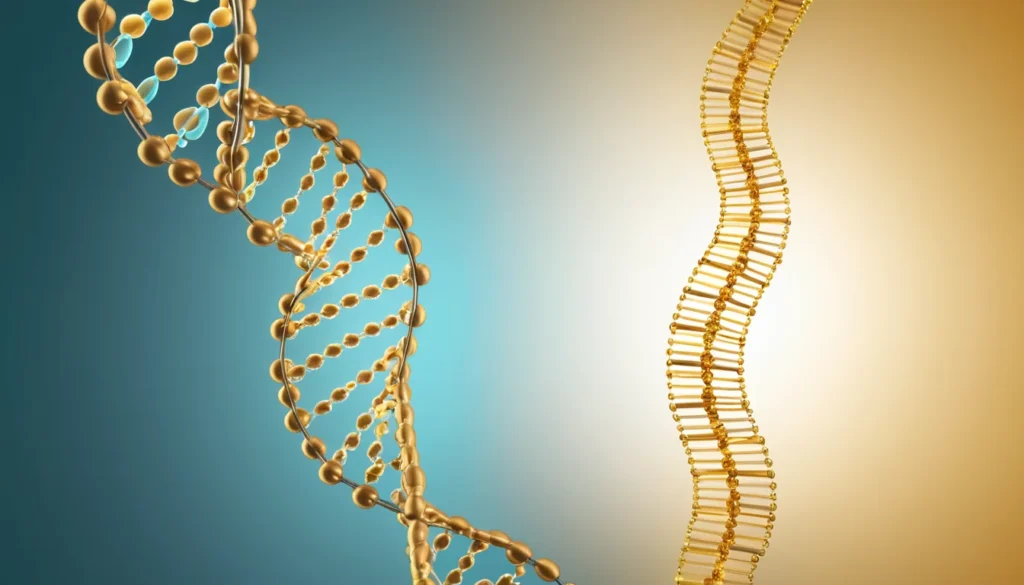
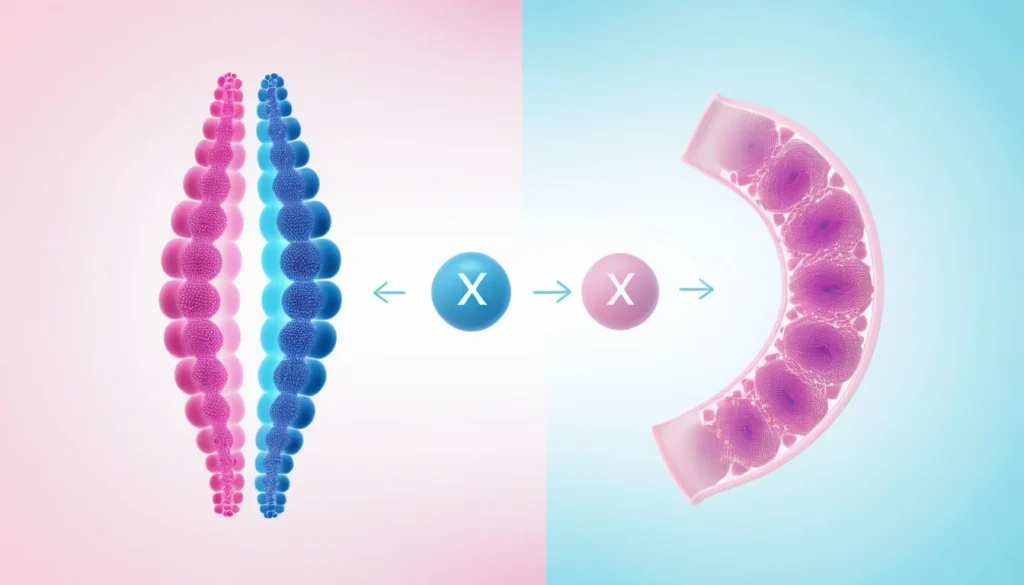
This condition is passed down through families in an autosomal recessive pattern. This means a child must inherit a changed gene from both parents to develop the syndrome. Researchers have identified a specific gene linked to this disorder, and studies are ongoing to better understand it.
Symptoms of Ellis-van Creveld Syndrome
Ellis-van Creveld syndrome causes a distinct set of physical characteristics. Doctors often recognise these features at birth. The four main signs of this condition are:
Short stature and short limbs: The bones in the arms and legs are shorter than normal, and shortening gets more noticeable over time. The shortening is equal on both sides of the body.
Extra fingers or toes (polydactyly): Most often, extra digits appear on the hands. In about 10% of cases, extra toes are also present.
Ectodermal dysplasia: This affects the nails, teeth, and skin. Nails may be thin, fragile, or absent. Teeth may be missing, come in late, or be very small.
Heart defects: About 40% of people with this syndrome have a heart defect. These include holes between the heart’s chambers or other structural problems.
Other complications can include problems with the kidneys, urinary tract, and reproductive organs. Some individuals may also experience developmental differences.
Treatment for Ellis-van Creveld Syndrome
Treatment for Ellis-van Creveld syndrome is complex and must be tailored to each person. There is no cure, but many symptoms can be managed effectively.
Treatment may include respiratory support for breathing difficulties, dental care and orthodontic treatment, and surgical correction of heart, bone, or urological problems. Chest expansion surgery may also be considered in some cases.
Children with this condition need ongoing care from a team of specialists. In Canada, these services are typically coordinated through children’s hospitals or specialty care centres under provincial health programmes.
Outlook for People with Ellis-van Creveld Syndrome
Unfortunately, the outlook for this condition can be serious. About 50% of affected children do not survive past the first few years of life due to heart and breathing complications.
Those who do survive into adulthood typically reach a height of around 1 to 1.2 metres. Many adults with this condition face ongoing dental challenges and may have difficulty with hand function. However, with good medical support, many lead meaningful and active lives.
Rapp-Hodgkin Syndrome: A Rare Ectodermal Disorder
Rapp-Hodgkin syndrome is an extremely rare genetic disorder. It belongs to a large group of conditions called ectodermal dysplasias. These disorders affect the skin, hair, nails, teeth, and sweat glands.
The condition is present from birth, but signs usually become noticeable in the first few years of life. It is also known as anhidrotic ectodermal dysplasia in some medical literature.
People with Rapp-Hodgkin syndrome may have reduced or absent sweating, which can cause the body to overheat. They may also have sparse hair, abnormal nails, and dental problems. Facial features can also be affected, including the structure of the jaw and palate.
This syndrome is caused by a change in a specific gene and is passed down through families. Genetic counselling is recommended for families affected by this condition. Your family doctor can refer you to a genetics specialist through your provincial health plan.
How Are Rare Genetic Disorders Diagnosed in Canada?
Diagnosing rare genetic disorders can be a long process. Because these conditions are uncommon, many doctors may not recognise them right away. It often takes multiple specialist visits before a diagnosis is confirmed.
Common diagnostic tools include genetic testing, blood tests, imaging scans, and physical examinations. In Canada, newborn screening programmes vary by province. Some conditions are screened for at birth, which can speed up diagnosis and treatment.
For families seeking answers, organisations focused on rare diseases can offer support and guidance. The World Health Organization’s rare diseases fact sheet provides a helpful international overview of these conditions.
When to See a Doctor
If your child is born with unusual physical features, or if you notice signs of developmental delay, speak with your family doctor right away. Early assessment is important for conditions like rare genetic disorders.
Adults who develop unexplained symptoms — such as persistent fever, extreme fatigue, or unusual skin or nail changes — should also see a doctor. You can visit your family doctor or a walk-in clinic for an initial assessment. Your doctor can refer you to the right specialist through your provincial health plan.
Do not wait if symptoms are severe or worsening quickly. Seek urgent care if you experience high fever, difficulty breathing, or signs of organ distress. This article is for general information only. Always consult a qualified healthcare provider for medical advice specific to your situation.
Frequently Asked Questions About Rare Genetic Disorders
What causes rare genetic disorders?
Rare genetic disorders are caused by changes or mutations in a person’s genes or chromosomes. Some are inherited from one or both parents, while others occur randomly during development. Environmental factors may also play a role in some cases.
Can rare genetic disorders be cured?
Most rare genetic disorders cannot be fully cured, but many can be managed with the right treatment plan. Therapies may include surgery, medication, physical therapy, and ongoing specialist care. Early diagnosis greatly improves outcomes for many of these conditions.
How is Babesiosis different from Lyme disease?
Both Babesiosis and Lyme disease are spread by the same type of ticks, and they can occur together. However, Babesiosis is caused by a parasite that attacks red blood cells, while Lyme disease is caused by a bacteria. Babesiosis symptoms are more similar to malaria and include fever and anaemia.
How are rare genetic disorders diagnosed in Canada?
Rare genetic disorders are typically diagnosed through genetic testing, blood work, imaging, and specialist evaluations. Some conditions are caught through provincial newborn screening programmes. Your family doctor can refer you to a genetics specialist if a rare disorder is suspected.
Is Ellis-van Creveld syndrome hereditary?
Yes, Ellis-van Creveld syndrome is a hereditary rare genetic disorder passed down in an autosomal recessive pattern. A child must receive the changed gene from both parents to be affected. Genetic counselling is strongly recommended for families with a history of this condition.
Where can Canadians get support for rare genetic disorders?
Canadians living with rare genetic disorders can access support through provincial health plans, children’s hospitals, and rare disease advocacy organisations. Your family doctor or a genetics specialist can guide you toward the right resources. Health Canada also provides information on rare disease programmes and research initiatives.
Key Takeaways
Rare genetic disorders affect a small number of Canadians but can have a major impact on daily life and health.
Babesiosis is a tick-borne parasitic infection. It is most serious in people with weakened immune systems or those without a spleen.
Ellis-van Creveld syndrome causes short stature, extra digits, dental problems, and heart defects. About 50% of affected children face serious complications in early life.
Rapp-Hodgkin syndrome is a rare ectodermal disorder that affects the skin, hair, nails, teeth, and sweat glands.
Early diagnosis through your family doctor or a specialist referral can significantly improve outcomes.
Most provincial health plans in Canada cover referrals to genetics specialists and rare disease programmes.
Always consult your doctor if you notice unexplained or unusual symptoms — never rely solely on online health information.