Rapp-Hodgkin syndrome is a very rare genetic condition that affects the skin, hair, nails, teeth, and sweat glands. It belongs to a large group of disorders called ectodermal dysplasias. Although a child is born with this condition, the signs often become clear in the first few years of life. This article explains what Rapp-Hodgkin syndrome is, what symptoms to watch for, what causes it, and how families in Canada can find the right support.
What Is Rapp-Hodgkin Syndrome?
Rapp-Hodgkin syndrome is also known as anhidrotic ectodermal dysplasia. The word “anhidrotic” refers to little or no sweating. “Ectodermal” means it affects tissues that develop from the outer layer of the embryo — including the skin, hair, nails, teeth, and parts of the eyes.
This condition is congenital, meaning a child is born with it. However, parents and caregivers may not notice the full picture of symptoms right away. Signs often appear gradually during early childhood. Because this syndrome is so rare, many families wait months or even years before getting a clear diagnosis.
Rapp-Hodgkin syndrome is part of a broader family of more than 200 ectodermal dysplasia disorders. According to the World Health Organization’s overview of rare diseases, conditions like this affect a small number of people worldwide, which can make diagnosis and access to specialists challenging.
Rapp-Hodgkin Syndrome: Signs and Symptoms
The symptoms of Rapp-Hodgkin syndrome can vary from one person to another. Some children have mild signs, while others face more complex challenges. Most symptoms relate to the structures that ectodermal tissue forms during development.
Sweating and Temperature Regulation
One of the most important symptoms is hypohidrosis — severely reduced ability to sweat. Sweating is how the body cools itself down. Without it, children with Rapp-Hodgkin syndrome are at serious risk of overheating, especially in warm Canadian summers or during physical activity.
Parents need to monitor their child’s body temperature closely. Keeping the child cool with cool cloths, air conditioning, and plenty of fluids is essential. Overheating can become a medical emergency if not managed carefully.
Cleft Lip and Cleft Palate
Many children with Rapp-Hodgkin syndrome are born with a cleft palate (an opening in the roof of the mouth) or a cleft lip (a split in the upper lip). These are structural differences that form before birth. They can affect feeding, speech, and dental development.
Surgical repair is usually done in early childhood. In Canada, this type of care is typically covered under provincial health plans and managed by a team of specialists, including surgeons, speech-language pathologists, and orthodontists.
Teeth and Mouth
Children with this syndrome often have hypodontia — fewer teeth than normal — or in some cases, no teeth at all (anodontia). The teeth that do grow are often much smaller than expected, a condition called microdontia. Tooth shape can also be abnormal.
These dental differences affect chewing, nutrition, and speech. A paediatric dentist and orthodontist play a key role in managing these challenges from an early age.
Hair and Nails
Children with Rapp-Hodgkin syndrome typically have very sparse, thin, and fragile hair on the scalp. Hair may break off easily or fall out, leading to alopecia (hair loss). Eyebrows and eyelashes may also be thin or missing.
The nails are also affected. They grow slowly and abnormally. Nail surfaces may show ridges or grooves. The skin around the nails — called the cuticles — tends to become infected more easily than usual.
Skin Changes
The skin in people with Rapp-Hodgkin syndrome is often very light in colour. Scars and healed wounds may look lighter than the surrounding skin (hypopigmented). However, some individuals also develop brown, darkened patches of skin (hyperpigmented areas).
The skin on the palms of the hands and the soles of the feet is often thickened and rough. This is called palmoplantar keratoderma. In addition, the skin is more prone to infections overall. Good skincare and regular monitoring can help manage these issues.
Other Features
Some individuals with Rapp-Hodgkin syndrome may also have distinctive facial features. These can include a prominent forehead, a larger-than-usual chin, a small nose, and a very narrow nasal bridge. These features do not cause medical problems on their own but can help doctors recognise the condition.
In some cases, eye problems develop. These may include cataracts (clouding of the lens of the eye), reduced vision, or very dry eyes due to reduced tear production. Regular eye check-ups with an ophthalmologist are important for children with this diagnosis.
What Causes Rapp-Hodgkin Syndrome?
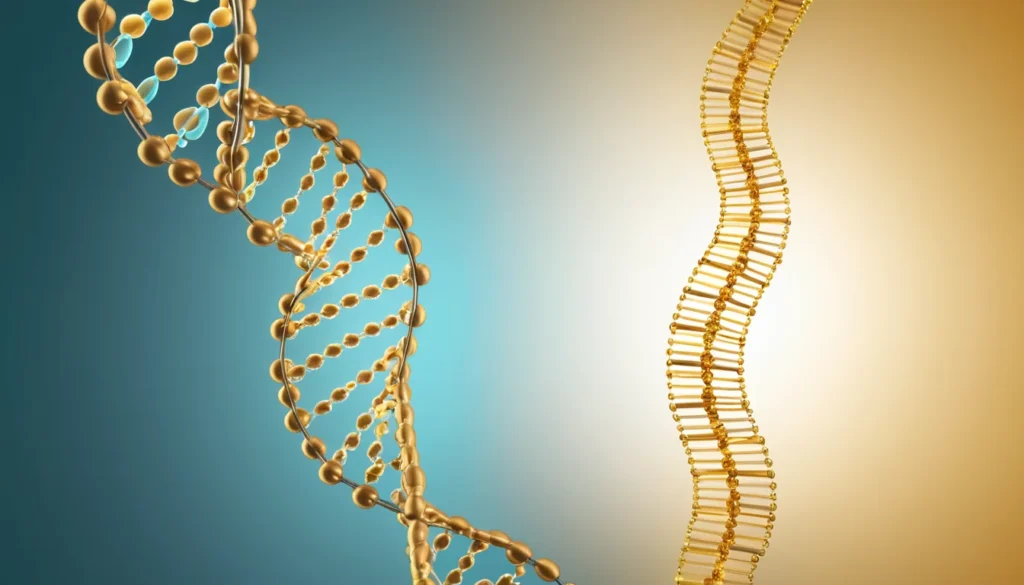
Rapp-Hodgkin syndrome is caused by a mutation in the TP63 gene. This gene plays a critical role in the development of ectodermal tissues during pregnancy. When this gene does not work properly, the structures it helps build — skin, hair, nails, teeth, and sweat glands — do not develop normally.
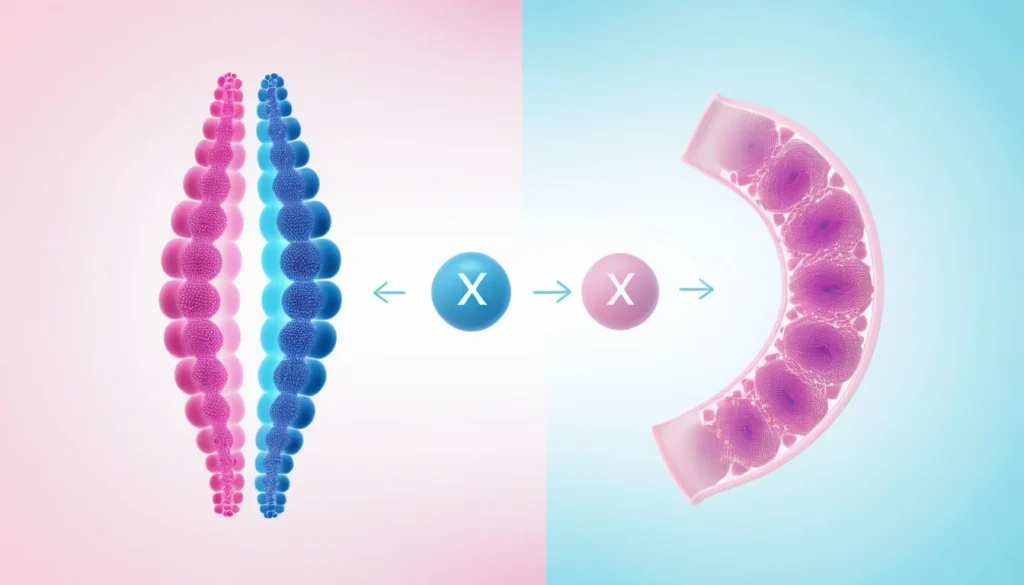
The condition follows an autosomal dominant inheritance pattern. This means that only one copy of the faulty gene is enough to cause the syndrome. A parent with Rapp-Hodgkin syndrome has a 50% chance of passing the mutation to each child.
However, in some cases, the mutation happens for the first time in a child with no family history of the condition. This is called a de novo mutation. Genetic counselling can help families understand their risks and options. You can learn more about how genetic conditions are inherited from the Health Canada health information portal.
How Is Rapp-Hodgkin Syndrome Diagnosed?
Diagnosis of Rapp-Hodgkin syndrome often begins when a doctor notices the combination of symptoms during a physical examination. Because the condition is so rare, it may take time to reach the correct diagnosis. A referral to a geneticist or a specialist in ectodermal dysplasias is usually needed.
Genetic testing can confirm the diagnosis by identifying a mutation in the TP63 gene. This testing is available through genetics centres in most major Canadian cities and can be requested through your family doctor or paediatrician.
Other tests may include sweat testing to measure sweat gland function, dental X-rays to assess tooth development, eye exams, and skin assessments. A multidisciplinary team approach works best for managing this complex condition. The Mayo Clinic’s ectodermal dysplasia overview provides a helpful explanation of how these types of conditions are evaluated.
Managing Rapp-Hodgkin Syndrome in Canada
There is currently no cure for Rapp-Hodgkin syndrome. However, many of the symptoms can be managed effectively with the right team of specialists. Treatment focuses on improving quality of life and preventing complications.
Temperature Management
Because children cannot sweat normally, overheating is a constant concern. Families should plan ahead for hot weather, sports, and physical activities. Cooling vests, fans, and access to air conditioning are important tools. Schools and daycares should be informed and involved in safety planning.
Dental Care
Early dental intervention is very important. Dentures or dental implants may be recommended as the child grows. In Canada, provincial dental programmes and community health centres may offer subsidised care for children with complex dental needs. Ask your family doctor or paediatrician for a referral to a paediatric dental specialist.
Skin and Nail Care
Keeping the skin moisturised helps prevent cracking and infection. Mild, fragrance-free products are usually recommended. Nail infections should be treated promptly. A dermatologist can provide a personalised skincare plan.
Speech and Feeding Support
Cleft lip and palate can make feeding and speech development difficult. Speech-language pathologists and occupational therapists can support children from infancy. Most provincial health plans in Canada cover these services for children with diagnosed medical conditions.
Emotional and Social Support
Growing up with a visible difference can affect a child’s emotional wellbeing and self-confidence. Connecting with support groups and counselling services is valuable. Organisations such as the Canadian Ectodermal Dysplasia Syndromes Association (CEDSA) connect families across the country and offer practical resources and peer support.
When to See a Doctor
If you notice that your child sweats very little or not at all, has sparse hair, unusual teeth, or was born with a cleft lip or palate, speak with your family doctor as soon as possible. These signs together may point to Rapp-Hodgkin syndrome or another ectodermal dysplasia.
Your family doctor can arrange a referral to a paediatrician, geneticist, or specialist centre. If you do not have a family doctor, a walk-in clinic can provide an initial assessment and referral. Do not wait — early diagnosis leads to earlier support and better outcomes for your child.
If your child overheats suddenly, becomes confused, stops responding normally, or has a seizure, call 911 immediately. Overheating in children with hypohidrosis can escalate quickly and requires emergency care.
Always consult a qualified healthcare provider for advice specific to your child’s health situation. This article is for general information only and does not replace professional medical guidance.
Frequently Asked Questions About Rapp-Hodgkin Syndrome
What is Rapp-Hodgkin syndrome?
Rapp-Hodgkin syndrome is a rare genetic condition that affects the skin, hair, nails, teeth, and sweat glands. It is caused by a mutation in the TP63 gene and follows an autosomal dominant inheritance pattern. Children are born with the condition, though signs often become noticeable in early childhood.
Is Rapp-Hodgkin syndrome the same as ectodermal dysplasia?
Rapp-Hodgkin syndrome is a specific type of ectodermal dysplasia, also called anhidrotic ectodermal dysplasia. Ectodermal dysplasia is an umbrella term for more than 200 conditions that affect tissues derived from the outer layer of the embryo. Rapp-Hodgkin syndrome is one of the rarer forms within this group.
How is Rapp-Hodgkin syndrome inherited?
Rapp-Hodgkin syndrome is inherited in an autosomal dominant pattern, meaning one faulty copy of the TP63 gene is enough to cause the condition. A parent with the syndrome has a 50% chance of passing it to each child. In some cases, the gene mutation occurs for the first time with no family history involved.
Can children with Rapp-Hodgkin syndrome go to school normally?
Many children with Rapp-Hodgkin syndrome attend regular school with appropriate support in place. Schools should be informed about the child’s inability to sweat normally, since overheating can be dangerous during physical activity or warm weather. Working with the school’s administration and your child’s healthcare team helps create a safe learning environment.
Is there a cure for Rapp-Hodgkin syndrome?
There is currently no cure for Rapp-Hodgkin syndrome. Treatment focuses on managing individual symptoms, such as dental care, temperature regulation, skin care, and speech support. With the right multidisciplinary care team, many people with Rapp-Hodgkin syndrome lead full and active lives.
Where can Canadian families get support for Rapp-Hodgkin syndrome?
Canadian families can start by speaking with their family doctor or paediatrician to get referrals to genetics centres and specialist teams. The Canadian Ectodermal Dysplasia Syndromes Association (CEDSA) also connects families across Canada with resources and peer support. Provincial health plans generally cover specialist referrals and many of the therapies needed to manage this condition.
Key Takeaways
Rapp-Hodgkin syndrome is a rare genetic condition affecting the skin, hair, nails, teeth, and sweat glands.
It is caused by a mutation in the TP63 gene and is inherited in an autosomal dominant pattern.
Key symptoms include reduced sweating, cleft palate, sparse hair, abnormal nails, and dental differences.
Overheating is a serious risk — children with this condition need careful temperature management year-round.
There is no cure, but symptoms can be managed effectively with a team of specialists.
In Canada, provincial health plans cover many of the specialist services and therapies needed for this condition.
Early diagnosis leads to better outcomes — speak with your family doctor or visit a walk-in clinic if you have concerns.
Always consult a qualified healthcare provider for advice tailored to your child’s specific needs.