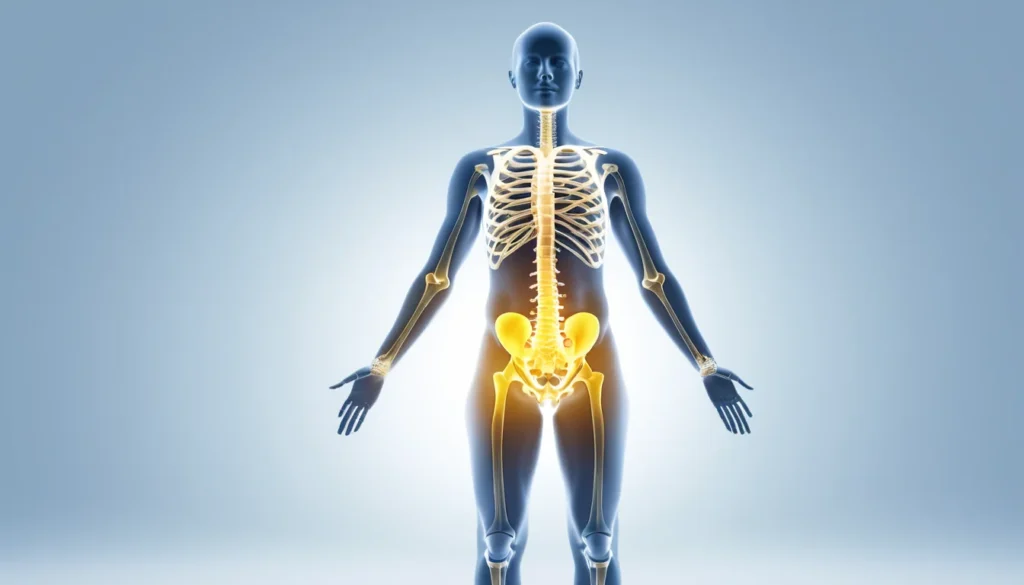
Rapid weight loss diets are everywhere — on social media, in magazines, and all over the internet. They promise dramatic results in just days or weeks. However, health experts warn that losing weight too quickly can seriously harm your body, and the results rarely last. This article explains the real dangers of crash diets and what a safer approach looks like for everyday Canadians.
Why Rapid Weight Loss Is Risky
Most health experts agree that losing about 0.5 to 1 kilogram per week is the safest rate of rapid weight loss to avoid. Going beyond that — especially through near-starvation diets — puts your body under serious stress. The risks range from nutrient deficiencies to long-term metabolic damage.
Research also shows that fast weight loss tends to backfire. In roughly two out of three cases, people who lost weight quickly ended up gaining back more weight than they originally lost. That means crash diets often leave you worse off than when you started.
According to Health Canada, a balanced and gradual approach to weight management is far more effective and sustainable than extreme dieting.
Rapid Weight Loss and Nutrient Deficiencies
Many crash diets cut out entire food groups. When you eliminate whole categories of food, your body misses out on essential vitamins and minerals it needs every day. This is one of the most overlooked dangers of quick-fix dieting.
For example, cutting out dairy can lead to calcium deficiency. Removing carbohydrates often causes a drop in dietary fibre. Both have real consequences for your health over time.
Key Nutrients at Risk
People following very low-calorie diets often fall short on calcium, vitamin D, vitamin B12, folate, and iron. These nutrients keep your bones, blood, and immune system working properly. Without them, your body starts to show warning signs.
Common symptoms of nutritional deficiency include:
Extreme fatigue and low energy
Weak or brittle hair and nails
A weakened immune system
Bone loss, including osteoporosis
Anaemia (low iron in the blood)
Constipation from low fibre intake
A well-designed eating plan includes all three macronutrients: healthy fats, carbohydrates, and protein. It should feel like a sustainable lifestyle, not a short-term punishment. A registered dietitian can build a plan that fits your specific needs and health goals.
A Word About Children and Dieting
Parents should pay close attention to how their children view food and body image. Research suggests that children as young as six or eight years old may start wanting to diet after seeing adults around them do so. Extreme dieting is especially dangerous for growing children and teenagers. Always encourage healthy habits over weight loss goals for young people.
How Rapid Weight Loss Slows Your Metabolism
When you cut calories drastically — say, dropping from 2,500 calories a day down to 1,000 — your body notices. It responds by entering what researchers call “starvation mode.” In this state, your metabolism slows down to conserve energy.
A slower metabolism means your body burns fewer calories throughout the day, even at rest. Studies have found that the more weight someone loses in a short period, the more their metabolism slows. When normal eating resumes, the body is now burning fewer calories than before — and weight comes back quickly.
A Smarter Calorie Strategy
Instead of slashing calories dramatically, experts recommend reducing your daily intake by no more than 500 calories. Combined with regular physical activity, this approach can lead to losing around 400 grams per week safely. It may feel slower, but your body composition will improve steadily and in a lasting way.
This gradual approach also protects your metabolism and keeps your energy levels stable. Furthermore, it is much easier to maintain over the long term, which is the whole point.
Muscle Loss: A Hidden Danger of Crash Diets
Most people trying to lose weight want to shed body fat, not muscle. However, when calorie intake drops too low too fast, the body starts breaking down muscle tissue for fuel instead. This is one of the most damaging effects of rapid weight loss.
Muscle tissue burns more calories than fat tissue, even when you are resting. Therefore, losing muscle actually makes it harder to lose weight over time. Your metabolism becomes less efficient, and the cycle of weight gain becomes harder to break.
How to Protect Your Muscle Mass
You can protect your muscles while losing weight by following a few key strategies:
Include a source of protein at every meal
Do regular strength training or resistance exercise
Follow a structured fitness programme
Avoid eating too few calories
Combining a protein-rich diet with regular exercise helps your body burn fat while keeping muscle intact. As a result, you end up with a stronger, healthier body — not just a lighter one. The Mayo Clinic’s weight loss guidance supports this balanced approach as the most effective method.
Dehydration and Rapid Weight Loss
In the first one to two weeks of a new diet, much of the weight you lose is actually water weight. This is especially common on low-carbohydrate diets, which cause the body to release stored water quickly.
Losing water too fast leads to dehydration. Dehydration brings on a range of unpleasant side effects, including headaches, constipation, muscle cramps, and fatigue. These symptoms are often mistaken for signs that the diet is “working,” when in reality they are warning signs from your body.
A healthy weight loss plan always includes proper daily hydration. It also takes into account any existing health conditions. In some cases, rapid weight loss can affect how medications work in your body, making them either stronger or less effective. Always talk to your doctor before starting any new diet, especially if you take prescription medications.
Hunger, Hormones, and Crash Diets
One major reason crash diets fail is the effect they have on hunger hormones. When you follow a very low-calorie diet, your body reduces its production of leptin — the hormone that tells your brain you are full.
With low leptin levels, your brain never gets the “I’m satisfied” signal after eating. As a result, you feel hungry almost constantly, even after meals. Research confirms that severe calorie restriction throws leptin levels out of balance, making it extremely difficult to stick to the diet. This is a biological response, not a lack of willpower.
Better Snacking Habits Help
Choosing quality snacks between meals can help keep hunger under control without derailing your progress. Good options include nuts, fruit, yogurt, or vegetables with hummus. These choices provide real nutrients and help stabilise your energy and appetite throughout the day.
According to Healthline’s nutrition experts, managing hunger through balanced eating is a far more sustainable strategy than trying to ignore it entirely.
When to See a Doctor
If you are thinking about starting a weight loss diet, speaking with your family doctor first is always a good idea. Your doctor can review your current health, check for any underlying conditions, and refer you to a registered dietitian. Most provincial health plans in Canada cover at least some nutrition counselling through a referral.
You should see a doctor right away if you experience any of the following while dieting:
Severe fatigue or dizziness
Irregular heartbeat
Hair loss or significant nail changes
Fainting or near-fainting episodes
Persistent constipation or digestive problems
If your family doctor is not available, a walk-in clinic is a good alternative for urgent concerns. Do not ignore warning signs from your body — early attention prevents more serious problems later on.
Frequently Asked Questions
How much weight is safe to lose per week?
Health experts recommend losing no more than 0.5 to 1 kilogram per week. Losing weight faster than this is considered rapid weight loss and can lead to muscle loss, nutrient deficiencies, and metabolic slowdown. A gradual approach is safer and much easier to maintain over time.
Why do crash diets cause weight gain in the long run?
Crash diets slow your metabolism and reduce muscle mass, which means your body burns fewer calories after the diet ends. When you return to normal eating, the weight comes back faster than it left. Research shows that roughly two-thirds of people who try rapid weight loss methods end up heavier than before.
What are the most common signs of a nutrient deficiency from dieting?
Common signs include extreme fatigue, brittle nails, hair loss, frequent illness, and constipation. These symptoms often appear when a diet eliminates whole food groups. If you notice these signs, speak with your family doctor or visit a walk-in clinic for blood work.
Is a low-carb diet dangerous for rapid weight loss?
Very low-carb diets can cause quick water weight loss, which may lead to dehydration, headaches, and constipation. They can also reduce your fibre intake significantly, affecting digestion and gut health. A balanced approach that includes healthy carbohydrates like whole grains, fruits, and vegetables is generally safer.
Can rapid weight loss affect my medications?
Yes, losing weight very quickly can change how your body processes certain medications, making them more or less effective. This is especially important for people taking blood pressure, diabetes, or thyroid medications. Always tell your doctor if you are planning to change your diet significantly.
Does Canada’s provincial health coverage include dietitian services?
Coverage varies by province, but many provincial health plans offer some level of access to registered dietitians, especially through a doctor’s referral. Some workplace benefit plans also cover nutrition counselling. Ask your family doctor about what is available in your province before paying out of pocket.
Key Takeaways
Rapid weight loss of more than 1 kilogram per week is considered unsafe by most health experts.
Crash diets often lead to nutrient deficiencies, affecting energy, immunity, bones, and digestion.
Extreme calorie cutting slows your metabolism, making long-term weight management harder.
Muscle loss is a real risk of fast dieting, and it reduces the number of calories your body burns daily.
Dehydration is common in the early stages of aggressive dieting, especially on low-carb plans.
Hunger hormones like leptin become disrupted during crash diets, making constant hunger a biological reality.
A safe plan reduces calories by no more than 500 per day and includes regular physical activity.
Talk to your family doctor or a registered dietitian before starting any new weight loss programme.