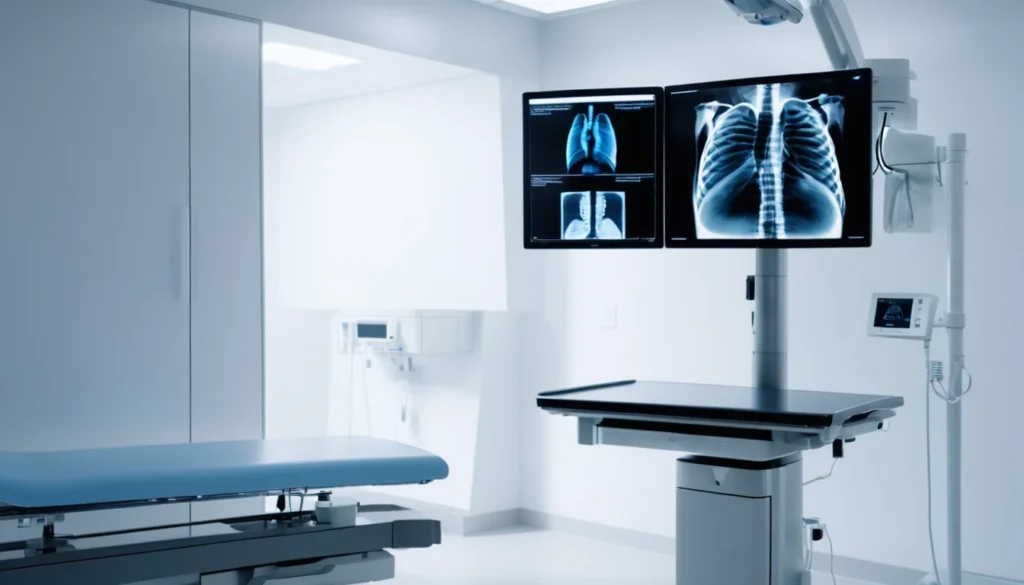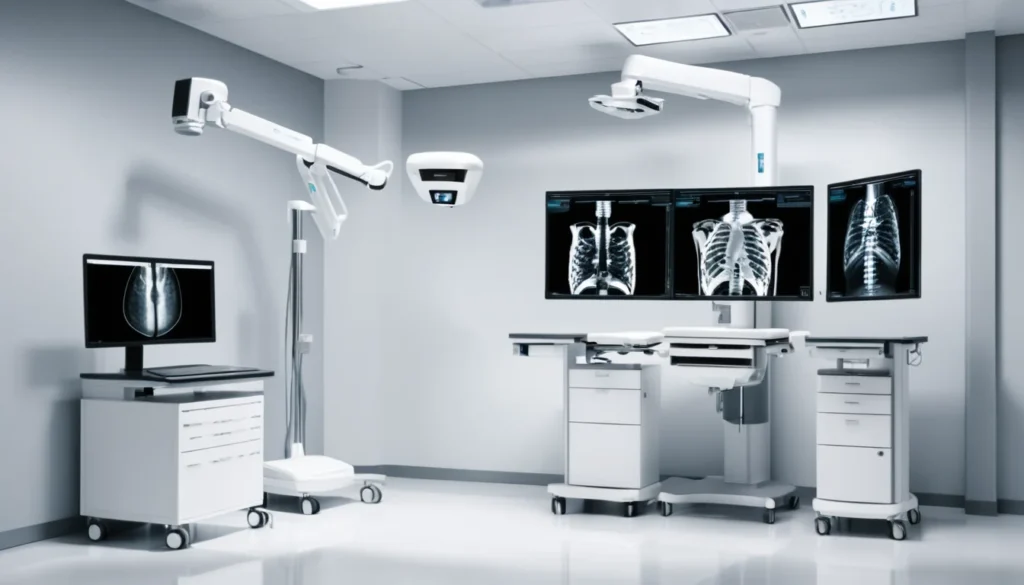
Radiation therapy is one of the most common treatments for cancer in Canada. It uses high-energy rays or particles to destroy cancer cells and shrink tumours. Millions of Canadians are affected by cancer each year, and radiation therapy plays a key role in many treatment plans. This article explains how radiation therapy works, what to expect, and what side effects to watch for.
What Is Radiation Therapy?
Radiation therapy uses ionising radiation to target and destroy cancer cells. The radiation damages the genetic material inside cells, stopping them from dividing and growing. Cancer cells are less able to repair themselves than healthy cells, which is why radiation can be so effective.
In Canada, radiation therapy is offered through provincial cancer centres and hospitals. It is often used alongside surgery or chemotherapy. Your oncology team will decide the best approach based on your specific cancer type and stage.
The most common form is external beam radiation therapy. In this approach, a machine outside your body directs beams of radiation at the tumour. The beams pass through the skin to reach deeper tissues.
Types of Radiation Therapy
There are several types of radiation therapy. Each uses a different kind of energy or particle. Your treatment team will choose the right type based on where your cancer is and how large it is.
Electromagnetic Radiation
This type includes X-rays and gamma rays. X-rays are used most often in external beam treatments. Gamma rays are produced by radioactive materials, such as cobalt-60, which is used in some machines to treat deep tissues without harming the skin.
Cobalt-based machines are well suited for cancers of the head, neck, breast, and limbs. They deliver gamma rays deep into the body while sparing the surface skin layers.
Particle-Based Radiation
Some machines use particles instead of rays. These include electrons, protons, and neutrons. Electrons work close to the surface and are used for skin or shallow tumours. Protons and neutrons are reserved for rare, hard-to-treat cancers, such as eye melanoma or skull base sarcomas.
Linear accelerators are the most widely used machines in Canadian cancer centres today. They can produce both electrons and high-energy X-rays. This flexibility makes them useful for a wide range of cancers, including deep tumours in the chest and abdomen.
Total Body and Skin Radiation
In some cases, radiation is delivered to the whole body. Total body radiation therapy is used to prepare patients for a bone marrow transplant, often in cases of leukaemia. Total skin electron therapy uses low-energy electrons to treat skin lymphomas across the entire body surface.
What Conditions Does Radiation Therapy Treat?
The main use of radiation therapy is cancer. However, at low doses, it also has anti-inflammatory effects. Doctors sometimes use low-dose radiation to treat shingles (herpes zoster) or keloid scars, though this is less common today.
For cancer treatment, radiation therapy can be used on its own or combined with other treatments. Here are some key examples:
Combined with chemotherapy (chemoradiation): Used for cancers of the throat, bronchial tubes, oesophagus, and anal canal.
Intraoperative radiation therapy: Radiation is delivered directly to a tumour during surgery, after nearby organs are moved aside. This is used for rectal or pancreatic cancers.
Stereotactic radiosurgery (mini-beam therapy): Multiple tiny, focused beams target inoperable brain tumours or arteriovenous malformations with great precision.
For more information on cancer treatment options, visit the Health Canada official website.
How Is Radiation Therapy Planned and Delivered?
Radiation therapy requires careful planning before the first treatment session begins. Modern techniques are highly precise. The goal is always to deliver the maximum dose to the tumour while protecting healthy tissue nearby.
The Planning Process
First, your care team will use a CT scan to map out the exact location of your tumour. A simulation session follows, using X-ray imaging to position the radiation beams correctly. A specialist called a medical physicist then calculates the exact radiation dose needed. This process is called dosimetry.
A technique called convergent beam therapy is often used. Four beams approach the tumour from different angles — front, back, left, and right. Each beam alone is too weak to damage healthy tissue along its path. However, where all four beams meet at the tumour, the combined dose is strong enough to destroy cancer cells.
During Your Treatment Session
You will be asked to undress and lie still in a specific position. Small marks — either drawn or tattooed — are placed on your skin. These marks help position the machine accurately at every session.
Each session is painless and usually takes only a few minutes. You will not feel the radiation as it enters your body. The number of sessions depends on the type and stage of your cancer.
Most treatment courses last four to eight weeks. Many patients do not need to stay in hospital during this time. You can often continue living at home and travel to your nearest cancer centre for each session.
Low-dose treatments may be given daily or even multiple times per day. This approach is sometimes used for cancers of the throat or larynx to improve the effectiveness of each dose. According to the Mayo Clinic’s overview of radiation therapy, treatment frequency depends heavily on the cancer type and the goals of care.
Side Effects of Radiation Therapy
Radiation therapy works by damaging cells. Unfortunately, some healthy cells near the treatment area can also be affected. Side effects vary depending on where in the body you receive treatment and how much radiation you receive.
Early Side Effects
Early side effects usually appear during or shortly after treatment. The good news is that most of them are reversible and improve within a few weeks. Common early side effects include:
Skin redness and irritation (radiation dermatitis): The skin in the treated area may become red, dry, or sore, similar to a sunburn.
Hair loss in the treatment area: This is usually temporary.
Mouth and throat soreness (radiation mucositis): This affects patients receiving radiation near the head or neck.
Low blood counts (bone marrow suppression): Radiation can temporarily reduce the production of blood cells.
Fatigue is also very common. It is important to rest when needed and to stay well hydrated during your treatment course.
Late Side Effects
Some side effects appear months or even years after radiation therapy ends. These can be harder to reverse. They include:
Chronic skin changes: The skin may become thin, dry, or show visible blood vessels.
Pulmonary fibrosis: Scar tissue may form in the lungs after chest radiation.
Growth delays in children: Radiation can affect bone and tissue growth in young patients.
Hormonal and reproductive effects: These may include early menopause or reduced fertility.
Secondary cancers: In rare cases, radiation may increase the risk of a new cancer developing years later.
To reduce these risks, your radiation oncologist will always use the lowest effective dose and treat the smallest possible area. Spreading the total dose over many smaller sessions also helps protect healthy tissue. The World Health Organization’s cancer fact sheet highlights that careful dose planning significantly reduces long-term harm.
When to Talk to Your Doctor
If you or a loved one has been diagnosed with cancer, speak with your family doctor or specialist about whether radiation therapy is appropriate. Your family doctor can refer you to a cancer centre or radiation oncologist through your provincial health plan.
You should also contact your doctor or visit a walk-in clinic if you experience any of the following during or after radiation therapy:
Severe skin reactions, open sores, or blistering in the treatment area
Difficulty swallowing or breathing
Signs of infection such as fever, chills, or redness that is spreading
Unusual fatigue that does not improve with rest
New or worsening pain near the treated area
In Canada, your radiation oncology team is your main point of contact during treatment. However, your family doctor remains an important partner in managing your overall health and any side effects that arise between appointments.
Always consult your doctor or a qualified healthcare provider before making any decisions about cancer treatment. The information in this article is for general educational purposes only and does not replace professional medical advice.
Frequently Asked Questions About Radiation Therapy
Is radiation therapy painful?
Radiation therapy itself is not painful. During the session, you will not feel the radiation entering your body. However, some side effects — such as skin irritation or mouth soreness — can be uncomfortable and may develop over the course of treatment.
How long does a course of radiation therapy last?
Most radiation therapy treatment courses last between four and eight weeks. Sessions are usually given once a day on weekdays. Your radiation oncologist will plan the exact schedule based on your cancer type and the dose required.
Will I be radioactive after radiation therapy?
With external beam radiation therapy, you are not radioactive after treatment. The radiation does not stay in your body. You can safely be around family members, including children and pregnant women, during and after your treatment sessions.
Can radiation therapy cure cancer?
Radiation therapy can cure some cancers, especially when caught early. In other cases, it is used to shrink tumours, relieve symptoms, or support surgery and chemotherapy. Your oncologist will explain the goals of radiation therapy for your specific situation.
Does radiation therapy cause hair loss?
Radiation therapy only causes hair loss in the area being treated. For example, head or neck radiation may cause scalp or facial hair loss. Unlike chemotherapy, radiation therapy does not cause hair loss across your entire body.
Is radiation therapy covered by provincial health plans in Canada?
Yes, radiation therapy for cancer is generally covered under provincial and territorial health insurance plans in Canada. Coverage details may vary by province. Speak with your family doctor or cancer care team to understand what is covered in your area.
Key Takeaways
Radiation therapy uses high-energy rays or particles to destroy cancer cells by damaging their ability to divide.
The most common form is external beam radiation therapy, delivered by a machine outside the body.
Different machines — including linear accelerators and cobalt units — are used depending on the cancer type and location.
Radiation therapy is often combined with surgery or chemotherapy for better results.
Treatment courses typically last four to eight weeks and are usually given as outpatient sessions, meaning no hospital stay is required.
Side effects range from early, reversible reactions like skin redness to rare late effects such as pulmonary fibrosis or secondary cancers.
Radiation oncologists carefully plan each treatment to protect healthy tissue as much as possible.
In Canada, radiation therapy is covered by most provincial health plans. Ask your family doctor for a referral to a cancer centre if needed.
Always speak with your healthcare provider before making any decisions about your treatment.