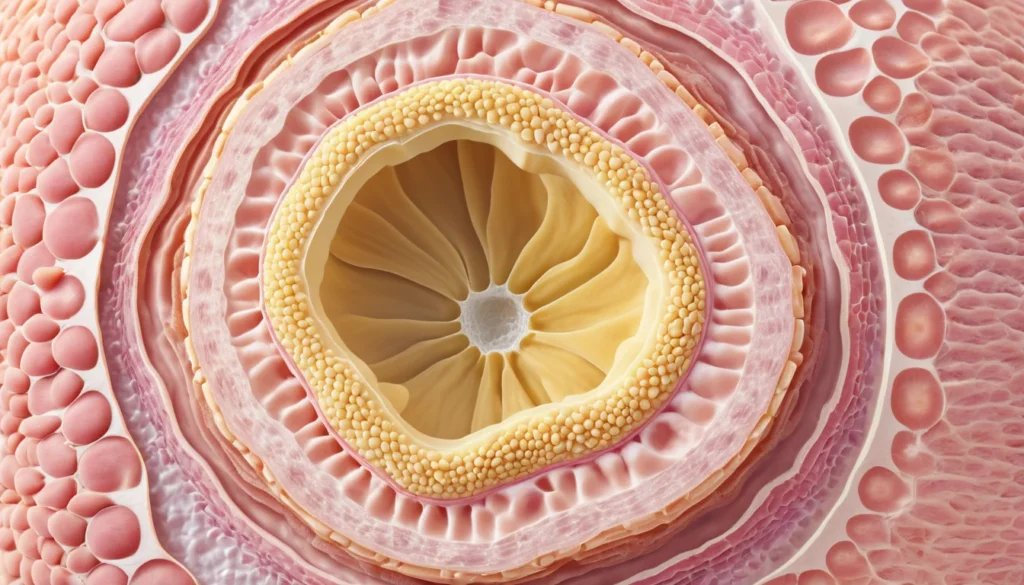
A pustule is a small, raised bump on the skin that is filled with pus. Pus is a thick, yellowish or whitish fluid made up of dead white blood cells, bacteria, and skin debris. Pustules can appear almost anywhere on the body, and they are one of the most common skin concerns that Canadians bring to their family doctor or walk-in clinic. In this article, you will learn what causes pustules, how to treat them safely at home, and when it is time to seek professional medical care.
What Is a Pustule?
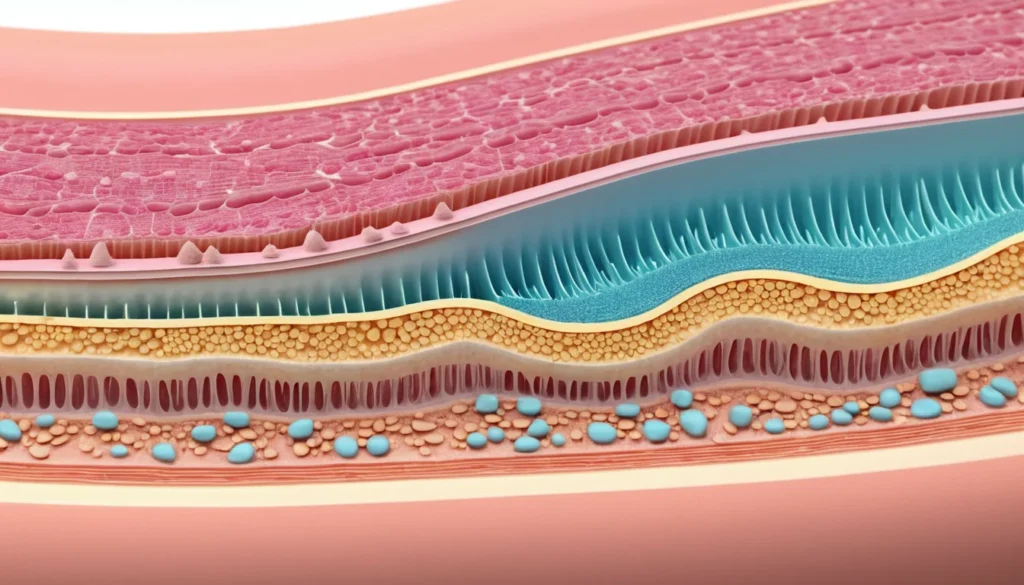
A pustule is a type of skin lesion. It looks like a small blister or pimple, usually with a white or yellow centre surrounded by red, inflamed skin. Pustules form when the body sends white blood cells to fight an infection or irritation beneath the skin’s surface.
Unlike a simple whitehead, a pustule is always filled with pus. The pus is what gives it that cloudy, opaque appearance. Pustules can be tender or even painful to the touch, especially when the surrounding skin is swollen.
It is important to understand that a pustule is not the same as a cyst or a nodule. Cysts and nodules sit much deeper under the skin and are generally larger and more painful. A pustule, by contrast, sits close to the surface and is usually small — often just a few millimetres in diameter.
Common Causes of Pustules
Many different conditions and triggers can cause a pustule to form on the skin. Understanding the cause is the first step toward effective treatment.
Acne
Acne is the most common reason people develop pustules. When a hair follicle becomes clogged with oil and dead skin cells, bacteria called Cutibacterium acnes can multiply inside the pore. The body responds by sending white blood cells to the area, and the result is a pus-filled pustule. Acne pustules most often appear on the face, back, chest, and shoulders.
Acne is extremely common in Canada. According to Health Canada, skin conditions like acne affect millions of Canadians every year, particularly teenagers and young adults.
Folliculitis
Folliculitis is an infection or inflammation of the hair follicles. It often looks like a cluster of small pustules grouped together around individual hairs. This condition can affect any part of the body that has hair, including the scalp, legs, and groin area.
Folliculitis is often caused by bacteria, but it can also result from fungi, viruses, or even ingrown hairs. Shaving, tight clothing, and excessive sweating are common triggers in everyday Canadian life.
Impetigo
Impetigo is a highly contagious bacterial skin infection. It is most common in young children and can spread quickly in schools and daycares. Impetigo often starts as red sores that quickly break open, ooze fluid, and form a yellowish-brown crust. In some cases, it first appears as pustules.
Parents who notice pustule-like sores on their child’s skin should contact their family doctor or a walk-in clinic promptly, as impetigo typically requires antibiotic treatment.
Rosacea
Rosacea is a chronic skin condition that causes redness and flushing, mainly on the face. One subtype, called papulopustular rosacea, also produces acne-like pustules. These pustules can be mistaken for regular acne, but they appear without the blackheads or whiteheads typical of acne.
Other Causes
In addition to the conditions above, pustules can also be triggered by contact dermatitis, chickenpox, scabies, and certain fungal infections. Some medications can also cause pustule-like rashes as a side effect. Therefore, it is always helpful to consider any recent changes to your medications or skincare routine.
How to Identify a Pustule
Identifying a pustule correctly can help you decide the best course of action. Here are the key signs to look for:
Appearance: A small, raised bump with a white or yellow centre
Colour: The surrounding skin is often red or pink
Size: Typically a few millimetres across, though some can be larger
Texture: Soft and filled with fluid when gently pressed
Location: Can appear on the face, back, chest, arms, legs, or scalp
Sensation: May be tender, itchy, or mildly painful
It is worth noting that a single pustule here and there is usually not a cause for alarm. However, a sudden widespread outbreak of pustules, especially with fever or other symptoms, may signal a more serious condition that needs prompt attention.
Pustule Treatment Options
The right treatment for a pustule depends on what is causing it. Many mild pustules resolve on their own with basic home care. However, some cases require medical treatment.
Home Care for Mild Pustules
For minor pustules caused by acne or minor folliculitis, simple home care often works well. Here are some practical steps you can take:
Wash the affected area gently twice a day with a mild, fragrance-free cleanser
Apply a warm compress to help draw out the pus and reduce inflammation
Use over-the-counter acne treatments containing benzoyl peroxide or salicylic acid
Avoid touching, squeezing, or popping pustules, as this can spread bacteria and cause scarring
Keep your hands clean and avoid transferring bacteria to your face
Furthermore, changing your pillowcase regularly, keeping your hair clean, and avoiding heavy, pore-clogging moisturisers can all help prevent new pustules from forming.
Over-the-Counter Products
Canadian pharmacies carry many effective over-the-counter products for treating pustules linked to acne. Look for products that contain benzoyl peroxide, salicylic acid, or adapalene (a retinoid). These ingredients help unclog pores, kill bacteria, and reduce inflammation.
Always follow the product instructions carefully. Some of these treatments can dry out the skin, so using a gentle, non-comedogenic moisturiser alongside them is a good idea. A pharmacist at your local drugstore can help you choose the right product for your skin type.
Prescription Treatments
If over-the-counter treatments do not work after several weeks, your family doctor or dermatologist may prescribe a stronger option. Prescription treatments for pustules can include topical antibiotics, oral antibiotics, stronger retinoids, or hormonal therapies for acne in women.
For conditions like impetigo, a course of oral or topical antibiotics is typically necessary. Rosacea-related pustules are often managed with specific prescription creams or oral medications. As a result, getting a proper diagnosis before starting treatment is very important.
For more detail on skin treatment options, the Mayo Clinic’s guide to acne treatment provides a helpful overview.
What Not to Do
One of the most important rules when dealing with pustules is this: do not pop them. Squeezing a pustule can push bacteria deeper into the skin, cause a secondary infection, and lead to permanent scarring. It is tempting, but it almost always makes things worse.
Also, avoid using harsh scrubs or alcohol-based toners directly on pustules. These can irritate already inflamed skin and slow down healing.
When to See a Doctor
Most mild pustules will clear up on their own or with simple home treatment. However, there are situations where you should not wait. Contact your family doctor or visit a walk-in clinic if you notice any of the following:
Pustules that are spreading rapidly or increasing in number
Pustules accompanied by fever, chills, or swollen lymph nodes
A large, painful pustule or abscess that does not improve within a few days
Pustules in a newborn or very young infant
Pustules that keep coming back in the same area
Signs of a spreading skin infection, such as red streaks around the area
Pustules that appear after starting a new medication
In Canada, most provincial health plans cover visits to your family doctor or a walk-in clinic for skin concerns like these. You do not need to suffer in silence or wait for the problem to become serious before seeking care. Early treatment leads to better outcomes and reduces the risk of scarring or complications.
Additionally, if you have been managing acne pustules for months without improvement, a referral to a dermatologist through your family doctor is a reasonable next step. Dermatologists specialise in skin conditions and can offer targeted treatments that a general practitioner may not prescribe as a first option.
You can also find reliable general information about skin health through Healthline’s overview of pustules and skin lesions.
Preventing Pustules
Prevention is not always possible, but there are practical steps that can reduce your risk of developing pustules. Good skin hygiene is the foundation. Here are some helpful habits to build into your daily routine:
Wash your face twice daily with a gentle cleanser suited to your skin type
Shower promptly after exercise or heavy sweating to prevent folliculitis
Avoid sharing towels, razors, or makeup brushes with others
Use non-comedogenic skincare and makeup products that won’t clog pores
Stay hydrated and eat a balanced diet rich in vegetables, fruits, and fibre
Manage stress levels, as stress can trigger hormonal changes that worsen acne
Change bed linens and pillowcases at least once a week
For people who shave regularly, using a clean, sharp razor and shaving in the direction of hair growth can significantly reduce the chance of developing folliculitis-related pustules. Applying a soothing, alcohol-free aftershave product also helps.
Frequently Asked Questions
What is the difference between a pustule and a pimple?
A pimple is a general term for a small inflamed bump on the skin. A pustule is a specific type of pimple that contains visible pus, giving it a white or yellow centre. Not all pimples are pustules — blackheads and whiteheads, for example, do not contain pus in the same way.
Is it safe to pop a pustule at home?
It is generally not safe to pop a pustule at home. Squeezing it can push the bacteria deeper into the skin, worsen the infection, and cause permanent scarring. It is better to apply a warm compress and allow the pustule to drain naturally, or to seek treatment from a healthcare professional.
How long does a pustule take to heal?
A minor pustule caused by acne or a small follicle infection often heals within one to two weeks with proper care. However, if the pustule is large, part of a widespread rash, or caused by a bacterial infection requiring antibiotics, healing may take longer. Seeing a doctor speeds up the process and reduces the risk of complications.
Can pustules be a sign of something serious?
In most cases, a pustule is a minor skin issue. However, pustules accompanied by fever, rapidly spreading redness, or swollen lymph nodes can indicate a more serious bacterial infection that needs immediate medical attention. If you are unsure, it is always best to consult your family doctor or visit a walk-in clinic.
What causes recurring pustules on the face?
Recurring pustules on the face are most commonly linked to acne, rosacea, or hormonal changes. Stress, diet, certain skincare products, and hormonal fluctuations can all trigger repeated outbreaks. A dermatologist can help identify the underlying cause and recommend a long-term treatment plan suited to your skin.
Are pustules contagious?
Pustules themselves are not always contagious, but the condition causing them may be. For example, pustules caused by impetigo or chickenpox are very contagious and can spread to others through direct contact. Acne-related pustules, on the other hand, are not contagious. If you are unsure what is causing your pustules, a doctor can help you determine whether any precautions are needed.
Key Takeaways
A pustule is a small, pus-filled bump on the skin, often surrounded by red or inflamed tissue
Common causes include acne, folliculitis, impetigo, and rosacea
Mild pustules can often be managed at home with gentle cleansing, warm compresses, and over-the-counter treatments
Never squeeze or pop a pustule, as this can lead to infection and scarring
See your family doctor or visit a walk-in clinic if pustules are spreading, painful, or accompanied by fever
Most provincial health plans in Canada cover medical visits for skin concerns like pustules
Good skin hygiene, stress management, and the right skincare products can help prevent future outbreaks
Please note: The information in this article is for general educational purposes only. It is not a substitute for professional