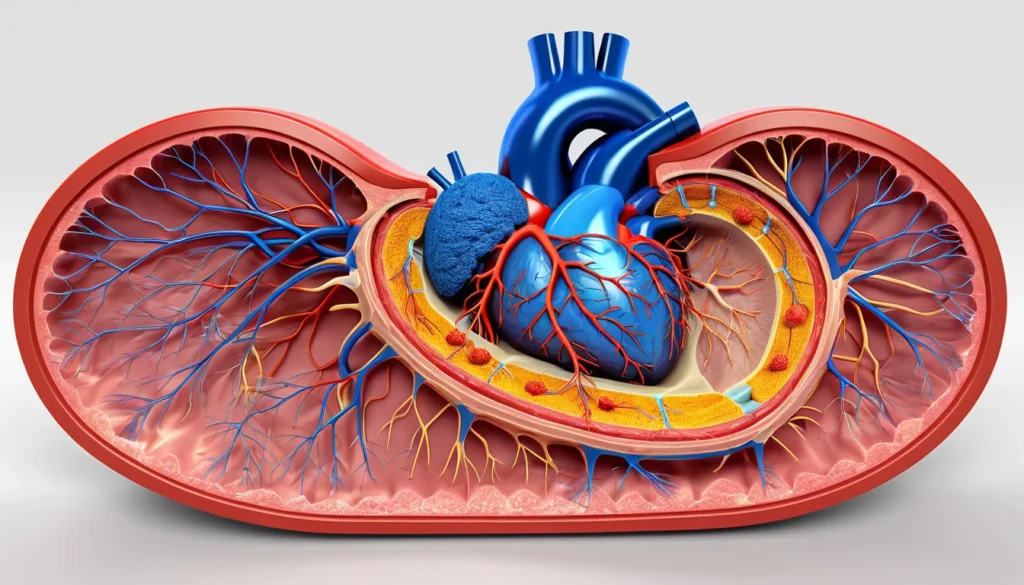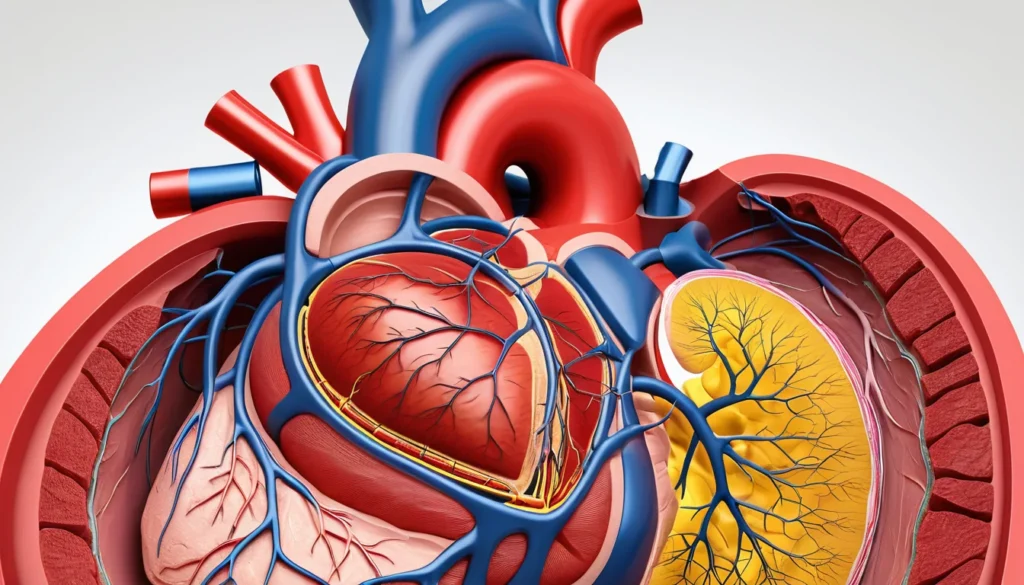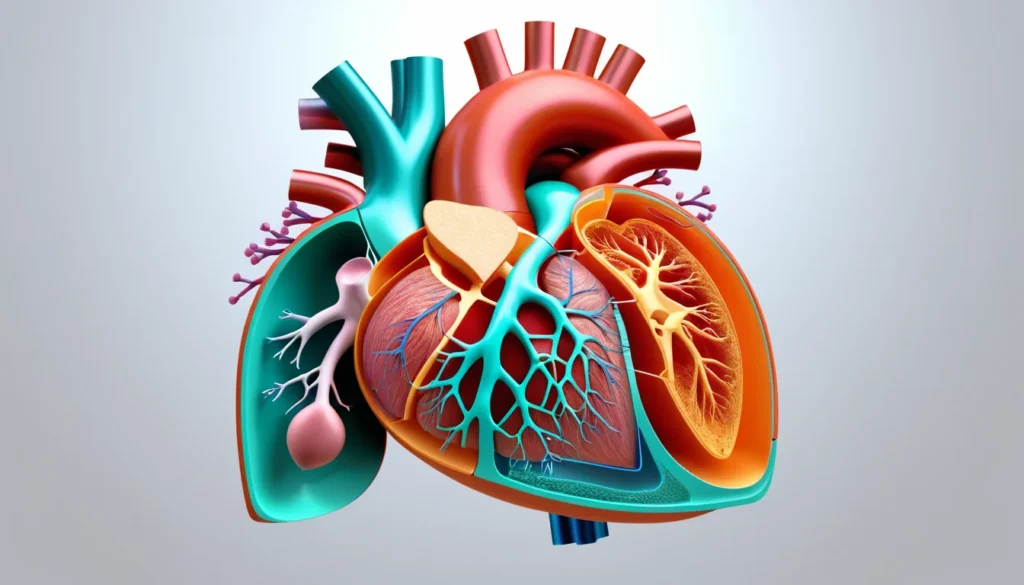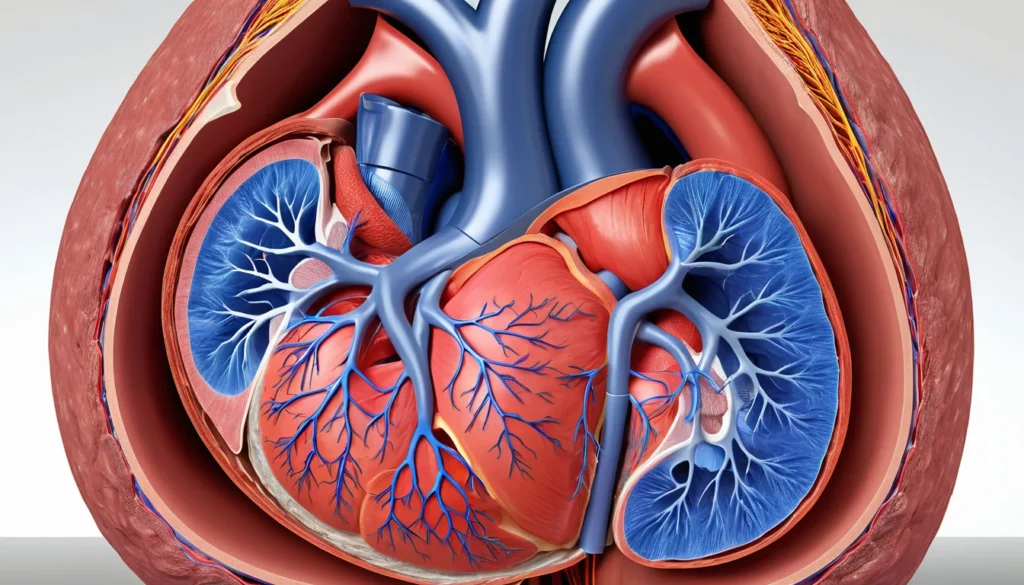
Pulmonary valve stenosis is a heart condition where the pulmonary valve becomes abnormally narrow. This narrowing creates a blockage that makes it harder for the right side of the heart to pump blood to the lungs. In this article, we cover the types, causes, symptoms, and treatment options for pulmonary valve stenosis — and explain when you should speak with your family doctor.
What Is Pulmonary Valve Stenosis?
Your heart has four valves that keep blood flowing in the right direction. The pulmonary valve sits between the right ventricle (the lower right chamber of the heart) and the pulmonary artery, which carries blood to the lungs.
When this valve is too narrow, the right ventricle must work much harder to push blood through. Over time, this extra strain can weaken the heart. According to the Mayo Clinic, pulmonary valve stenosis is most often present at birth and accounts for roughly 10% of all congenital heart defects.
The condition can be mild, moderate, or severe. Mild cases may never need treatment. However, moderate and severe cases usually require medical intervention to protect long-term heart health.
Types of Pulmonary Valve Stenosis
Doctors classify pulmonary valve stenosis based on where the narrowing occurs. Understanding the type helps guide the right treatment plan.
Valvular Stenosis
This is the most common type. The problem lies directly in the leaflets (flaps) of the pulmonary valve itself. The leaflets may be thickened, stiff, or partially fused together, restricting blood flow.
Subvalvular Stenosis
In this type, the blockage sits just below the pulmonary valve, within the right ventricle. This is sometimes called infundibular stenosis. It can occur on its own or alongside valvular stenosis.
Supravalvular Stenosis
Here, the narrowing occurs above the pulmonary valve, in the pulmonary artery itself. This type is less common. It is sometimes linked to certain genetic syndromes, such as Williams syndrome.
Common Causes of Pulmonary Valve Stenosis
Most cases of pulmonary valve stenosis develop before birth. The heart forms during the first eight weeks of pregnancy. If something disrupts that development, a structural defect can result. However, some causes can develop later in life.
Congenital Rubella (German Measles)
If a pregnant person contracts rubella during the first trimester, the virus can cross the placenta and affect the developing baby. Congenital rubella is one of the most well-documented causes of congenital heart defects, including pulmonary valve stenosis. Fortunately, Canada’s publicly funded immunisation programmes have made rubella very rare. The Health Canada immunisation schedule recommends the MMR vaccine to protect against rubella.
Carcinoid Syndrome
Carcinoid syndrome is a rare condition caused by certain slow-growing tumours. These tumours release chemicals into the bloodstream that can damage heart valves. As a result, the leaflets of the pulmonary valve may thicken, fuse, or pull back (retract), leading to stenosis.
Rheumatic Fever
Rheumatic fever is a complication of untreated strep throat or scarlet fever. It can cause inflammation throughout the body, including the heart valves. Although it more commonly affects the mitral and aortic valves, it can sometimes involve the pulmonary valve. Prompt treatment of strep infections with antibiotics helps prevent rheumatic fever.
Cardiac Tumours
In rare cases, tumours growing inside the right ventricle can obstruct blood flow near the pulmonary valve. These tumours may be benign (non-cancerous) or, less commonly, malignant. They can mimic the effects of structural valve stenosis.
Other Contributing Factors
In some cases, pulmonary valve stenosis has no clear identifiable cause. Researchers believe that a combination of genetic and environmental factors during fetal development may play a role. Furthermore, certain genetic syndromes — such as Noonan syndrome — are associated with a higher risk of pulmonary valve stenosis.
Symptoms of Pulmonary Valve Stenosis
Symptoms of pulmonary valve stenosis can vary widely depending on how severe the narrowing is. Mild stenosis may cause no symptoms at all. More severe cases, however, can significantly affect daily life and overall health.
Shortness of Breath
Difficulty breathing — especially during physical activity — is the most common symptom. When the heart cannot pump enough blood to the lungs efficiently, the muscles throughout the body receive less oxygen. As a result, even moderate exercise can leave a person feeling winded.
Bluish Skin or Lips (Cyanosis)
Cyanosis is a bluish discolouration of the skin, lips, or fingernails. It happens when the blood carries less oxygen than normal. In pulmonary valve stenosis, reduced blood flow to the lungs means less oxygen enters the bloodstream.
Chest Pain
Some people experience chest pain or tightness, similar to the discomfort felt during angina (reduced blood flow to the heart muscle). This symptom should always be taken seriously. If you experience sudden chest pain, seek emergency care immediately.
Fatigue
Persistent, unexplained tiredness is another common complaint. The heart works harder than normal to compensate for the narrowed valve. Over time, this constant extra effort leads to ongoing fatigue that does not improve with rest.
Dizziness and Fainting
During intense physical effort, some people feel dizzy or lightheaded. In more severe cases, a person may faint (lose consciousness temporarily). This happens because the heart cannot increase its output fast enough to meet the body’s demands during exertion.
Clubbing of the Fingernails
In long-standing cases, the fingernails may become curved and shiny — a sign called clubbing. This change reflects chronic low oxygen levels in the blood. It is more commonly seen in severe or long-untreated cases.
Diagnosis and Treatment of Pulmonary Valve Stenosis
Pulmonary valve stenosis is often detected during a routine physical exam. A doctor may hear an abnormal heart sound called a heart murmur through a stethoscope. Further tests are usually needed to confirm the diagnosis and assess its severity.
Common diagnostic tests include an echocardiogram (ultrasound of the heart), an electrocardiogram (ECG), and chest X-rays. In some cases, a cardiac MRI or cardiac catheterisation may also be used. The World Health Organization recognises cardiovascular conditions like this as a leading area for early diagnosis and intervention.
Mild Cases
Mild pulmonary valve stenosis often requires no immediate treatment. Instead, your doctor will monitor your heart health with regular check-ups. Most people with mild stenosis live full, active lives without needing surgery.
Balloon Valvuloplasty
For moderate to severe cases, balloon valvuloplasty is the most common treatment. During this minimally invasive procedure, a doctor inserts a thin, flexible tube (catheter) with a small balloon at the tip into a blood vessel. The balloon is guided to the narrowed valve and inflated to widen the opening. This procedure does not require open-heart surgery and has a high success rate.
Open-Heart Surgery
In some cases, surgery may be necessary — particularly if the valve is very damaged or if balloon valvuloplasty is not suitable. During surgery, the surgeon may repair the existing valve or replace it entirely. Your cardiologist will discuss which option is best for your specific situation.
When to See a Doctor
If you or your child experiences any of the symptoms described above — especially shortness of breath, chest pain, dizziness, or fainting — it is important to seek medical advice promptly. Start by booking an appointment with your family doctor or visiting a walk-in clinic.
Your family doctor can perform an initial assessment and refer you to a cardiologist (heart specialist) if needed. In Canada, this referral is covered under most provincial and territorial health plans, so there is no need to delay seeking care.
If someone experiences sudden chest pain, difficulty breathing, or loss of consciousness, call 911 or go to the nearest emergency department immediately. These can be signs of a serious cardiac event that requires urgent attention.
Always consult a qualified healthcare provider before making any decisions about your health or treatment. The information in this article is for educational purposes only and does not replace professional medical advice.
Frequently Asked Questions About Pulmonary Valve Stenosis
Is pulmonary valve stenosis a serious condition?
Pulmonary valve stenosis ranges from mild to severe. Mild cases are often not serious and may never require treatment. However, moderate or severe pulmonary valve stenosis can strain the heart over time and may need surgical intervention to prevent complications.
Can pulmonary valve stenosis go away on its own?
In some children, very mild pulmonary valve stenosis improves naturally as the heart grows. However, it does not typically resolve completely on its own in adults or in moderate to severe cases. Regular monitoring by a cardiologist is important to track any changes.
What is the life expectancy for someone with pulmonary valve stenosis?
Most people with mild pulmonary valve stenosis have a normal life expectancy. With proper treatment, even those with moderate or severe stenosis can live long, healthy lives. Regular follow-up care with a heart specialist is key to managing the condition well.
How is pulmonary valve stenosis treated in Canada?
In Canada, treatment for pulmonary valve stenosis depends on its severity. Mild cases are monitored through regular check-ups covered by provincial health plans. Moderate to severe cases are typically treated with balloon valvuloplasty or open-heart surgery, both of which are available through the public healthcare system with a referral from your family doctor.
Can adults develop pulmonary valve stenosis?
Most cases of pulmonary valve stenosis are congenital, meaning they are present at birth. However, adults can develop acquired pulmonary valve stenosis due to conditions such as carcinoid syndrome or rheumatic fever. If you notice new heart-related symptoms as an adult, speak with your family doctor.
What does a pulmonary valve stenosis heart murmur sound like?
A pulmonary valve stenosis murmur is typically described as a systolic ejection murmur — a whooshing or swooshing sound heard through a stethoscope during a heartbeat. It is caused by turbulent blood flow through the narrowed valve. A doctor will often detect this during a routine physical exam and then order further tests to confirm the diagnosis.
Key Takeaways
Pulmonary valve stenosis is a narrowing of the pulmonary valve that restricts blood flow from the heart to the lungs.
It is most often a congenital condition, meaning it develops before birth, but it can also be acquired later in life.
The three main types are valvular, subvalvular, and supravalvular stenosis.
Common causes include congenital rubella, carcinoid syndrome, rheumatic fever, and cardiac tumours.
Key symptoms include shortness of breath, chest pain, fatigue, dizziness, cyanosis, and fainting.
Mild cases may need no treatment, while moderate to severe cases are often treated with balloon valvuloplasty or open-heart surgery.
If you notice symptoms, see your family doctor or visit a walk-in clinic. Most referrals to a cardiologist are covered by your provincial health plan.
Always consult a qualified healthcare professional for personal medical advice and diagnosis.