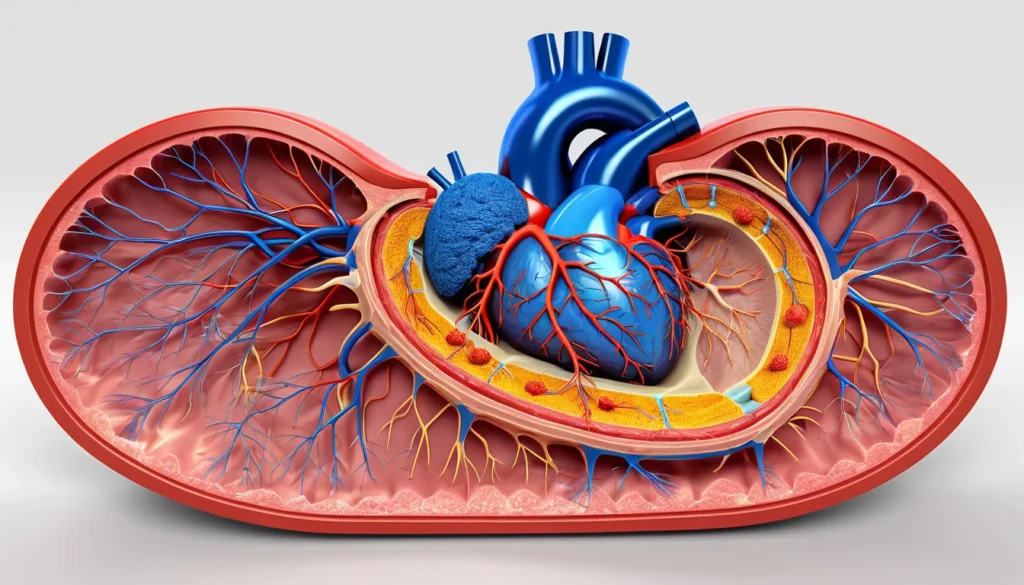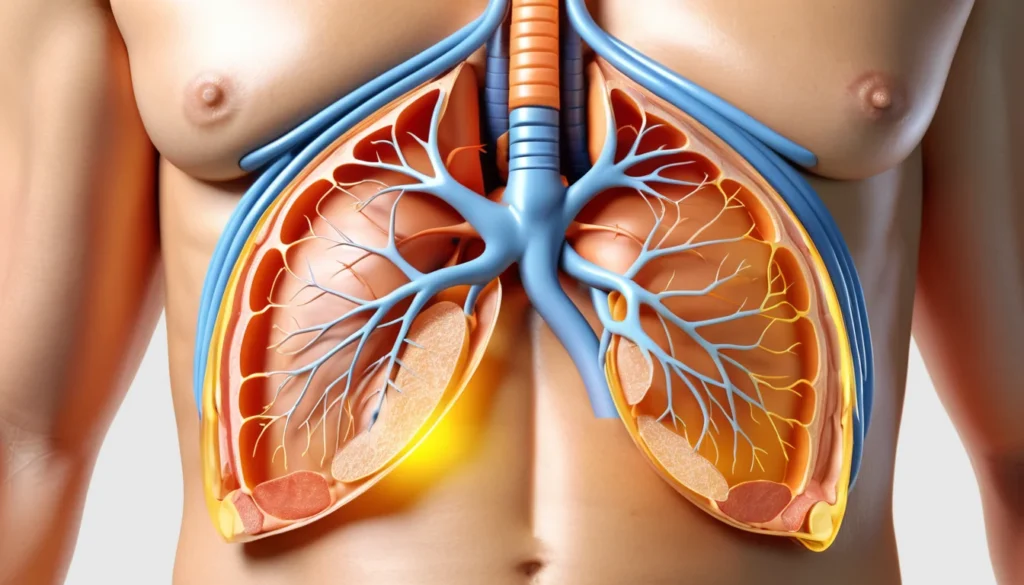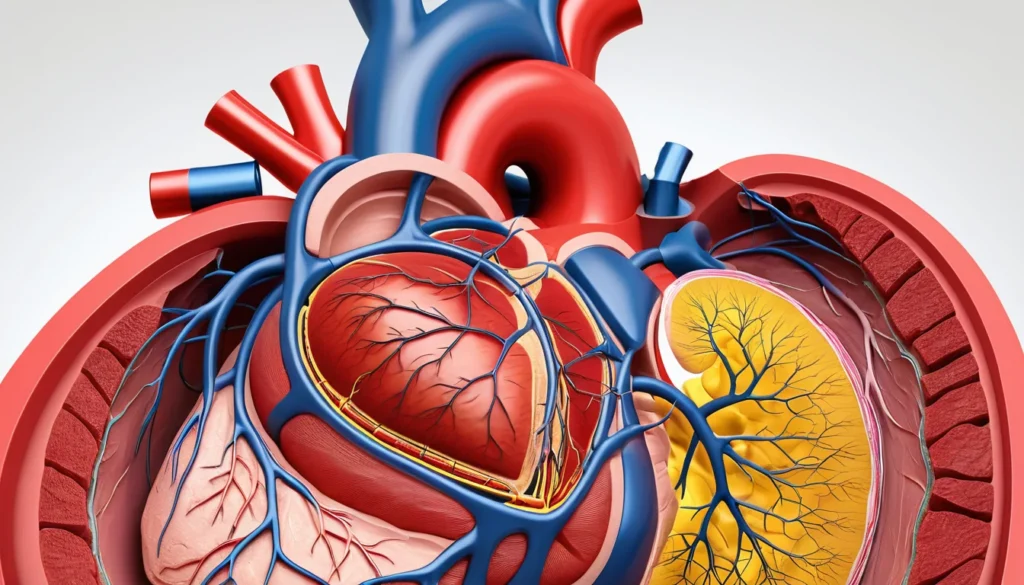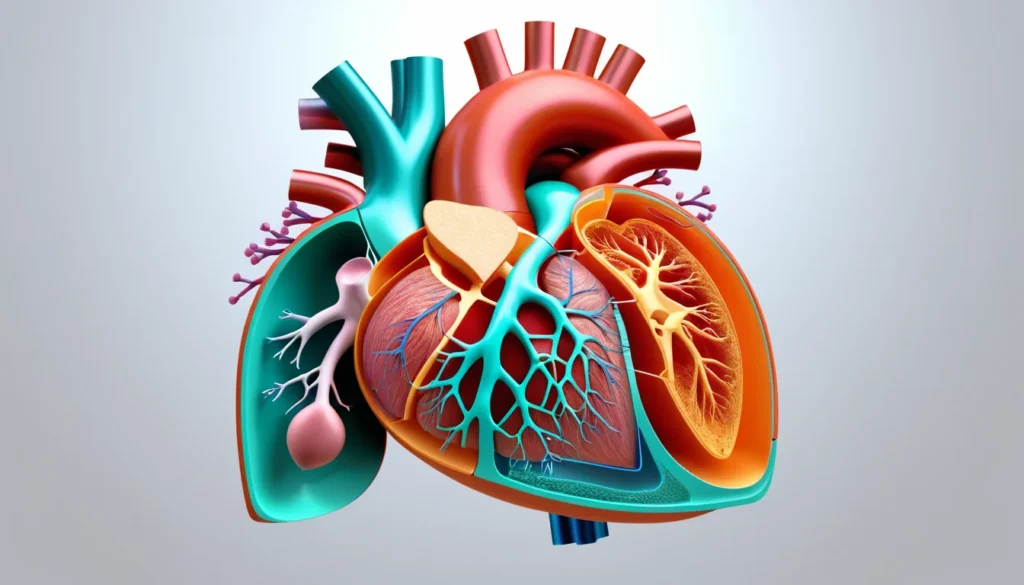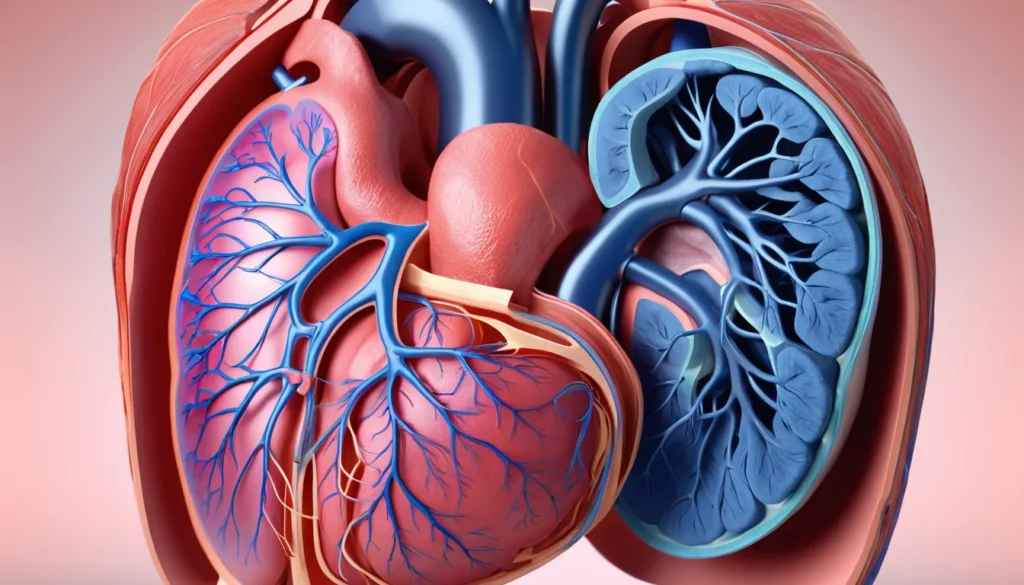
Pulmonary hypertension is a serious condition where blood pressure in the arteries leading to your lungs becomes dangerously high. Over time, this extra strain can weaken your heart and make everyday activities feel exhausting. In Canada, many people live with this condition for years before getting a diagnosis. This article explains what pulmonary hypertension is, what causes it, and what you can do about it.
What Is Pulmonary Hypertension?
Your heart has a right lower chamber called the right ventricle. Its job is to pump blood through the pulmonary arteries and into your lungs, where the blood picks up oxygen.
Normally, blood flows easily through these arteries. However, in pulmonary hypertension, the walls of the pulmonary arteries become narrowed, stiff, or blocked. As a result, the heart has to work much harder to push blood through.
Over time, that extra workload weakens the right ventricle. In serious cases, the heart can no longer pump enough blood to the lungs. This leads to heart failure, which is the most common cause of death in people diagnosed with pulmonary hypertension.
How Is Blood Pressure Measured in the Lungs?
Doctors measure pressure in the pulmonary artery in millimetres of mercury (mmHg). Normal pressure at rest is about 15 mmHg. A diagnosis of pulmonary hypertension is made when the average pressure exceeds 25 mmHg at rest or 30 mmHg during physical activity.
Types of Pulmonary Hypertension
The World Health Organization (WHO) divides pulmonary hypertension into five groups based on the underlying cause. Understanding which group you fall into helps your doctor choose the right treatment.
Group 1: Pulmonary Arterial Hypertension (PAH)
This group covers cases where the small arteries inside the lungs become narrowed or damaged. It includes several subtypes:
Idiopathic PAH: The cause is unknown. This is sometimes called primary pulmonary hypertension.
Heritable PAH: Passed down through families via a gene mutation.
PAH caused by other conditions: Including congenital heart disease, HIV infection, thyroid disorders, or the use of certain drugs such as cocaine.
Group 2: Left-Sided Heart Disease
Problems with the left side of the heart can raise pressure in the pulmonary arteries. For example, a faulty mitral valve or long-term high blood pressure can lead to this type of pulmonary hypertension.
Group 3: Lung Disease and Low Oxygen
Lung conditions that reduce oxygen levels in the blood are a common cause of pulmonary hypertension. These include chronic obstructive pulmonary disease (COPD), sleep apnea, and interstitial lung disease. Interstitial lung disease refers to a group of conditions that cause scarring of lung tissue, making it harder for oxygen to pass into the blood.
Group 4: Blood Clots in the Lungs
Chronic blood clots in the lungs, known as chronic thromboembolic disease, can block blood flow and raise pulmonary pressure. This group is particularly important because it is often treatable with surgery.
Group 5: Other Causes
This group includes pulmonary hypertension linked to a range of other conditions, such as sarcoidosis, Langerhans cell histiocytosis, and lymphangioleiomyomatosis. A tumour pressing on the pulmonary blood vessels can also trigger this type.
What Causes Pulmonary Hypertension?
In many cases, a clear cause can be identified. In others, the cause remains unknown. Here is a closer look at the main causes.
Changes Inside the Artery Walls
In pulmonary hypertension, the cells lining the pulmonary artery walls start to change. They grow and multiply abnormally, creating extra tissue. This extra tissue narrows the inside of the artery, making it harder for blood to flow through. Furthermore, the artery walls can become stiff and inflexible.
Blood clots can also form inside narrowed arteries. All of these changes raise the pressure inside the arteries and force the heart to pump harder.
Idiopathic Pulmonary Hypertension
When no cause can be found, doctors call it idiopathic pulmonary hypertension. Some people with this form carry a gene that raises their risk. However, in most cases, doctors cannot pinpoint a reason why the condition developed.
Secondary Pulmonary Hypertension
When pulmonary hypertension develops because of another medical condition, it is called secondary pulmonary hypertension. Common underlying conditions include heart disease, lung disease, connective tissue disorders, and liver disease. Treating the underlying condition can sometimes slow the progression of pulmonary hypertension.
Symptoms of Pulmonary Hypertension
Pulmonary hypertension often develops slowly. Many people do not notice symptoms until the condition has already progressed. According to the Mayo Clinic, the most common symptoms include:
Shortness of breath during routine activities, such as climbing two flights of stairs
Fatigue that does not go away with rest
Chest pain or pressure
A racing or pounding heartbeat
Dizziness or fainting
Swelling in the ankles, legs, or abdomen as heart failure develops
As the disease worsens, even light activity can become very difficult. Some people find they can barely move around the house without becoming breathless.
Why Symptoms Are Easy to Miss
Early symptoms of pulmonary hypertension are easy to mistake for other conditions, such as asthma or general fatigue. This is one reason why the condition is often diagnosed late. If you notice shortness of breath that is getting worse over time, it is important to speak with your family doctor right away.
Risk Factors for Pulmonary Hypertension
Certain factors can raise your chances of developing pulmonary hypertension. Being aware of these risk factors can help you and your doctor catch the condition early.
Family history: A close relative with pulmonary hypertension increases your risk.
Sex and age: Idiopathic pulmonary hypertension is more common in younger women, though it can affect anyone at any age.
Existing heart or lung disease: Conditions such as COPD, sleep apnea, or left-sided heart disease significantly raise the risk.
Blood clotting disorders: A history of blood clots in the lungs increases the likelihood of group 4 pulmonary hypertension.
Certain medications and substances: Long-term use of some diet pills and stimulant drugs has been linked to pulmonary arterial hypertension.
Living at high altitude: Long-term exposure to low oxygen at high altitudes can affect pulmonary blood pressure.
For more information on cardiovascular risk factors, Health Canada offers reliable resources on heart and lung health for Canadians.
How Is Pulmonary Hypertension Diagnosed?
Diagnosing pulmonary hypertension takes time because its symptoms overlap with many other conditions. Your doctor will start with a full medical history and a physical examination.
Common Diagnostic Tests
Several tests may be used to confirm a diagnosis of pulmonary hypertension:
Echocardiogram: An ultrasound of the heart that estimates pressure in the pulmonary arteries.
Right heart catheterisation: The most accurate test. A thin tube is passed into the right side of the heart and pulmonary artery to measure pressure directly.
Chest X-ray or CT scan: These help identify enlarged arteries or underlying lung conditions.
Pulmonary function tests: These measure how well your lungs are working.
Blood tests and genetic screening: These can identify underlying causes or inherited risk factors.
Your family doctor may refer you to a specialist, such as a respirologist or cardiologist, for these tests. In Canada, these referrals are covered under most provincial health plans.
Treatment Options for Pulmonary Hypertension
There is currently no cure for pulmonary hypertension, but treatments can manage symptoms, slow progression, and improve quality of life. Your treatment plan will depend on the type and severity of your condition.
Medications
Several types of medication help relax and widen the pulmonary arteries, making it easier for blood to flow through. These include prostacyclins, endothelin receptor antagonists, and phosphodiesterase-5 inhibitors. Your specialist will recommend the right combination for you.
In addition, some patients benefit from blood thinners, diuretics (water pills) to reduce swelling, and oxygen therapy at home.
Lifestyle Adjustments
Making changes to your daily routine can also help manage pulmonary hypertension. These include:
Pacing your physical activity and resting when needed
Avoiding high altitudes and situations where oxygen levels are low
Eating a balanced, low-sodium diet to reduce fluid retention
Not smoking and avoiding second-hand smoke
Getting vaccinated against flu and pneumonia, as respiratory infections can worsen symptoms
Surgical and Other Procedures
In some cases, surgery may be recommended. For group 4 pulmonary hypertension caused by chronic blood clots, a procedure called pulmonary endarterectomy can remove the clots and significantly reduce pressure. In severe cases, a lung or heart-lung transplant may be considered.
When to See a Doctor
Do not wait to speak with a healthcare provider if you are experiencing unexplained shortness of breath, chest pain, or increasing fatigue. These symptoms can have many causes, but pulmonary hypertension is one that should be ruled out early.
Start by booking an appointment with your family doctor. If you do not have a family doctor, a walk-in clinic can do an initial assessment and refer you to a specialist if needed. Early diagnosis gives you the best chance of managing this condition effectively.
Always follow your doctor’s advice and never adjust your medications without consulting a healthcare professional first. The information in this article is for general education only and is not a substitute for personalised medical care.
Frequently Asked Questions About Pulmonary Hypertension
What is the difference between pulmonary hypertension and regular high blood pressure?
Regular high blood pressure affects the arteries throughout your entire body. Pulmonary hypertension specifically affects the arteries that carry blood from your heart to your lungs. The two conditions are separate, though regular high blood pressure can sometimes contribute to developing pulmonary hypertension over time.
Can pulmonary hypertension be cured?
There is currently no cure for pulmonary hypertension, but many people manage the condition well with the right treatment plan. Medications, lifestyle changes, and in some cases surgery can slow progression and significantly improve quality of life. Your specialist will work with you to find the best approach for your specific type of pulmonary hypertension.
Is pulmonary hypertension hereditary?
Yes, in some cases pulmonary hypertension can be inherited. Heritable pulmonary arterial hypertension is linked to mutations in specific genes, most commonly the BMPR2 gene. If a close family member has been diagnosed, speak with your doctor about whether genetic screening is right for you.
What does pulmonary hypertension feel like in the early stages?
In the early stages, pulmonary hypertension often causes shortness of breath during normal activities, such as climbing stairs or walking quickly. Many people also feel unusually tired or notice a faster-than-normal heartbeat. Because these symptoms are so common, pulmonary hypertension is frequently mistaken for asthma or general fatigue at first.
Can sleep apnea cause pulmonary hypertension?
Yes, sleep apnea is a recognised risk factor for pulmonary hypertension. When breathing repeatedly stops during sleep, oxygen levels in the blood drop, which can raise pressure in the pulmonary arteries over time. Treating sleep apnea with CPAP therapy may help reduce this risk and improve pulmonary pressure readings.
How is pulmonary hypertension treated in Canada?
In Canada, pulmonary hypertension is typically managed by a respirologist or cardiologist through a referral from your family doctor. Treatment may include prescription medications, oxygen therapy, and lifestyle changes, all of which are often covered under provincial health plans. In more severe cases, surgical options such as pulmonary endarterectomy or lung transplantation may be considered at a specialised centre.
Key Takeaways
Pulmonary hypertension is high blood pressure specifically in the arteries that carry blood to the lungs. It forces the heart to work harder and can eventually lead to heart failure if left untreated. The WHO classifies it