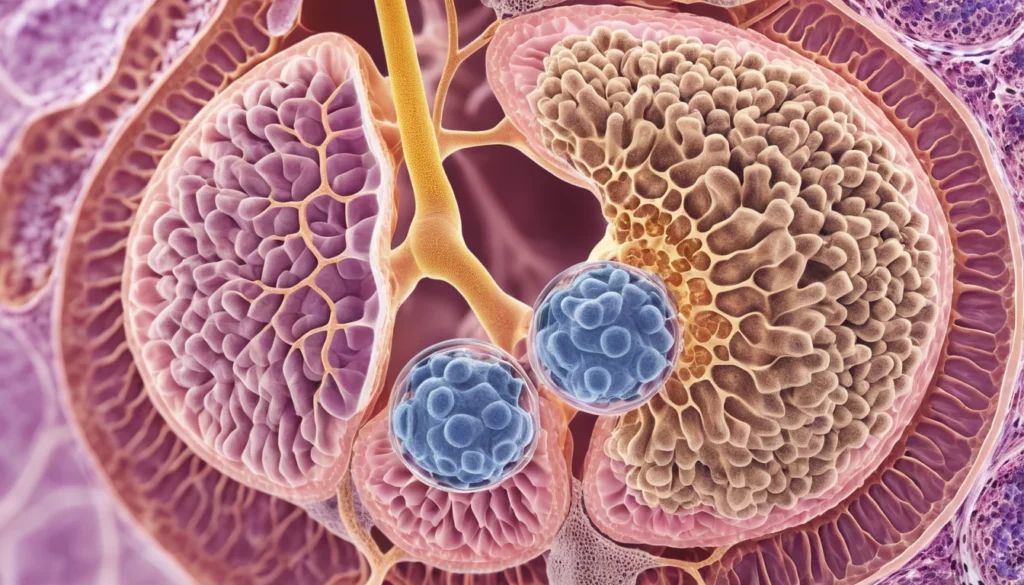
Pulmonary histoplasmosis is a lung infection caused by a fungus called Histoplasma capsulatum. Most people who breathe in this fungus never feel sick. However, for some — especially those with weakened immune systems — it can become a serious illness. This article explains what pulmonary histoplasmosis is, how you can be exposed, what symptoms to watch for, and when to seek care from your family doctor or a walk-in clinic.
What Is Pulmonary Histoplasmosis?
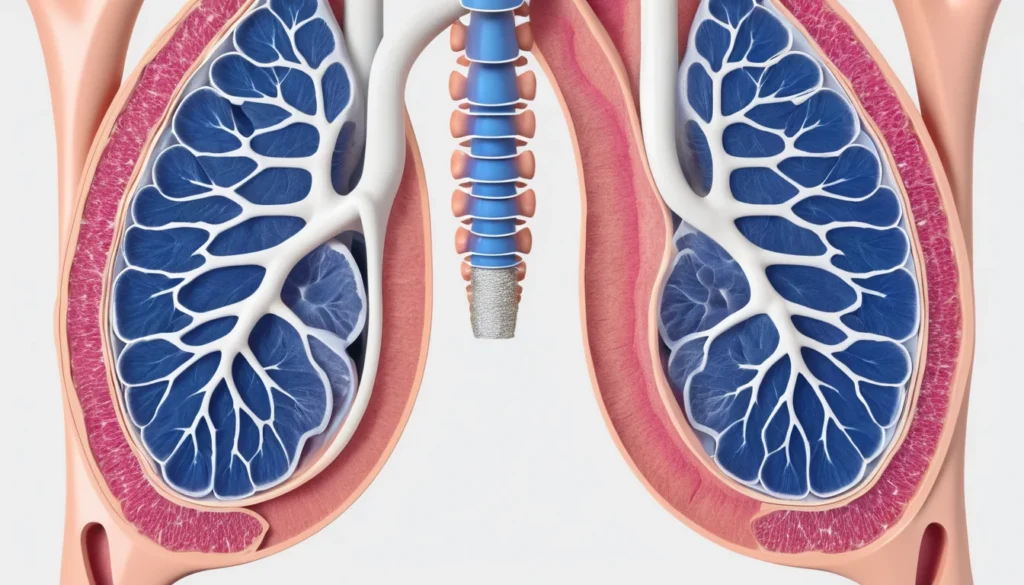
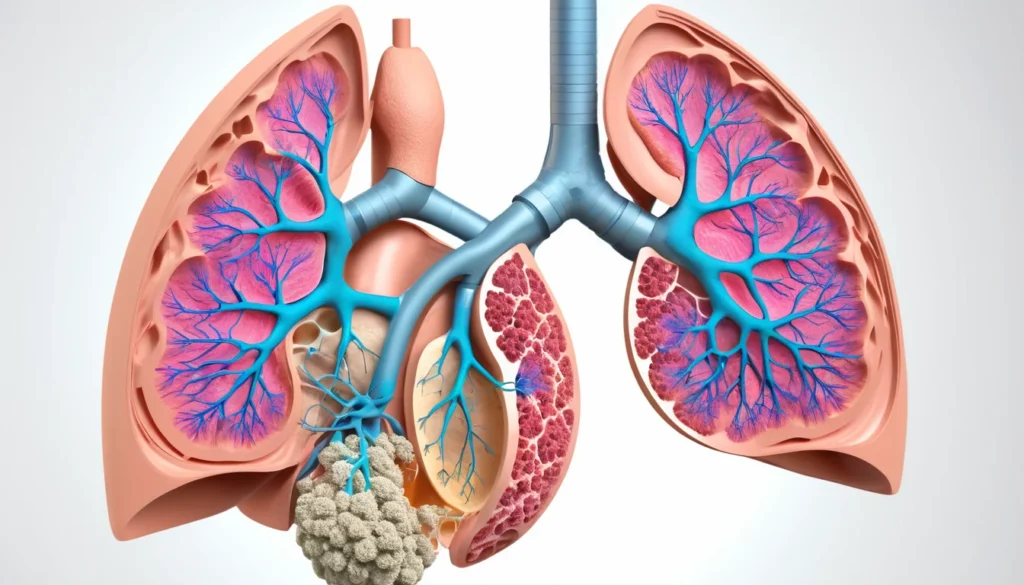
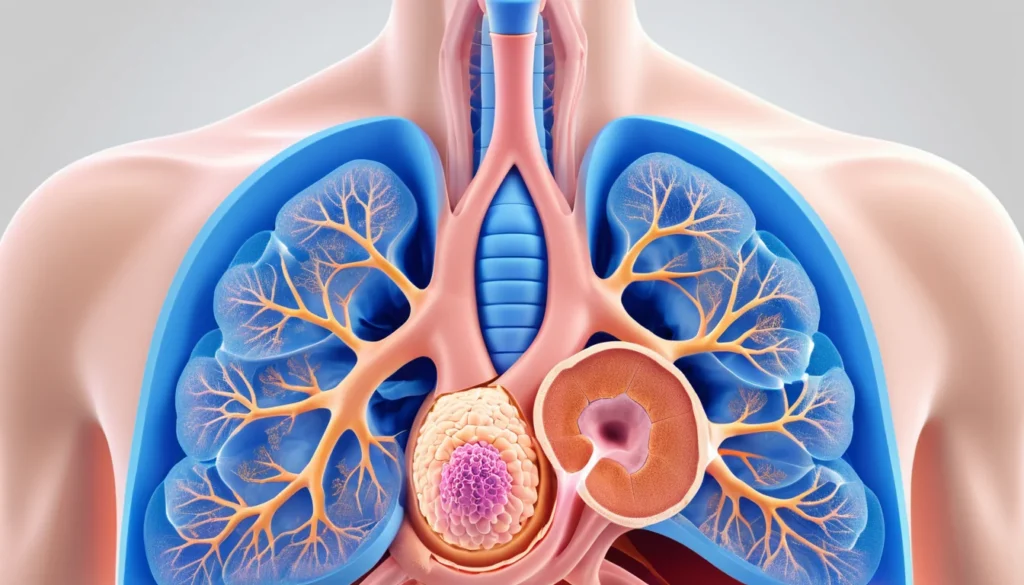
Pulmonary histoplasmosis is a fungal infection that mainly affects the lungs. The fungus Histoplasma capsulatum lives in soil and enters the body when a person breathes in tiny spores. In most healthy people, the immune system handles the infection quietly, with no obvious symptoms at all.
However, the infection can become active and cause real illness. This is more likely when a person breathes in a large amount of the fungus, or when their immune system is not working well. In rare cases, the infection can spread beyond the lungs to other organs — a serious condition called disseminated histoplasmosis.
According to Health Canada, fungal infections like histoplasmosis are an important area of public health awareness, particularly for people with conditions that affect their immune response.
What Causes Pulmonary Histoplasmosis?
Histoplasma capsulatum grows naturally in soil that is rich in organic material — things like decaying leaves, wood, or animal droppings. The fungus thrives especially in soil contaminated by bat or bird droppings. Birds cannot be infected themselves, but their droppings create the perfect environment for the fungus to grow.
Bats, on the other hand, can carry and spread the fungus through their droppings. Contaminated soil can stay infectious for many years. Anyone who disturbs this soil — by digging, renovating, or farming — can breathe in the spores without knowing it.
Where Is the Fungus Found in Canada?
Histoplasmosis is found worldwide, especially in areas with temperate climates. In North America, it is most common along the Ohio and Mississippi River valleys in the United States. In Canada, cases have been reported, particularly in parts of Ontario and Quebec near the US border, as well as in returning travellers.
Travellers who visit regions where the fungus is common — including parts of the US, Central America, South America, Eastern Europe, and East Asia — can bring the infection back with them. The spores can travel long distances on the wind, making exposure possible even in areas not normally associated with the disease.
Activities That Raise Your Risk
Certain activities increase the chance of breathing in Histoplasma spores. These include:
Renovating or demolishing old buildings
Cleaning chicken coops, barns, or bat-infested spaces
Caving (spelunking) in bat-inhabited caves
Gardening or farming in high-risk soil
Travelling to regions where the fungus is common
People who work in construction, agriculture, or pest control may face a higher risk. Wearing a properly fitted respirator mask during these activities can help reduce exposure.
Symptoms of Pulmonary Histoplasmosis
Between 85 and 90 percent of people with healthy immune systems show no symptoms at all after being exposed to Histoplasma capsulatum. Their bodies fight off the infection without them ever knowing. This is one reason pulmonary histoplasmosis is often underdiagnosed.
When symptoms do appear, they usually start within three to seventeen days after exposure. The illness can range from mild to severe, depending on how much fungus a person inhaled and how strong their immune system is.
Mild to Moderate Symptoms
In many cases, pulmonary histoplasmosis feels similar to a bad cold or flu. Common symptoms include:
Fever and chills
Fatigue and general weakness
Dry cough
Chest discomfort or tightness
Headache
Muscle aches and joint pain
These symptoms usually clear up on their own within a few weeks in otherwise healthy adults. However, it is still worth speaking with a healthcare provider if you suspect you have been exposed, especially if symptoms linger.
Severe and Chronic Symptoms
In some patients, the infection does not go away on its own. Chronic pulmonary histoplasmosis can develop, especially in people who already have a lung condition like COPD or emphysema. Over time, this can lead to scarring of lung tissue — a serious complication known as pulmonary fibrosis.
Severe cases may also involve inflammation around the heart (pericarditis) or fluid building up around the lungs (pleural effusion). These complications require prompt medical attention. The Mayo Clinic’s overview of histoplasmosis offers a helpful summary of the range of symptoms that can occur.
Who Is Most at Risk?
Healthy adults with strong immune systems can usually fight off pulmonary histoplasmosis without treatment. However, certain groups face a much higher risk of serious illness. Understanding these risk factors helps Canadians protect themselves and their families.
Those at higher risk include:
Infants and young children, whose immune systems are still developing
Older adults, whose immune response weakens with age
People living with HIV or AIDS
Organ transplant recipients taking immunosuppressant medications
People receiving chemotherapy or long-term steroid treatment
Those with pre-existing lung conditions such as COPD
Disseminated histoplasmosis — where the infection spreads to other organs including the liver, spleen, eyes, brain, or bone marrow — occurs in roughly 1 in 2,000 people with healthy immune systems who develop symptoms. However, it is far more common in immunocompromised individuals and in children under two years of age.
How Is Pulmonary Histoplasmosis Diagnosed?
Diagnosing pulmonary histoplasmosis can be tricky because the symptoms overlap with many other respiratory illnesses. Your family doctor will likely start with a detailed history of your symptoms and any recent travel or activities that may have exposed you to the fungus.
Several tests can help confirm the diagnosis. These may include:
Blood or urine antigen tests — detect proteins made by the fungus
Chest X-ray or CT scan — look for changes in the lungs
Sputum culture — grow the fungus from a mucus sample to confirm its presence
Skin test — checks for past exposure to Histoplasma
Blood antibody tests — identify immune system responses to the fungus
It is important to tell your doctor if you have recently travelled outside Canada or spent time in wooded or rural areas. This information can significantly help them reach the correct diagnosis faster.
Treatment Options for Pulmonary Histoplasmosis
Treatment for pulmonary histoplasmosis depends on how severe the infection is and the overall health of the patient. Many mild cases in healthy adults resolve without any specific treatment. Rest, fluids, and time are often enough for the body to recover.
For moderate to severe cases, antifungal medications are the main treatment. The most commonly used drug is itraconazole, which is taken orally for several weeks to months. In more severe cases — particularly in immunocompromised patients — intravenous amphotericin B may be used first, followed by itraconazole to complete the course of treatment.
Treatment can last anywhere from three months to over a year, depending on the individual case. Patients covered under their provincial health plan should speak with their family doctor about accessing antifungal therapy, as coverage and availability may vary by province. For more detailed clinical information, Healthline’s guide to histoplasmosis treatment provides a useful overview.
Chronic and Disseminated Histoplasmosis Treatment
Chronic pulmonary histoplasmosis and disseminated histoplasmosis require longer and more intensive treatment. Patients with HIV or AIDS may need to stay on antifungal medication indefinitely to prevent the infection from returning. Regular follow-up appointments with a specialist — typically an infectious disease physician — are an important part of managing these more complex cases.
When to See a Doctor
If you have recently been in an area where Histoplasma capsulatum is common — whether travelling in the US, working outdoors, or exploring caves — and you develop flu-like symptoms, it is a good idea to seek medical advice. Most symptoms after mild exposure will resolve on their own, but it is always better to check.
You should contact your family doctor or visit a walk-in clinic promptly if you notice:
A cough that does not improve after two to three weeks
Shortness of breath or difficulty breathing
Chest pain
Fever lasting more than a few days
Unexplained weight loss or extreme fatigue
Symptoms that seem to be getting worse, not better
If you have a weakened immune system — for any reason — do not wait. Contact your healthcare provider as soon as possible if you think you may have been exposed. Early treatment leads to much better outcomes. As always, this article is for general information only. Please consult your doctor or a qualified healthcare professional for advice specific to your health situation.
Frequently Asked Questions About Pulmonary Histoplasmosis
Is pulmonary histoplasmosis contagious?
No, pulmonary histoplasmosis is not contagious between people. You cannot catch it from someone who is infected. The only way to get histoplasmosis is by breathing in Histoplasma capsulatum spores directly from contaminated soil or environments.
Can pulmonary histoplasmosis go away on its own?
Yes, in most healthy adults, mild pulmonary histoplasmosis clears up on its own within a few weeks without any treatment. However, if symptoms are severe or you have a weakened immune system, antifungal medication is usually needed. Always check with your family doctor to be sure.
Does histoplasmosis exist in Canada?
Yes, cases of histoplasmosis have been reported in Canada, particularly in Ontario and Quebec near the US border. Canadians who travel to regions where the fungus is common — such as the Ohio and Mississippi River valleys — can also bring the infection back. Awareness is important for those with frequent outdoor exposure.
How long does pulmonary histoplasmosis last?
Mild pulmonary histoplasmosis typically lasts a few weeks and then resolves on its own. Chronic or severe forms of the infection may require antifungal treatment lasting three months to over a year. The duration depends on the severity of the infection and the patient’s overall immune health.
What does pulmonary histoplasmosis look like on a chest X-ray?
On a chest X-ray, pulmonary histoplasmosis may appear as patchy areas of inflammation or small calcified nodules in the lungs. In some cases, it can look similar to pneumonia or even lung cancer, which is why further testing is usually needed for a proper diagnosis. Your doctor will assess the images in combination with your symptoms and history.
Who is most at risk of serious pulmonary histoplasmosis in Canada?
People most at risk of serious pulmonary histoplasmosis include infants, older adults, and anyone with a weakened immune system — such as those living with HIV, transplant recipients, or people on long-term steroid therapy. Canadians in these groups should take extra precautions when travelling to or working in high-risk environments.
Key Takeaways
Pulmonary histoplasmosis is a fungal lung infection caused by Histoplasma capsulatum, found in soil contaminated by bat or bird droppings.
Most healthy people show no symptoms and recover without treatment.
Symptoms — when they occur — can resemble a cold or flu, with fever, cough, and fatigue.
People with weakened immune systems, infants, and older adults face the highest risk of serious illness.
Cases have been reported in Canada, and travellers to high-risk regions should be aware of the risks.
Mild cases often resolve on their own; moderate to severe cases are treated with antifungal medications covered under most provincial health plans when prescribed by your doctor.
If symptoms persist or worsen, see your family doctor or visit a walk-in clinic as soon as possible.