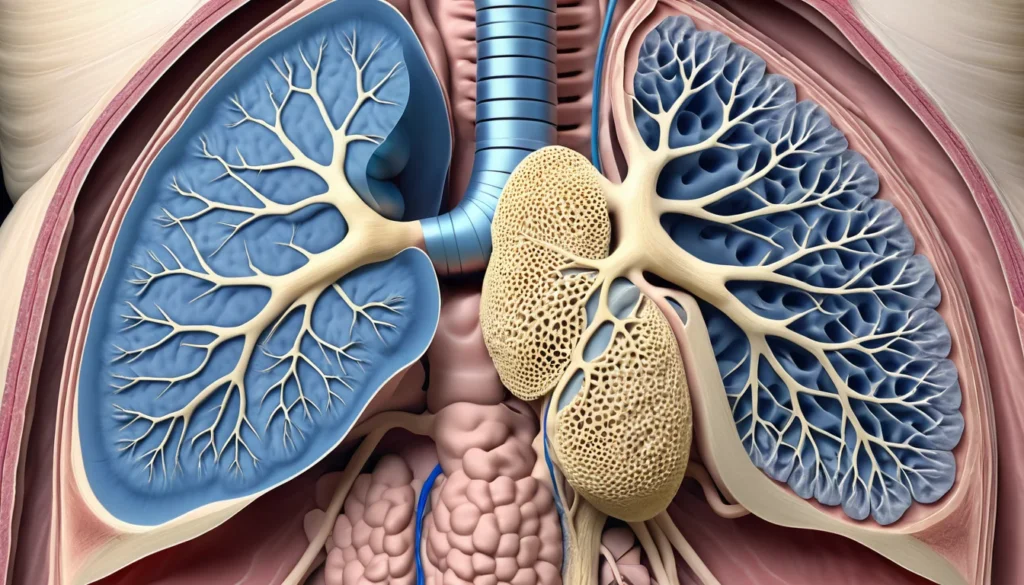
Pulmonary fibrosis is a serious lung disease that occurs when lung tissue becomes damaged and scarred. This thickened, stiff tissue makes it harder for your lungs to work properly. As the condition progresses, breathing becomes increasingly difficult and daily life can be affected. This article explains what pulmonary fibrosis is, what causes it, how it is diagnosed, and what treatment options are available to Canadians.
What Is Pulmonary Fibrosis?
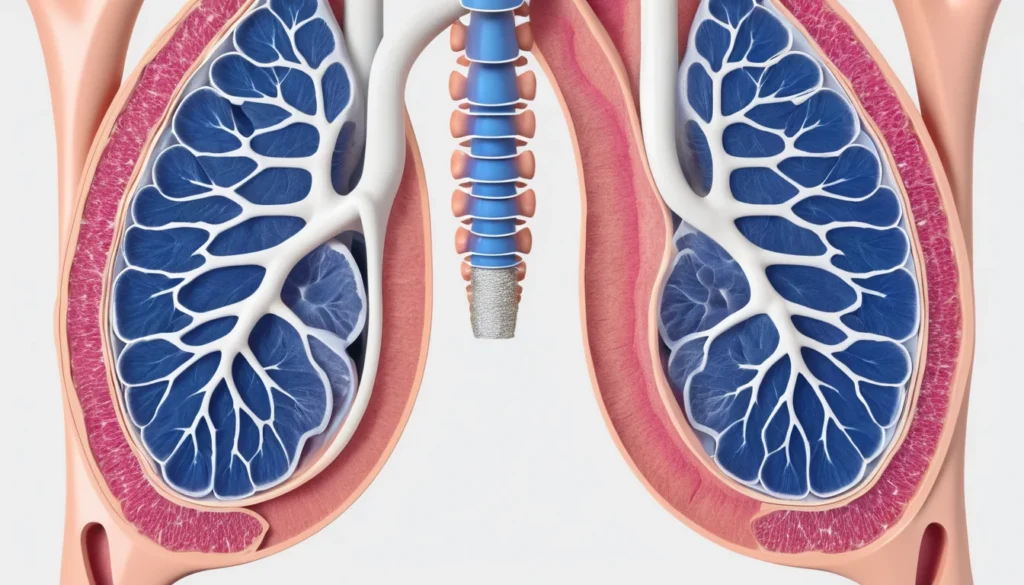
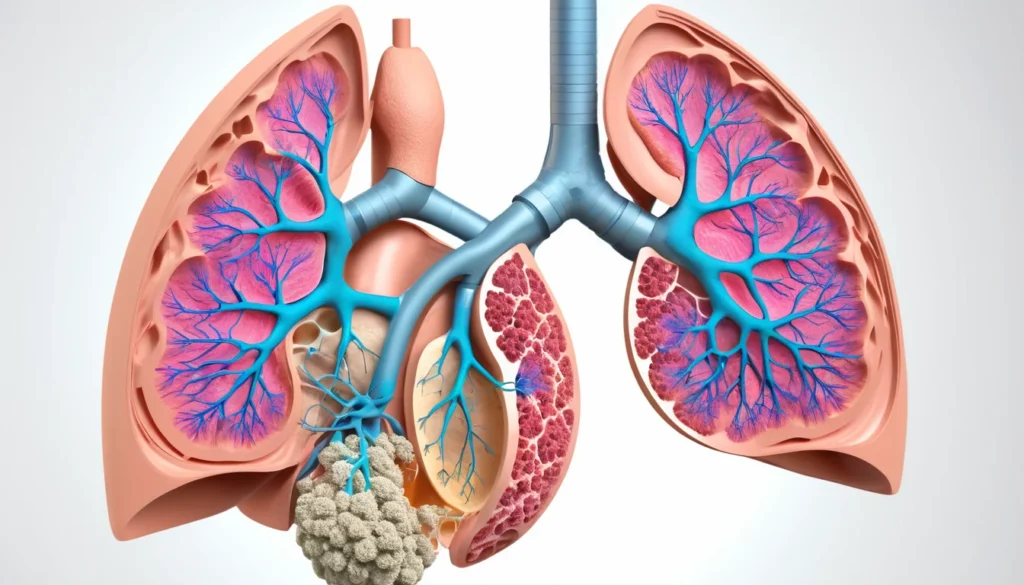
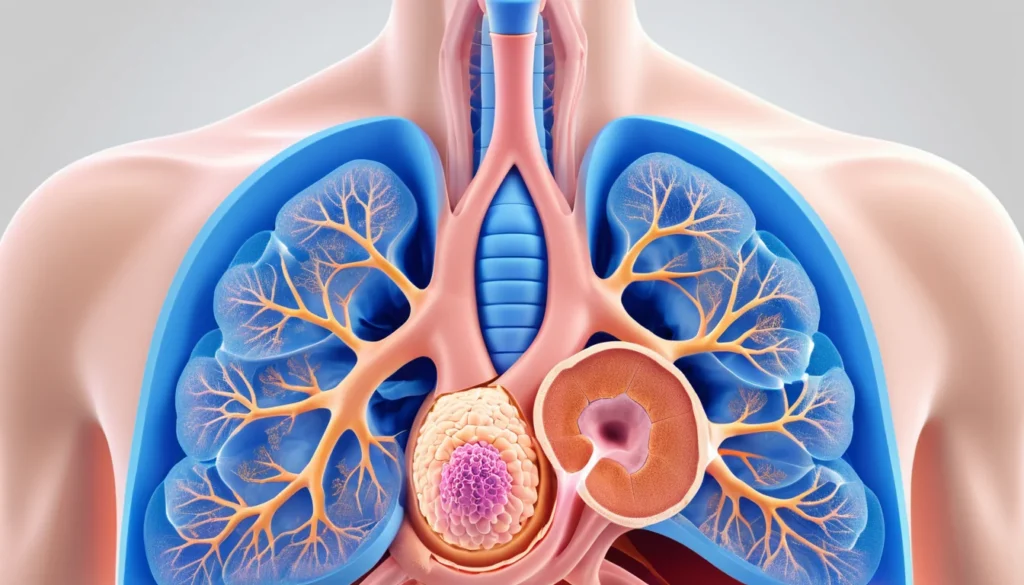
Pulmonary fibrosis causes scarring around and between the tiny air sacs (alveoli) in your lungs. This scarring makes it harder for oxygen to pass into your bloodstream. Over time, the lungs lose their ability to function normally.
In many cases, doctors cannot find a specific cause for the scarring. When no cause can be identified, the condition is called idiopathic pulmonary fibrosis. The word “idiopathic” simply means the cause is unknown. According to Health Canada, chronic lung diseases like pulmonary fibrosis are a growing concern for Canadians of all ages.
Unfortunately, the lung scarring caused by pulmonary fibrosis cannot be reversed. However, treatments can help slow the disease, ease symptoms, and improve quality of life. For some people, a lung transplant may also be an option.
Symptoms of Pulmonary Fibrosis
The symptoms of pulmonary fibrosis can vary widely from person to person. Some people develop severe symptoms quickly, while others experience a slow, gradual worsening over months or years.
Common signs and symptoms include:
Shortness of breath (dyspnea), especially during physical activity
A dry, persistent cough
Unexplained fatigue
Unexplained weight loss
Aching muscles and joints
Widening and rounding of the fingertips or toes (called “clubbing”)
Acute Worsening of Symptoms
Some people with pulmonary fibrosis experience a sudden and rapid worsening of their symptoms. This is called an acute exacerbation. It can involve severe shortness of breath that lasts from a few days to several weeks.
During an acute exacerbation, a person may need mechanical ventilation to help them breathe. Doctors may also prescribe antibiotics, corticosteroids, or other medications to manage the episode. If you or someone you know experiences a sudden and severe worsening of breathing, seek emergency medical care immediately.
Causes of Pulmonary Fibrosis
Pulmonary fibrosis can develop for a number of different reasons. The scarring is triggered when the lungs are repeatedly damaged or irritated over time. However, in most cases, the exact cause is never found.
Known causes and contributing factors include:
Occupational and environmental exposures: Long-term exposure to substances such as asbestos, silica dust, coal dust, or grain dust can damage lung tissue. People who work in mining, farming, or construction may face a higher risk.
Radiation therapy: Radiation treatment to the chest, often used for cancer, can lead to lung scarring months or years later.
Certain medications: Some drugs used for heart conditions, chemotherapy, and other illnesses can cause lung damage as a side effect.
Underlying medical conditions: Diseases such as rheumatoid arthritis, lupus, and scleroderma are sometimes linked to pulmonary fibrosis.
In addition, some people develop pulmonary fibrosis with no clear exposure or underlying illness. This is idiopathic pulmonary fibrosis, and it remains the most common form of the disease. For more information on lung health risks, visit the Mayo Clinic’s pulmonary fibrosis resource.
Risk Factors
Certain factors can increase your chance of developing pulmonary fibrosis. Understanding your personal risk can help you take action earlier.
Age and Sex
Pulmonary fibrosis is much more common in middle-aged and older adults. While it can affect younger people and even infants, this is rare. Idiopathic pulmonary fibrosis is also more likely to affect men than women.
Smoking
Smokers and former smokers develop pulmonary fibrosis at a significantly higher rate than non-smokers. If you smoke, quitting is one of the most important steps you can take to protect your lung health. Pulmonary fibrosis can also occur alongside emphysema in some patients.
Occupation and Environment
Working in environments with high levels of dust, chemicals, or other lung irritants raises your risk. This includes workers in construction, agriculture, and mining. If your job exposes you to these substances, speak with your employer about proper protective equipment.
Cancer Treatments and Genetics
Receiving radiation therapy to the chest or taking certain chemotherapy drugs can increase the risk of developing pulmonary fibrosis later on. Furthermore, some forms of pulmonary fibrosis run in families, suggesting that genetic factors may also play a role.
Possible Complications
Pulmonary fibrosis can lead to serious complications as the disease progresses. Being aware of these helps patients and families understand what to watch for.
Pulmonary hypertension: High blood pressure in the lungs develops when scar tissue compresses the small arteries, making it harder for blood to flow through. This condition can worsen over time and become life-threatening.
Right-sided heart failure (cor pulmonale): The right side of the heart must work harder to pump blood through the blocked lung arteries. Over time, this extra effort can cause the heart to fail.
Respiratory failure: This is often the final stage of serious lung disease. It occurs when blood oxygen levels fall dangerously low.
Lung cancer: Long-term pulmonary fibrosis also raises the risk of developing lung cancer.
Other lung complications: As the disease progresses, blood clots in the lungs, a collapsed lung, or lung infections can also develop.
How Is Pulmonary Fibrosis Diagnosed?
Diagnosing pulmonary fibrosis usually involves a combination of medical history, physical examination, and a series of tests. Your doctor will ask about your symptoms, family history, and any past exposure to dust, gases, or chemicals.
Tests and Procedures
Your doctor may order several tests to confirm a diagnosis of pulmonary fibrosis:
Chest X-ray: Provides a basic image of the lungs to look for abnormalities.
CT scan (computed tomography): Gives a more detailed picture of lung scarring and its extent.
Pulmonary function tests: Measure how well your lungs take in and release air.
Pulse oximetry: A simple test that measures the amount of oxygen in your blood.
Arterial blood gas test: Checks oxygen and carbon dioxide levels in the blood.
Echocardiogram: An ultrasound of the heart to check for pulmonary hypertension or heart complications.
Exercise stress test: Measures how your breathing and heart respond during physical activity.
Lung biopsy: A small tissue sample from the lung may be taken using bronchoscopy or surgery to confirm the diagnosis.
The Healthline guide on pulmonary fibrosis offers a helpful overview of what to expect during the diagnostic process.
Treatment Options for Pulmonary Fibrosis
There is currently no cure for pulmonary fibrosis, and the lung scarring it causes cannot be reversed. However, treatment can help manage symptoms and slow the progression of the disease.
Your doctor will assess the severity of your condition and tailor a treatment plan for you. Treatment options in Canada may include:
Medications
Newer medications such as pirfenidone and nintedanib have been approved in Canada to help slow the progression of idiopathic pulmonary fibrosis. These drugs do not cure the disease, but they can reduce the rate at which scarring worsens. Additional medications continue to be studied and developed.
Oxygen Therapy
Supplemental oxygen helps ease shortness of breath and improves your ability to stay active. Your provincial health plan may cover certain oxygen therapy costs if you qualify. Ask your doctor or specialist whether this option is right for you.
Pulmonary Rehabilitation
Pulmonary rehabilitation is a structured programme that combines exercise, education, and support. It helps people with chronic lung disease stay as active and independent as possible. Many hospitals and health centres across Canada offer these programmes.
Lung Transplant
For some people with advanced pulmonary fibrosis, a lung transplant may be the most appropriate option. Transplant eligibility is carefully assessed by a specialist team. This is typically considered when other treatments are no longer effective.
When to See a Doctor
If you notice persistent shortness of breath, a dry cough that will not go away, or unexplained fatigue, do not wait. Contact your family doctor or visit a walk-in clinic as soon as possible. Early diagnosis can make a meaningful difference in managing pulmonary fibrosis.
If you experience a sudden and severe worsening of breathing, call 911 or go to your nearest emergency department right away. Do not drive yourself. This could be an acute exacerbation and requires immediate medical attention.
If you do not have a family doctor, a walk-in clinic or your provincial health line (such as 811 in most provinces) can connect you with care. Always speak with a qualified healthcare professional before starting or changing any treatment.
Frequently Asked Questions About Pulmonary Fibrosis
What is the life expectancy for someone with pulmonary fibrosis?
Life expectancy with pulmonary fibrosis varies depending on the type and how quickly the disease progresses. Many people with idiopathic pulmonary fibrosis live three to five years after diagnosis, though some live longer with treatment and support. Speaking with your specialist about your individual situation is the best way to understand your outlook.
Is pulmonary fibrosis the same as COPD?
No, pulmonary fibrosis and COPD (chronic obstructive pulmonary disease) are different conditions. Pulmonary fibrosis involves scarring of the lung tissue, while COPD involves obstruction of the airways, often due to smoking. Both affect breathing, but they are diagnosed and treated differently.
Can pulmonary fibrosis be cured?
Currently, there is no cure for pulmonary fibrosis, and the lung scarring it causes is permanent. However, certain medications can slow the progression of the disease, and other treatments can help manage symptoms. A lung transplant may be an option for carefully selected patients with advanced disease.
What triggers pulmonary fibrosis?
Pulmonary fibrosis can be triggered by long-term exposure to harmful substances like asbestos or silica dust, certain medications, radiation therapy, or underlying autoimmune diseases. In many cases, no clear trigger is found, and the condition is called idiopathic pulmonary fibrosis. Smoking is also a known risk factor.
Is pulmonary fibrosis covered by provincial health plans in Canada?
Diagnosis and specialist care for pulmonary fibrosis are generally covered under provincial health plans across Canada. Some medications approved for idiopathic pulmonary fibrosis may also be covered through provincial drug benefit programmes, depending on your province and eligibility. Check with your provincial health authority or a social worker at your treatment centre for details.
What does pulmonary fibrosis feel like in the early stages?
In the early stages, pulmonary fibrosis often causes mild shortness of breath during physical activity and a dry, persistent cough. Many people mistake these early symptoms for aging or being out of shape, which can delay diagnosis. If these symptoms do not go away or get worse, see your family doctor for an evaluation.
Key Takeaways
Pulmonary fibrosis is a chronic lung disease caused by scarring of lung tissue that makes breathing progressively harder.
When no cause can be found, it is called idiopathic pulmonary fibrosis, which is the most common form.
Common symptoms include shortness of breath, a dry cough, fatigue, and unexplained weight loss.
Risk factors include smoking, older age, certain occupations, cancer treatments, and genetic history.
There is no cure, but medications, oxygen therapy, pulmonary rehabilitation, and in some cases lung transplant can help manage the disease.
Early diagnosis matters — see your family doctor or a walk-in clinic if you notice ongoing breathing problems.
Always consult a qualified healthcare professional for advice specific to your health situation.