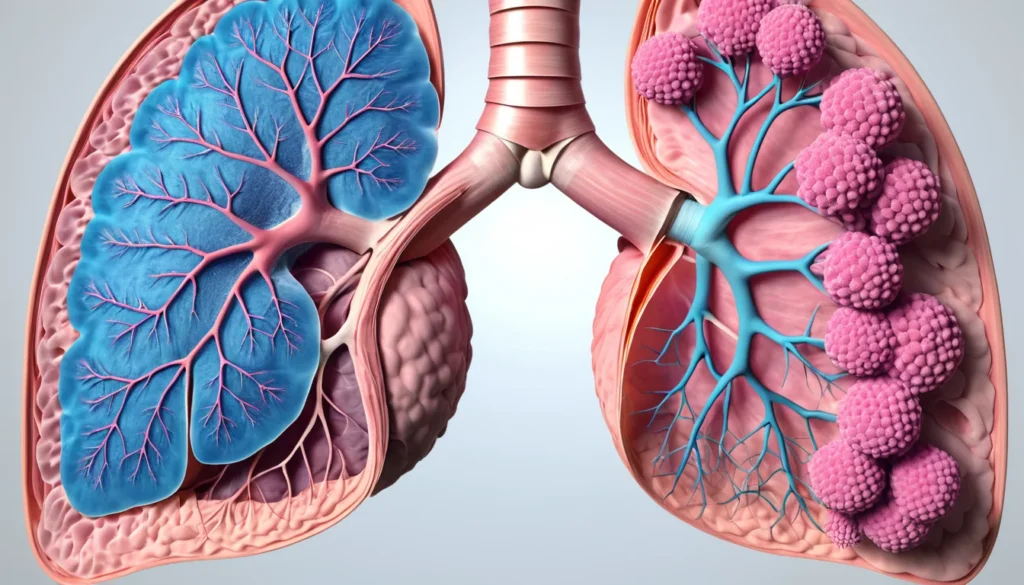
Pulmonary fibrosis is a serious lung condition where scar tissue builds up inside the lungs, making it harder to breathe over time. It falls under a broader group of conditions called interstitial lung disease. Understanding pulmonary fibrosis — its causes, symptoms, and treatment options — can help Canadians catch it earlier and get the right care through their family doctor or provincial health plan.
What Is Pulmonary Fibrosis?
“Fibrosis” is the medical word for scarring. Pulmonary fibrosis means scarring of the lung tissue. As scar tissue builds up, the lungs become stiff and less able to move oxygen into the bloodstream.
Healthy lungs are soft and stretchy, like small balloons that expand and contract with every breath. In pulmonary fibrosis, the tissue between the tiny air sacs hardens. As a result, the air sacs can no longer flex properly, and the body struggles to get enough oxygen.
This condition is also known as interstitial lung disease — an umbrella term for many types of chronic lung conditions that affect the tissue and space around the air sacs.
How the Lungs Work — and What Goes Wrong
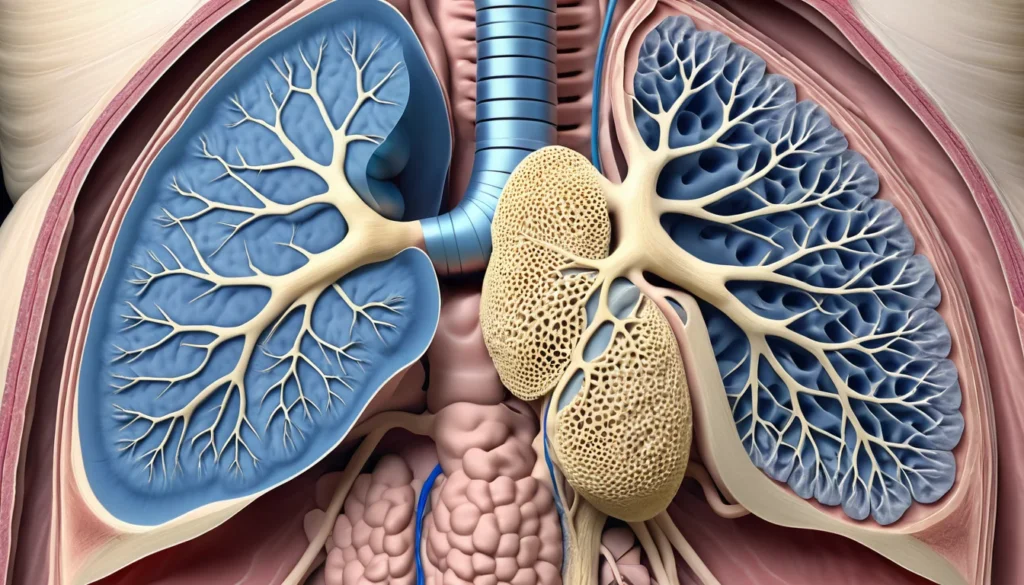
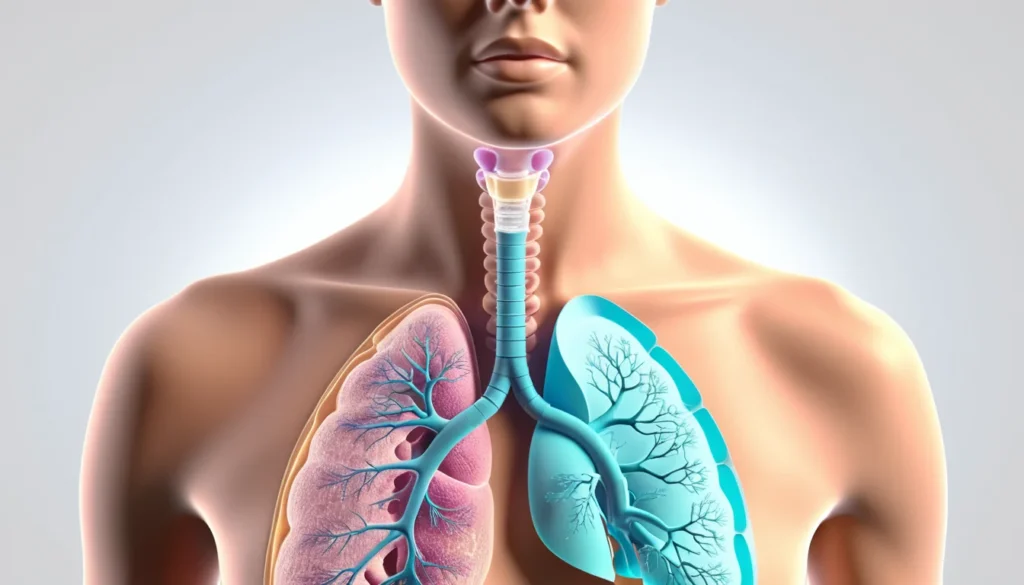
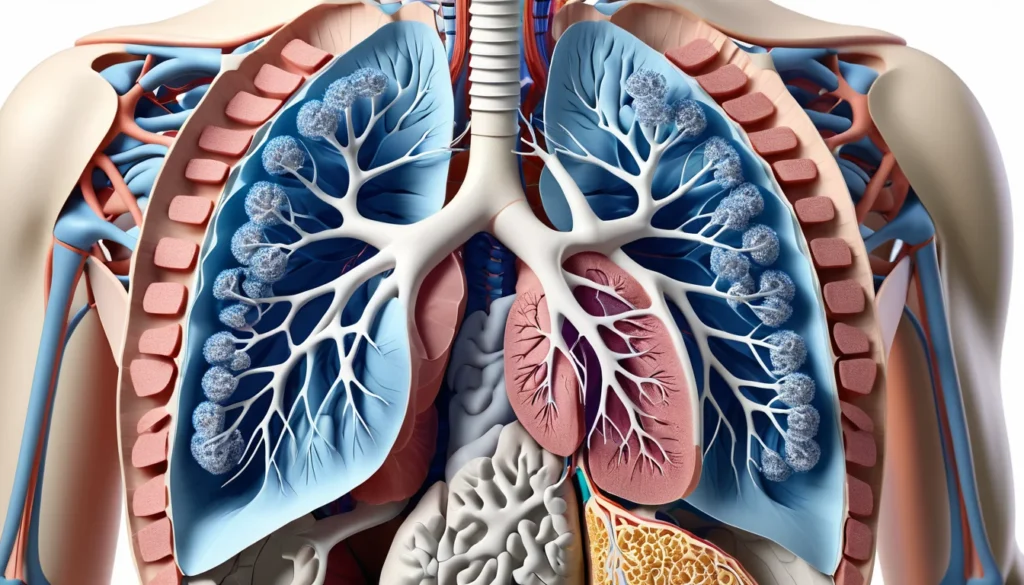
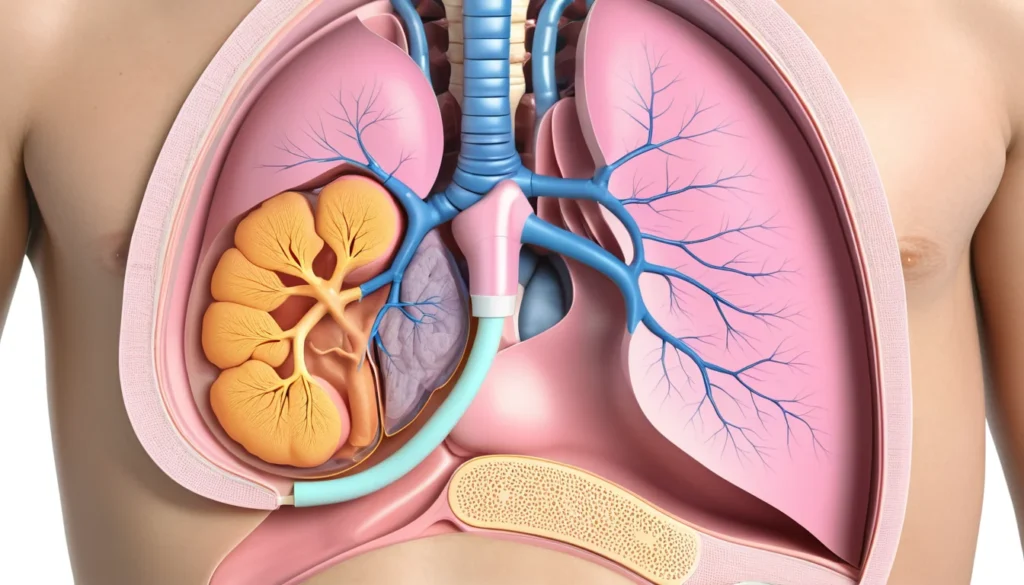
When you breathe in, air travels through the airways into your lungs. Inside the lungs, the airways branch out like a tree into millions of tiny passages called bronchioles. At the end of each bronchiole sit tiny air sacs called alveoli. Your lungs hold roughly 300 million of these alveoli.
The walls of the alveoli contain tiny blood vessels called capillaries. Oxygen passes through these walls into the blood, while carbon dioxide — a waste product — passes back out to be exhaled.
In pulmonary fibrosis, the alveoli become damaged and scar tissue forms in the interstitium — the thin walls and spaces between the air sacs. This scar tissue is thick and rigid. Therefore, the alveoli lose their flexibility and the lungs struggle to transfer oxygen into the bloodstream efficiently.
Normally, the body only produces scar tissue to heal an injury. However, in pulmonary fibrosis, this healing process goes into overdrive. The body keeps producing scar tissue even when there is no new injury to repair. Over time, scar tissue can also block the tiny blood vessels that carry oxygen and nutrients to the affected lung cells.
Common Causes of Pulmonary Fibrosis
Pulmonary fibrosis can develop for many different reasons. In some cases, doctors can identify a clear cause. In others, no cause is ever found.
Environmental and Occupational Factors
Long-term exposure to certain toxins and pollutants can damage lung tissue over time. For example, breathing in silica dust — common in mining, construction, and quarrying — can lead to a condition called silicosis. Asbestos fibres, once widely used in Canadian building materials, can cause asbestosis.
In addition, regular exposure to organic materials such as grain dust, sugarcane dust, and bird or animal droppings can also trigger lung fibrosis. Workers in farming, woodworking, or poultry industries may face a higher risk. If you work in one of these environments, speak with your family doctor about lung health monitoring.
Radiation Therapy
A small number of patients who receive radiation therapy for lung or breast cancer later develop pulmonary fibrosis. This can happen months or even years after treatment ends. The severity depends on how much radiation was used, how long the treatment lasted, and whether chemotherapy was given at the same time.
Medications
Certain medications can damage lung tissue as a side effect. These include some chemotherapy drugs such as methotrexate and cyclophosphamide, some heart rhythm medications, certain psychiatric medications, and some antibiotics such as nitrofurantoin. Always tell your doctor about all medications you take, including over-the-counter drugs and supplements.
Acid Reflux (GERD)
Gastroesophageal reflux disease (GERD) — commonly known as acid reflux — may play a role in pulmonary fibrosis. When stomach acid travels back up the esophagus, small amounts can be inhaled into the lungs. Interestingly, many people with pulmonary fibrosis have GERD but do not experience typical symptoms like heartburn.
Other Medical Conditions
Several other conditions can cause pulmonary fibrosis. These include serious lung infections such as tuberculosis and pneumonia, which can leave permanent scars. Furthermore, autoimmune conditions — diseases where the immune system attacks the body’s own tissues — are a known cause. These include systemic lupus erythematosus (lupus), rheumatoid arthritis, scleroderma, dermatomyositis, Sjögren’s syndrome, and sarcoidosis.
For more information on interstitial lung disease and its causes, visit the Mayo Clinic’s pulmonary fibrosis resource.
Idiopathic Pulmonary Fibrosis: When There Is No Known Cause
The list of substances and conditions that can cause pulmonary fibrosis is long. However, in many cases, doctors never find a cause. When no cause can be identified, the condition is called idiopathic pulmonary fibrosis (IPF). “Idiopathic” simply means “unknown cause.”
IPF does not respond well to most medical treatments, and the lung damage it causes is irreversible. However, some types of pulmonary fibrosis — such as nonspecific interstitial pneumonia — do respond to treatment that suppresses the immune system. This is why getting an accurate diagnosis is so important.
Researchers believe that in IPF, an abnormal wound-healing response causes the lungs to keep forming scar tissue. Health Canada recognizes pulmonary fibrosis as a serious chronic condition affecting Canadians of all backgrounds.
Symptoms of Pulmonary Fibrosis
Pulmonary fibrosis can be tricky to detect early. Symptoms often appear gradually and may seem like normal signs of aging or being out of shape. By the time most people seek help, the disease has already progressed significantly.
The most common symptoms of pulmonary fibrosis include:
Shortness of breath — especially during or after physical activity
Dry, persistent cough — that does not go away
Unexplained fatigue — feeling tired even after rest
Unexplained weight loss
Muscle and joint aches
Shortness of breath is often the first sign that something is wrong. At first, it may only happen during exercise. Over time, however, even simple daily activities — like getting dressed, talking on the phone, or eating — can leave a person breathless.
Unfortunately, by the time these symptoms appear, the lung damage is often already irreversible. Breathing problems tend to worsen progressively. Therefore, catching the condition early — before severe scarring occurs — gives the best chance of slowing its progression.
For a detailed overview of pulmonary fibrosis symptoms and how they progress, Healthline’s pulmonary fibrosis guide is a helpful resource.
When to See a Doctor
If you have a dry cough that will not go away, or you feel short of breath during activities that never used to bother you, it is time to talk to a healthcare provider. Do not wait for symptoms to become severe.
In Canada, you can start by booking an appointment with your family doctor. They can listen to your lungs, review your medical history, and refer you to a respirologist (a lung specialist) if needed. Most provincial health plans cover these referrals.
If you do not have a family doctor, a walk-in clinic is a good first step. Walk-in doctors can order initial tests such as chest X-rays or lung function tests and help determine if further investigation is needed.
Early diagnosis matters enormously with pulmonary fibrosis. The sooner scarring is identified, the sooner treatment can begin to slow its progression and protect your quality of life.
Always speak with a qualified healthcare professional before making any decisions about your health. This article is for informational purposes only and does not replace medical advice from your doctor.
Frequently Asked Questions About Pulmonary Fibrosis
Is pulmonary fibrosis the same as COPD?
No, pulmonary fibrosis and COPD (chronic obstructive pulmonary disease) are different conditions. Pulmonary fibrosis involves scarring of the lung tissue, while COPD involves damage to the airways and air sacs from irritants like smoke. Both affect breathing, but they have different causes, symptoms, and treatments.
Can pulmonary fibrosis be cured?
Currently, there is no cure for pulmonary fibrosis, and the lung scarring it causes is irreversible. However, certain medications and therapies can help slow the progression of the disease and improve quality of life. Your doctor can discuss the best treatment plan for your specific situation.
What is idiopathic pulmonary fibrosis?
Idiopathic pulmonary fibrosis (IPF) is a type of pulmonary fibrosis where doctors cannot identify a specific cause. It is a progressive and serious condition that does not respond well to most treatments. IPF tends to worsen over time, which is why early diagnosis and monitoring are so important.
Who is most at risk for pulmonary fibrosis?
Pulmonary fibrosis is more common in people over the age of 50 and affects men slightly more often than women. Risk factors include smoking, long-term exposure to dust or chemicals at work, certain autoimmune diseases, and a family history of the condition. People who have received radiation therapy for chest-area cancers also carry a higher risk.
How is pulmonary fibrosis diagnosed in Canada?
In Canada, a family doctor or walk-in clinic physician will typically start with a physical exam, chest X-ray, and lung function tests if pulmonary fibrosis is suspected. You may then be referred to a respirologist for a high-resolution CT scan or, in some cases, a lung biopsy. Most of these diagnostic steps are covered under provincial health plans.
Can lifestyle changes help with pulmonary fibrosis?
While lifestyle changes cannot reverse pulmonary fibrosis, they can help manage symptoms and slow progression. Quitting smoking is the single most important step. Staying active with gentle exercise, eating a nutritious diet, and avoiding lung irritants like dust and fumes can all support better breathing and overall lung health.
Key Takeaways
Pulmonary fibrosis is a condition where scar tissue builds up in the lungs, making breathing progressively more difficult.
It belongs to a group of conditions called interstitial lung disease.
Common causes include environmental exposures (asbestos, silica dust), radiation therapy, certain medications, acid reflux, and autoimmune diseases.
When no cause is found, the condition is called idiopathic pulmonary fibrosis (IPF).
Key symptoms include a persistent dry cough, shortness of breath, fatigue, and unexplained weight loss.
Lung damage from pulmonary fibrosis is irreversible, so early diagnosis is critical.
Canadians should start with their family doctor or a walk-in clinic if they notice ongoing respiratory symptoms.
There is no cure, but treatments exist to slow progression and improve quality of life.
Always consult your doctor before making any health decisions — your provincial health plan can help connect you with the right specialists.