Pulmonary fibrosis is a serious lung condition where scar tissue builds up inside the lungs, making it harder to breathe over time. It affects thousands of Canadians every year, and while some cases have a clear cause, others do not. In this article, we explain what pulmonary fibrosis is, what causes it, how it is diagnosed, and what treatment options are available through the Canadian healthcare system.
What Is Pulmonary Fibrosis?
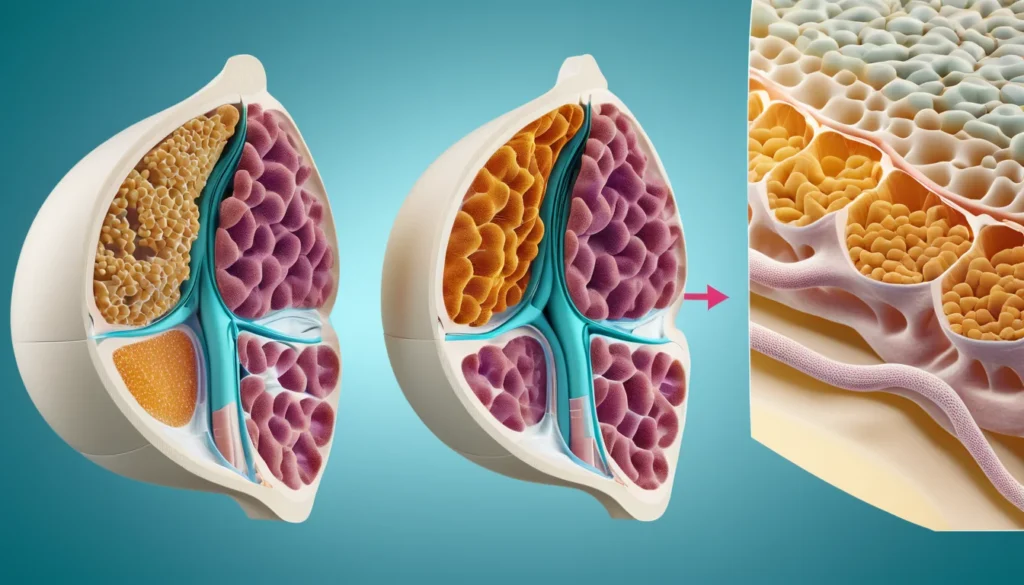
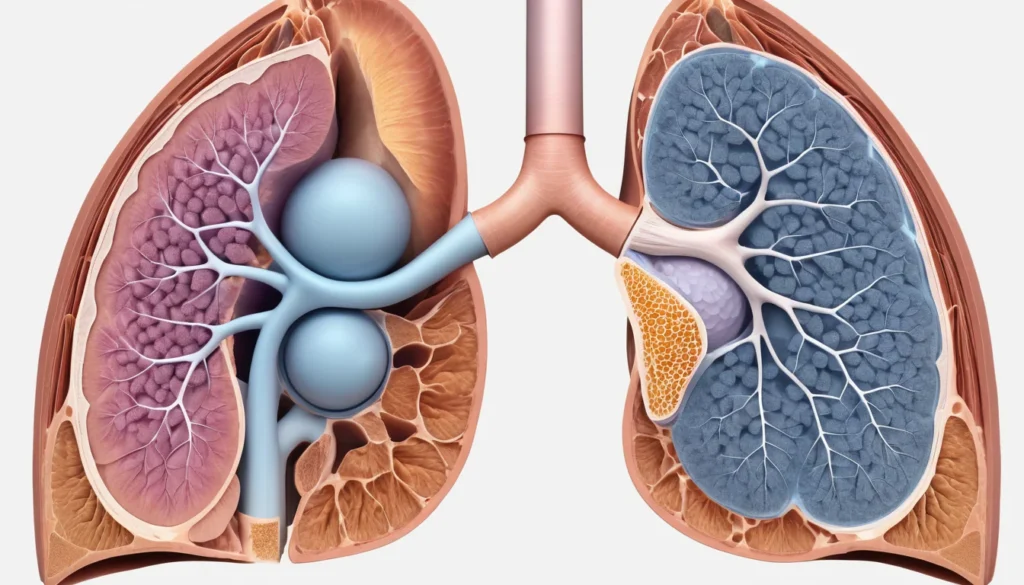
Pulmonary fibrosis happens when the lung tissue becomes thick, stiff, and scarred. Healthy lung tissue is soft and flexible, allowing your lungs to expand and contract with each breath. When scarring occurs, the lungs lose that flexibility.
As a result, less oxygen passes from your lungs into your bloodstream. This means your heart and muscles do not get the oxygen they need. Over time, this leads to increasing shortness of breath and reduced quality of life.
The word “fibrosis” simply means scarring. “Pulmonary” refers to the lungs. Therefore, pulmonary fibrosis literally means scarring of the lungs. This scarring is permanent and tends to get worse over time, which is why early diagnosis is so important.
How Common Is It in Canada?
Pulmonary fibrosis is more common than many people realise. According to the Health Canada respiratory health framework, chronic lung diseases represent a growing burden on the Canadian healthcare system. Pulmonary fibrosis can affect people of any age, but it is most often diagnosed in adults over 50.
Men are diagnosed slightly more often than women. However, pulmonary fibrosis can affect anyone, regardless of age or background. Awareness is growing, and more Canadians are getting diagnosed earlier thanks to better imaging technology and increased access to specialists.
Types of Pulmonary Fibrosis
Not all cases of pulmonary fibrosis are the same. Doctors generally divide the condition into two broad categories: fibrosis with a known cause and fibrosis without a known cause.
Pulmonary Fibrosis With a Known Cause
In some cases, doctors can identify exactly what triggered the lung scarring. Common known causes include long-term exposure to harmful substances in the environment or workplace. For example, miners, farmers, and construction workers face a higher risk due to inhaling dust, silica, or asbestos over many years.
Certain medications can also cause lung scarring as a side effect. These include some chemotherapy drugs, heart medications, and antibiotics. In addition, some autoimmune conditions — where the body’s immune system attacks its own tissues — can lead to pulmonary fibrosis. Conditions like rheumatoid arthritis and lupus are examples.
Repeated lung infections and exposure to organic particles, such as mould or bird droppings, can also trigger scarring. This type is sometimes called hypersensitivity pneumonitis. Fortunately, removing the source of exposure can slow or stop further damage in some of these cases.
Idiopathic Pulmonary Fibrosis
When doctors cannot find a clear cause, the condition is called idiopathic pulmonary fibrosis, or IPF. “Idiopathic” is a medical term that simply means the cause is unknown. IPF is actually the most common form of pulmonary fibrosis.
Researchers believe that genetics, ageing, and environmental factors all play a role in IPF. However, no single trigger has been identified. This makes IPF particularly challenging to prevent and treat. According to the Mayo Clinic’s overview of idiopathic pulmonary fibrosis, the condition tends to progress steadily in most patients, though the rate of progression varies from person to person.
Recognising the Symptoms of Pulmonary Fibrosis
The symptoms of pulmonary fibrosis develop slowly in most cases. Many people do not notice anything unusual at first. However, as the scarring worsens, symptoms become harder to ignore.
The most common symptom is a dry, persistent cough that does not go away. Shortness of breath during physical activity is another early warning sign. At first, you might only notice it during exercise. Over time, even simple tasks like climbing stairs or walking to the mailbox can become difficult.
Other Symptoms to Watch For
Beyond coughing and breathlessness, pulmonary fibrosis can cause a range of other symptoms. These include:
Unexplained fatigue and tiredness
Aching muscles and joints
Unexplained weight loss
Clubbing of the fingers or toes (a rounding and widening of the fingertips)
A crackling sound in the lungs, sometimes described as walking on dry leaves
That crackling sound — called “crackles” or “rales” by doctors — is one of the key signs a doctor listens for with a stethoscope. If your family doctor hears this sound during a routine check-up, they will likely refer you for further testing. It is important not to dismiss these symptoms as simply “getting older” or “being out of shape.”
How Is Pulmonary Fibrosis Diagnosed?
Diagnosing pulmonary fibrosis involves several steps. Your family doctor or a walk-in clinic physician will first review your symptoms and medical history. They will ask about your occupation, any medications you take, and whether you have a family history of lung disease.
After this initial assessment, your doctor will likely order some tests. These help confirm the diagnosis and rule out other conditions that can cause similar symptoms, such as asthma, chronic obstructive pulmonary disease (COPD), or heart failure.
Common Diagnostic Tests
The most important diagnostic tool for pulmonary fibrosis is a high-resolution CT scan of the chest. This detailed imaging test can show the pattern and extent of scarring in the lungs. In many cases, the CT scan alone provides enough information for a diagnosis.
Pulmonary function tests (PFTs) measure how well your lungs work. They check how much air your lungs can hold and how efficiently oxygen moves into your blood. A six-minute walk test may also be done to see how your oxygen levels change during mild physical activity.
In some cases, a lung biopsy may be needed. This involves taking a small sample of lung tissue for analysis in a laboratory. However, many patients can be diagnosed without a biopsy, thanks to advances in imaging technology. Your specialist will discuss the best approach for your situation.
Treatment Options for Pulmonary Fibrosis
There is currently no cure for pulmonary fibrosis. However, treatment can slow the progression of the disease, manage symptoms, and improve quality of life. The right treatment plan depends on the type and severity of your condition.
Medications
For idiopathic pulmonary fibrosis, two antifibrotic drugs — nintedanib and pirfenidone — are approved in Canada and have been shown to slow the rate of scarring. These medications do not reverse existing damage, but they can help preserve lung function for longer.
Corticosteroids, such as prednisone, are often used when pulmonary fibrosis has a known inflammatory cause. They help reduce the immune system’s activity and can slow damage in some cases. Immunosuppressant drugs may also be prescribed alongside corticosteroids for certain patients.
It is important to follow your doctor’s guidance carefully with these medications. Some have significant side effects with long-term use. Your specialist will monitor you closely and adjust your treatment as needed.
Oxygen Therapy
As pulmonary fibrosis advances, the lungs struggle to supply enough oxygen to the body. In these cases, supplemental oxygen therapy may be recommended. Oxygen can be delivered through a mask or small tubes placed under the nose (called a nasal cannula).
Oxygen therapy does not slow the disease, but it does ease breathlessness and improve energy levels. Many Canadians use portable oxygen concentrators that allow them to remain active and independent. Coverage for oxygen therapy equipment varies by province, so it is worth checking with your provincial health plan.
Pulmonary Rehabilitation
Pulmonary rehabilitation is a supervised programme that combines exercise, education, and breathing techniques. It is designed to help people with chronic lung conditions manage their symptoms and stay as active as possible. Many hospitals and health centres across Canada offer pulmonary rehabilitation programmes.
Furthermore, this type of programme helps patients understand their condition better. Learning breathing techniques and pacing strategies can make a real difference in day-to-day life. Ask your family doctor for a referral to a programme near you.
Lung Transplant
In severe cases, a lung transplant may be considered. This option is reserved for patients whose lung function has declined significantly and who are otherwise in good enough health to undergo major surgery. Lung transplants can dramatically improve quality of life and survival in carefully selected patients.
However, transplants are complex and involve long waiting lists. They also require lifelong use of anti-rejection medications. Your specialist will discuss whether transplantation is a realistic option for you based on your overall health and disease progression.
Living With Pulmonary Fibrosis
A diagnosis of pulmonary fibrosis is life-changing. However, many Canadians live meaningful, active lives for years after diagnosis with the right support and management plan. Making healthy lifestyle choices can help you feel better and protect your remaining lung function.
Quitting smoking is one of the most important steps you can take. Smoking speeds up lung damage and makes breathing much harder. If you need help quitting, your provincial health plan may cover nicotine replacement therapy or smoking cessation programmes. Your family doctor can point you in the right direction.
Staying active within your limits is also important. Light walking, swimming, or chair-based exercises can help maintain muscle strength and improve mood. In addition, eating a balanced diet rich in fibre, vegetables, and lean protein supports your overall health and energy levels.
Emotional wellbeing matters too. Living with a chronic lung condition can cause anxiety and depression. Connecting with support groups — many of which are available online across Canada — can help you feel less alone. According to Healthline’s guide to pulmonary fibrosis, mental health support is a key but often overlooked part of managing the condition effectively.
When to See a Doctor
You should see your family doctor if you have a dry cough that has lasted more than a few weeks and has no clear cause. Shortness of breath during activities that used to feel easy is another reason to book an appointment promptly.
If you do not have a family doctor, a walk-in clinic can assess your symptoms and refer you for further testing if needed. Do not wait for symptoms to become severe before seeking help. Earlier diagnosis gives you more treatment options and a better chance of slowing the disease.
Call 911 or go to your nearest emergency department if you experience sudden and severe difficulty breathing, bluish lips or fingertips, or chest pain. These are signs that require immediate medical attention.
Always consult a qualified healthcare provider before starting, stopping, or changing any treatment for pulmonary fibrosis. Every patient is different, and what works for one person may not be right for another. Your doctor is your best guide.
Frequently Asked Questions About Pulmonary Fibrosis
Is pulmonary fibrosis the same as COPD?
No, pulmonary fibrosis and COPD are different lung conditions. Pulmonary fibrosis involves scarring of the lung tissue, while COPD involves damage to the airways and air sacs. Both cause breathing problems, but they have different causes, appearances on scans, and treatment approaches.
Can pulmonary fibrosis be reversed?
Unfortunately, the scarring caused by pulmonary fibrosis cannot be reversed with current treatments. However, certain medications can slow the progression of the disease and help preserve lung function for longer. Early diagnosis and treatment give you the best chance of managing pulmonary fibrosis effectively.
What is the life expectancy for someone with pulmonary fibrosis?
Life expectancy with pulmonary fibrosis varies widely depending on the type, severity, and how early it is diagnosed. Some people live for many years after diagnosis, especially with newer antifibrotic medications. Your specialist can give you a better sense of your individual outlook based on your specific situation.
Is pulmonary fibrosis hereditary?
In some cases, pulmonary fibrosis does run in families, which suggests a genetic component. This is known as familial pulmonary fibrosis. However, most cases are not clearly linked to a single inherited gene, and having a family member with the condition does not mean you will definitely develop it.
Does pulmonary fibrosis qualify for disability benefits in Canada?
Pulmonary fibrosis can qualify for disability benefits in Canada if it significantly limits your ability to work. You may be eligible through the Canada Pension Plan Disability Benefit or through your provincial programme. Speak with your doctor about getting the medical documentation needed to support your application.
What foods should I avoid if I have pulmonary fibrosis?
There is no specific diet for pulmonary fibrosis, but eating well supports your overall health and energy levels. Many specialists recommend reducing processed foods, excess salt, and foods that cause bloating, as a full stomach can press against the diaphragm and make breathing harder. A diet rich in fibre, fruits, vegetables, and lean protein is generally a good choice.
Key Takeaways
Pulmonary fibrosis is a chronic lung disease where scar tissue builds up, making breathing progressively harder. It can be caused by toxic substances, medications, infections, or autoimmune conditions — or it may have no known cause (idiopathic pulmonary fibrosis). Key symptoms include a persistent dry cough, shortness of breath, fatigue, and crackling sounds in the lungs. Diagnosis involves CT scans, lung function tests, and sometimes a lung biopsy.