Pulmonary emphysema is a serious, long-term lung condition that slowly destroys the tiny air sacs deep inside your lungs. Over time, this damage makes it harder and harder to breathe. In Canada, emphysema is one of the leading causes of chronic breathing problems, often linked to smoking and long-term exposure to airborne irritants. This article explains what pulmonary emphysema is, what causes it, how to recognize the symptoms, and what treatment options are available to Canadians.
What Is Pulmonary Emphysema?
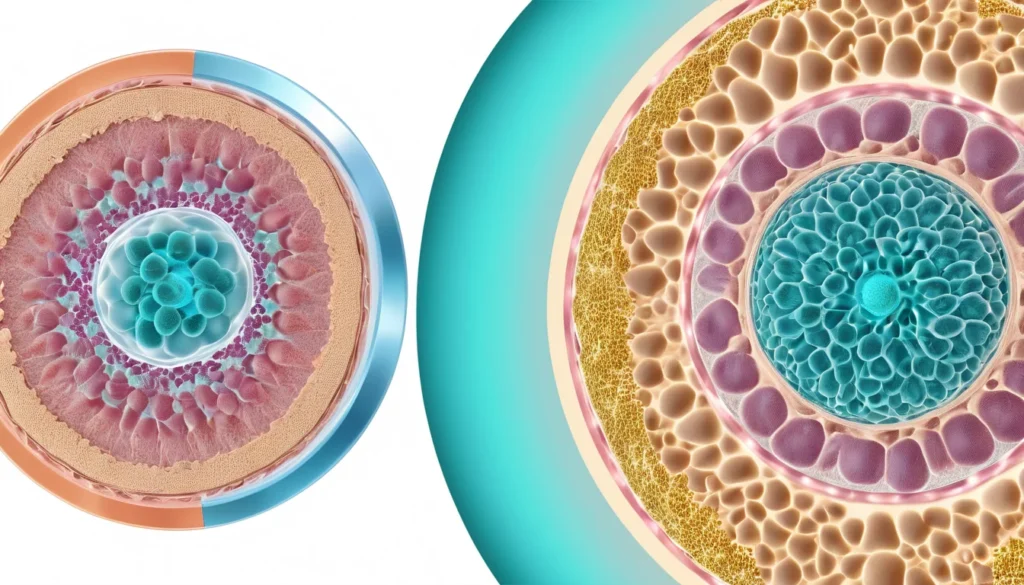
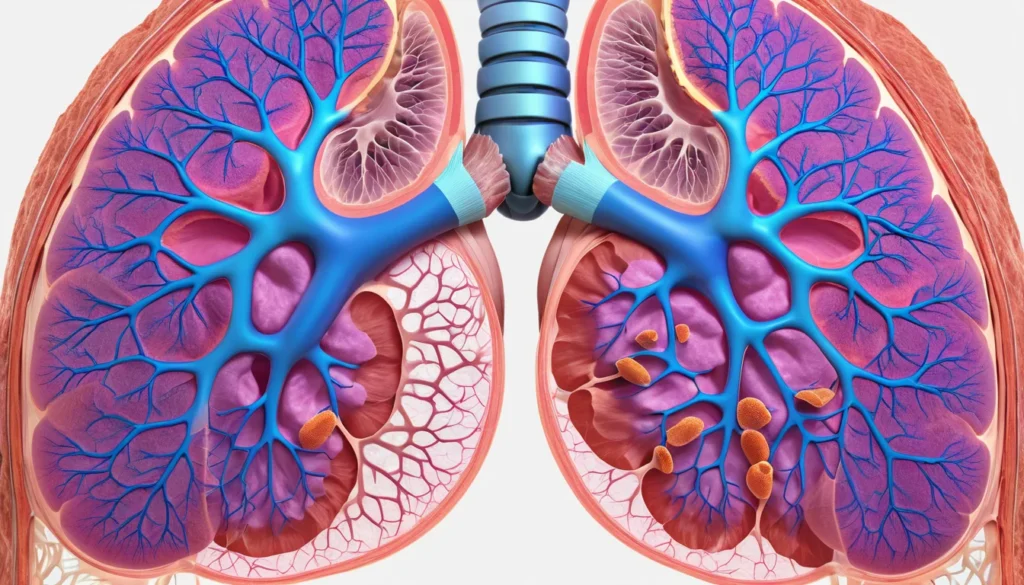
Your lungs contain millions of tiny air sacs called alveoli. These sacs expand and contract with every breath, allowing oxygen to enter your blood and carbon dioxide to leave. In pulmonary emphysema, the walls of these air sacs become damaged and break down.
As a result, the alveoli lose their shape and elasticity. Instead of many small, efficient sacs, you are left with fewer, larger, less effective ones. Your lungs can no longer move air in and out properly, which means your body gets less oxygen with every breath.
Emphysema is closely related to chronic obstructive pulmonary disease (COPD), a broader term for lung conditions that block airflow. In fact, emphysema is one of the two main conditions that make up COPD, the other being chronic bronchitis. According to Health Canada, COPD affects hundreds of thousands of Canadians and is a leading cause of hospitalization.
Common Causes of Pulmonary Emphysema
The causes of pulmonary emphysema are not always fully understood. However, researchers and doctors have identified several key risk factors that make a person more likely to develop this condition.
Smoking
Smoking is by far the most common cause of pulmonary emphysema. Cigarette smoke contains thousands of harmful chemicals that irritate and inflame the airways. Over time, this ongoing inflammation destroys the delicate walls of the alveoli.
The longer a person smokes, and the more they smoke, the greater their risk. However, even secondhand smoke exposure can cause damage over many years. Quitting smoking is the single most important step a person with emphysema can take.
Age and Genetic Factors
Age is another important factor. The lungs naturally lose some elasticity as we get older, which can contribute to the development of emphysema. Most people are diagnosed after the age of 40.
However, a rare inherited condition called alpha-1 antitrypsin deficiency can cause emphysema in younger adults, sometimes in their 30s or 40s. This condition involves an imbalance of enzymes in the lungs, which allows harmful proteins to destroy lung tissue. If you have a family history of early lung disease, speak with your family doctor about genetic testing.
Occupational and Environmental Exposure
Pulmonary emphysema can also develop as a result of long-term exposure to workplace dusts and chemicals. Workers in mining, construction, and manufacturing are at higher risk. For example, silica dust exposure — a condition known as silicosis — can lead to emphysema over time.
Air pollution is another contributing factor. People who live in areas with high levels of air pollution, including fine particulate matter, face an elevated risk of chronic lung damage. This is particularly relevant for Canadians living near industrial zones or heavily trafficked urban areas.
Chronic Bronchitis as a Related Cause
A specific form of emphysema, called centrilobular emphysema, often develops as a complication of chronic bronchitis. Chronic bronchitis itself is most commonly caused by heavy, long-term smoking. In this form, the damage is concentrated in the central part of the lung’s small airways.
Furthermore, past lung infections such as tuberculosis and certain occupational lung diseases (known as pneumoconioses) can also lead to emphysema. Therefore, treating lung infections promptly and thoroughly is an important preventive step.
Recognizing the Symptoms of Pulmonary Emphysema
One of the challenges with pulmonary emphysema is that symptoms often develop slowly. Many people do not notice them until significant lung damage has already occurred. Knowing what to look for can help you seek treatment sooner.
Shortness of Breath
The most common and noticeable symptom of pulmonary emphysema is shortness of breath, also called dyspnea. At first, you might only feel breathless during physical activity. Over time, even simple tasks like getting dressed or walking to the kitchen can leave you winded.
This happens because your damaged lungs cannot move enough air efficiently. As a result, your body constantly feels like it is not getting enough oxygen.
Chronic Cough and Wheezing
Many people with emphysema develop a persistent cough. This cough may or may not produce mucus. Wheezing — a high-pitched whistling sound when breathing — is also common, especially when exhaling.
These symptoms are often mistaken for a bad cold or seasonal allergies. However, if they last longer than a few weeks or keep coming back, they deserve medical attention.
Other Symptoms to Watch For
As pulmonary emphysema progresses, other symptoms may appear. These can include:
Fatigue and low energy, even with minimal activity
Unintended weight loss
A barrel-shaped chest (the chest becomes rounded as the lungs trap air)
Frequent respiratory infections such as bronchitis or pneumonia
Bluish tint to the lips or fingernails (called cyanosis), which signals low oxygen levels
If emphysema is left untreated, it can eventually lead to chronic respiratory failure. In serious cases, the strain on the lungs also puts stress on the heart, potentially leading to a condition called cor pulmonale (right-sided heart failure). For more information on how lung disease affects the heart, visit the Mayo Clinic’s guide on pulmonary emphysema.
How Is Pulmonary Emphysema Diagnosed?
If your doctor suspects pulmonary emphysema, they will start with a full review of your medical history and a physical exam. They will ask about your smoking history, your occupation, and any family history of lung disease.
Breathing Tests and Imaging
The most important diagnostic tool is a spirometry test, which measures how much air you can breathe in and out and how fast. This simple, non-invasive test is widely available at most Canadian respiratory clinics and hospitals.
Your doctor may also order a chest X-ray or a CT scan. These imaging tests can reveal the characteristic signs of emphysema, such as enlarged air spaces and flattened diaphragm. Blood tests may also be done to check oxygen and carbon dioxide levels, as well as to screen for alpha-1 antitrypsin deficiency.
Treatment Options for Pulmonary Emphysema
There is currently no cure for pulmonary emphysema. However, the right treatment plan can slow the disease’s progression, relieve symptoms, and improve your quality of life significantly. Treatment is most effective when started early.
Stopping Smoking
If you smoke, stopping is the most critical step in treating pulmonary emphysema. Quitting smoking will not reverse existing lung damage, but it will slow the disease from getting worse. Your family doctor can connect you with free smoking cessation programmes available through your provincial health plan.
Most provinces offer free nicotine replacement therapies and prescription medications to help people quit. Ask your doctor or pharmacist what is covered under your provincial formulary.
Medications
Several types of medication help manage the symptoms of pulmonary emphysema. The most commonly used are bronchodilators, which relax the muscles around your airways and help them stay open. These are typically delivered through an inhaler.
Two main categories of bronchodilators are used:
Beta-2 agonists (such as salbutamol): These act quickly to relieve sudden breathlessness.
Theophyllines: These are oral medications that help keep the airways open over a longer period.
In addition, inhaled corticosteroids may be prescribed to reduce airway inflammation. Your doctor may also recommend antibiotics at the first sign of a chest infection, since respiratory infections can cause rapid worsening of emphysema symptoms.
Oxygen Therapy
In more advanced cases of pulmonary emphysema, daily oxygen therapy may be recommended. This involves breathing in extra oxygen through a mask or nasal prongs, usually at home. Oxygen therapy can improve energy levels, reduce breathlessness, and protect the heart from the strain caused by low oxygen levels.
Many provincial health plans in Canada provide coverage for home oxygen therapy for eligible patients. Talk to your family doctor or respirologist to find out if you qualify.
Pulmonary Rehabilitation
Pulmonary rehabilitation is a structured programme that combines exercise, education, and breathing techniques. It is one of the most effective non-medication treatments available for pulmonary emphysema. Respiratory physiotherapy — called kinesiotherapy in some clinical settings — teaches patients specific breathing exercises that strengthen the breathing muscles and improve lung efficiency.
These programmes are available through many Canadian hospitals and community health centres. Your family doctor or respirologist can provide a referral. According to the World Health Organization’s COPD fact sheet, pulmonary rehabilitation significantly reduces hospital readmissions and improves quality of life for patients with chronic lung disease.
Surgical Options
In some cases, surgery may be considered for patients with severe pulmonary emphysema. Options include:
Lung volume reduction surgery (LVRS): Removes the most damaged parts of the lung to allow the healthier tissue to work more effectively.
Bullectomy: Removes large air pockets (called bullae) that have formed in the damaged lung tissue.
Lung transplant: Reserved for the most severe cases where other treatments have not worked.
Surgery carries significant risks and is not suitable for everyone. Your specialist will help determine if you are a candidate based on your overall health and the extent of your lung damage.
When to See a Doctor
You should speak with your family doctor if you notice any ongoing shortness of breath, a persistent cough, or frequent chest infections. Do not wait for symptoms to become severe before seeking help. Early diagnosis gives you the best chance of slowing the disease.
If you do not have a family doctor, a walk-in clinic can assess your symptoms and refer you for lung function tests. Many walk-in clinics across Canada can order chest X-rays and spirometry tests on the same visit.
Seek emergency care immediately if you experience sudden, severe shortness of breath, chest pain, or a bluish colour to your lips or fingernails. These are signs of a serious complication that needs urgent attention.
As always, the information in this article is for general educational purposes only. Please consult a qualified healthcare provider for advice tailored to your personal health situation.
Frequently Asked Questions About Pulmonary Emphysema
Can pulmonary emphysema be reversed?
Unfortunately, pulmonary emphysema cannot be fully reversed because the damage to the air sacs in the lungs is permanent. However, treatment can slow the progression of the disease and greatly improve quality of life. Quitting smoking is the most effective way to prevent further lung damage.
Is pulmonary emphysema the same as COPD?
Pulmonary emphysema is one of the two main conditions that make up COPD (chronic obstructive pulmonary disease), the other being chronic bronchitis. A person can have emphysema, chronic bronchitis, or both at the same time. Your doctor may use the term COPD as an umbrella diagnosis to cover both conditions.
What is the life expectancy for someone with pulmonary emphysema?
Life expectancy with pulmonary emphysema varies widely depending on how severe the disease is when diagnosed, whether the person quits smoking, and how well they manage their condition. Many people with mild to moderate emphysema live for many years with a good quality of life. Early diagnosis and consistent treatment make a significant difference in outcomes.
What are the early warning signs of pulmonary emphysema?
The earliest sign of pulmonary emphysema is usually shortness of breath during physical activity, which many people dismiss as simply being out of shape. A persistent cough, mild wheezing, and feeling tired more easily than usual are also early warning signs. If these symptoms last more than a few weeks, it is worth speaking to your family doctor or visiting a walk-in clinic.
Can you get pulmonary emphysema if you have never smoked?
Yes, it is possible to develop pulmonary emphysema without ever smoking. Long-term exposure to secondhand smoke, air pollution, or workplace dusts like silica can cause the condition. A rare inherited disorder called alpha-1 antitrypsin deficiency is another cause of emphysema in non-smokers, especially in younger adults.
Does provincial health insurance in Canada cover emphysema treatment?
Most core treatments for pulmonary emphysema, including doctor visits, spirometry testing, hospital care, and specialist referrals, are covered by provincial health plans across Canada. Coverage for medications, home oxygen therapy, and pulmonary rehabilitation programmes varies by province. Ask your family doctor what is available and covered under your specific provincial plan.
Key Takeaways
Pulmonary emphysema is a