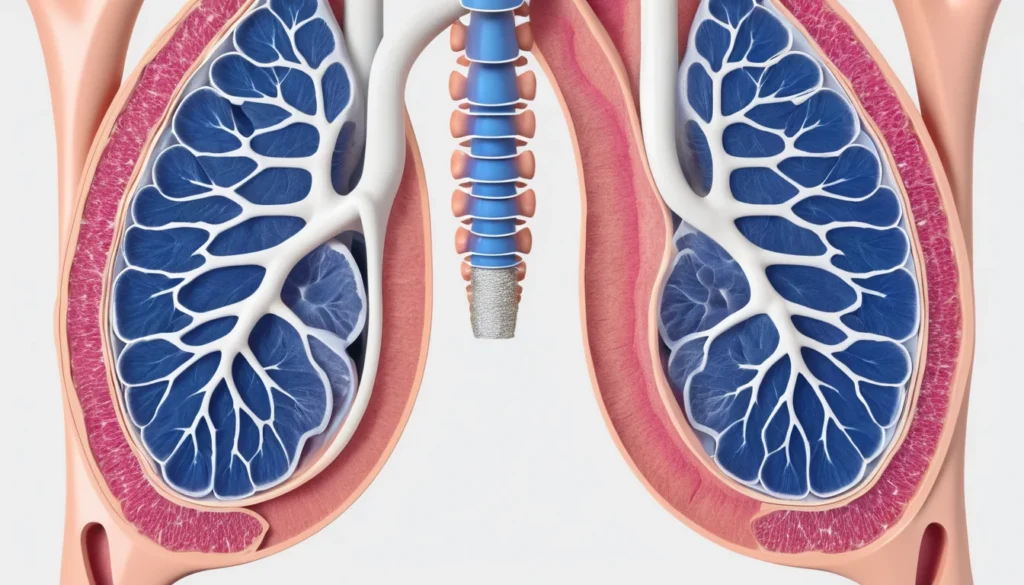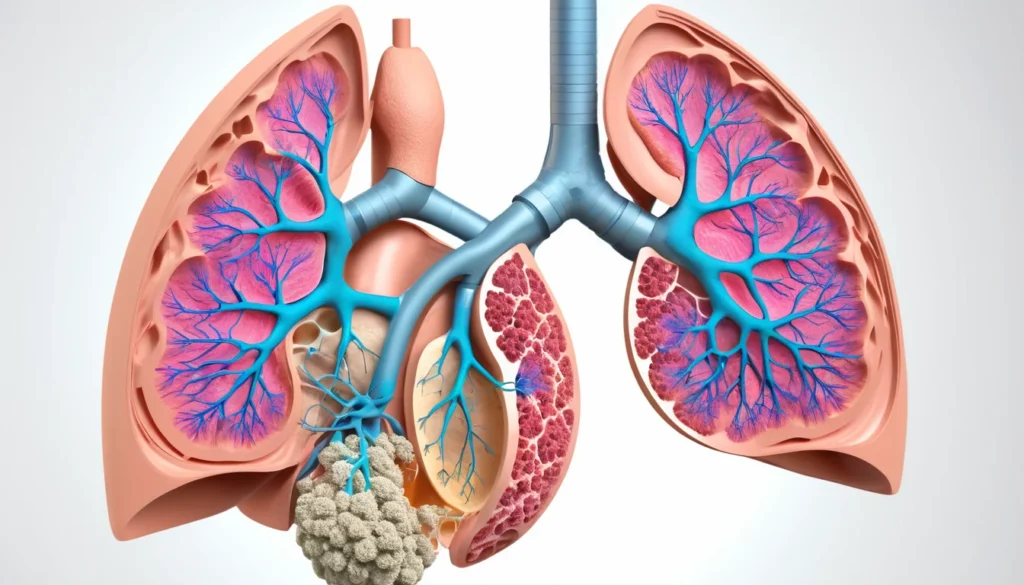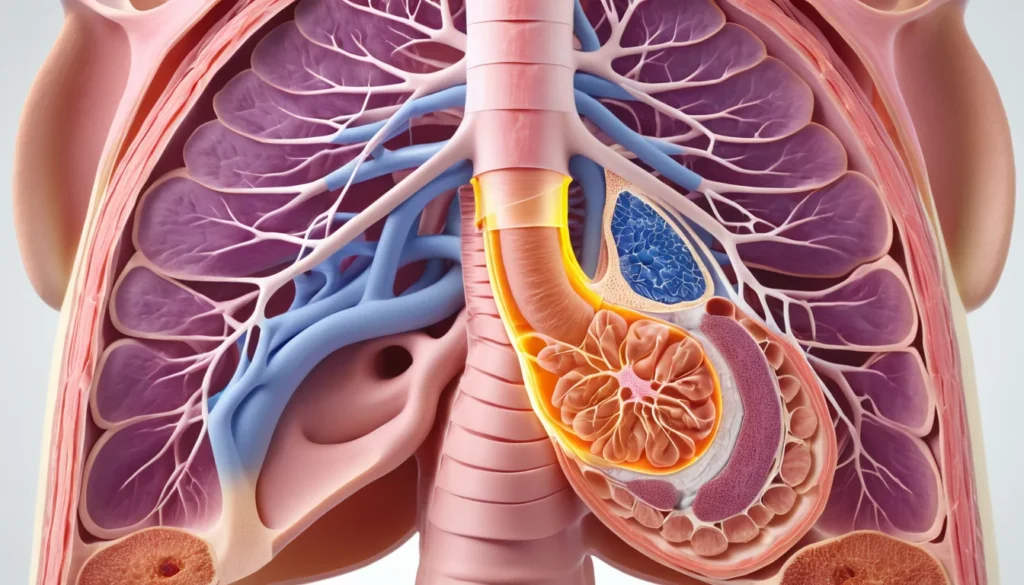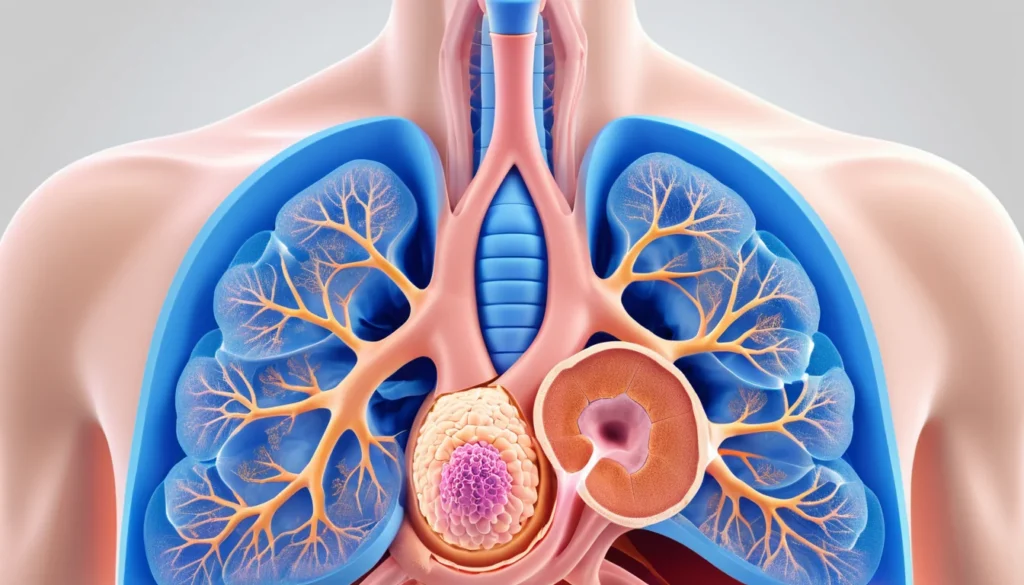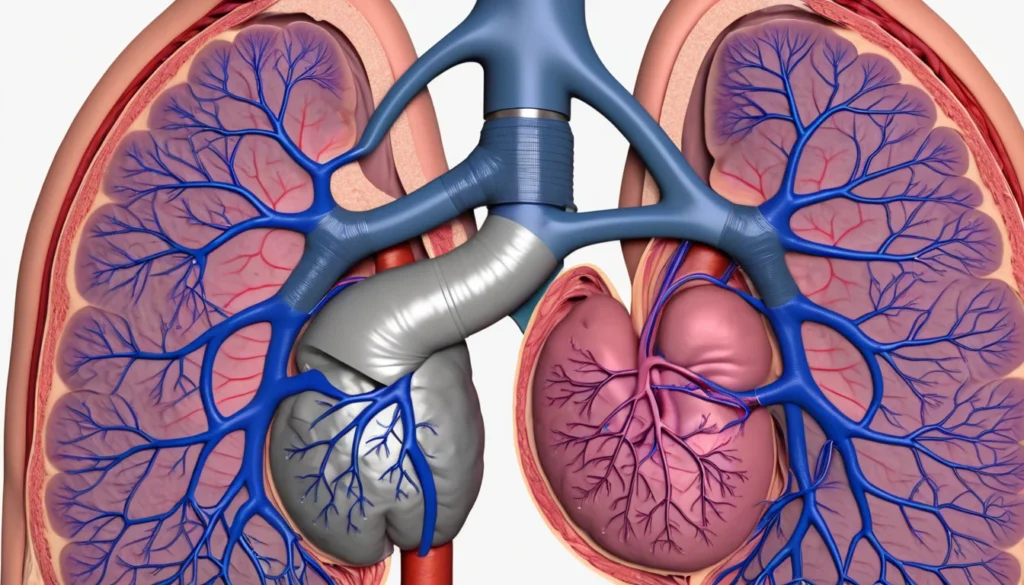
Pulmonary embolism is a serious, potentially life-threatening condition that happens when a blood clot blocks one or more arteries in the lungs. In most cases, the clot travels from the deep veins of the legs — a condition called deep vein thrombosis (DVT). Without quick treatment, a pulmonary embolism can cut off oxygen to lung tissue and strain the heart. This article explains the causes, warning signs, diagnosis, and treatment options available to Canadians.
What Is Pulmonary Embolism?
A pulmonary embolism occurs when a clot — or sometimes a clump of fat, air, or tumour tissue — travels through the bloodstream and lodges in the pulmonary arteries. These are the vessels that carry blood from the heart to the lungs. When blood flow is blocked, the affected lung tissue is starved of oxygen and nutrients.
This disruption affects how well your lungs exchange oxygen and carbon dioxide. As a result, your body’s cells may not receive the oxygen they need. In severe cases, this can lead to pulmonary infarction — the death of lung tissue — and can be fatal if not treated promptly.
According to Health Canada, cardiovascular and respiratory emergencies, including pulmonary embolism, are among the leading causes of preventable death in the country. Knowing the signs can save your life or the life of someone you love.
Causes of Pulmonary Embolism
The most common cause of a pulmonary embolism is a blood clot that starts in the deep veins of the legs. This is called deep vein thrombosis, or DVT. The clot can break loose and travel through the bloodstream to the lungs.
However, not all blockages are caused by blood clots. The pulmonary arteries can also be blocked by:
Fat particles released from a broken bone
Air bubbles entering the bloodstream
Fragments from a tumour
In every case, the result is the same. Blood cannot reach part of the lung tissue, oxygen exchange is disrupted, and the lungs can no longer supply enough oxygen to the rest of the body.
Risk Factors for Pulmonary Embolism
Certain conditions and lifestyle factors raise your chances of developing a pulmonary embolism. Understanding your risk is an important first step in prevention.
Medical Conditions That Increase Risk
A personal or family history of DVT or pulmonary embolism is one of the strongest risk factors. If you or a close relative has had a blood clot before, your risk is significantly higher. Heart conditions — such as heart failure — can cause blood to pool in the leg veins, making clots more likely.
Cancer also increases the risk of clotting. Ovarian, gastric, pancreatic, and lung cancers are especially linked to clot formation. Furthermore, chemotherapy treatments for these cancers can make the blood more prone to clotting.
Inherited clotting disorders, sometimes called coagulopathies, affect how your blood clots naturally. These genetic conditions raise the risk of clots forming in the veins and travelling to the lungs. Mayo Clinic explains more about inherited clotting disorders and pulmonary embolism.
Lifestyle and Situational Risk Factors
Long periods of inactivity are a well-known risk factor. This includes long-haul flights, extended bed rest after illness or surgery, or sitting for many hours at a desk. During these periods, blood can pool in the legs and form clots.
Surgery — particularly procedures on the pelvis, hips, or legs — significantly raises your risk. For this reason, doctors in Canada often prescribe blood thinners before and after these surgeries to prevent clot formation. This is called antithrombotic prophylaxis.
Additional risk factors include:
Obesity
Smoking
Pregnancy and the period after childbirth
Use of hormonal contraceptives or hormone replacement therapy containing estrogen and progesterone
Symptoms of Pulmonary Embolism
The symptoms of a pulmonary embolism can vary widely. They depend on the size of the clot, how much lung tissue is affected, and whether the person has existing heart or lung conditions. Some people experience mild symptoms. Others may collapse suddenly.
Common Warning Signs
The most characteristic symptom is shortness of breath that comes on suddenly. This breathlessness gets worse with physical activity but may also occur at rest. It is often accompanied by a rapid breathing rate, called tachypnoea.
Sharp chest pain is another key warning sign. The pain typically worsens when you breathe in deeply or when you cough. This happens because the lining around the lung becomes irritated.
A pulmonary embolism can also affect the cardiovascular system. Blood pressure may drop suddenly. The heart may beat too fast (tachycardia) or with an irregular rhythm (arrhythmia). In severe cases, reduced blood flow to the brain can cause fainting (syncope).
Other Symptoms to Watch For
Some people cough up blood or notice blood-streaked mucus — a condition called haemoptysis. Other symptoms may include excessive sweating (diaphoresis), fever, and dizziness or vertigo.
When not enough oxygen reaches the skin and tissues, you may notice a bluish tint to the lips or fingertips. This is called cyanosis. In addition, swelling or pain in one leg — especially the calf — is often a sign of DVT and may indicate where the clot originally formed before travelling to the lungs.
How Is Pulmonary Embolism Diagnosed?
Diagnosing a pulmonary embolism can be challenging. Its symptoms overlap with other heart and lung conditions, such as pneumonia or a heart attack. That is why doctors use a combination of your medical history, physical examination, blood tests, and imaging studies.
Blood Tests
One of the first tests ordered is a D-dimer blood test. D-dimers are protein fragments that appear when a blood clot breaks down. A low D-dimer level is a strong indicator that a pulmonary embolism is unlikely. However, a high D-dimer level does not confirm a clot — it simply means further testing is needed.
Doctors also check blood gas levels, including the amount of oxygen (SpO2), carbon dioxide (SpCO2), and bicarbonate (HCO3) in the blood. These measurements show how well your lungs are functioning and how much the body’s tissues are being affected by reduced oxygen.
Imaging and Other Tests
Imaging tests help doctors see the lungs and blood vessels directly. A CT pulmonary angiography (CTPA) scan is the gold standard for diagnosing pulmonary embolism — it provides detailed images of the arteries in the lungs. A ventilation-perfusion (V/Q) scan may be used when a CT scan is not suitable.
An ultrasound of the leg veins can confirm DVT. An electrocardiogram (ECG) may show strain on the heart caused by the blockage. Together, these tests help your medical team confirm or rule out the diagnosis quickly. Learn more about how pulmonary embolism is diagnosed and treated.
Treatment Options for Pulmonary Embolism
Treatment for pulmonary embolism depends on how severe the blockage is and the patient’s overall health. The main goal is to prevent the clot from growing, stop new clots from forming, and restore blood flow to the lungs.
Anticoagulant Medications (Blood Thinners)
Blood thinners — also called anticoagulants — are the most common treatment. They do not dissolve an existing clot, but they stop it from getting bigger and prevent new clots from forming. Common options include heparin (given by injection or IV) and oral medications such as warfarin or newer direct oral anticoagulants (DOACs) like rivaroxaban or apixaban.
In Canada, your family doctor or a specialist will determine which blood thinner is right for you. Treatment typically continues for three to six months, or longer if you have ongoing risk factors.
Thrombolytics and Surgical Interventions
In life-threatening cases, doctors may use thrombolytic therapy — sometimes called “clot-busting” drugs. These medications dissolve the clot quickly. However, they carry a higher risk of serious bleeding, so they are reserved for the most severe situations.
In rare cases, a surgical procedure called an embolectomy may be needed to physically remove the clot. A small filter called a vena cava filter can also be placed in the main vein to prevent future clots from reaching the lungs.
When to See a Doctor
A pulmonary embolism is a medical emergency. If you or someone around you experiences sudden shortness of breath, sharp chest pain, fainting, or coughing up blood, call 911 immediately. Do not wait to see if the symptoms improve.
If your symptoms are less severe but you are concerned — for example, you have unexplained leg swelling and mild breathlessness — contact your family doctor as soon as possible. If your regular doctor is not available, visit a walk-in clinic. Provincial health plans across Canada cover emergency and urgent care visits for conditions like this.
If you have known risk factors for DVT or pulmonary embolism — such as a family history, a recent surgery, or a cancer diagnosis — speak with your doctor about prevention strategies before problems arise. Early action can make all the difference.
Always consult a qualified healthcare provider for any concerns about your health. This article is for informational purposes only and is not a substitute for professional medical advice.
Frequently Asked Questions About Pulmonary Embolism
What are the first signs of a pulmonary embolism?
The first signs of a pulmonary embolism often include sudden shortness of breath, sharp chest pain that worsens when breathing in, and a rapid heartbeat. Some people also notice leg swelling or pain, which may point to a blood clot in the leg. If you experience these symptoms, seek emergency medical care immediately.
Can a pulmonary embolism go away on its own?
A pulmonary embolism rarely resolves on its own and should always be treated by a doctor. Without treatment, the clot can grow larger, cause permanent lung damage, or be fatal. Blood thinners and other medical treatments are typically needed to manage the condition safely.
How is pulmonary embolism different from a heart attack?
A pulmonary embolism involves a blood clot blocking an artery in the lung, while a heart attack involves a blockage in the arteries supplying the heart muscle. Both conditions cause chest pain and shortness of breath, which is why they can be confused. A doctor will use blood tests and imaging to tell the two conditions apart.
Who is most at risk for pulmonary embolism in Canada?
In Canada, people at highest risk include those who have had a previous blood clot, those recovering from major surgery, and individuals with cancer or inherited clotting disorders. Pregnant women, people who smoke, and those who are obese or sedentary are also at increased risk. Talking to your family doctor about your personal risk factors is a smart preventive step.
How long does treatment for pulmonary embolism last?
Most people with a pulmonary embolism take blood thinners for at least three to six months. If the underlying cause — such as cancer or an inherited clotting disorder — is still present, treatment may continue indefinitely. Your doctor will review your case regularly and adjust your treatment plan as needed.
Can you prevent a pulmonary embolism?
Yes, in many cases pulmonary embolism can be prevented. Staying active, avoiding long periods of sitting, quitting smoking, and maintaining a healthy weight all reduce your risk. If you are having surgery or are at high risk, your doctor may prescribe preventive blood thinners or recommend compression stockings to keep blood moving in your legs.
Key Takeaways
Pulmonary embolism is a blockage in the arteries of the lungs, most often caused by a blood clot travelling from the legs.
Sudden shortness of breath, chest pain, and a rapid heartbeat are the most common warning signs.
Risk factors include DVT, cancer, surgery, obesity, smoking, pregnancy, and certain medications like hormonal contraceptives.
Diagnosis uses blood tests (especially D-dimer) and imaging scans such as CT pulmonary angiography.
Treatment usually involves blood thinners; severe cases may need clot-dissolving drugs or surgery.
Call 911 for emergency symptoms. For less urgent concerns, see your family doctor or visit a walk-in clinic covered by your provincial health plan.
Prevention is possible — talk to your doctor if you have known risk factors.