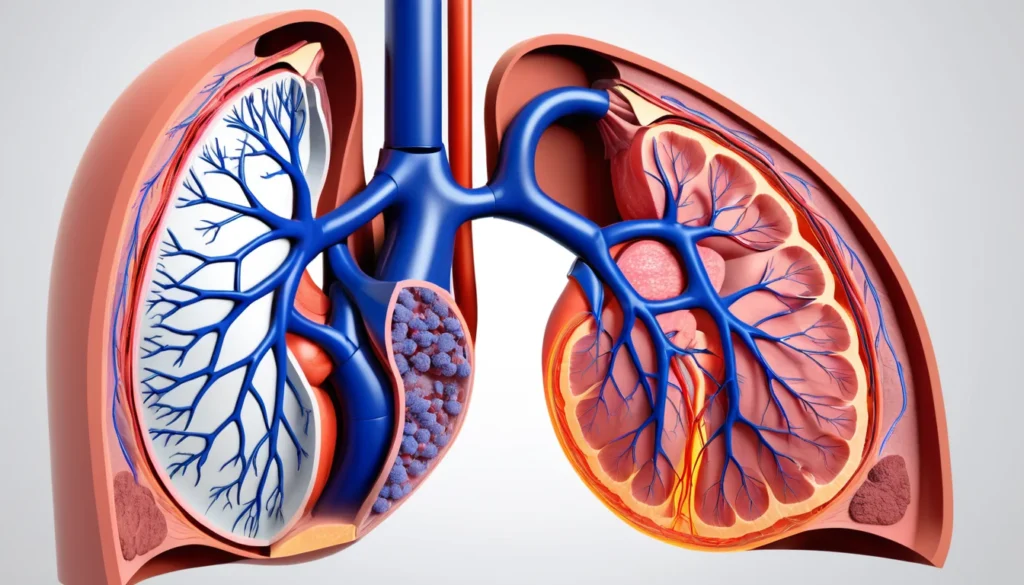
A pulmonary embolism is a serious, life-threatening blockage in one of the arteries that supplies blood to your lungs. It most often happens when a blood clot travels from a deep vein — usually in the leg — and becomes lodged in the lung. Without fast treatment, a pulmonary embolism can cause permanent heart and lung damage, or even sudden death. This article explains the causes, risk factors, symptoms, and what to do if you think you or someone you love may be affected.
What Is a Pulmonary Embolism?
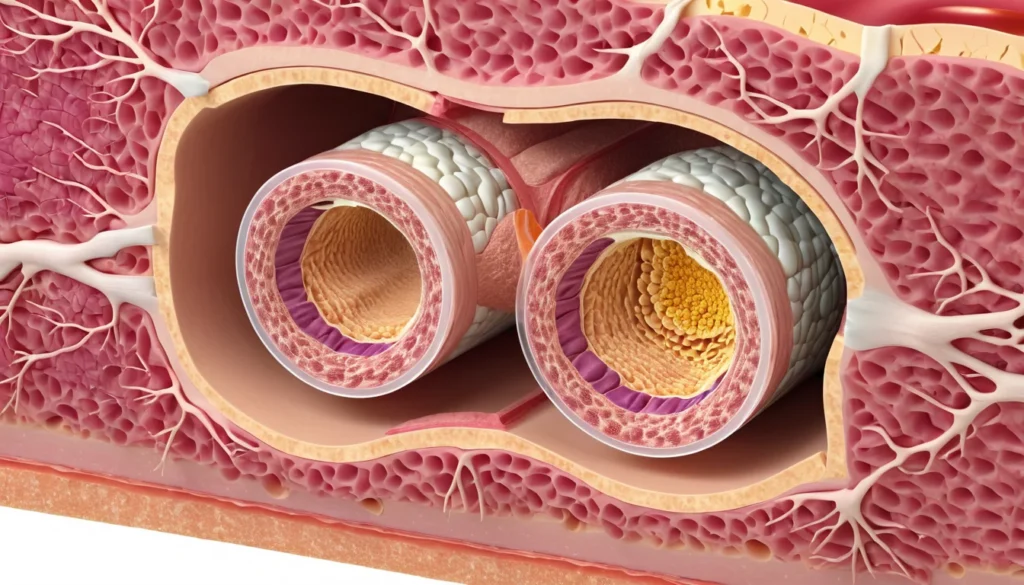
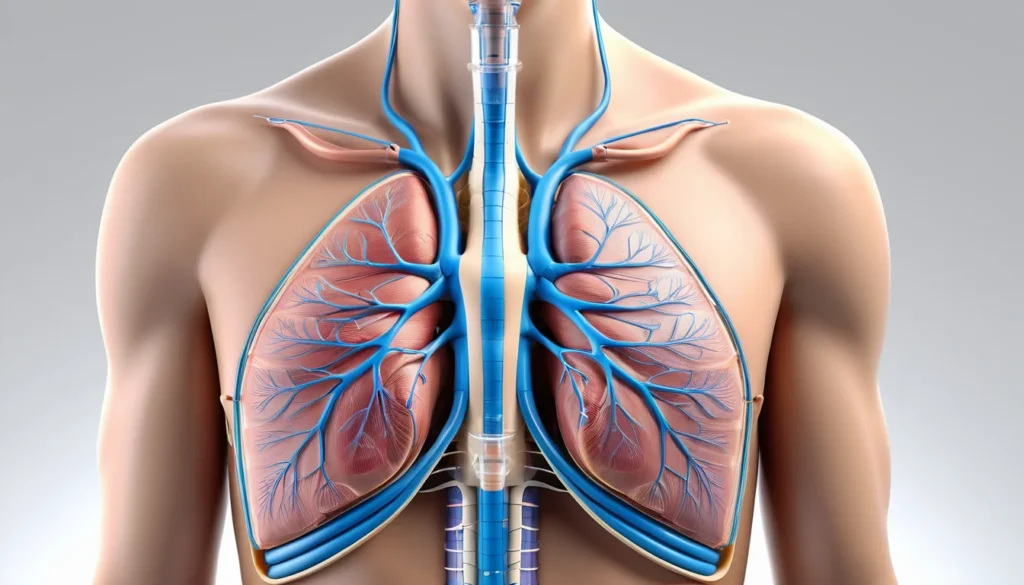
A pulmonary embolism occurs when a blocked artery stops blood from flowing freely through the lungs. When blood flow is reduced, oxygen levels in the blood drop and pressure inside the lungs rises. These changes put enormous strain on the heart.
A large clot can stop circulation completely, causing sudden death — often within 30 minutes of symptoms starting. Smaller clots are less immediately deadly, but they can still cause lasting damage to lung tissue and the heart muscle. However, if a small clot dissolves on its own, recovery may be possible with few long-term effects.
Pulmonary embolism is closely linked to deep vein thrombosis (DVT) — a clot that forms in a deep vein, most often in the thigh. Together, these two conditions are known as venous thromboembolism (VTE). Health Canada recognizes venous thromboembolism as a significant cause of preventable death and illness across the country.
What Causes a Pulmonary Embolism?
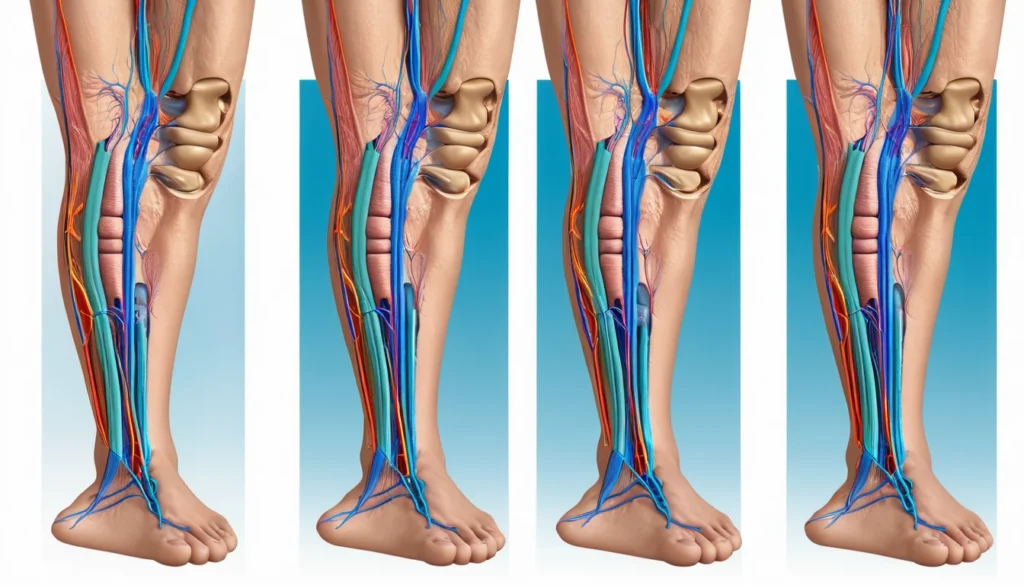
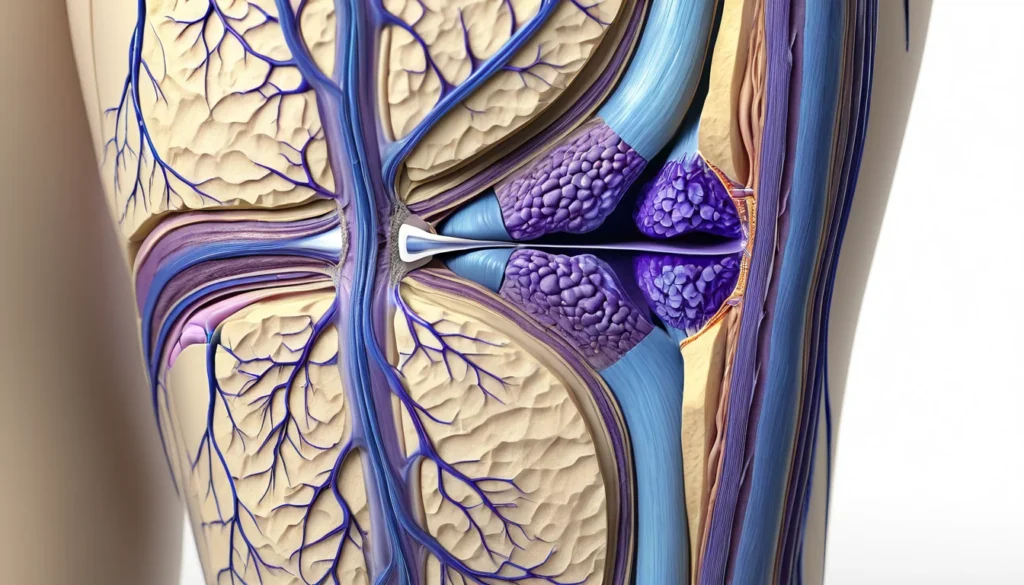
In more than 95% of cases, the clot that causes a pulmonary embolism starts in the deep veins of the upper leg (thigh). The clot breaks free, travels through the bloodstream, and becomes stuck in a smaller pulmonary artery inside the lung.
Clots can also form in the deep veins of the calf, foot, pelvis, or arms. However, only about 20% of thigh clots actually grow large enough to break off and travel toward the lungs. Clots forming in surface (superficial) veins are a much rarer cause of pulmonary embolism.
Less Common Causes
In rare cases, a pulmonary embolism is caused by something other than a blood clot. These uncommon triggers include:
Air bubbles in the bloodstream, sometimes called a gas embolism, which can occur after trauma or surgery
Fat droplets that enter the bloodstream following a fracture, severe burn, or major surgery
Amniotic fluid entering the bloodstream during childbirth, which is a rare but serious complication
Tumour cells from fast-growing cancers breaking off and blocking an artery
Infected material or foreign substances, such as fragments from a broken catheter
Risk Factors for Pulmonary Embolism
Certain conditions and lifestyle factors raise your chances of developing a blood clot that could lead to a pulmonary embolism. The most significant risk factors are a previous blood clot in a deep vein and a prior history of pulmonary embolism itself.
Slow Blood Flow
Clots are more likely to form when blood moves slowly through the veins. This can happen for several reasons:
Long periods of bed rest after surgery, injury, or serious illness
Sitting for extended periods — for example, on a long-haul flight or a cross-country drive
Paralysis of the legs, which prevents normal muscle movement that helps push blood upward
Abnormal Blood Clotting
Some people’s blood clots too easily or too quickly. This raises the risk of forming large clots that can break loose and travel to the lungs. Conditions that increase clotting include:
Inherited clotting disorders — some people are born with a tendency toward hypercoagulability (blood that clots too easily)
Cancer, which can trigger abnormal clotting throughout the body
Heart failure or severe infections
Oral contraceptives or medications containing estrogen or estrogen-like hormones
Smoking, which damages blood vessel walls and promotes clot formation
Damage to Blood Vessel Walls
Blood is more likely to clot in a vein that has been injured. This type of damage can result from major surgery involving the legs, abdomen, or pelvis. Inserting a central venous catheter — a tube placed into a large vein — can also cause vessel wall injury.
Other Risk Factors
Additional factors that raise the risk of pulmonary embolism include:
Pregnancy and the postpartum period — the risk of clotting is elevated during pregnancy and immediately after delivery
Age — the risk increases with age, particularly after 70
Excess weight — people who are overweight or obese face a higher risk of clot formation
Not taking prescribed blood thinners — skipping anticoagulant medication as directed by your doctor can significantly raise risk
Symptoms of Pulmonary Embolism
The symptoms of a pulmonary embolism usually appear suddenly. Recognising them quickly can save a life. Common symptoms include:
Sudden shortness of breath or feeling like you cannot get enough air
Sharp chest pain that gets worse when you breathe in deeply or cough
A faster-than-normal heart rate (racing heart)
Rapid breathing
Sweating and anxiety
Coughing up blood-tinged mucus
Fainting or feeling lightheaded
Heart palpitations
Signs of shock, such as a sudden drop in blood pressure
It is important to know that some people with a pulmonary embolism have no symptoms at all. Furthermore, pulmonary embolism symptoms can closely mimic those of a heart attack, panic attack, or pneumonia — making it harder to diagnose quickly. For this reason, any sudden and unexplained breathing difficulty or chest pain should be taken seriously.
Learn more about recognising the warning signs at the Mayo Clinic’s pulmonary embolism overview.
How Pulmonary Embolism Affects the Body
When a large clot blocks the main pulmonary artery, blood flow to the lungs can stop completely. This is a medical emergency. A smaller clot reduces blood flow partially, which can damage lung tissue over time.
As blood flow drops, oxygen levels in the body fall. As a result, the heart beats faster to try to compensate. This extra workload strains the heart and can lead to right-sided heart failure if the clot is not treated. In some cases, the body can break down a smaller clot on its own. However, this should never be relied upon as a treatment approach.
Reduced blood flow to one or both lungs causes shortness of breath and a rapid heartbeat. Falling oxygen levels can also trigger chest pain and further lung tissue injury. Therefore, early medical intervention is critical.
Conditions That Can Be Confused With Pulmonary Embolism
Because the symptoms of pulmonary embolism overlap with many other conditions, doctors must rule out several other diagnoses. Heart-related conditions that can look similar include:
Heart attack (myocardial infarction)
Heart failure or pulmonary oedema (fluid in the lungs)
Irregular heart rhythm (arrhythmia)
Pericarditis (inflammation of the sac surrounding the heart)
Lung conditions that can mimic a pulmonary embolism include pneumonia, pleurisy (inflammation of the lining around the lungs), and a spontaneous pneumothorax (collapsed lung). In addition, a panic attack or severe anxiety can produce chest tightness and shortness of breath that feel very similar to a pulmonary embolism.
For a broader look at blood clot-related conditions, Healthline’s guide to pulmonary embolism provides helpful background information.
When to See a Doctor
Call 911 immediately if you or someone nearby experiences sudden shortness of breath, sharp chest pain, or faints unexpectedly. A pulmonary embolism is a medical emergency that requires hospital-level care right away — do not wait to see if symptoms improve on their own.
If you have risk factors for blood clots and are experiencing milder symptoms — such as leg swelling, unexplained leg pain, or low-grade breathlessness — contact your family doctor as soon as possible. If your family doctor is not available, visit a walk-in clinic. Most provincial health plans across Canada cover the assessment and diagnostic tests needed to evaluate blood clot risk.
Tell your doctor about your full medical history, any recent travel or surgery, and any medications you are taking, including birth control pills. This information helps your care team assess your risk and order the right tests — such as a blood test, ultrasound, or CT scan — to confirm or rule out a pulmonary embolism.
Always follow your doctor’s advice regarding blood thinners and follow-up care, especially if you have had a previous clot. Never stop taking prescribed anticoagulant medications without speaking to your healthcare provider first.
Frequently Asked Questions About Pulmonary Embolism
What are the early warning signs of a pulmonary embolism?
The most common early signs of a pulmonary embolism include sudden shortness of breath, sharp chest pain that worsens when breathing deeply, and a rapid heartbeat. Some people also notice leg swelling or pain before the embolism occurs, which may indicate a blood clot in the leg. If you experience any of these symptoms, seek emergency care immediately.
Can a pulmonary embolism go away on its own?
A very small pulmonary embolism may sometimes dissolve on its own without treatment. However, this is unpredictable and relying on it is dangerous — a clot can suddenly grow larger or trigger serious complications. Always seek medical attention if a pulmonary embolism is suspected.
How is a pulmonary embolism diagnosed in Canada?
Doctors typically use a combination of blood tests (such as a D-dimer test), a CT pulmonary angiogram (a type of X-ray scan), and ultrasound to diagnose a pulmonary embolism. These tests are covered under most provincial health plans when ordered by a physician. Your family doctor or emergency room team will choose the right tests based on your symptoms and risk factors.
What is the difference between DVT and pulmonary embolism?
Deep vein thrombosis (DVT) is a blood clot that forms inside a deep vein, usually in the leg. A pulmonary embolism happens when that clot breaks free and travels to the lungs, blocking blood flow. Both conditions are serious, and DVT is considered a major warning sign that a pulmonary embolism could occur.
Who is most at risk for a pulmonary embolism?
People at highest risk include those who have had a previous blood clot, individuals over 70, people who are overweight, pregnant women, and those who have recently had major surgery or been on prolonged bed rest. Using estrogen-based contraceptives and smoking also raise the risk of developing a pulmonary embolism. Talk to your family doctor if you have multiple risk factors.
Can flying cause a pulmonary embolism?
Long-haul flights can increase the risk of a pulmonary embolism because sitting still for many hours slows blood flow in the legs. This is sometimes called “economy class syndrome.” To lower your risk, walk around the cabin when possible, stay hydrated, and ask your doctor about compression stockings if you have other risk factors.
Key Takeaways
A pulmonary embolism is a blockage in a lung artery, most often caused by a blood clot that travels from the leg.
Symptoms appear suddenly and include shortness of breath, chest pain, and a rapid heartbeat.
Major risk factors include previous clots, prolonged immobility, surgery, pregnancy, smoking, and inherited clotting disorders.
A large clot can cause sudden death; smaller clots can still cause serious, lasting damage to the heart and lungs.
Pulmonary embolism can be difficult to diagnose because its symptoms resemble those of a heart attack, pneumonia, or panic attack.
Call 911 immediately if you experience sudden chest pain or shortness of breath — do not wait.
For non-emergency concerns, speak with your family doctor or visit a walk-in clinic. Most diagnostic tests are covered by your provincial health plan.
Always consult a qualified healthcare professional before starting, stopping, or changing any medication or treatment related to blood clot prevention.