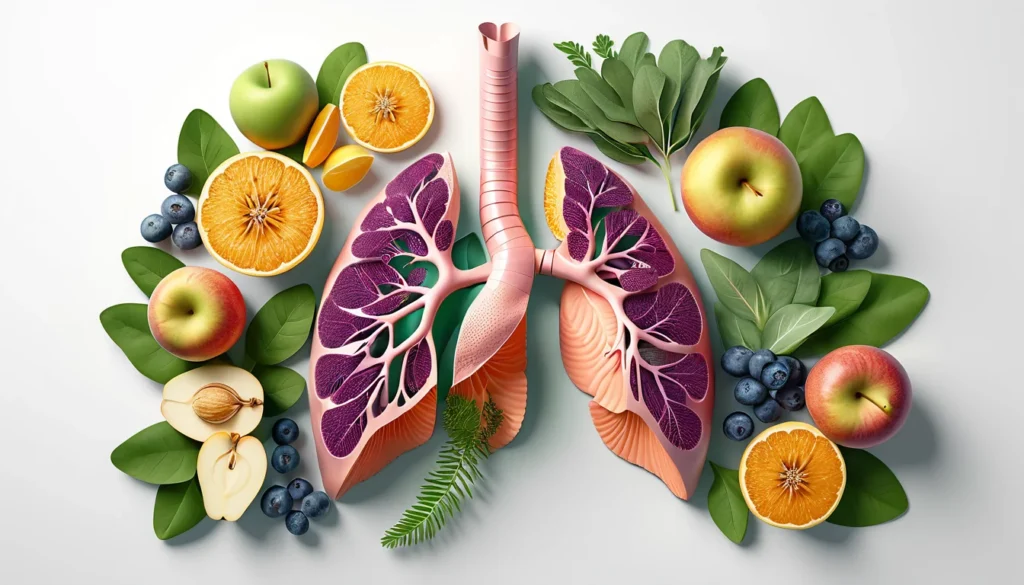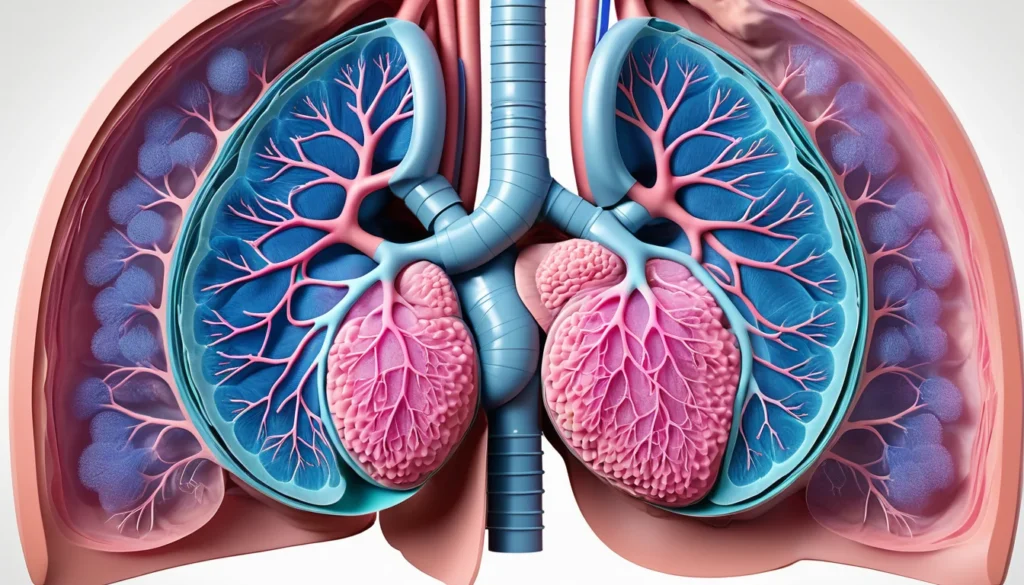
Pulmonary edema is a serious condition where excess fluid builds up inside your lungs. This fluid fills the tiny air sacs that normally carry oxygen into your blood, making it very hard to breathe. In many cases, heart problems are the main cause. However, lung infections, certain medications, toxins, and even high-altitude activities can also trigger it. Sudden pulmonary edema is a medical emergency — but with fast treatment, most people recover well.
What Is Pulmonary Edema?
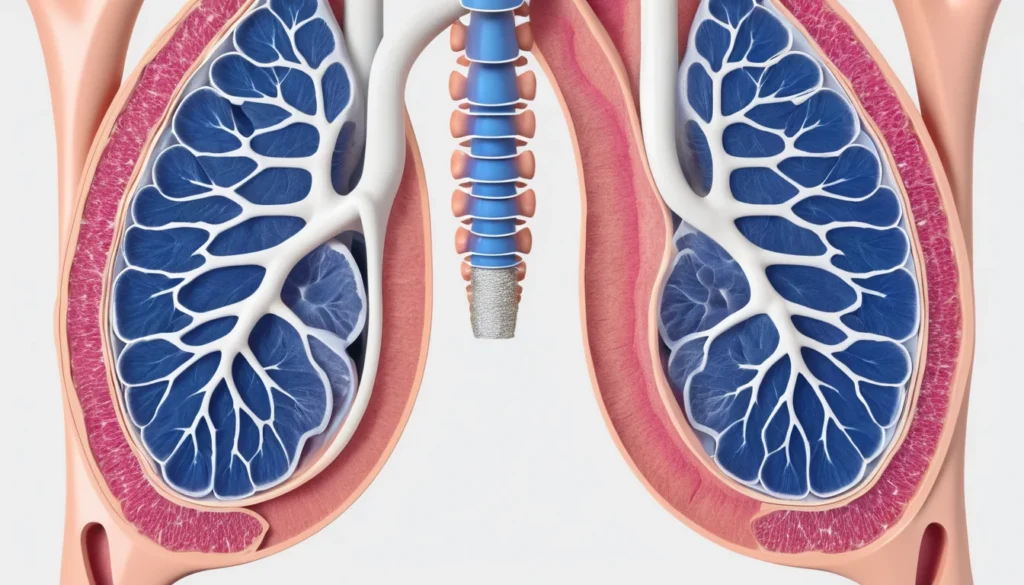
Your lungs contain millions of tiny, elastic air sacs called alveoli. With every breath, these sacs fill with oxygen and release carbon dioxide. This gas exchange normally happens smoothly and without effort.
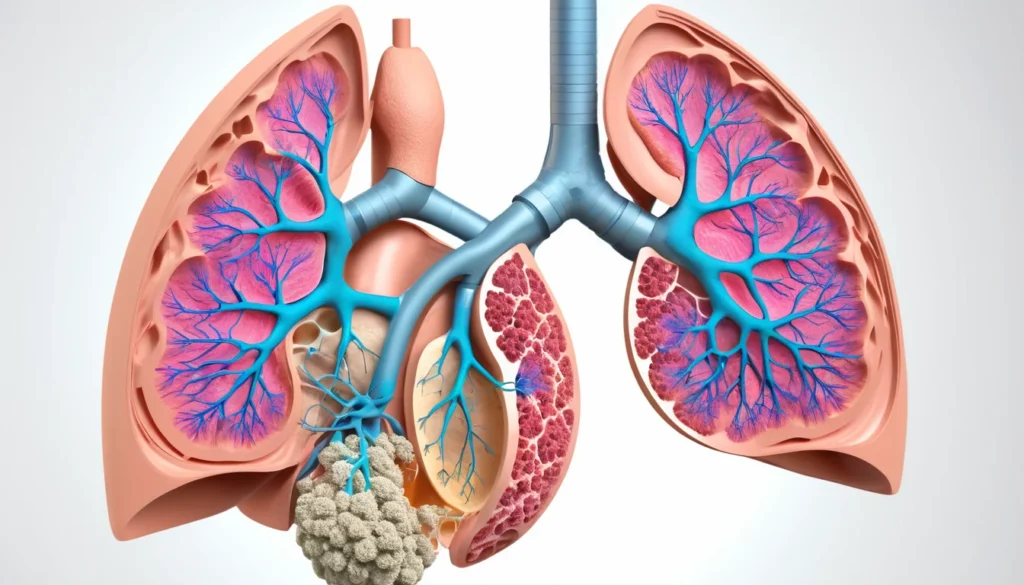
In pulmonary edema, fluid leaks into these air sacs instead of air. As a result, your lungs cannot absorb enough oxygen into your bloodstream. This leads to the breathlessness and distress that define this condition.
There are two main types: acute pulmonary edema, which comes on suddenly and is a medical emergency, and chronic pulmonary edema, which develops slowly over time. Both types require medical attention. According to Mayo Clinic’s overview of pulmonary edema, prompt diagnosis and treatment greatly improve outcomes.
Symptoms of Pulmonary Edema
Symptoms can appear suddenly or build up gradually. It depends on the underlying cause. Knowing the difference helps you act quickly when it matters most.
Acute (Sudden) Symptoms
Acute pulmonary edema comes on fast and can be life-threatening. Call 911 immediately if you or someone nearby experiences any of these signs:
Extreme shortness of breath, especially when lying down
A feeling of drowning or suffocating
Wheezing or gasping for air
A cough that produces frothy sputum, sometimes with traces of blood
Chest pain, especially if a heart condition is involved
Rapid or irregular heartbeat (palpitations)
Pale or bluish skin
Intense anxiety or restlessness
Heavy, sudden sweating
Do not wait to see if symptoms improve on their own. Acute pulmonary edema can become fatal within minutes without emergency care.
Chronic (Gradual) Symptoms
Chronic pulmonary edema develops more slowly. You may notice these symptoms over days or weeks:
Getting winded much more easily than usual during physical activity
Difficulty breathing when lying flat, but feeling better when sitting upright
Waking up at night feeling breathless or short of air
Persistent wheezing
Rapid, unexplained weight gain from fluid buildup — especially in the legs and ankles
Swollen feet or ankles
Loss of appetite
Unusual fatigue or low energy
These chronic symptoms are often linked to congestive heart failure. In this condition, the heart pumps too little blood to meet the body’s needs, which causes fluid to accumulate in the lungs and lower body.
High-Altitude Pulmonary Edema
Some people develop pulmonary edema at high altitudes — for example, during mountain hiking or skiing at elevation. This is known as high-altitude pulmonary edema (HAPE). Symptoms include headache, insomnia, fluid retention, and difficulty breathing. Descending to a lower altitude and seeking medical care is essential.
What Causes Pulmonary Edema?
There are several possible causes of pulmonary edema. Most cases are related to heart problems. However, non-cardiac causes are also common and equally serious.
Heart-Related Causes
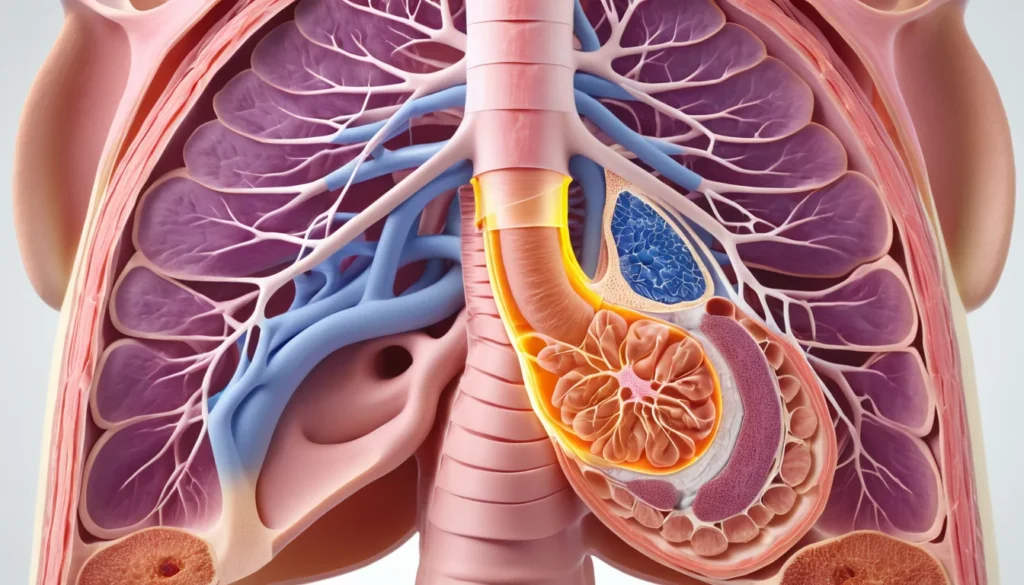
The heart and lungs work very closely together. When the heart struggles to pump blood efficiently, pressure builds up in the blood vessels of the lungs. This extra pressure forces fluid through the walls of tiny blood vessels (capillaries) and into the air sacs.
Conditions that can weaken the heart and trigger pulmonary edema include:
Coronary artery disease: Over time, arteries that supply blood to the heart can narrow due to fatty deposits (plaque). A blockage can cause a heart attack, which damages the heart muscle and reduces its pumping ability.
Cardiomyopathy: This is a disease of the heart muscle itself — not caused by blocked arteries. The weakened muscle struggles to pump blood forward, causing backup into the lungs.
Heart valve problems: Damaged or diseased heart valves disrupt normal blood flow. Valves that don’t open or close properly allow blood to back up into the lungs.
High blood pressure (hypertension): Untreated high blood pressure makes the heart work harder over time. This can enlarge and weaken the left ventricle — the main pumping chamber.
Congestive heart failure: When the heart cannot keep up with the body’s demands, fluid backs up into the lungs and other tissues.
Non-Cardiac Causes
Not all pulmonary edema starts with the heart. Other causes include:
Pneumonia or other severe lung infections
Exposure to toxins or harmful chemicals
Certain prescription medications or illegal drugs
Smoke inhalation or near-drowning
Severe allergic reactions
High altitude (HAPE)
Acute respiratory distress syndrome (ARDS)
Kidney failure, which causes fluid retention throughout the body
For a thorough breakdown of lung-related conditions, Health Canada’s respiratory health resources offer reliable, evidence-based guidance for Canadians.
How Is Pulmonary Edema Diagnosed and Treated?
If you arrive at an emergency room with symptoms of pulmonary edema, doctors will act quickly. They will check your oxygen levels and stabilise your breathing first. Then they will work to find the underlying cause.
Diagnosis
Doctors use several tools to diagnose pulmonary edema. These may include a chest X-ray, blood tests, an electrocardiogram (ECG) to check heart rhythm, and an echocardiogram (ultrasound of the heart). Oxygen saturation monitoring is also standard.
Treatment
Treatment depends on the cause. However, most cases begin with the same immediate steps:
Supplemental oxygen: Delivered through a mask or nasal tubes to raise oxygen levels quickly.
Positive pressure ventilation: In serious cases, a CPAP or BiPAP machine helps push air into the lungs.
Diuretics (water pills): These medications help the kidneys remove excess fluid from the body.
Blood pressure medications: Help reduce the workload on the heart.
Heart medications: If a heart condition is the cause, specific drugs target the underlying problem.
Morphine: Sometimes used to reduce anxiety and breathlessness in acute cases.
Long-term treatment focuses on managing whatever condition caused the fluid buildup. For example, if heart failure is the cause, ongoing cardiac care is essential. Healthline’s guide to pulmonary edema treatment outlines many of these options in plain language.
Risk Factors for Pulmonary Edema
Certain people are at higher risk of developing pulmonary edema. Understanding your risk factors can help you take steps to protect your health.
Key risk factors include:
Existing heart disease or a previous heart attack
High blood pressure that is not well controlled
Diabetes
Obesity
Kidney disease
Smoking
A history of pneumonia or serious lung infections
Travelling to or living at high altitudes
If you have one or more of these risk factors, talk to your family doctor. Regular check-ups through your provincial health plan can catch warning signs early and reduce your risk.
When to See a Doctor
If you have sudden, severe shortness of breath — call 911 immediately. Do not drive yourself to the hospital. Acute pulmonary edema is a life-threatening emergency.
For milder or chronic symptoms — such as gradually worsening breathlessness, ankle swelling, or unexplained weight gain — book an appointment with your family doctor as soon as possible. Most provincial health plans cover this type of visit at no direct cost to you.
If you don’t have a family doctor, a walk-in clinic can assess your symptoms and refer you for further testing if needed. Many provinces also offer nurse practitioner-led clinics that handle respiratory and cardiovascular concerns.
Never ignore breathing problems, even if they seem mild. Early treatment of pulmonary edema leads to much better outcomes. Always consult a qualified healthcare provider for any concerns about your breathing or heart health.
Frequently Asked Questions About Pulmonary Edema
Can pulmonary edema go away on its own?
Pulmonary edema does not typically resolve on its own without medical treatment. Acute pulmonary edema is a medical emergency that requires immediate care, including oxygen and medications. Even milder cases need a proper diagnosis to treat the underlying cause and prevent the condition from returning.
Is pulmonary edema the same as pneumonia?
No, pulmonary edema and pneumonia are different conditions, though both affect the lungs. Pneumonia is caused by an infection — bacterial, viral, or fungal — that inflames the lung tissue. Pulmonary edema is caused by fluid leaking into the air sacs, most often due to heart problems. However, severe pneumonia can sometimes trigger pulmonary edema as a complication.
What does pulmonary edema feel like?
People with pulmonary edema often describe an intense feeling of breathlessness, as though they are suffocating or drowning. Some experience wheezing, a tight chest, or a cough with foamy or bloody mucus. The feeling tends to worsen when lying down and improves slightly when sitting upright.
How serious is pulmonary edema?
Pulmonary edema can be very serious and even life-threatening, especially when it comes on suddenly. Without prompt treatment, the lack of oxygen can damage vital organs. With fast medical care and proper management of the underlying cause, most patients recover well and can return to normal activity.
Can high altitude cause pulmonary edema?
Yes. High-altitude pulmonary edema (HAPE) can occur in people who ascend quickly to elevations above 2,500 metres, such as during hiking or skiing. Symptoms include breathlessness, fatigue, and a persistent cough. The best treatment is to descend to a lower altitude immediately and seek medical care.
How is pulmonary edema treated in Canada?
In Canada, pulmonary edema is treated in hospital emergency settings with supplemental oxygen, diuretics to remove excess fluid, and medications to support the heart. Treatment is covered under provincial health plans when provided through the public healthcare system. Long-term care focuses on managing the heart or lung condition causing the fluid buildup.
Key Takeaways
Pulmonary edema is a condition where fluid fills the air sacs of the lungs, making breathing very difficult.
The most common cause is heart disease, but infections, toxins, medications, and high altitude can also be responsible.
Acute pulmonary edema is a medical emergency — call 911 immediately if symptoms appear suddenly.
Chronic symptoms like worsening breathlessness, swollen ankles, or unexplained weight gain should be assessed by your family doctor or walk-in clinic.
Treatment includes supplemental oxygen, diuretics, and medications targeting the underlying cause.
Managing risk factors — such as high blood pressure, heart disease, and smoking — greatly reduces your risk.
Always speak with a healthcare provider if you have any concerns about your breathing or heart health. Early action saves lives.