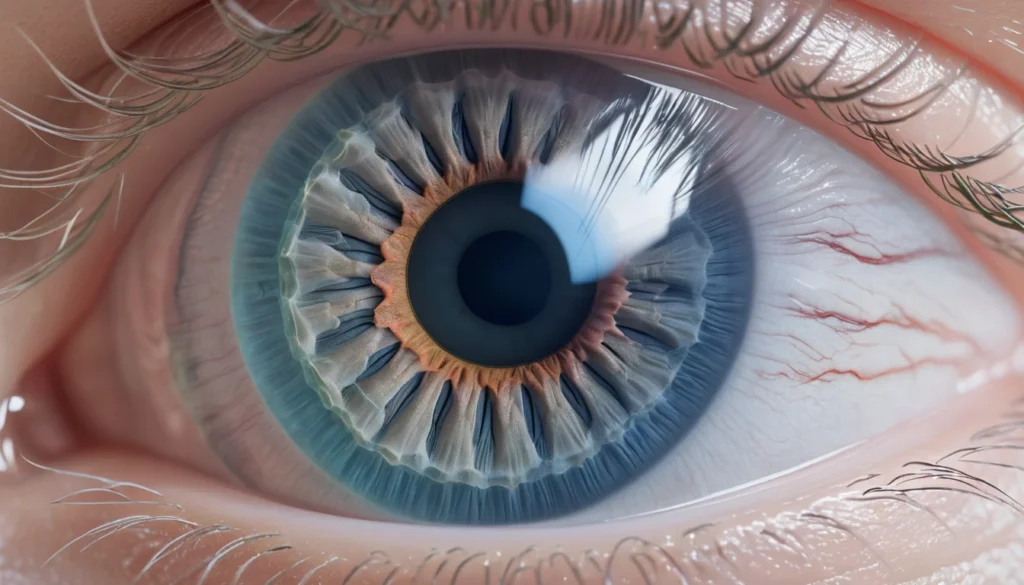
A pterygium is a non-cancerous growth on the eye that can look alarming but is often manageable. It appears as a fleshy, triangular-shaped tissue that grows from the white part of the eye — called the conjunctiva — onto the clear front surface of the eye, known as the cornea. While a pterygium is usually harmless in its early stages, it can affect your vision if left untreated. This article explains what a pterygium is, what causes it, how it affects your eyes, and what treatment options are available to Canadians.
What Is a Pterygium?
A pterygium (pronounced teh-RIJ-ee-um) is a raised, wedge-shaped growth of tissue on the surface of the eye. It typically starts at the inner corner of the eye and grows toward the centre of the cornea. The tissue is filled with blood vessels, which gives it a pink or red appearance.
Many people call it “surfer’s eye” because it is common in people who spend a lot of time outdoors. However, you do not have to be a surfer to develop one. Anyone who spends significant time exposed to sunlight, wind, or dust can be affected. According to the Mayo Clinic’s overview of pterygium, this condition is more common in sunny, dry climates, though Canadians are certainly not immune.
A pterygium is different from a pinguecula, which is a similar but smaller bump on the white of the eye that does not grow onto the cornea. Both conditions involve changes to the conjunctiva, but a pterygium is generally considered more significant because it can interfere with vision over time.
What Causes Pterygium?
The exact cause of a pterygium is not fully understood. However, researchers have identified several clear risk factors. Long-term exposure to ultraviolet (UV) light from the sun is the most well-established cause.
Other factors that may contribute to pterygium development include:
Dry or windy conditions — These irritate the surface of the eye over time.
Dust and airborne particles — Chronic irritation from the environment plays a role.
Low humidity — Dry air dries out the eye’s surface, making it more vulnerable.
Lack of UV eye protection — Not wearing sunglasses outdoors increases risk significantly.
Genetics — Some people may have a hereditary tendency to develop this condition.
In Canada, outdoor workers — such as farmers, construction workers, and ski instructors — face higher risk due to prolonged UV and wind exposure. However, even regular outdoor activities like hiking, fishing, or gardening can increase your risk over many years. The Healthline guide on pterygium causes and risk factors provides additional detail on who is most at risk.
Recognising the Symptoms of Pterygium
A pterygium does not always cause symptoms right away. In fact, many people first notice it when someone else points it out, or when they look closely in a mirror. Early on, the growth may simply appear as a small, pinkish patch on the white of the eye.
As it grows, you may begin to experience:
Redness or inflammation in the affected eye
A gritty or scratchy feeling, as if something is in your eye
Burning or itching around the eye
Blurred vision, particularly if the growth extends onto the cornea
A visible fleshy growth on the surface of the eye
The severity of symptoms varies widely. Some people live with a small pterygium for years with minimal discomfort. Others find that their symptoms worsen during allergy season or in dry winter conditions — both of which are very familiar to many Canadians.
When Does Pterygium Affect Vision?
A pterygium does not affect vision as long as it stays near the edge of the cornea. However, if it grows further onto the cornea, it can cause a condition called astigmatism. Astigmatism means the cornea’s surface is uneven, which leads to blurred or distorted vision.
In more advanced cases, if the pterygium grows close to the visual axis — the central line of sight — it can cause a more significant reduction in visual clarity. Therefore, regular monitoring is important, even if your pterygium seems stable. If you notice changes in your vision, speak to your family doctor or an eye specialist as soon as possible.
How Is Pterygium Diagnosed?
A pterygium is usually diagnosed through a straightforward eye examination. Your doctor or optometrist will look at the surface of your eye, often using a special magnifying instrument called a slit lamp. This allows them to see the growth clearly and assess how far it has progressed.
No blood tests or imaging are typically required. In most cases, the visual diagnosis is enough. Your eye care provider may also measure your vision to check whether the pterygium is affecting your sight. If you do not have a family doctor, a walk-in clinic or a local optometrist can often perform this initial assessment and refer you to a specialist if needed.
It is worth noting that in Canada, eye exams are covered under provincial health plans for certain age groups. For example, Ontario covers annual eye exams for children under 20 and adults over 64. Check with your provincial health plan to understand what eye care is covered in your province or territory.
Pterygium Treatment Options
Treatment for a pterygium depends on how large it is and whether it is causing symptoms or affecting vision. Not all pterygia require surgery. In many cases, conservative management is the first step.
Non-Surgical Management
If your pterygium is small and not causing significant discomfort, your doctor may recommend a watchful waiting approach. This means monitoring the growth over time without active treatment. In addition, your doctor may suggest:
Lubricating eye drops — These help reduce dryness and irritation.
Mild steroid eye drops — These can reduce inflammation during flare-ups.
Wearing UV-protective sunglasses — This can slow the growth and protect the eye.
Avoiding irritants — Reducing exposure to wind, dust, and dry air helps manage symptoms.
These measures will not make the pterygium disappear. However, they can keep symptoms comfortable and slow the progression of the growth. For many Canadians, this is a perfectly reasonable long-term plan — especially for older adults or those with smaller, stable growths.
Surgical Treatment for Pterygium
If the pterygium grows onto the cornea and begins to affect vision, surgical removal may be recommended. This procedure is called pterygium excision. It is typically performed under local anaesthetic in an outpatient setting, meaning you go home the same day.
During the surgery, the surgeon removes the pterygium tissue and usually covers the area with a small graft of healthy conjunctival tissue. This graft helps reduce the chance of the pterygium coming back. The procedure is generally safe, but as with any surgery, there are some risks — including infection, scarring, and reaction to anaesthetic.
One important consideration is the recurrence rate. Research shows that a pterygium returns in 30 to 50 percent of cases after surgical removal. The time frame for recurrence varies widely — from one month to several years after the initial surgery. If a pterygium does come back, a second surgery is possible. However, doctors typically recommend waiting at least six months between operations to allow the eye to heal properly.
For more information on surgical options, the Health Canada health information portal can help you navigate eye care resources and specialist referrals in your province.
Preventing Pterygium: Protecting Your Eyes in Canada
Prevention is always better than treatment. The good news is that simple lifestyle habits can significantly reduce your risk of developing a pterygium. The most important step is protecting your eyes from UV radiation.
Here are practical steps you can take:
Wear UV-blocking sunglasses — Choose sunglasses that block 99 to 100 percent of both UVA and UVB rays. Wrap-around styles offer the best protection.
Wear a wide-brimmed hat — This reduces the amount of UV light reaching your eyes from above.
Use lubricating eye drops — Keeping the eyes moist helps reduce irritation from wind and dry air.
Protect your eyes outdoors — Whether you are skiing, hiking, or working outside in Canada’s varied climate, eye protection matters year-round.
Take breaks from screen time — Dry eyes are more vulnerable to irritation and inflammation.
Remember that UV exposure is not limited to summer. Snow reflects a significant amount of UV radiation, which is why skiers and snowboarders are at particular risk. Canada’s long winters make UV eye protection a year-round concern, not just a summer habit.
When to See a Doctor About Pterygium
You should see a doctor or eye care professional if you notice a new growth on the surface of your eye. Even if it is not causing pain, it is important to have it properly assessed. Early diagnosis makes it easier to monitor changes over time.
Contact your family doctor, walk-in clinic, or optometrist promptly if you experience:
Sudden or worsening blurred vision
Significant redness, swelling, or pain in the eye
A noticeable increase in the size of the growth
Persistent discomfort that does not improve with eye drops
Your family doctor can assess the growth and refer you to an ophthalmologist (an eye specialist) if needed. If you do not have a family doctor, a walk-in clinic is a good starting point. Many walk-in clinics in Canada can perform a basic eye assessment and provide a referral to a specialist. As always, please consult a qualified healthcare professional before making any decisions about your eye health or treatment.
Frequently Asked Questions About Pterygium
Is a pterygium dangerous?
A pterygium is not cancerous and is rarely dangerous to your overall health. However, if a pterygium grows across the cornea, it can cause astigmatism and blurred vision. Regular monitoring by an eye care professional helps ensure it does not progress to the point of affecting your sight.
Can a pterygium go away on its own?
No, a pterygium does not disappear on its own without treatment. Some pterygia remain small and stable for years, while others grow slowly over time. If your pterygium is causing discomfort or affecting vision, speak to your doctor about your options.
How long does pterygium surgery take to heal?
Most people recover from pterygium surgery within two to four weeks, though full healing can take longer. Your eye may feel irritated or look red during the healing period. Your surgeon will provide specific aftercare instructions and follow-up appointments to monitor your recovery.
Does pterygium surgery hurt?
Pterygium surgery is typically performed under local anaesthetic, so you should not feel pain during the procedure. Some discomfort, grittiness, or mild pain is normal in the days following surgery. Your doctor will recommend appropriate pain relief and eye drops to help manage recovery.
Can pterygium come back after surgery?
Yes, pterygium recurrence is a well-known challenge — it returns in approximately 30 to 50 percent of cases after surgical removal. The recurrence can happen anywhere from one month to several years after the operation. If a pterygium does return, a second surgery can be performed, usually no sooner than six months after the first.
Is pterygium surgery covered by provincial health plans in Canada?
Coverage for pterygium surgery varies by province and depends on whether the procedure is considered medically necessary. If the pterygium is significantly affecting your vision, it is more likely to be covered. Contact your provincial health plan or speak with your family doctor to find out what is covered in your region.
Key Takeaways
A pterygium is a non-cancerous, triangular tissue growth on the eye that can extend from the white of the eye onto the cornea.
It is commonly linked to prolonged UV exposure, wind, and dry conditions — all relevant factors for many Canadians who work or spend time outdoors.
Symptoms range from mild redness and irritation to blurred vision and astigmatism in more advanced cases.
Small, stable pterygia can often be managed with lubricating eye drops and UV-protective eyewear.
Surgical removal is an option when the pterygium affects vision, but recurrence rates of 30 to 50 percent mean ongoing monitoring is important.
Protect your eyes year-round with UV-blocking sunglasses — including in winter, when snow reflects UV radiation.
If you notice a growth on your eye or experience changes in your vision, consult your family doctor, walk-in clinic, or optometrist for a proper assessment.