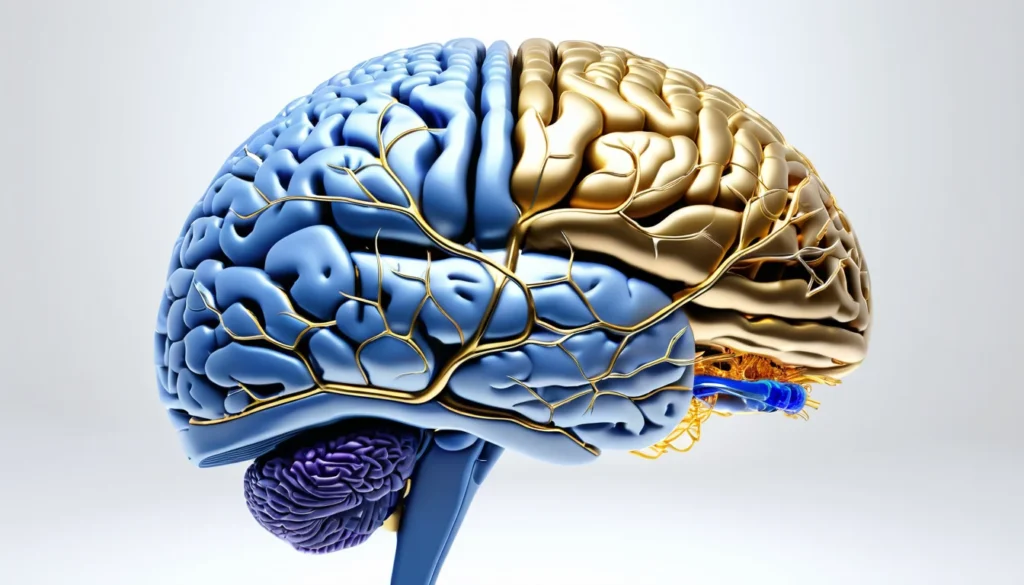
Psychosis is a serious mental health condition that affects the way a person thinks, feels, and understands the world around them. People experiencing psychosis may lose touch with reality, hear or see things that are not there, or hold strong beliefs that are not based in fact. In Canada, psychosis affects people of all ages and backgrounds — and with the right support and treatment, most people can lead full, meaningful lives. This article explains what psychosis is, what causes it, and how Canada’s healthcare system can help.
What Is Psychosis?
Psychosis is not a single illness. It is a term that describes a group of symptoms that disrupt a person’s sense of reality. These symptoms can appear as part of several different mental health conditions.
Doctors use the word psychosis to describe mental illnesses that cause mainly psychological symptoms — rather than those caused by physical brain damage. For example, schizophrenia, delusional disorders, and bipolar disorder with psychotic features all fall under this umbrella.
Understanding psychosis is the first step toward getting the right help. The condition is more common than many Canadians realize. Health Canada recognizes psychosis as a significant public health concern that requires timely and coordinated care.
Common Types of Psychotic Disorders
There are several types of psychotic disorders. Each one has its own pattern of symptoms and course of illness.
Schizophrenia
Schizophrenia is one of the most well-known psychotic disorders. It causes persistent symptoms such as hallucinations, disordered thinking, and difficulty functioning in daily life. Symptoms often appear in late adolescence or early adulthood.
Acute Psychosis
Acute psychosis comes on suddenly and may resolve quickly. It can be triggered by extreme stress, sleep deprivation, drug use, or another medical condition. In some cases, a person may only experience one episode in their lifetime.
Paranoia and Delusional Disorders
Paranoia involves a fixed belief that others are threatening or deceiving you — even when there is no evidence. Delusional disorders are characterized by one or more persistent delusions that last for at least one month. These disorders can be very difficult for family members to understand.
Bipolar Disorder with Psychotic Features
Some people with bipolar disorder experience psychosis during severe manic or depressive episodes. This type of psychosis is closely linked to mood disturbances. Treatment usually targets both the mood disorder and the psychotic symptoms together.
Recognizing the Symptoms of Psychosis
Recognizing the early signs of psychosis can make a real difference. Earlier treatment often leads to better outcomes. However, the symptoms can sometimes be subtle at first.
Common symptoms of psychosis include:
Hallucinations: Hearing, seeing, or feeling things that are not there. Hearing voices is the most common type.
Delusions: Strong beliefs that are not based in reality, such as believing you are being followed or controlled.
Disorganized thinking: Jumping between unrelated topics, speaking in ways that are hard for others to follow.
Withdrawn behaviour: Pulling away from friends, family, and activities that once brought joy.
Changes in mood: Feeling unusually suspicious, anxious, or emotionally flat.
Difficulty concentrating: Trouble focusing or making decisions in everyday situations.
These symptoms can develop gradually over weeks or months. In other cases, they appear very suddenly. Either way, they deserve prompt medical attention.
What Causes Psychosis?
There is no single cause of psychosis. Research suggests it results from a combination of genetic, biological, and environmental factors.
Genetic Factors
Psychosis can run in families. If a close relative has a psychotic disorder, your risk is higher than average. However, having a family history does not mean you will definitely develop the condition.
Brain Chemistry
Changes in the way the brain processes certain chemicals — particularly dopamine and serotonin — are linked to psychosis. These chemical imbalances can affect how we interpret what we see, hear, and experience. This is why many medications for psychosis work by adjusting these chemical signals.
Environmental Triggers
Stressful life events, trauma, and substance use can trigger a psychotic episode in people who are already vulnerable. Cannabis use, in particular, has been linked to a higher risk of psychosis — especially when use begins in adolescence. In addition, sleep deprivation and extreme stress can also play a role.
Other Medical Conditions
Sometimes, psychosis is caused by an underlying medical problem. Conditions such as epilepsy, brain tumours, autoimmune disorders, or severe infections can trigger psychotic symptoms. This is why a full medical evaluation is always important when psychosis is suspected.
How Is Psychosis Treated?
The good news is that psychosis is treatable. Modern treatments have greatly improved outcomes compared to just a few decades ago. Most people with psychosis can live satisfying personal and professional lives with the right support.
Medication
Antipsychotic medications are the cornerstone of psychosis treatment. These drugs help reduce or eliminate hallucinations and delusions. In some cases, mood-stabilizing medications such as lithium are also prescribed. Your doctor will work with you to find the right medication and dose.
Psychotherapy
Medication alone is rarely enough. Psychotherapy — including cognitive behavioural therapy (CBT) — helps people recognize and manage their symptoms. It also builds coping skills and helps people understand their illness. Both individual and group therapy options are available across Canada.
Hospital and Community-Based Care
When symptoms are severe, a short stay in hospital may be necessary. In Canada, this is covered through provincial health plans. Whenever possible, hospitalization is done with the full agreement of the patient and their family. Furthermore, flexible options such as day hospitals and outpatient programmes allow people to get care while staying connected to their communities.
Family Support and Education
Family members play a crucial role in recovery from psychosis. Loved ones are encouraged to learn about the illness, stay calm, and avoid judging the person who is unwell. The goal is to help the person feel understood — not frightened or dismissed. Showing empathy without agreeing with or directly challenging delusions is an approach therapists often recommend.
It is important for family members to remember that psychosis — especially in teenagers — can sometimes be linked to tension or conflict within the family unit. Therefore, family therapy can be a valuable part of the overall treatment plan.
Living with Psychosis in Canada
Recovery from psychosis is possible, but it takes time and persistence. Many Canadians with psychosis go on to hold jobs, maintain relationships, and live independently. The journey looks different for everyone.
Ongoing therapeutic relationships are essential. Regular check-ins with a therapist or psychiatrist, access to crisis support, and early identification of warning signs all help prevent relapses. Many cities and towns across Canada have early psychosis intervention (EPI) programmes designed specifically to support people at the first sign of illness.
According to the World Health Organization, most people with psychotic disorders can improve significantly with treatment and social support. This is an encouraging and important message for Canadians living with — or caring for someone with — psychosis.
When to See a Doctor
If you or someone you love is showing signs of psychosis, please seek medical help right away. Do not wait to see if symptoms improve on their own. Early treatment makes a meaningful difference.
In Canada, you have several options:
Call or visit your family doctor as your first point of contact.
If you do not have a family doctor, go to a walk-in clinic. Most provinces have walk-in clinics with no appointment needed.
In a crisis, go to your nearest hospital emergency department.
Call or text 9-8-8, Canada’s Suicide Crisis Helpline, which also supports people in mental health distress.
Your provincial health plan covers most mental health assessments and treatments. You should not have to face this alone. The Mayo Clinic’s overview of psychosis is also a helpful resource to read before your appointment.
Please always speak with a qualified healthcare provider before making any decisions about mental health treatment. This article is meant to inform, not replace professional medical advice.
Frequently Asked Questions About Psychosis
What are the early warning signs of psychosis?
Early warning signs of psychosis can include withdrawing from friends and family, difficulty concentrating, unusual or suspicious thinking, and changes in sleep patterns. Some people also report feeling that something is “not quite right” before more obvious symptoms appear. If you notice these signs in yourself or a loved one, speak with a doctor as soon as possible.
Can psychosis be cured?
Psychosis cannot always be fully cured, but it can be effectively managed with the right treatment. Many people who experience psychosis recover significantly and lead full, productive lives. Ongoing medication, therapy, and support from family and healthcare providers are key to long-term wellbeing.
Is psychosis the same as schizophrenia?
No, psychosis and schizophrenia are not the same thing. Psychosis is a set of symptoms — including hallucinations and delusions — that can occur in many different conditions. Schizophrenia is one specific disorder that causes psychosis, but psychosis can also occur in bipolar disorder, severe depression, and other conditions.
Can cannabis use cause psychosis?
Yes, cannabis use has been linked to an increased risk of psychosis, particularly in people who start using it during adolescence or who use high-potency products frequently. The risk is higher in people who already have a genetic vulnerability to psychotic disorders. This is an important consideration given that cannabis is legal and widely available across Canada.
How is psychosis treated in Canada?
In Canada, psychosis is typically treated with a combination of antipsychotic medication and psychotherapy, such as cognitive behavioural therapy. Treatment is covered under provincial health plans, and most people access care through their family doctor, a psychiatrist, or an early psychosis intervention programme. Hospital care is available when needed and is also covered by provincial insurance.
How can family members help someone with psychosis?
Family members can help someone with psychosis by staying calm, learning about the condition, and avoiding judgment. It helps to show empathy and let the person know their feelings are understood — without agreeing with or aggressively challenging their delusions. Family therapy and support groups are also valuable resources available in many Canadian communities.
Key Takeaways
Psychosis is a mental health condition that causes a person to lose touch with reality through hallucinations, delusions, or disorganized thinking.
It can occur as part of several different disorders, including schizophrenia, bipolar disorder, and acute psychotic episodes.
Early recognition and treatment lead to significantly better outcomes.
Treatment combines medication, psychotherapy, and ongoing support — all covered by provincial health plans in Canada.
Family involvement is an important part of recovery. Empathy, patience, and education make a real difference.
If you suspect psychosis in yourself or a loved one, contact your family doctor, a walk-in clinic, or go to your nearest emergency department.
Most people with psychosis can live satisfying, meaningful lives with proper treatment and support.