Your protein intake matters more than most people realize. Protein is found in every single cell in your body. It helps build and repair muscles, bones, skin, hair, and nails. In this article, we’ll explain how much protein you need each day, where to get it, and what happens if you don’t get enough.
What Is Protein?
Protein is one of three macronutrients — nutrients your body needs in larger amounts. The other two are fats and carbohydrates. Protein is made up of long chains of building blocks called amino acids.
There are 20 amino acids in total. Your body can make 11 of them on its own. However, the other nine — called essential amino acids — must come from the food you eat. These include histidine, isoleucine, leucine, lysine, methionine, phenylalanine, threonine, tryptophan, and valine.
Complete vs. Incomplete Proteins
Not all proteins are created equal. Foods that contain all nine essential amino acids are called complete proteins. Animal products like meat, fish, eggs, and dairy are complete proteins. So are soy and quinoa, making them great options for plant-based eaters.
Most plant foods — such as beans, nuts, and grains — are incomplete proteins. They are missing one or more essential amino acids. However, you can easily combine incomplete proteins to get everything your body needs.
Easy Protein Combinations
You don’t need to eat a complete protein at every single meal. Your body uses amino acids from recent meals to build what it needs throughout the day. For example, try these simple combinations:
Rice and beans
Peanut butter on whole grain bread
Hummus with whole wheat pita
Lentil soup with a whole grain roll
Eating a variety of protein-rich foods throughout the day is the best approach for most Canadians.
How Much Protein Intake Do You Need Each Day?
Your daily protein intake depends on several factors. These include your age, weight, height, activity level, and whether you are pregnant or breastfeeding. General guidelines can give you a helpful starting point.
Health Canada recommends that adults get between 10 to 35 percent of their daily calories from protein. For children, the range is 10 to 30 percent. As a general rule, many health guidelines suggest roughly 50 grams of protein per day for the average adult eating 2,000 calories.
Keep in mind that protein provides 4 calories per gram — the same as carbohydrates. Fat provides 9 calories per gram. Therefore, protein is a calorie-efficient way to fuel your body and feel full. You can learn more about daily nutrient needs through Health Canada’s healthy eating guidance.
Protein Needs by Life Stage
Protein is especially important during certain times of life. Children and teenagers need enough protein to support healthy growth. Pregnant and breastfeeding women need more protein than usual to support the baby’s development.
Older adults also benefit from a higher protein intake. As we age, our muscles naturally become smaller and weaker. Eating enough protein — along with staying active — helps protect muscle mass as you get older.
Best Sources of Protein
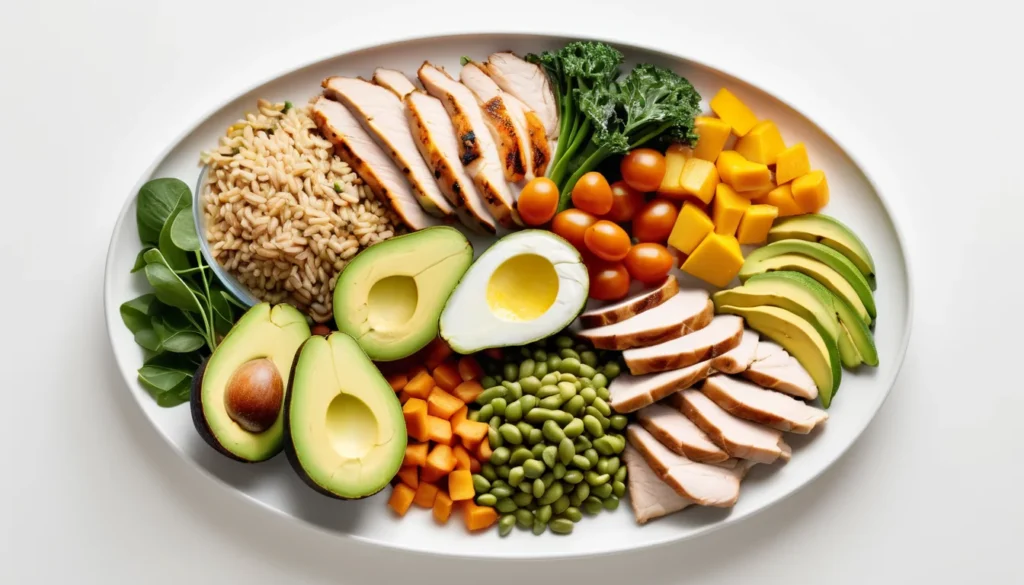
Both animal and plant foods can be excellent sources of protein. Eating a wide variety helps ensure you get all the essential amino acids your body needs. In addition, it gives you other important nutrients like fibre, vitamins, and minerals.
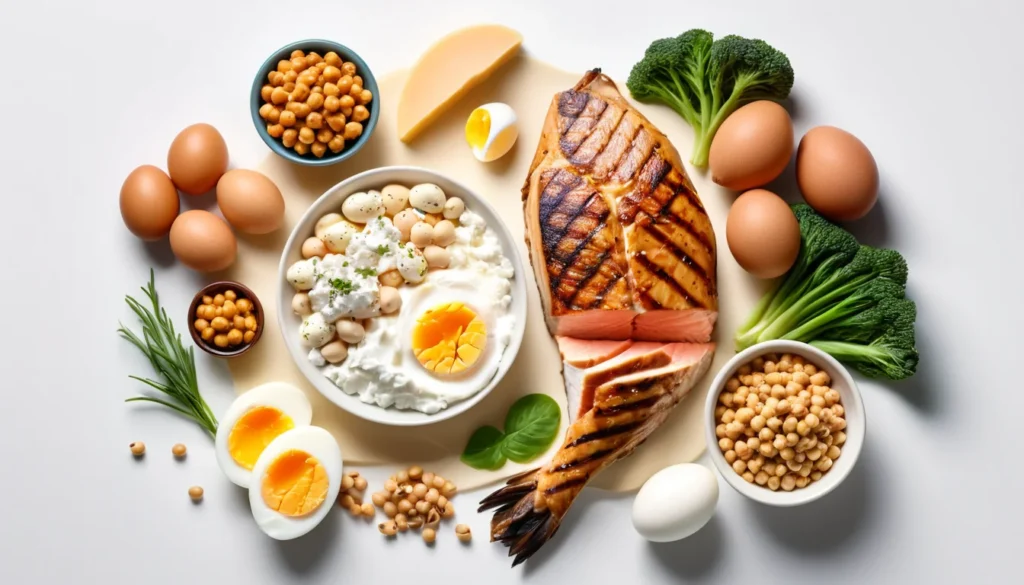
Here are some of the best protein-rich foods to include in your diet:
Seafood — salmon, tuna, shrimp, cod
Lean meat and poultry — chicken breast, turkey, lean beef
Eggs — affordable, versatile, and nutrient-rich
Legumes — lentils, chickpeas, black beans, split peas
Nuts and seeds — almonds, pumpkin seeds, sunflower seeds
Soy products — tofu, edamame, tempeh
Dairy — milk, yogurt, cottage cheese, and cheese
Whole grains — quinoa, oats, whole wheat bread
Foods that provide 20 percent or more of your daily value are considered high in protein. Foods at 5 percent or less are considered low in protein. Checking the Nutrition Facts table on Canadian food labels is an easy way to compare protein content.
Protein for Vegetarians and Vegans
Plant-based eaters can absolutely meet their protein needs. However, it does take a little more planning. Focus on eating a wide range of legumes, whole grains, nuts, seeds, and soy products every day. Furthermore, foods like quinoa and soy provide complete protein on their own, which makes them especially useful.
The Mayo Clinic’s guide to vegetarian nutrition offers helpful advice for building a balanced plant-based diet.
Protein Intake and Weight Management
Some people increase their protein intake to help with weight loss. Protein helps you feel fuller for longer, which can reduce overall calorie intake. As a result, it can support a healthy weight when combined with a balanced diet and regular activity.
However, eating more protein is not a magic solution on its own. It is important to make sure your diet still includes enough fibre from fruits, vegetables, and whole grains. Replacing processed foods and unhealthy fats with protein-rich options is a smart strategy.
Before making big changes to your diet, it is always a good idea to speak with your family doctor or a registered dietitian. They can help you find an approach that works for your health goals and lifestyle.
Signs of Protein Deficiency
Most Canadians get enough protein from their everyday diet. However, some people are at risk of not getting enough. This can happen due to certain health conditions, restrictive diets, or difficulty absorbing nutrients.
Conditions that may affect protein absorption include:
Eating disorders such as anorexia nervosa
Certain genetic conditions
Advanced stages of cancer
Digestive conditions like irritable bowel syndrome (IBS)
Gastric bypass surgery
A very low protein intake can cause serious health problems. Signs of protein deficiency may include:
Poor muscle tone or loss of muscle mass
Swelling or fluid retention (oedema)
Thin or brittle hair
Skin problems or slow wound healing
Fatigue and weakness
A weakened immune system
In severe cases, prolonged protein deficiency can lead to serious forms of malnutrition. These conditions are rare in Canada but can occur in people with complex medical needs. The World Health Organization’s resource on malnutrition explains the global impact of protein deficiency in greater detail.
What Protein Does in Your Body
Protein does far more than build muscle. It plays a key role in many of your body’s daily functions. Without enough protein, your body cannot work properly.
Here are some of the important jobs protein does:
Blood clotting — proteins help your blood clot when you are injured
Fluid balance — proteins help regulate fluids between cells
Immune response — antibodies are proteins that fight infection
Hormone production — many hormones, like insulin, are made of protein
Enzyme activity — enzymes that drive chemical reactions in the body are proteins
Growth and development — especially important during childhood, adolescence, and pregnancy
In short, protein is essential for keeping every system in your body running smoothly.
When to See a Doctor
If you are concerned about your protein intake, talk to your family doctor at your next regular visit. They can review your diet, order blood tests if needed, and refer you to a registered dietitian. Most provincial health plans cover visits to your family doctor, so there is no reason to wait.
If you do not have a family doctor, a walk-in clinic is a great first step. Walk-in clinic physicians can assess your symptoms and help determine if your diet needs adjustment. Early advice can prevent bigger health problems down the road.
You should seek medical attention sooner if you notice significant muscle loss, unusual swelling, extreme fatigue, or changes in your hair and skin. These could be signs of a more serious underlying condition that needs proper care.
Frequently Asked Questions
How much protein intake do I need per day?
Most healthy adults need around 50 grams of protein per day based on a 2,000-calorie diet. However, your ideal protein intake depends on your age, weight, activity level, and health status. A registered dietitian or your family doctor can give you a more personalized recommendation.
What are the best high-protein foods for Canadians?
Great high-protein foods include chicken, salmon, eggs, Greek yogurt, lentils, chickpeas, tofu, and cottage cheese. These foods are widely available at Canadian grocery stores and fit well into a balanced diet. Eating a variety of both animal and plant-based sources helps ensure you get all essential amino acids.
Can you get enough protein on a vegan or vegetarian diet?
Yes, you can absolutely meet your daily protein intake on a plant-based diet with some planning. Focus on foods like lentils, beans, tofu, tempeh, quinoa, nuts, and seeds. Combining different plant proteins throughout the day ensures your body gets all nine essential amino acids.
What happens if you don’t get enough protein?
Low protein intake can cause muscle weakness, fatigue, poor wound healing, and a weakened immune system. Over time, severe deficiency can lead to serious health problems including muscle loss and fluid retention. If you notice these symptoms, speak with your family doctor or visit a walk-in clinic.
Does eating more protein help with weight loss?
Increasing your protein intake can help you feel fuller for longer, which may reduce overall calorie consumption. However, protein alone will not cause weight loss — it works best as part of a balanced diet rich in fibre and combined with regular physical activity. Always talk to your doctor before making major dietary changes.
Do older adults need more protein than younger adults?
Yes, older adults generally benefit from a higher protein intake to help preserve muscle mass and strength. As we age, muscles naturally shrink — a process called sarcopenia — and adequate protein helps slow this down. Staying active and eating protein-rich foods at each meal are both important strategies for healthy aging.
Key Takeaways
Protein intake is essential for building and repairing every cell in your body.
Most healthy adults need around 50 grams of protein per day, though individual needs vary.
Both animal and plant foods can provide excellent sources of protein.
Eating a variety of protein-rich foods throughout the day is the best approach.
Complete proteins contain all nine essential amino acids; incomplete proteins can be combined to achieve the same result.
Protein supports muscle health, immune function, hormone production, and much more.
Signs of protein deficiency include muscle loss, fatigue, swelling, and brittle hair.
If you have concerns about your diet, speak with your family doctor or visit a walk-in clinic — most provincial health plans cover these visits.