Prostate cancer screening is one of the most important steps Canadian men can take to protect their health. Prostate cancer is the second leading cause of cancer death in men, after lung cancer. However, when it is caught early, treatment is far more effective. This guide explains what screening involves, what a PSA test measures, and what your results might mean.
What Is the Prostate and Why Does It Matter?
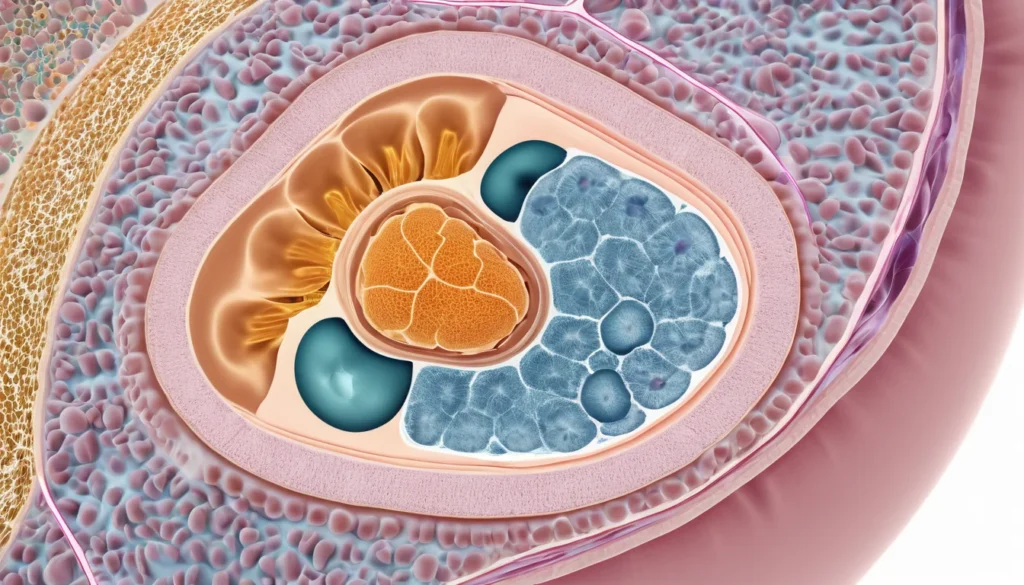
The prostate is a small gland in the male reproductive system. It is roughly the size of a walnut and sits just below the bladder, in front of the rectum. It wraps around the urethra, the tube that carries urine out of the body.
As men age, the prostate tends to grow larger. This growth can squeeze the urethra and affect urine flow. It can also make it harder to tell apart a harmless condition from something more serious, like prostate cancer.
Prostate cancer happens when cells in the prostate grow out of control. Doctors do not fully understand why this occurs, but research points to several contributing factors. Age, family history, and ethnicity all play a role.
Prostate Cancer Risk by Age
Your risk of developing prostate cancer rises significantly as you get older. Understanding your personal risk is the first step toward making smart decisions about prostate cancer screening.
Here is how risk increases with age, based on average lifetime estimates:
Age 45: 1 in 2,500 chance
Age 50: 1 in 476 chance
Age 55: 1 in 120 chance
Age 60: 1 in 43 chance
Age 65: 1 in 21 chance
Age 70: 1 in 13 chance
Age 75: 1 in 9 chance
Over 75: 1 in 6 chance
Over a lifetime, the average man has about a 16% chance of being diagnosed with prostate cancer. However, the risk of dying from it is around 3%. This is largely because many cases are slow-growing and caught before they become life-threatening.
Men with a father or brother who had prostate cancer face a higher risk. For these men, earlier screening is strongly recommended. Health Canada encourages men to speak with their doctor about their individual risk factors.
What Is Prostate Cancer Screening?
Screening means testing for a disease before any symptoms appear. The goal of prostate cancer screening is to find the cancer early, when it is most treatable. Early-stage prostate cancer often causes no pain or noticeable symptoms at all.
There are two main tools used for prostate cancer screening:
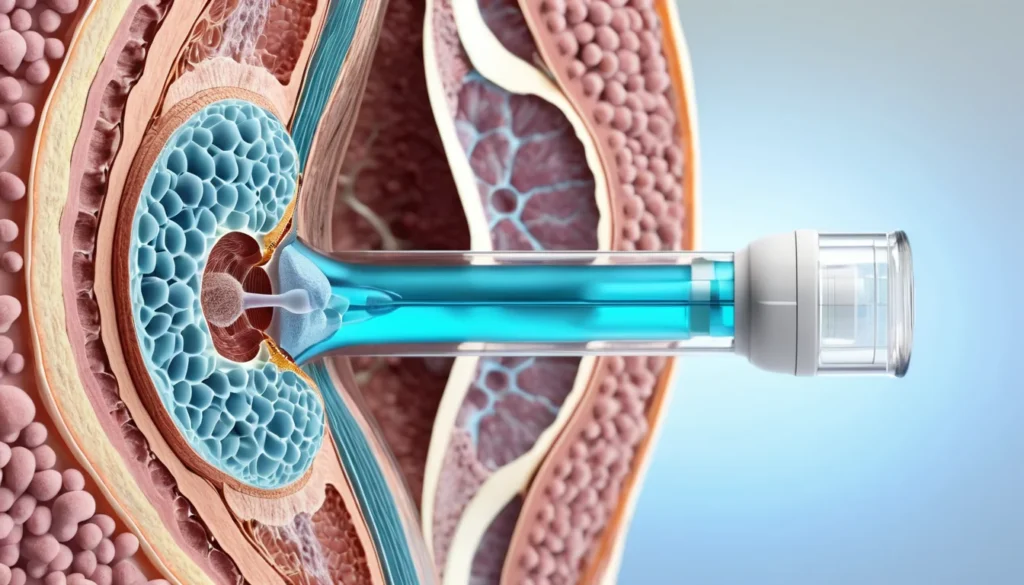
Digital rectal exam (DRE): A urologist or specialist gently feels the prostate through the rectum to check its size, shape, and texture.
PSA blood test: A simple blood test that measures a protein produced by the prostate gland.
Both tests are often used together. Neither test alone is perfect, but together they give doctors a clearer picture. Your family doctor can order a PSA test and refer you to a specialist if needed.
Who Should Get Screened?
Most guidelines recommend that men at average risk begin discussing screening at age 50. For men with a family history of prostate cancer — such as a father or brother who was diagnosed — screening conversations should start at age 40.
Men of African descent also face a higher risk and may benefit from earlier discussions with their doctor. The right time to start screening is a personal decision made with your healthcare provider. It depends on your health history, risk factors, and personal preferences.
Understanding the PSA Test
PSA stands for prostate-specific antigen. It is a protein made by cells in the prostate gland. Small amounts of PSA are always present in the blood, but higher levels can sometimes signal a problem.
The PSA test measures the amount of this protein in your blood. It is reported in nanograms per millilitre (ng/mL). A higher number does not always mean cancer, but it does tell your doctor that further investigation may be needed.
According to the Mayo Clinic’s guide to PSA testing, a PSA level above 4 ng/mL is often considered elevated. However, levels between 4 and 10 ng/mL fall into what doctors call a “grey zone.” In this range, a PSA result alone cannot confirm or rule out cancer.
What Is Free PSA?
PSA travels through the blood in two forms. Some PSA attaches to other proteins. The rest floats freely and is called “free PSA.” Doctors can measure how much of your total PSA is free, expressed as a percentage.
This percentage is very useful in the grey zone. If your free PSA is less than 23% of your total PSA, the chance of prostate cancer is higher. A higher free PSA percentage generally suggests a benign (non-cancerous) condition, such as an enlarged prostate.
Both PSA and free PSA are measured from the same blood sample. No special preparation is needed for the test itself, though your doctor will consider several factors when interpreting your results.
What Affects PSA Levels?
PSA levels are not fixed. Several things can raise or lower them, and this is why results must always be reviewed by a doctor. A high PSA reading does not automatically mean cancer.
Factors that can raise PSA levels include:
A digital rectal exam performed shortly before the test
A prostate biopsy or surgery
Ejaculation within 48 hours of the test
Prostate infections (prostatitis)
Urinary tract infections
An enlarged prostate (benign prostatic hyperplasia, or BPH)
In addition, certain medications can lower PSA levels. For example, finasteride (sold as Proscar), which is used to treat an enlarged prostate, can significantly reduce PSA readings. If you take this medication, tell your doctor before getting tested.
PSA levels also vary by age and ethnicity. Therefore, your doctor will always look at your result in context, not just as an isolated number. As noted by Healthline’s overview of PSA testing, the full clinical picture matters far more than any single lab value.
Conditions That Can Cause a High PSA
A raised PSA level can point to several conditions, not just cancer. These include:
Prostate cancer
Benign prostatic hyperplasia (BPH): A non-cancerous enlargement of the prostate, very common in older men
Prostatitis: Inflammation or infection of the prostate
This is exactly why follow-up testing and specialist consultation are so important. Your doctor will use the PSA result as one piece of a larger puzzle.
How PSA Testing Helps Monitor Treatment
The PSA test is not only useful for screening. It is also a valuable tool once a diagnosis has been made. Doctors use regular PSA measurements to track how well treatment is working.
After treatment for prostate cancer — whether surgery, radiation therapy, or hormone therapy — PSA levels should drop. A rising PSA after treatment can be an early sign that the cancer has returned. This makes the PSA test a powerful monitoring tool throughout a patient’s care journey.
Compared to older markers like prostatic acid phosphatase, PSA is more specific and more sensitive. As a result, it gives doctors a clearer signal and helps guide treatment decisions more accurately.
When to See a Doctor
You do not need to wait for symptoms to talk to a doctor about prostate cancer screening. In fact, waiting for symptoms can mean waiting too long. Prostate cancer often causes no pain or discomfort in its early stages.
If you are a man aged 50 or older, bring up prostate screening at your next appointment with your family doctor. If you are 40 or older and have a family history of prostate cancer, do not wait — ask about screening now.
You can also visit a walk-in clinic if you do not currently have a family doctor. Many walk-in clinics across Canada can order a PSA blood test and refer you to a urologist if needed. PSA testing is generally covered under provincial health plans, but coverage details vary by province, so check with your local health authority.
Talk openly with your doctor about your risk factors, your concerns, and what screening means for you. This is a conversation worth having. Always consult your doctor before making any decisions about your health based on information you read online.
Frequently Asked Questions About Prostate Cancer Screening
At what age should Canadian men start prostate cancer screening?
Most Canadian guidelines suggest men at average risk begin discussing prostate cancer screening with their doctor at age 50. Men with a father or brother who had prostate cancer should start that conversation at age 40. Your family doctor can help you decide what is right for you.
What is a normal PSA level?
There is no single “normal” PSA level, as it varies with age, prostate size, and other factors. Generally, a PSA below 4 ng/mL is considered within range for most men, though some doctors use age-specific cut-offs. Your doctor will always interpret your result in the context of your overall health.
Is the PSA test covered by provincial health plans in Canada?
PSA testing is covered under most provincial health plans in Canada, particularly when ordered by a doctor for screening or monitoring purposes. However, coverage can vary from province to province. It is best to confirm with your provincial health authority or family doctor before getting tested.
Can a high PSA level mean something other than prostate cancer?
Yes. A high PSA level can be caused by a non-cancerous enlarged prostate (BPH), a prostate infection, or even recent physical activity or ejaculation. This is why prostate cancer screening results must always be interpreted by a doctor who can look at the full clinical picture.
What is the difference between PSA and free PSA?
Total PSA measures all PSA in the blood, while free PSA measures the portion that is not bound to other proteins. The ratio of free PSA to total PSA helps doctors distinguish between prostate cancer and a benign enlarged prostate. A free PSA below 23% of total PSA increases the likelihood of cancer being present.
Do I need to prepare for a PSA blood test?
The PSA blood test requires no special fasting or preparation. However, you should avoid ejaculation for at least 48 hours before the test and inform your doctor if you have had a recent rectal exam, prostate biopsy, or are taking medications like finasteride. These factors can all affect your PSA result.
Key Takeaways
Prostate cancer screening looks for cancer before symptoms appear, when treatment works best.
Screening involves a PSA blood test and sometimes a digital rectal exam.
Men over 50 at average risk should discuss screening with their doctor. Men with a family history should start at 40.
A PSA level above 4 ng/mL does not automatically mean cancer. Many factors affect PSA levels.
The free PSA test helps doctors tell the difference between cancer and a benign enlarged prostate.
PSA testing also helps monitor treatment and watch for cancer recurrence.
Talk to your family doctor or visit a walk-in clinic to discuss your personal risk and screening options.
PSA testing is generally covered under provincial health plans across Canada.