Progesterone is one of the most important hormones in the human body, especially for people assigned female at birth. It plays a key role in the menstrual cycle, pregnancy, and overall hormonal balance. In this article, you will learn what progesterone does, what happens when levels are too low, and when it makes sense to talk to your family doctor or visit a walk-in clinic.
What Is Progesterone?
Progesterone is a steroid hormone. Your body makes it from cholesterol. It belongs to a group of hormones called progestogens, sometimes also called progestins when referring to synthetic forms.
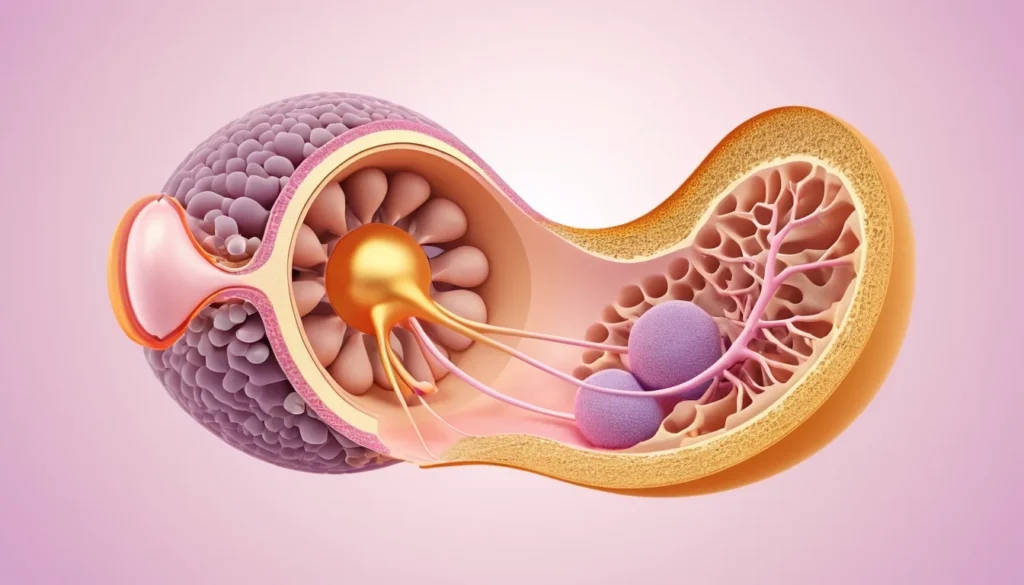
In people with a uterus, the body produces progesterone mainly in three places. The first is the corpus luteum — a small, temporary structure that forms in the ovary after an egg is released. The second is the placenta, which takes over production during pregnancy. The third source is the adrenal glands, which sit on top of the kidneys and produce smaller amounts.
Progesterone is sometimes called the “pregnancy hormone,” but that label only tells part of the story. It also influences your nervous system, body temperature, and how other hormones behave. Understanding progesterone gives you a clearer picture of your overall health.
How Progesterone Works in the Menstrual Cycle
The menstrual cycle has two main phases. The first phase, called the follicular phase, is dominated by estrogen. The second phase, called the luteal phase, is when progesterone takes centre stage.
After ovulation, the corpus luteum forms and begins releasing progesterone. This hormone then changes the lining of the uterus — called the endometrium — to prepare it for a fertilised egg. It increases blood flow to the lining and makes it thicker and more nourishing.
If a fertilised egg does not implant, the corpus luteum breaks down. Progesterone levels drop sharply. As a result, the uterine lining sheds, and menstruation begins. This cycle repeats roughly every 28 days, though normal cycles can range from 21 to 35 days.
For this reason, progesterone is essential for regular, predictable periods. When levels are off, the whole cycle can be disrupted.
Progesterone and Pregnancy
During pregnancy, progesterone plays a critical role in keeping the uterus calm and preventing premature contractions. Without enough of it, the body may not be able to maintain a healthy pregnancy.
In early pregnancy, the corpus luteum continues to produce progesterone. By around 10 weeks, the placenta takes over this job. Progesterone levels rise steadily throughout pregnancy, reaching their peak in the third trimester.
This hormone also suppresses the mother’s immune response so the body does not reject the developing baby. Furthermore, it helps prepare the breasts for milk production by limiting the direct effects of estrogen on breast tissue.
If progesterone levels drop too early in pregnancy, it can increase the risk of miscarriage or preterm birth. This is why doctors sometimes prescribe progesterone supplements to people at risk. According to the Mayo Clinic, low progesterone during early pregnancy may be linked to ectopic pregnancy or early miscarriage.
The Role of Progesterone in Fetal Development
Beyond keeping the uterus stable, progesterone also helps develop the mammary glands. It works alongside other hormones to prepare the body for breastfeeding after birth.
However, during pregnancy, progesterone actually blocks milk production from starting too early. Once the placenta is delivered after birth, progesterone levels drop dramatically. This drop signals the body to begin producing breast milk.
Other Important Functions of Progesterone
Progesterone does much more than support pregnancy and the menstrual cycle. It has several other important jobs throughout the body.
Effects on the Nervous System
Progesterone has a mild calming, or sedative, effect on the central nervous system. Some researchers believe this is why many people feel sleepier or more relaxed in the second half of their menstrual cycle. In addition, progesterone converts into a compound called allopregnanolone, which acts on the brain similarly to anti-anxiety medications.
This connection between progesterone and mood is one reason why hormonal changes can affect how you feel mentally and emotionally. Many Canadians notice mood shifts tied to their cycle — and progesterone is often a factor.
Body Temperature and Ovulation
After ovulation, progesterone causes a slight rise in basal body temperature — usually around 0.2 to 0.5 degrees Celsius. This temperature shift is often used in fertility awareness methods to confirm that ovulation has occurred.
Tracking this temperature change can be a helpful, low-cost tool for those trying to conceive or trying to avoid pregnancy. However, it works best when combined with other methods and guidance from a healthcare provider.
Balancing Estrogen
Progesterone acts as a natural counterbalance to estrogen. Estrogen stimulates the growth of uterine lining and breast tissue. Progesterone limits this growth and keeps it in check. Therefore, the balance between these two hormones matters greatly for long-term health.
When estrogen is high and progesterone is low — a state sometimes called estrogen dominance — people may experience heavy periods, breast tenderness, bloating, and mood changes. Healthline provides a detailed overview of symptoms linked to hormonal imbalance, including low progesterone.
Progesterone in the Adrenal Glands
The adrenal glands also produce progesterone, though in smaller amounts. Here, progesterone acts as a building block. The body uses it to make other hormones, including androgens (like testosterone) and corticosteroids (which help manage stress and inflammation).
This makes progesterone an important precursor hormone — meaning other key hormones depend on it to be made in the first place.
Low Progesterone: What Happens When Levels Drop
Low progesterone levels can cause a range of health issues. The most well-known consequence is difficulty getting pregnant or staying pregnant. When there is not enough progesterone, the uterine lining may not be properly prepared for implantation.
This condition is sometimes called luteal phase deficiency. It means the second half of the menstrual cycle is too short or the corpus luteum does not produce enough progesterone. As a result, a fertilised egg may not be able to implant successfully.
Symptoms of Low Progesterone
Low progesterone can show up in many ways. Common symptoms include:
Irregular or absent periods
Spotting between periods
Difficulty becoming pregnant
Recurrent miscarriages
Mood changes, anxiety, or low mood
Breast tenderness
Bloating and water retention
Fatigue and poor sleep
Hot flashes (especially around perimenopause)
It is worth noting that many of these symptoms overlap with other conditions. Therefore, it is important not to self-diagnose. A blood test ordered by your family doctor or walk-in clinic is the most reliable way to check your progesterone levels.
Causes of Low Progesterone
Several factors can lead to low progesterone levels. These include chronic stress (which raises cortisol and can suppress progesterone), thyroid disorders, being significantly underweight or overweight, excessive exercise, and aging — especially during perimenopause and menopause.
Polycystic ovary syndrome (PCOS) can also affect progesterone by disrupting ovulation. Without ovulation, the corpus luteum does not form, and progesterone cannot be produced normally. According to Health Canada, hormonal health is closely tied to overall well-being and is an area of ongoing public health interest.
Progesterone Therapy: Medical Uses in Canada
When progesterone levels are confirmed to be low, doctors may recommend progesterone therapy. This can take several forms, including oral capsules, vaginal gels or suppositories, injections, or skin creams.
Natural progesterone — also called bioidentical progesterone — is chemically identical to what your body makes. Synthetic versions, called progestins, are used in hormonal contraceptives and some hormone replacement therapies (HRT).
Uses of Progesterone Therapy
In Canada, progesterone therapy is used in several situations:
Fertility treatment: To support the luteal phase and help a fertilised egg implant properly.
Preventing preterm birth: For people at high risk of going into labour too early.
Menopause hormone therapy: Combined with estrogen to protect the uterine lining during hormone replacement therapy.
Treating irregular periods: To help regulate the menstrual cycle when progesterone is insufficient.
Managing endometriosis symptoms: To reduce the abnormal growth of uterine-like tissue.
All forms of progesterone therapy require a prescription in Canada. Your family doctor, OB-GYN, or endocrinologist will decide which type and dose is right for you based on your individual health history.
Is Over-the-Counter Progesterone Cream Safe?
Some health stores and online retailers sell progesterone creams without a prescription. However, these products are not regulated as medications in Canada. Their actual hormone content can vary widely, and they are not a reliable substitute for prescribed therapy.
Always speak with a healthcare provider before using any hormonal product, even those sold over the counter. Self-treating hormonal imbalances can sometimes make things worse.
Progesterone and Menopause
As people approach menopause, progesterone levels decline — often before estrogen does. This drop is one reason why perimenopause (the years leading up to menopause) can bring irregular periods, sleep problems, mood swings, and other uncomfortable symptoms.
During menopause hormone therapy, progesterone (or a progestin) is added to estrogen therapy for people who still have a uterus. This protects the uterine lining from overstimulation by estrogen, which could increase the risk of uterine cancer.
The decision to use hormone therapy is personal and should be made with your doctor. Factors like your age, overall health, and specific symptoms all play a role in finding the right approach.
When to See a Doctor
You should speak with a healthcare provider if you notice any signs that your progesterone levels may be off. This includes irregular periods, difficulty getting pregnant, repeated pregnancy loss, or symptoms like unexplained fatigue, mood changes, or breast tenderness.
Your first step can be visiting your family doctor. If you do not have one, a walk-in clinic can order initial blood tests and refer you to a specialist if needed. In Canada, testing for hormone levels is typically covered under provincial health plans when ordered by a physician for a medical reason.
An endocrinologist (a hormone specialist) or a reproductive endocrinologist can provide more in-depth evaluation and treatment options. Do not wait if symptoms are affecting your quality of life. Getting answers early makes a real difference.
As always, speak with a qualified healthcare provider before starting, stopping, or changing any hormone-related treatment. The information in this article is for general education only and is not a substitute for personalised medical advice.
Frequently Asked Questions About Progesterone
What are the signs of low progesterone?
Common signs of low progesterone include irregular or missed periods, spotting between periods, difficulty getting pregnant, recurrent miscarriages, mood swings, and breast tenderness. Fatigue and poor sleep are also frequently reported. If you notice these symptoms, ask your family doctor to check your hormone levels with a blood test.
How can I increase progesterone naturally?
Some lifestyle changes may support healthy progesterone levels, including managing stress, maintaining a healthy weight, getting enough sleep, and eating a balanced diet rich in zinc, magnesium, and vitamin B6. However, natural approaches may not be enough if you have a clinical deficiency. Always consult your doctor before trying supplements or dietary changes for hormonal health.
What does progesterone do during pregnancy?
Progesterone is essential during pregnancy — it keeps the uterus relaxed, prevents premature contractions, and supports the development of the placenta and breast tissue. It also helps the immune system tolerate the pregnancy. Without adequate progesterone, the risk of miscarriage or preterm birth increases.
Is progesterone therapy safe?
When prescribed and monitored by a doctor, progesterone therapy is generally considered safe for most people. The safety profile can vary depending on the type used — natural bioidentical progesterone versus synthetic progestins — and your individual health history. Your doctor will weigh the benefits and risks based on your specific situation.
Can men have low progesterone?
Yes, men also produce small amounts of progesterone, mainly in the adrenal glands and testes. Low levels in men may be linked to symptoms such as fatigue, low libido, and mood changes, though this is less commonly discussed. If you are concerned, a doctor can assess your hormone levels and recommend appropriate next steps.
How is progesterone tested in Canada?
A simple blood test can measure your progesterone levels. In Canada, your family doctor or walk-in clinic can order this