Progeria, also known as Hutchinson-Gilford Progeria Syndrome, is an extremely rare and serious genetic disorder that causes children to age rapidly. Children with progeria appear healthy at birth, but signs of accelerated ageing begin to appear within the first two years of life. This condition affects roughly 1 in 4 million newborns worldwide and has no cure. However, understanding its causes, symptoms, and treatment options can help families navigate this diagnosis with greater confidence.
What Is Progeria?
Progeria is a progressive genetic condition that dramatically speeds up the ageing process in children. The word “progeria” comes from the Greek word meaning “prematurely old.” Children with this condition typically develop physical features associated with old age long before they reach their teenage years.
Despite how it affects the body, progeria does not impair a child’s intelligence or emotional development. Children with progeria learn, laugh, and grow socially just like their peers. The condition is primarily physical, affecting the skin, heart, joints, and overall growth.
According to the Mayo Clinic’s overview of progeria, fewer than 400 children are living with this condition worldwide at any given time. Since it was first described in 1886, only about 130 cases have been documented in medical literature.
What Causes Progeria?
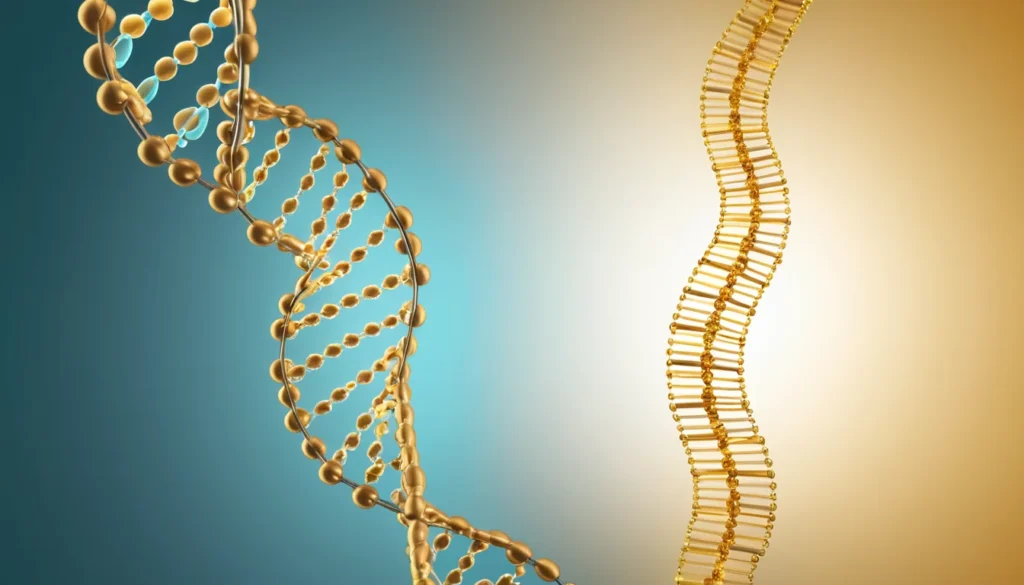
Progeria is caused by a single mutation in a gene called lamin A (LMNA). This gene is responsible for producing a protein that holds the nucleus of each cell together. When this protein is abnormal, cells become unstable and die much earlier than they should.
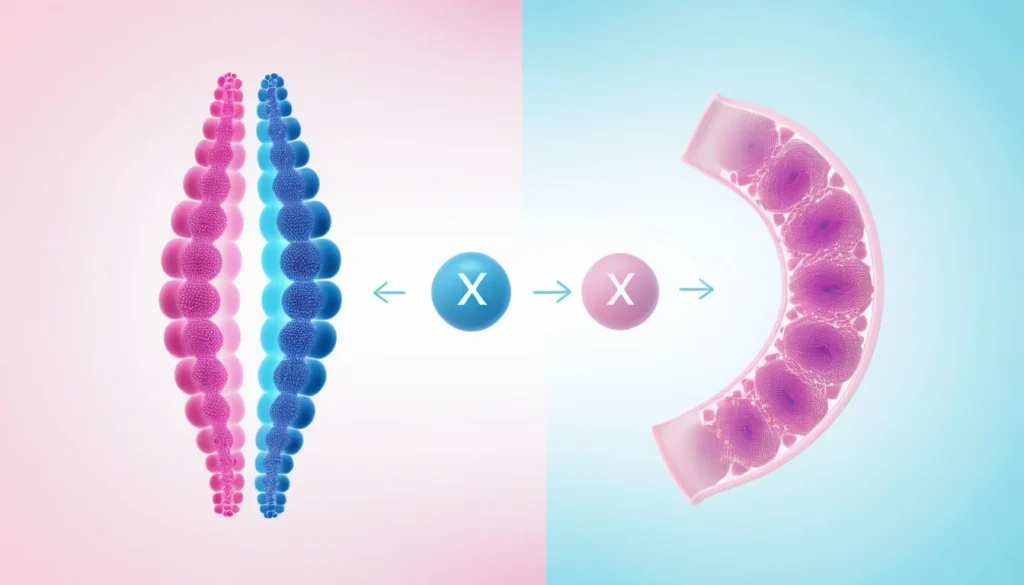
As a result of this cellular instability, the body ages far more quickly than normal. Researchers believe the mutation happens in a single sperm or egg cell just before conception. This means neither parent carries the defective gene — the mutation is entirely new in the child.
Is Progeria Inherited?
Unlike many genetic conditions, progeria is not passed down through families. Parents of a child with progeria are not carriers, and the chance of having a second affected child is very low. This also means family genetic screening is not typically recommended.
However, there are other related conditions, sometimes called progeroid syndromes, that can be inherited. These include:
Wiedemann-Rautenstrauch Syndrome (Neonatal Progeroid Syndrome) — signs of ageing are visible at birth.
Werner Syndrome — ageing begins in adolescence or early adulthood.
Both of these inherited syndromes carry a reduced life expectancy and are distinct from classic Hutchinson-Gilford Progeria Syndrome.
Recognising the Symptoms of Progeria
In the first year of life, most children with progeria show no obvious signs beyond slow weight gain and delayed growth. As the condition progresses, a distinctive set of physical features begins to appear.
Early Signs to Watch For
Parents are often the first to notice something is different. Common early signs include slower-than-normal growth in both height and weight. A child may also begin losing hair, including eyebrows and eyelashes, earlier than expected.
Furthermore, changes in skin texture — such as tightening or a aged appearance — may become noticeable before the child’s second birthday.
Physical Features Associated With Progeria
As children grow older, progeria produces a recognisable set of physical characteristics. These include:
Slowed overall growth and low body weight
A disproportionately large head compared to the face
Narrow face with a small jaw (micrognathia)
Thin nose and lips
Prominent eyes
Visible veins beneath the skin
Loss of hair (alopecia), including eyelashes and eyebrows
High-pitched voice
Delayed and abnormal tooth development
Loss of body fat and muscle mass
Stiff joints and hip dislocation
Irregular heartbeat
Insulin resistance
It is important to note that motor development and cognitive abilities remain normal. Children with progeria typically reach their developmental milestones in terms of learning and movement.
Complications of Progeria
The most serious complications of progeria involve the cardiovascular system. Most children with this condition develop atherosclerosis — a hardening and thickening of the artery walls that restricts blood flow.
This is similar to what healthy adults may experience in their 60s or 70s, but in children with progeria, it develops much earlier. As a result, the heart and blood vessels come under significant strain at a young age.
Heart and Stroke Risk
The two leading complications are heart attack and stroke. Blocked blood vessels supplying the heart can lead to a heart attack or congestive heart failure. Similarly, blockages in blood vessels supplying the brain can trigger a stroke.
Most children with progeria live into their early teens, with the average life expectancy being around 13 to 14 years. Heart disease is the most common cause of death. For additional background, the World Health Organization’s guide to cardiovascular disease provides helpful context on how vascular damage affects the body.
Interestingly, progeria does not cause conditions typically associated with normal ageing, such as Alzheimer’s disease or nearsightedness. The ageing it causes is selective and centred primarily on the cardiovascular system and skin.
How Is Progeria Diagnosed?
Doctors may suspect progeria based on a child’s physical appearance and growth patterns. The hallmark signs — hair loss, aged-looking skin, and slowed growth — are often what prompt a referral to a specialist.
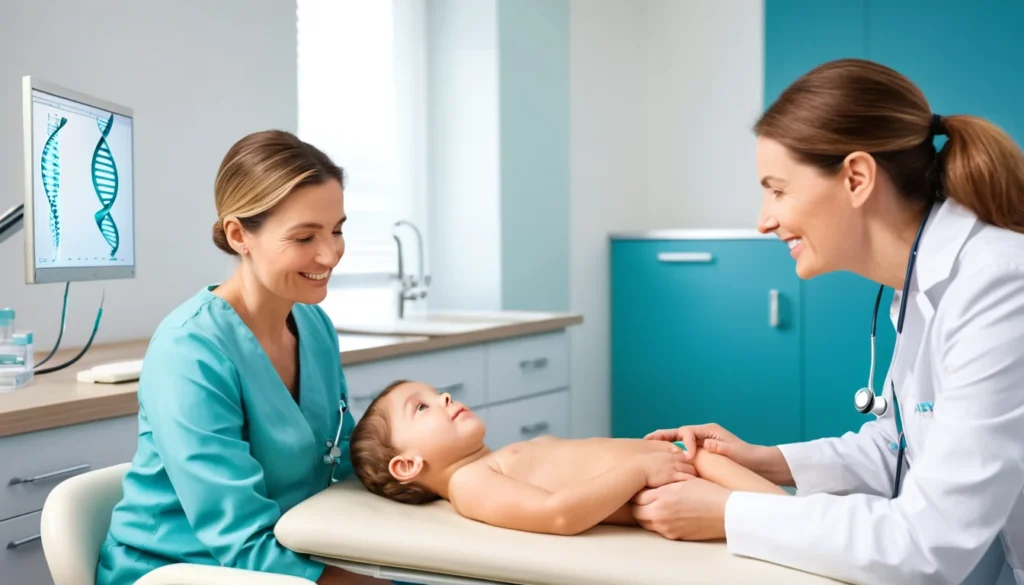
Confirmation of the diagnosis requires a genetic test that looks specifically for mutations in the LMNA gene. This test can identify the condition early, which allows medical teams to begin cardiovascular monitoring and supportive care as soon as possible.
Prenatal Testing
Prenatal diagnosis is technically possible through amniocentesis, a procedure that tests the fluid surrounding a baby in the womb. However, because progeria is not an inherited condition and occurs so rarely, doctors do not routinely test for it during pregnancy. Prenatal testing is generally only considered in very specific circumstances.
Treatment Options for Progeria
There is currently no cure for progeria. However, treatment focuses on slowing the progression of heart disease and managing symptoms to give children the best possible quality of life.
Medical Treatments
Doctors may recommend several medical approaches, depending on the child’s condition:
Low-dose aspirin (daily): This can help prevent heart attacks and strokes by reducing the risk of blood clots.
Statins: These medications help lower cholesterol levels and reduce cardiovascular risk.
Anticoagulants: Blood thinners help prevent dangerous clotting in narrowed arteries.
Growth hormones: These may be prescribed to support height and weight gain.
Coronary bypass surgery or angioplasty: In some cases, surgical procedures may help improve blood flow to the heart and slow cardiovascular decline.
In addition, a drug called lonafarnib has received approval from health regulators for use in progeria. Research has shown it can extend life expectancy in some children with the condition. Speak with your child’s specialist to find out whether this treatment is available through your provincial health plan.
Supportive Therapies
Beyond medications, several supportive therapies can meaningfully improve a child’s day-to-day life:
Physiotherapy: Helps maintain joint mobility, manage stiffness, and reduce the risk of hip dislocation.
Occupational therapy: Supports a child’s ability to stay active, independent, and engaged in daily activities.
Dental care: Because permanent teeth can come in before baby teeth fall out, early extraction of baby teeth may be needed to prevent dental complications.
Families should work closely with a multidisciplinary care team, which may include a paediatric cardiologist, physiotherapist, and dietitian. Many children’s hospitals across Canada offer coordinated care programmes for complex genetic conditions. You can learn more about accessing specialist care through Canada’s health care system on the Health Canada website.
When to See a Doctor
If you notice your child is growing more slowly than expected — or if you observe hair loss, changes in skin texture, or unusual physical features — speak with your family doctor as soon as possible. These signs alone do not confirm progeria, but they are worth investigating promptly.
Your family doctor can refer your child to a paediatric specialist or a genetics clinic. If you do not have a family doctor, a walk-in clinic can help with an initial assessment and refer you to the appropriate specialist through your provincial health plan. Early diagnosis allows care teams to monitor heart health from the start, which can make a real difference in outcomes.
Do not wait for symptoms to worsen. Trust your instincts as a parent — you know your child best.
Frequently Asked Questions About Progeria
What is the life expectancy of a child with progeria?
Most children with progeria live into their early teens, with an average life expectancy of around 13 to 14 years. Heart disease is the most common cause of death in children with progeria. However, early treatment and close cardiovascular monitoring can help extend and improve quality of life.
Can progeria be cured?
There is currently no cure for progeria. Treatment focuses on managing symptoms and slowing the progression of heart disease. A drug called lonafarnib has been shown to extend life expectancy in some children with progeria and may be available through specialist care.
Is progeria hereditary or passed down in families?
Classic Hutchinson-Gilford Progeria Syndrome is not inherited. The genetic mutation that causes progeria occurs spontaneously before conception and is not passed from parent to child. This means parents of a child with progeria are not carriers of the condition.
How rare is progeria?
Progeria is extremely rare, occurring in approximately 1 in every 4 million newborns worldwide. At any given time, fewer than 400 children are estimated to be living with progeria globally. Since it was first described in 1886, only about 130 cases have been documented in medical literature.
What are the first signs of progeria in a child?
The earliest signs of progeria are usually slow growth and poor weight gain in the first year of life. Hair loss, changes in skin texture, and distinctive facial features typically become more noticeable during the second year. If you notice these signs, speak with your family doctor or visit a walk-in clinic for an assessment.
Does progeria affect a child’s intelligence or brain development?
No — progeria does not affect a child’s intellectual or cognitive development. Children with progeria typically have normal intelligence and reach standard learning milestones. The condition primarily affects physical development, particularly the cardiovascular system and skin.
Key Takeaways
Progeria is a rare genetic disorder that causes rapid physical ageing in children, affecting approximately 1 in 4 million newborns.
It is caused by a spontaneous mutation in the LMNA gene and is not passed down through families.
Signs typically appear within the first two years of life and include slowed growth, hair loss, and aged-looking skin.
The most serious complication is cardiovascular disease, including heart attack and stroke, which remains the leading cause of death.
There is no cure, but treatments such as low-dose aspirin, statins, physiotherapy, and the drug lonafarnib can help manage symptoms and extend life expectancy.
Intelligence and cognitive development are not affected by progeria.
If you have concerns about your child’s growth or development, speak with your family doctor or visit a walk-in clinic. Early diagnosis leads to better care outcomes.
This article is for informational purposes only and does not replace professional medical advice. Always consult your family doctor or a qualified healthcare provider if you have concerns about your child’s health or development.