Prion diseases are a group of rare but serious conditions that damage the brain and nervous system. They affect both humans and animals, and they are always progressive — meaning they get worse over time. In Canada, awareness of these conditions has grown since the mad cow disease outbreak in the 1990s. Understanding what prion diseases are, how they spread, and what symptoms to watch for can help Canadians make informed decisions about their health.
What Are Prion Diseases?
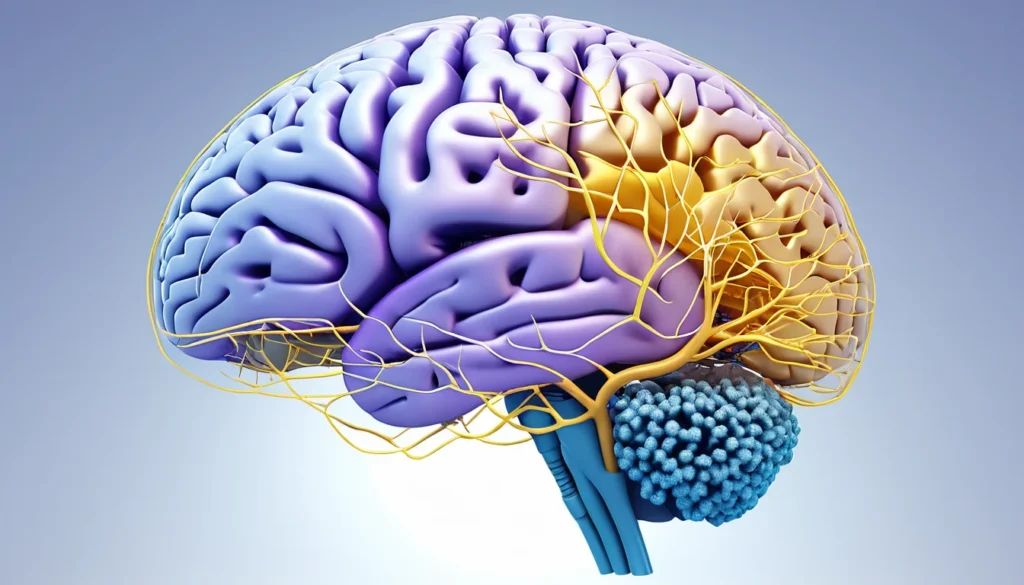
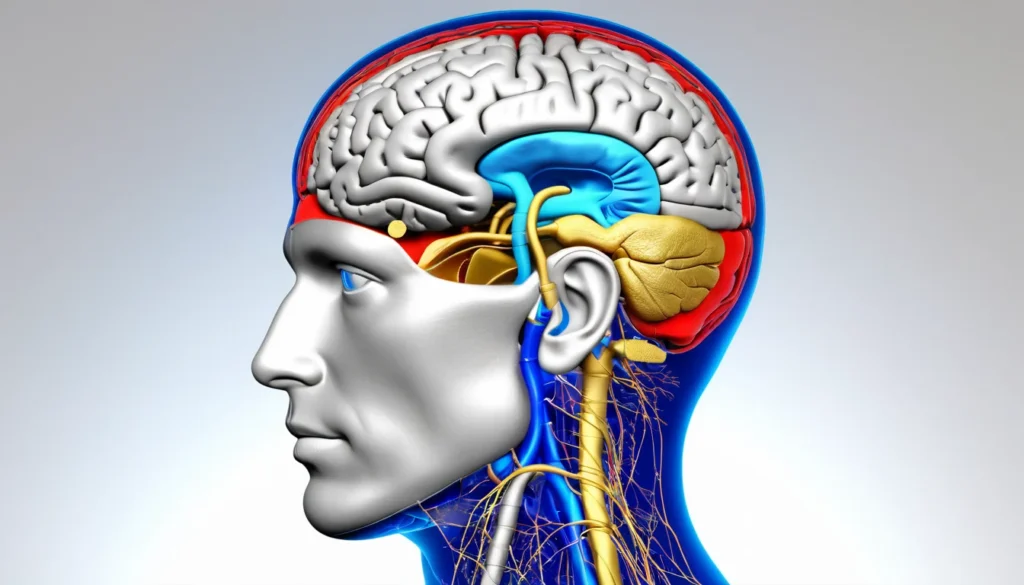
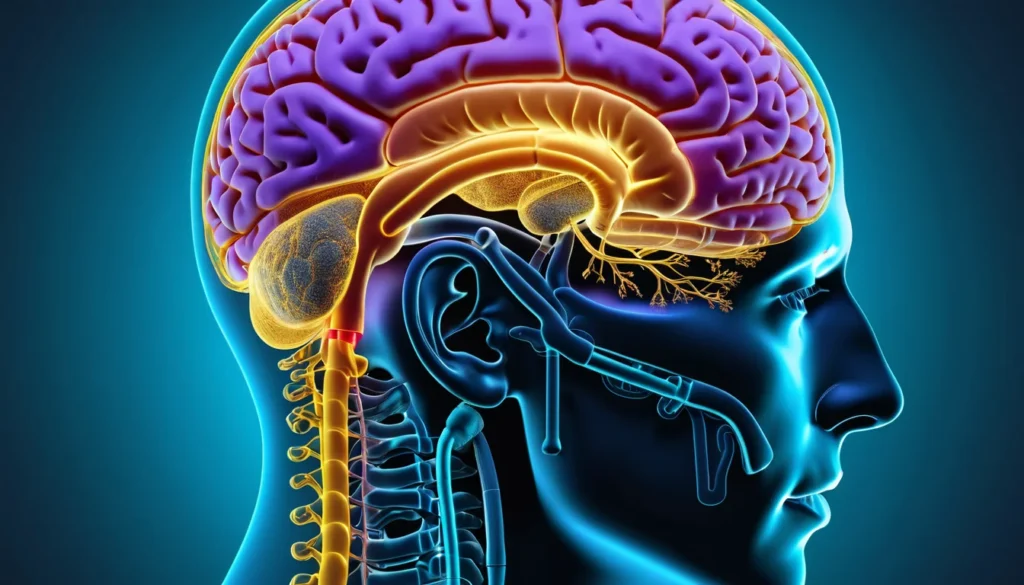
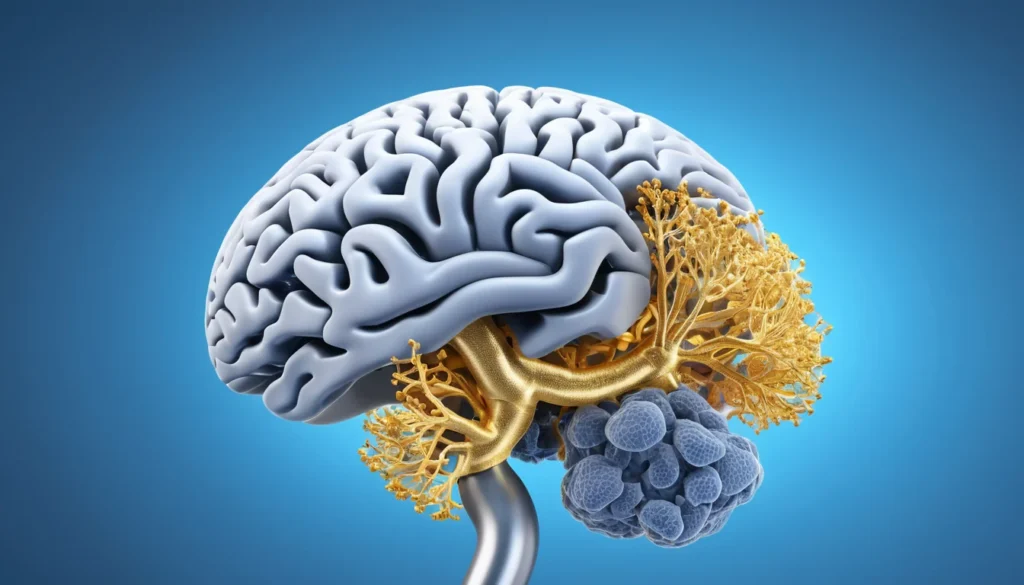
Prion diseases attack the brain and nervous system. They cause a slow but steady breakdown of brain function, leading to memory loss, personality changes, and difficulty with movement. Over time, they can cause severe mental decline — a condition doctors call dementia.
Symptoms typically begin in adulthood. Unfortunately, these diseases are fatal. Most people with a prion disease die within months to a few years of their first symptoms appearing.
The family of prion diseases includes several distinct conditions. The most well-known is Creutzfeldt-Jakob disease (CJD). Others include Gerstmann-Sträussler-Scheinker syndrome and fatal familial insomnia. Although these conditions are different, they share many overlapping signs and symptoms.
What Causes Prion Diseases?
To understand prion diseases, it helps to understand what a prion actually is. A prion is a type of protein found naturally in the brain. Normally, this protein helps brain cells communicate and may protect them from damage.
However, sometimes this protein folds into the wrong shape. When that happens, it becomes harmful. This abnormal protein is called PrPSc. What makes it especially dangerous is that it causes nearby healthy proteins to misfold as well. The abnormal proteins then clump together and slowly destroy brain cells.
As brain cells die, tiny holes form in brain tissue. Under a microscope, the brain begins to look like a sponge. This spongy appearance is one of the key features that doctors and researchers look for when diagnosing prion diseases.
Sporadic Prion Diseases
The most common form of prion disease is called sporadic. This means it appears without any known cause or risk factor. Most people who develop CJD, for example, have no family history of the disease and no known exposure to prions. Sporadic cases account for the large majority of all prion disease diagnoses.
Inherited Prion Diseases
A smaller number of prion diseases are passed down through families. These are caused by a change — called a mutation — in a gene known as PRNP. This gene carries the instructions for making prion protein. When the gene is altered, the body produces a faulty version of the protein.
Inherited prion diseases follow what doctors call an autosomal dominant pattern. This means that inheriting just one copy of the changed gene from one parent is enough to cause the disease. In some cases, a parent may carry the mutation without showing symptoms, but can still pass it on to their children.
Acquired Prion Diseases
In rare cases, prion diseases can be transmitted from outside the body. These are called acquired prion diseases. There are a few known ways this can happen.
One well-known example is variant CJD, which is linked to eating beef from cattle infected with bovine spongiform encephalopathy (BSE) — commonly known as mad cow disease. In cattle, BSE is a prion disease that destroys brain tissue. Health Canada provides detailed information on BSE and food safety in Canada.
Another rare form is called iatrogenic CJD. This occurs when a person is accidentally exposed to prion-infected tissue during a medical procedure. For example, early cases were linked to the use of contaminated surgical instruments or certain medical treatments involving tissue from infected donors. Modern medical standards have greatly reduced this risk.
A historical example of an acquired prion disease is kuru. Researchers identified it in a tribe in Papua New Guinea. The disease spread through the practice of consuming human tissue during funeral rituals. Kuru has since disappeared as those practices ended.
Prion Diseases and Genetics: What You Should Know
If prion diseases run in your family, you may wonder about your own risk. Genetic testing can identify mutations in the PRNP gene. However, genetic testing is a deeply personal decision, and it is important to discuss it carefully with your family doctor or a genetic counsellor before proceeding.
It is also worth noting that not all inherited mutations lead to disease at the same age or with the same severity. The science in this area is still evolving. Furthermore, the sporadic and acquired forms of prion diseases are not inherited and cannot be passed from person to person through everyday contact. You cannot catch a prion disease from being near someone who has it.
Recognising the Symptoms of Prion Diseases
Symptoms of prion diseases can be difficult to spot at first. They often resemble other neurological conditions. However, as the disease progresses, symptoms tend to worsen quickly. Knowing what to look for can help you seek care sooner.
Early Symptoms
In the early stages, a person may experience subtle changes. These can include:
Memory problems or forgetfulness
Mood changes or unusual behaviour
Difficulty concentrating or thinking clearly
Mild problems with coordination or balance
Depression or anxiety that seems to appear suddenly
Later Symptoms
As the disease progresses, symptoms become more severe. Later-stage symptoms may include:
Rapid mental decline and severe dementia
Involuntary muscle jerks or twitches (called myoclonus)
Blindness or significant vision problems
Weakness in the limbs
Difficulty speaking or swallowing
Loss of the ability to move or communicate
The speed at which symptoms worsen varies depending on the type of prion disease. Some forms progress over months, while others may develop over a few years. In all cases, the condition is ultimately fatal. The Mayo Clinic offers a thorough overview of Creutzfeldt-Jakob disease symptoms and causes.
How Are Prion Diseases Diagnosed and Treated?
Diagnosing a prion disease is challenging. No single test can confirm the diagnosis on its own. Doctors typically use a combination of tools, including brain imaging (such as MRI scans), spinal fluid tests, and electroencephalograms (EEG), which measure electrical activity in the brain.
In some cases, a brain tissue sample — called a biopsy — may be needed. A definitive diagnosis is often only possible after death, through examination of brain tissue.
As of now, there is no cure for prion diseases. There are also no treatments that can slow or stop their progression. Medical care focuses on keeping patients as comfortable as possible and managing symptoms. This is called palliative care. Families going through this are encouraged to connect with social workers and palliative care specialists who can provide support.
Research into prion diseases is ongoing around the world. Scientists are working to better understand how abnormal proteins spread in the brain and whether future therapies might be able to interrupt that process. The World Health Organization provides updated information on prion disease research and global health guidance.
When to See a Doctor
If you or a family member notice sudden or unexplained changes in memory, behaviour, or movement, it is important to seek medical attention promptly. Do not wait to see if symptoms improve on their own.
Start by booking an appointment with your family doctor. They can assess your symptoms, order initial tests, and refer you to a neurologist — a specialist in brain and nervous system conditions — if needed. If you do not have a family doctor, a walk-in clinic can be a good first step. Most provincial health plans in Canada cover visits to both family doctors and specialists when referred.
Keep in mind that many of the early symptoms of prion diseases can also be caused by other, more treatable conditions. Your doctor will work to rule those out first. Early assessment is always worthwhile, regardless of the eventual diagnosis. As always, this article is meant to inform, not replace professional medical advice. Please speak with a qualified healthcare provider about any health concerns.
Frequently Asked Questions About Prion Diseases
Can you catch prion diseases from another person?
Prion diseases are not contagious in the way that colds or flu are. You cannot catch them through everyday contact like touching, hugging, or breathing the same air. However, in very rare cases, acquired forms of prion diseases have been linked to exposure to infected tissue through medical procedures or, historically, through consuming infected tissue.
Is mad cow disease the same as a prion disease?
Yes. Mad cow disease — officially called bovine spongiform encephalopathy (BSE) — is a prion disease that affects cattle. A human form called variant Creutzfeldt-Jakob disease has been linked to eating beef from infected animals. Strict food safety regulations in Canada are in place to protect the public from this risk.
Are prion diseases hereditary?
Some forms of prion diseases are inherited through a mutation in the PRNP gene. These familial forms follow an autosomal dominant pattern, meaning just one copy of the altered gene can cause the condition. However, the majority of prion disease cases are sporadic, meaning they occur with no known family history or genetic cause.
How quickly do prion diseases progress?
Prion diseases progress at different rates depending on the type. Some forms of CJD can cause death within a few months of the first symptoms. Other types, such as certain inherited forms, may progress more slowly over a period of years. In all cases, prion diseases are considered rapidly progressive compared to other neurological conditions.
Is there a cure or treatment for prion diseases?
Currently, there is no cure for prion diseases and no treatment that can slow or reverse their progression. Medical care focuses on managing symptoms and providing comfort through palliative care. Researchers around the world are actively studying these conditions in the hope of finding future therapies.
How common are prion diseases in Canada?
Prion diseases are extremely rare. Globally, CJD — the most common human prion disease — affects roughly one person per million each year. In Canada, only a small number of cases are reported annually. Despite their rarity, these conditions are taken seriously by public health authorities due to their severity.
Key Takeaways
Prion diseases are rare, progressive brain disorders that are always fatal.
They are caused by abnormally shaped proteins that damage and destroy brain cells.
Most cases are sporadic, with no known cause. A smaller number are inherited or acquired.
Mad cow disease (BSE) is a prion disease in cattle. Eating infected beef has been linked to a human form called variant CJD.
Early symptoms include memory loss, personality changes, and coordination problems.
There is currently no cure. Care focuses on managing symptoms and supporting quality of life.
If you notice sudden neurological symptoms in yourself or a loved one, speak to your family doctor or visit a walk-in clinic as soon as possible.
Always consult a qualified healthcare professional for personal medical advice.