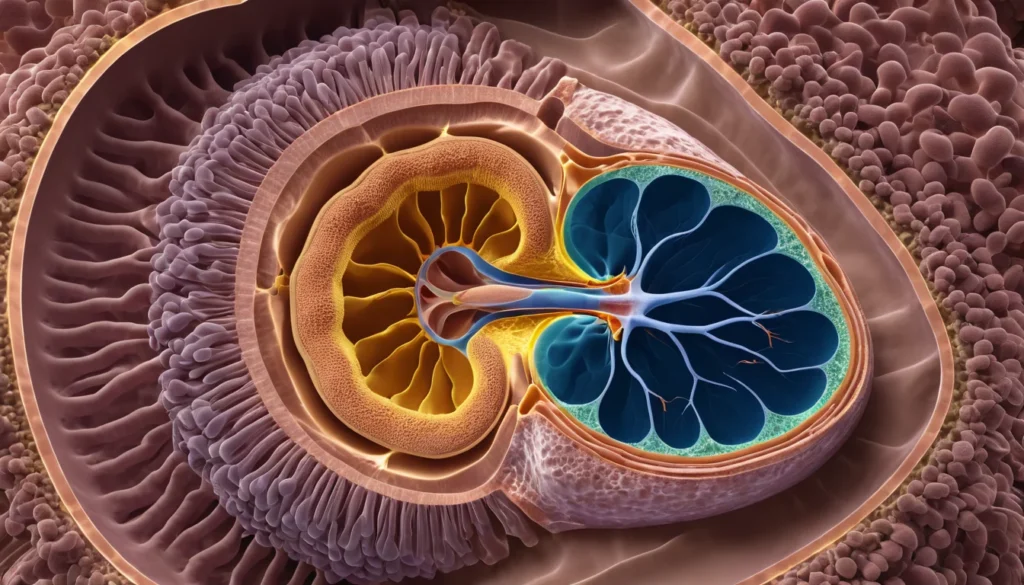
Primary biliary cholangitis (PBC) is a chronic, progressive liver disease that slowly damages the bile ducts inside the liver. Over time, this damage causes bile to build up in the liver, leading to scarring and serious liver problems. Understanding this condition can help you recognize the warning signs early and get the right care through your family doctor or a specialist.
What Is Primary Biliary Cholangitis?
Primary biliary cholangitis is an autoimmune disease. This means the body’s immune system mistakenly attacks healthy tissue — in this case, the small and medium-sized bile ducts inside the liver.
When these ducts are destroyed, bile cannot flow properly. Toxic substances that are normally removed through bile begin to build up inside the liver. Over many years, this leads to permanent liver cell damage and, eventually, cirrhosis (severe liver scarring).
The term “primary biliary cirrhosis” was used for many years. However, doctors now prefer the name primary biliary cholangitis because cirrhosis only appears in the later stages of the disease. Learn more about primary biliary cholangitis at the Mayo Clinic.
Who Gets Primary Biliary Cholangitis?
This condition affects women far more often than men. In fact, approximately 90% of all patients are women. Most are between the ages of 40 and 60 when they receive a diagnosis.
PBC appears to be more common in the United Kingdom and Scandinavian countries, with rates of 15 to 25 cases per 100,000 people. It also occurs in Canada, and Canadian researchers continue to study its patterns and risk factors.
The good news is that many people live with PBC for years without symptoms. However, if the disease goes untreated, it can become life-threatening within a decade of the first symptoms appearing.
What Causes Primary Biliary Cholangitis?
The exact cause of primary biliary cholangitis is not yet fully understood. However, researchers believe several factors work together to trigger the disease.
Autoimmune Activity
The strongest evidence points to an autoimmune cause. People with PBC often have specific antibodies in their blood called antimitochondrial antibodies (AMA). These are found in up to 95% of patients and are a key marker doctors look for when making a diagnosis.
PBC also frequently occurs alongside other autoimmune conditions. These include autoimmune thyroid disease, Raynaud’s phenomenon, and Sjögren’s syndrome (a condition that causes dry eyes and dry mouth).
Genetic Risk Factors
Family history plays a role. First-degree relatives of someone with PBC have a significantly higher risk of developing the disease themselves. If your parent or sibling has PBC, it is worth mentioning this to your family doctor.
Environmental and Infectious Triggers
Some research suggests that recurring urinary tract infections caused by gram-negative bacteria (such as certain Enterobacteriaceae) may trigger or worsen the autoimmune response in people who are already genetically at risk. Furthermore, other environmental exposures are still being studied.
In addition, age and sex remain the strongest predictors. Women between 40 and 60 are the most commonly affected group. Healthline provides a helpful overview of PBC risk factors and causes.
Symptoms of Primary Biliary Cholangitis
Symptoms of primary biliary cholangitis develop slowly. Many people have no symptoms at all in the early stages. As a result, the disease is sometimes found by accident during routine blood work ordered for another reason.
Fatigue
Fatigue is the most common symptom, affecting more than 70% of patients. It is often the first sign that something is wrong. This is not ordinary tiredness — it can be severe enough to interfere with daily activities, work, and quality of life.
In some cases, fatigue is linked to disrupted sleep patterns. Patients often have insomnia at night and feel drowsy during the day. Interestingly, the severity of fatigue does not always match how advanced the liver disease is. Some people with mild liver damage still experience significant fatigue.
Itching (Pruritus)
Itching affects about 55% of people with PBC. For some, it is mild and manageable. However, in about 10% of cases, the itching is intense and constant.
Severe itching can lead to scratch marks and open sores on the skin. These sores can become infected if left untreated. The itching is caused by bile salts building up under the skin when bile cannot drain properly from the liver.
Other Common Symptoms
As the disease progresses, other symptoms may appear. These include:
Abdominal discomfort, particularly in the upper right side (where the liver sits)
Jaundice — yellowing of the skin and whites of the eyes (affects about 10% of patients)
Dry eyes and dry mouth (Sjögren’s-type symptoms)
Fatty stools (steatorrhoea) — pale, greasy, foul-smelling stools caused by poor fat absorption
Xanthelasmas — small yellowish fat deposits that form around the eyes
Swollen liver (hepatomegaly) — noticeable in about 25% of patients
Late-Stage Symptoms
In advanced PBC, when cirrhosis has developed, more serious signs may appear. These can include:
Fluid build-up in the abdomen (ascites)
Swelling in the legs and ankles (peripheral oedema)
Muscle wasting and weakness
Enlarged spleen (splenomegaly)
Skin darkening (hyperpigmentation)
Redness of the palms (palmar erythema)
In a small number of patients, advanced liver disease from PBC can lead to liver cancer (hepatocellular carcinoma). This makes early diagnosis and ongoing monitoring very important.
How Is Primary Biliary Cholangitis Diagnosed?
About 25% of people with PBC are diagnosed during routine blood tests — before they even notice any symptoms. This is why annual check-ups and routine bloodwork through your provincial health plan are so valuable.
If your doctor suspects PBC, they will start by asking detailed questions about your symptoms, when they began, and how they have changed over time. A physical examination will follow.
Blood Tests
Blood tests are the most important diagnostic tool. Your doctor will look for:
Elevated alkaline phosphatase (ALP) — a key early marker
Elevated GGT (gamma-glutamyl transferase)
Raised IgM immunoglobulin levels
Presence of antimitochondrial antibodies (AMA)
Antinuclear antibodies (ANA) in some cases
Imaging and Biopsy
An ultrasound of the liver is often ordered to rule out other causes of bile duct problems. In some cases, a liver biopsy (a small tissue sample) may be needed to confirm the diagnosis and assess the stage of the disease. Your family doctor will refer you to a gastroenterologist or hepatologist (liver specialist) for these tests.
Early-stage PBC may show very few physical changes on examination. However, as the disease advances, a doctor can detect an enlarged liver, skin changes, and other signs during a physical check-up. Health Canada offers resources to help Canadians navigate specialist care and liver health.
When to See a Doctor
You should speak with your family doctor if you have persistent fatigue that is affecting your daily life, unexplained itching that does not go away, or yellowing of your skin or eyes. These symptoms are not always caused by liver disease, but they always deserve attention.
If you do not have a family doctor, a walk-in clinic can order initial blood tests and refer you to a specialist if needed. Do not ignore symptoms like ongoing itching or extreme tiredness — early detection makes a real difference in managing PBC.
If you have a family history of PBC or other autoimmune conditions, mention this to your doctor. You may benefit from earlier screening through your provincial health plan.
Always consult a qualified healthcare provider for a proper diagnosis and personalized treatment plan. This article is for informational purposes only and does not replace medical advice.
Frequently Asked Questions About Primary Biliary Cholangitis
What is the life expectancy for someone with primary biliary cholangitis?
Many people with primary biliary cholangitis live a normal lifespan, especially when the disease is caught early and treated properly. However, if PBC is left untreated after symptoms begin, serious complications can develop within 10 years. Regular monitoring and medication can significantly improve long-term outcomes.
Is primary biliary cholangitis the same as liver cirrhosis?
No, primary biliary cholangitis and cirrhosis are not the same thing. PBC is a disease of the bile ducts that can eventually lead to cirrhosis (severe liver scarring) if it progresses untreated. Cirrhosis is a late-stage complication, not the starting point of the disease.
Can primary biliary cholangitis be cured?
There is currently no cure for primary biliary cholangitis, but it can be managed effectively. The medication ursodeoxycholic acid (UDCA) is the standard treatment and slows the progression of liver damage in many patients. In advanced cases, a liver transplant may be considered.
Why does primary biliary cholangitis cause itching?
The itching associated with primary biliary cholangitis is caused by bile salts and other substances building up in the bloodstream and under the skin. This happens because damaged bile ducts cannot drain bile properly from the liver. Treatments are available to help manage this symptom, so speak with your doctor if itching is bothering you.
Who is most at risk for primary biliary cholangitis in Canada?
Women between the ages of 40 and 60 are at the highest risk for primary biliary cholangitis. Having a first-degree relative with PBC or another autoimmune condition also increases your risk. Canadians with these risk factors should discuss regular liver health monitoring with their family doctor.
How is primary biliary cholangitis different from other liver diseases?
Unlike many other liver diseases, primary biliary cholangitis is not caused by alcohol, fatty liver, or a virus — it is an autoimmune condition that specifically targets the bile ducts. It is diagnosed using specific blood markers, most notably antimitochondrial antibodies (AMA), which are rarely seen in other liver conditions.
Key Takeaways
Primary biliary cholangitis is a chronic autoimmune liver disease that destroys small bile ducts inside the liver.
It affects women aged 40–60 most often, with about 90% of patients being female.
The most common symptoms are persistent fatigue and itching, which may appear years before more serious signs develop.
Many cases are found during routine blood tests before symptoms appear — another reason to keep up with annual check-ups covered under your provincial health plan.
A family history of PBC or other autoimmune conditions raises your risk. Tell your family doctor.
Early diagnosis and treatment with medication can slow the progression of the disease significantly.
If you have unexplained fatigue, itching, or yellowing skin, visit your family doctor or a walk-in clinic promptly.