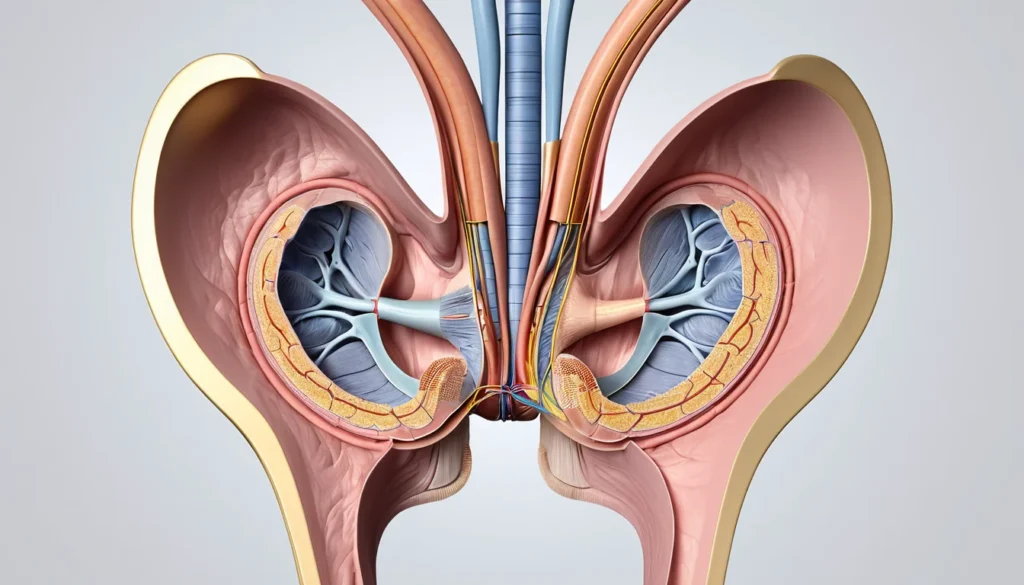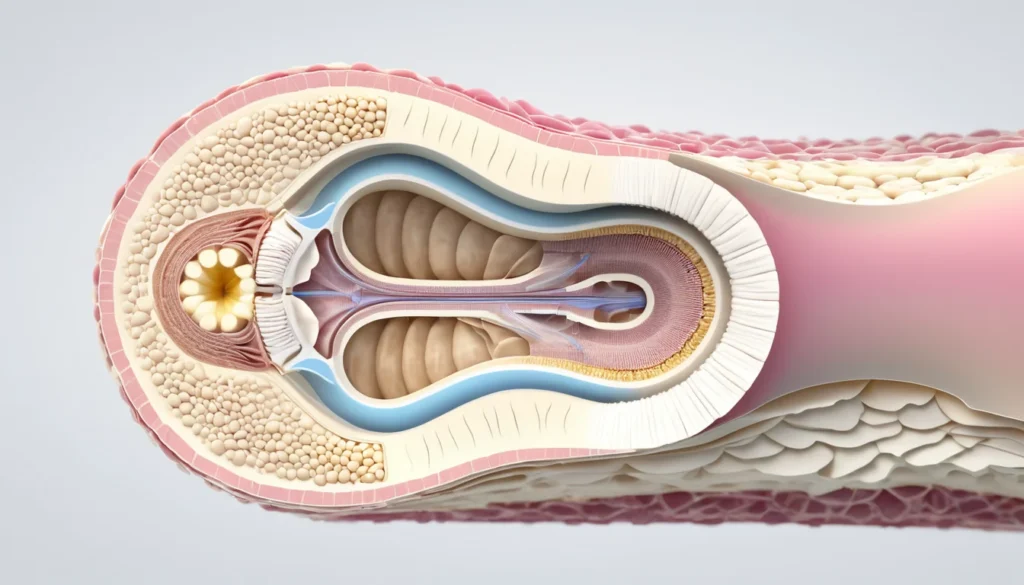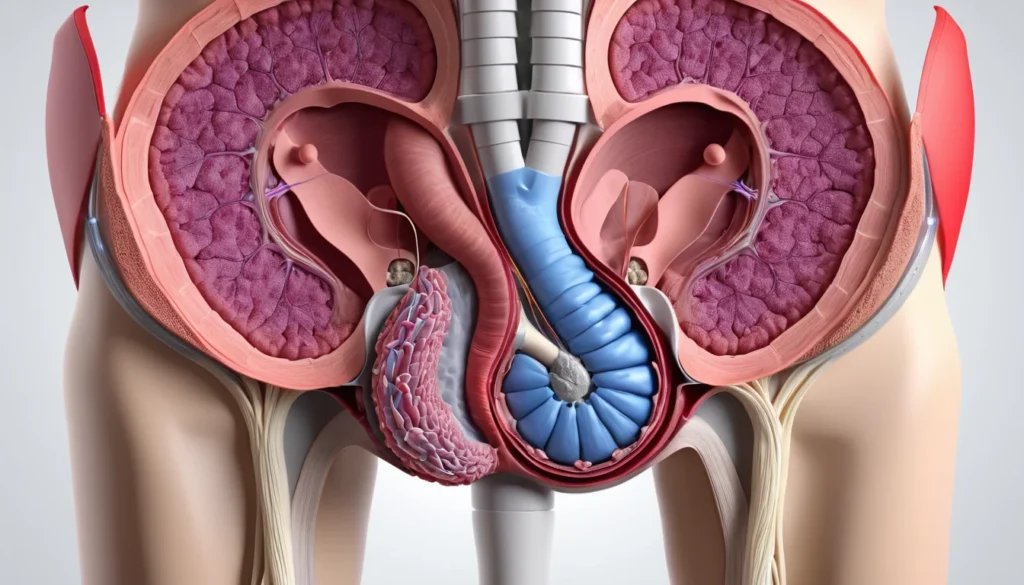
Priapism is a prolonged, often painful erection that lasts more than four hours and occurs without sexual stimulation. It is a medical emergency. If left untreated, priapism can cause permanent scarring and long-term erectile dysfunction. It can affect males of all ages, including newborns. Understanding the causes, symptoms, and treatment options can help you act quickly if this condition occurs.
What Is Priapism?
Priapism happens when blood becomes trapped in the penis and cannot drain properly. Unlike a normal erection, it is not linked to sexual arousal and does not go away on its own. The longer it lasts without treatment, the greater the risk of lasting damage.
There are two main types of priapism. Each has a different cause and requires a different approach to treatment.
Low-Flow Priapism
Low-flow priapism is the most common type. It happens when blood becomes trapped in the erection chambers of the penis. This type is usually painful. It often affects men who appear otherwise healthy, as well as those living with sickle cell disease, leukaemia, or malaria.
High-Flow Priapism
High-flow priapism is less common and is usually less painful. It results from a ruptured artery, often caused by an injury to the penis or the perineum — the area between the scrotum and the anus. This injury disrupts the normal flow of blood to the area.
Common Causes of Priapism
Priapism has several known causes. In many cases, an underlying health condition or medication is responsible. Identifying the cause helps doctors choose the right treatment.
Sickle Cell Disease
Sickle cell disease is one of the most well-known causes of priapism. Research estimates that about 42% of men with sickle cell disease will experience priapism at some point in their lives. Mayo Clinic provides a detailed overview of priapism and its connection to blood disorders.
Medications
Certain medications are a frequent cause of priapism. These include trazodone hydrochloride, which is used to treat depression, and chlorpromazine, used for certain psychiatric conditions. Men who use injectable or oral medications for erectile dysfunction may also develop priapism as a side effect.
If you take any of these medications and experience a prolonged erection, seek emergency care immediately. Do not stop taking your prescribed medication without first speaking to your doctor.
Recreational Drugs and Substance Use
The use of recreational drugs — including marijuana and cocaine — has been linked to priapism. Carbon monoxide poisoning and black widow spider bites are also known triggers. These causes are less common but important to be aware of.
Injuries and Other Causes
Injuries to the spinal cord or genital region can disrupt normal blood flow and lead to priapism. In very rare cases, cancer in the genital region can block blood from draining properly. However, most cases of priapism are linked to the causes listed above.
Recognising the Symptoms of Priapism
The main symptom of priapism is a prolonged erection that lasts more than four hours. This erection is not linked to sexual thoughts or stimulation. In low-flow priapism, the erection is usually rigid and painful. In high-flow priapism, the erection may be less rigid and cause little or no pain.
It is important not to wait to see if the erection goes away on its own. Time matters with priapism. The longer treatment is delayed, the higher the risk of permanent erectile dysfunction and tissue scarring.
How Is Priapism Diagnosed?
Diagnosing priapism requires a prompt medical evaluation. Your doctor will ask several important questions to understand the situation fully.
You should be prepared to share the following information:
How long the current erection has lasted
How long erections typically last for you
Whether you use any prescription, over-the-counter, or recreational drugs
Whether you have had any recent injury to the genital area
Any personal or family history of blood disorders, such as sickle cell disease
Your doctor will perform a thorough physical examination. This includes checking the abdominal and rectal areas for any unusual growths that might be contributing to the problem. Healthline offers a clear explanation of how priapism is evaluated and diagnosed.
Treatment Options for Priapism
The goal of treatment is to end the unwanted erection and prevent it from happening again. Several effective options are available depending on the type and severity of priapism.
Ice Packs
Applying ice wrapped in a cloth to the penis and perineal area can help reduce swelling. This is a first-response measure only and is not a substitute for emergency medical care. Always go to an emergency department as quickly as possible.
Intracavernous Injections
For low-flow priapism, doctors may inject alpha-agonist medications directly into the penis. These medications cause the veins to contract. As a result, excess blood drains away and the erection subsides. This is one of the most common and effective treatments available.
Aspiration
Under local anaesthetic, a doctor inserts a needle into the penis to drain excess blood. This reduces pressure and swelling directly. Aspiration is often used alongside medication injections for the best results.
Surgical Options
In some cases, surgery is necessary. For high-flow priapism caused by a ruptured artery, a surgeon may perform arterial ligation — tying off the damaged artery to restore normal blood flow. For low-flow priapism, a shunt can be inserted surgically. A shunt is a small drainage channel that redirects blood flow and restores normal circulation in the penis.
Surgery is typically considered when other treatments have not worked or when the condition has been present for an extended period of time.
When to See a Doctor
Priapism is a medical emergency. If you or someone you know has an erection lasting more than four hours, do not wait — go to your nearest hospital emergency department right away. Do not try to manage this condition at home on your own.
If you are unsure whether your symptoms are serious, you can also contact your family doctor or visit a walk-in clinic. However, if the erection has already lasted several hours, a hospital emergency department is your safest option. Most provincial health plans cover emergency care for conditions like priapism, so do not let cost concerns delay you from getting help.
For ongoing concerns — for example, if you are on a medication linked to priapism — speak with your family doctor about adjusting your treatment plan. Early conversations with your healthcare provider can prevent this condition from becoming an emergency. Health Canada provides resources to help Canadians find the right care for urgent health concerns.
Outlook and Recovery
Men who receive prompt treatment for priapism generally have an excellent outcome. In most cases, normal erectile function is preserved when the condition is treated within four to six hours of onset.
However, when treatment is delayed, the risk of permanent erectile dysfunction increases significantly. Prolonged priapism can cause the tissue inside the penis to become scarred — a condition called fibrosis. Once fibrosis sets in, recovery becomes much more difficult.
Therefore, acting quickly is the single most important thing you can do to protect your long-term sexual health. The prognosis is very good with fast action and proper care.
Frequently Asked Questions About Priapism
What is priapism and is it dangerous?
Priapism is a prolonged erection lasting more than four hours that is not caused by sexual stimulation. Yes, it is dangerous if left untreated. Without prompt medical care, priapism can lead to permanent erectile dysfunction and scarring of the penile tissue.
What causes priapism?
Priapism can be caused by sickle cell disease, certain prescription medications, recreational drug use, spinal cord injuries, and genital trauma. In rare cases, it may be linked to cancer in the pelvic region. Identifying the cause helps doctors choose the most effective treatment for priapism.
How is priapism treated?
Treatment for priapism depends on the type and how long it has lasted. Options include medication injections into the penis, aspiration of excess blood with a needle, and in some cases, surgery. All treatments should be performed by a medical professional in a hospital setting.
Can priapism cause permanent damage?
Yes, untreated priapism can cause permanent damage, including long-term erectile dysfunction and penile fibrosis — scarring of the tissue inside the penis. The risk of permanent damage increases with every hour that treatment is delayed. This is why priapism is considered a medical emergency.
Should I go to the emergency room for priapism?
Yes, absolutely. If an erection lasts more than four hours, go to your nearest hospital emergency department immediately. Do not visit a walk-in clinic or wait for a family doctor appointment in this situation. Priapism requires urgent medical assessment and treatment as soon as possible.
Can priapism affect children?
Yes, priapism can affect males of any age, including newborns and young boys. In children, it is most often linked to sickle cell disease. If a child shows signs of priapism, parents should seek emergency medical care right away without delay.
Key Takeaways
Priapism is a prolonged erection lasting more than four hours that is not related to sexual arousal.
It is a medical emergency — go to a hospital emergency department immediately.
There are two types: low-flow (more common, usually painful) and high-flow (less common, usually less painful).
Common causes include sickle cell disease, certain medications, and recreational drug use.
Treatment options include injections, aspiration, and surgery — depending on the type and severity.
Men treated quickly have an excellent outlook. Delayed treatment raises the risk of permanent erectile dysfunction.
Always speak with your family doctor if you take medications linked to priapism, so you can plan ahead.
This article is for informational purposes only. Always consult a qualified healthcare provider for medical advice specific to your situation.