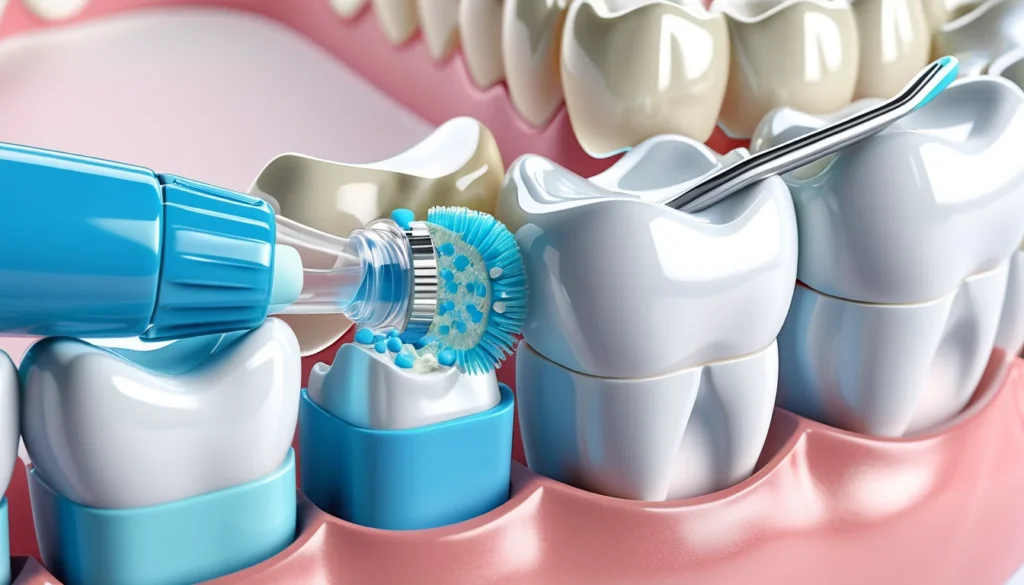
Knowing how to prevent tooth decay is one of the most important things you can do for your overall health. Cavities and gum disease affect Canadians of all ages, and untreated problems can lead to serious infections and permanent tooth loss. The good news is that most dental problems are preventable with simple daily habits and regular checkups. This guide explains what causes tooth decay, how to spot early warning signs, and what you can do today to protect your smile.
What Is Tooth Decay and How Does It Start?
Tooth decay happens when bacteria in your mouth feed on food particles and produce acids. These acids slowly eat away at the hard outer layer of your teeth, called enamel. Over time, this process creates small holes in the teeth — those are cavities.
After you eat, bacteria, food bits, acid, and saliva combine to form a sticky, cloudy film on your teeth. This film is called plaque. It begins to form within about 20 minutes of your last meal or drink. If you don’t remove plaque regularly, it hardens into a rough, yellowish deposit called tartar. Tartar is much harder to remove than plaque and can only be cleaned off by a dental professional.
Both plaque and tartar irritate your gums and can lead to gum disease. According to Health Canada, oral disease is among the most common health conditions affecting Canadians — yet it is largely preventable.
What Causes Tooth Decay to Get Worse?
Carbohydrates play a big role in tooth decay. Sugars and starches stick to the surface of your teeth and feed the bacteria in your mouth. As bacteria digest these foods, they release acids that attack your enamel. Foods high in carbohydrates increase the amount of plaque that forms on your teeth.
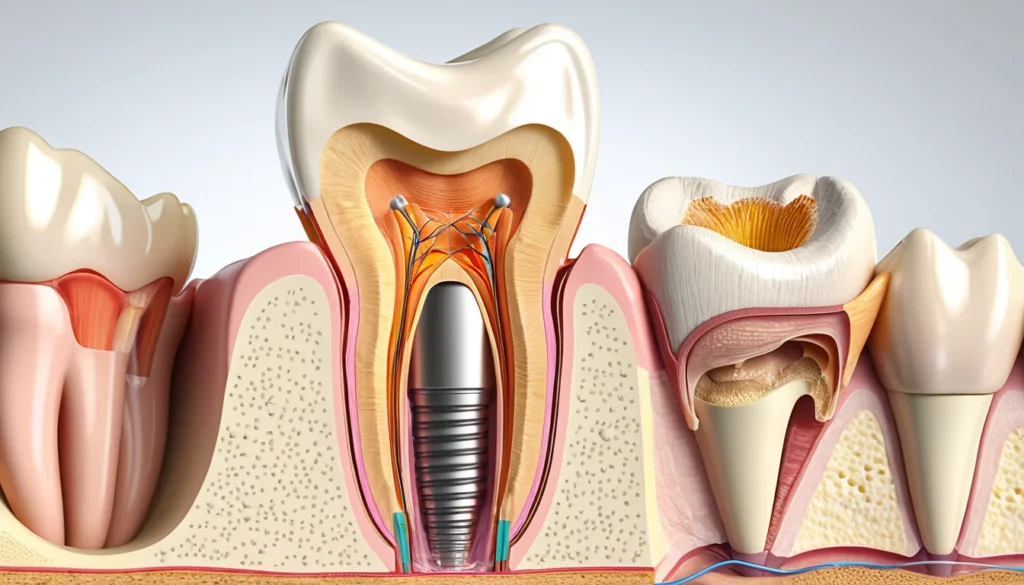
As decay deepens, bacteria and acid move toward the inner part of the tooth called the pulp. The pulp contains nerves and blood vessels. When bacteria reach the pulp, it becomes inflamed and painful. The bone supporting the tooth can also be affected at this stage.
In some cases, your body sends white blood cells to fight the infection. This battle can result in a dental abscess — a pocket of pus that forms around the tooth root. An abscess is a serious condition that needs immediate treatment. The Mayo Clinic explains that a tooth abscess can spread infection to other parts of the body if left untreated.
Who Is Most at Risk?
Cavities are more common in children and teenagers. However, gum disease is more common in adults. As gums recede with age, tooth roots become exposed and are more vulnerable to decay. Older fillings can also weaken over time, creating small gaps where bacteria can collect and cause new cavities.
Early Warning Signs of Tooth Decay
In the early stages, tooth decay often has no symptoms at all. This is why regular dental visits are so important — your dentist can spot cavities on X-rays before you feel any pain. However, as decay progresses, you may notice warning signs.
Watch for these common symptoms:
Increased sensitivity to sweet, hot, or cold foods and drinks
A toothache or spontaneous pain with no obvious cause
Visible holes or pits in your teeth
Brown, black, or white staining on the surface of a tooth
Pain when you bite down
If you notice any of these signs, see a dentist as soon as possible. Early treatment is much simpler and less expensive than waiting until the decay spreads.
How to Prevent Tooth Decay Every Day
The best way to prevent tooth decay is to practise good oral hygiene every single day. Consistent habits at home, combined with regular professional cleanings, can protect your teeth for a lifetime. Here is what dental health experts recommend.
Brush After Every Meal
Brush your teeth at least twice a day — ideally after every meal. Use a soft-bristled toothbrush and fluoride toothpaste. Brush for at least two minutes, making sure to clean all surfaces of every tooth. If you cannot brush after a meal, rinse your mouth with water to wash away food particles and reduce acid.
Floss Daily
Brushing alone does not clean between your teeth. Plaque builds up in those tight spaces and can quickly lead to cavities and gum disease. Floss at least once a day to remove food and plaque from between your teeth. If traditional floss is difficult to use, try interdental brushes or a water flosser — both work well.
Use Mouthwash
An antibacterial or fluoride mouthwash adds an extra layer of protection. It reaches areas your brush and floss may miss. Mouthwash also helps reduce plaque, prevent gum disease, and freshen your breath. Look for products with the Canadian Dental Association seal of approval.
Watch What You Eat and Drink
Your diet has a direct impact on your dental health. Limit sugary snacks, sticky candies, chips, and sweetened drinks. These foods cling to your teeth and feed decay-causing bacteria. Furthermore, frequent snacking throughout the day gives bacteria a constant supply of fuel.
On the other hand, some foods actually help protect your teeth. Dairy products like milk, cheese, and yoghurt strengthen enamel. Fresh fruits and vegetables stimulate saliva, which naturally rinses the mouth. Unsweetened tea, sugar-free gum, and plain water are also great choices for dental health.
Ask About Fluoride Treatments
Fluoride is a natural mineral that strengthens tooth enamel and helps reverse very early decay. Most Canadian municipal water supplies are fluoridated, which offers built-in protection. However, if your fluoride intake is low, your dentist may recommend a fluoride rinse, gel, or varnish treatment. This is especially helpful for children and people at higher risk of cavities.
Consider Dental Sealants
Dental sealants are thin protective coatings applied to the chewing surfaces of back teeth. They seal off the deep grooves where food and bacteria tend to collect. Sealants are most commonly recommended for children but can also benefit adults who are prone to cavities. Ask your dentist whether sealants are right for you or your child.
How Dentists Treat Tooth Decay
Most cavities are found during a routine dental checkup. Your dentist uses X-rays to detect decay even before it becomes visible to the naked eye. Treatment depends on how far the decay has progressed.
For early to moderate cavities, a dentist will remove the decayed tissue and fill the tooth. Common filling materials include composite resin (tooth-coloured), amalgam (silver alloy), and porcelain. If the decay is more advanced, a crown may be needed to cover and protect the damaged tooth.
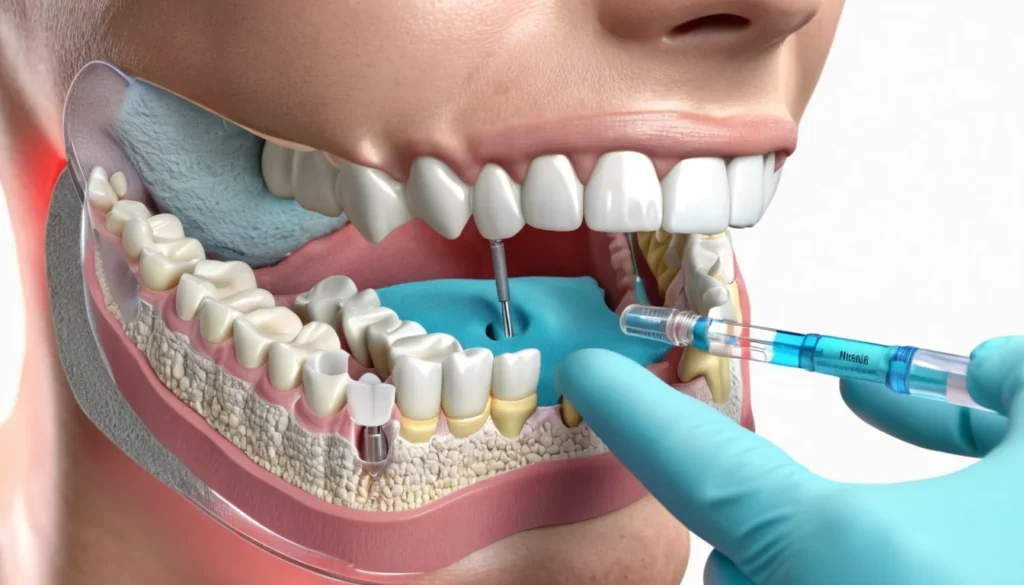
When decay reaches the pulp, a root canal may be required. During this procedure, the dentist removes the infected nerve tissue and blood vessels, then seals the tooth. A crown is usually placed on top afterward. Despite its reputation, a root canal is no more painful than getting a filling — modern techniques and anaesthesia make it very manageable.
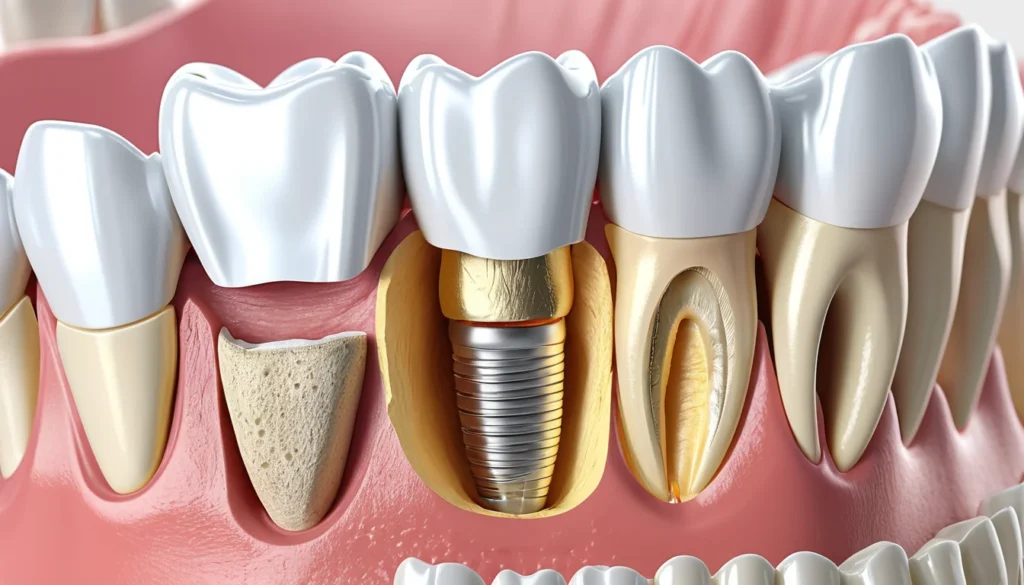
If a tooth cannot be saved, it may need to be extracted. Your dentist will then discuss replacement options, such as a dental implant or bridge, to maintain the alignment of your other teeth.
When to See a Doctor or Dentist
Do not wait for pain before seeking care. Most tooth decay is painless in the early stages. Schedule a dental checkup at least twice a year, even if your teeth feel fine. Regular cleanings remove tartar that you cannot remove at home and allow your dentist to catch problems early.
If you experience a sudden toothache, swollen gums, jaw pain, or facial swelling, seek care right away. You can visit your regular dentist, a walk-in dental clinic, or go to a walk-in medical clinic if dental care is not immediately available. Some provincial health plans in Canada cover basic dental services — check with your province’s health authority or your employer benefits plan to understand your coverage. The World Health Organization highlights that oral health is a key part of overall health, making regular dental care an important priority.
As always, speak with your family doctor or dentist before starting any new oral health treatment. They can give advice tailored to your personal health needs.
Frequently Asked Questions About Tooth Decay
How can I prevent tooth decay naturally?
You can help prevent tooth decay naturally by brushing twice daily with fluoride toothpaste, flossing every day, and drinking plenty of water. Reducing sugary and starchy foods also lowers your risk significantly. Eating dairy products, fresh vegetables, and sugar-free gum can support a healthier mouth between meals.
What are the first signs of tooth decay?
Early tooth decay often has no symptoms, which is why regular dental visits are so important. As decay progresses, you may notice sensitivity to sweet, hot, or cold foods, or see white, brown, or black spots on your teeth. A toothache or pain when biting are signs that the decay may have reached deeper layers of the tooth.
Can tooth decay be reversed?
Very early tooth decay — before a cavity actually forms — can sometimes be reversed with good oral hygiene and fluoride treatments. Once a cavity has formed, however, the damaged enamel cannot grow back on its own and will need to be treated by a dentist. Catching decay early is the key to the simplest and least costly treatment.
How often should Canadians visit the dentist to prevent tooth decay?
Most dental professionals recommend visiting a dentist at least twice a year for a checkup and professional cleaning. These visits allow your dentist to detect and treat tooth decay before it becomes serious. Some people at higher risk — such as those with dry mouth, frequent cavities, or gum disease — may need to visit more often.
Does sugar cause tooth decay directly?
Sugar itself does not directly cause tooth decay — rather, it feeds the bacteria in your mouth that produce enamel-damaging acids. The more frequently you consume sugar throughout the day, the more acid your teeth are exposed to. Reducing sugary snacks and drinks, and rinsing your mouth with water afterward, can significantly lower your risk.
Is dental care covered by provincial health plans in Canada?
In Canada, most provincial health plans do not cover routine dental care for adults, though some coverage exists for children and low-income individuals depending on the province. The federal Canadian Dental Care Plan has expanded access to dental benefits for eligible Canadians — check the Health Canada website for the latest eligibility details. Many employers also offer dental benefits through workplace health plans.
Key Takeaways
Prevent tooth decay by brushing at least twice a day with fluoride toothpaste and flossing daily.
Plaque forms within 20 minutes of eating. If left in place, it hardens into tartar and causes gum disease.
Sugary and starchy foods feed the bacteria that produce enamel-damaging acids — limit them where you can.
Early tooth decay has no symptoms. Regular dental checkups — at least twice a year — are essential for catching problems early.
Treatments range from simple fillings to root canals, depending on how far the decay has progressed.
Check your provincial health plan or the federal Canadian Dental Care Plan to understand what dental services may be covered for you and your family.
Always consult your dentist or family doctor for personalised advice about your oral health.