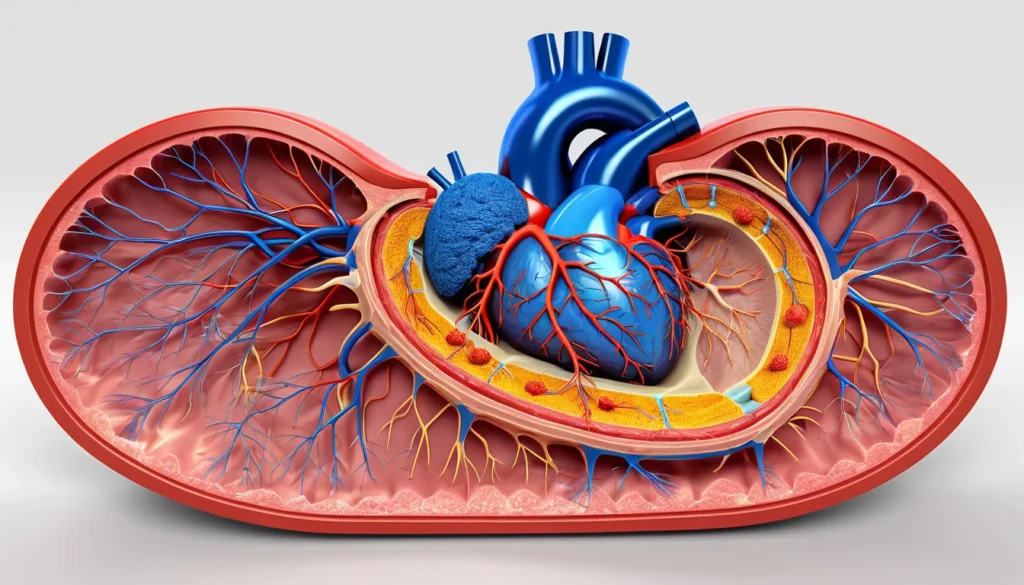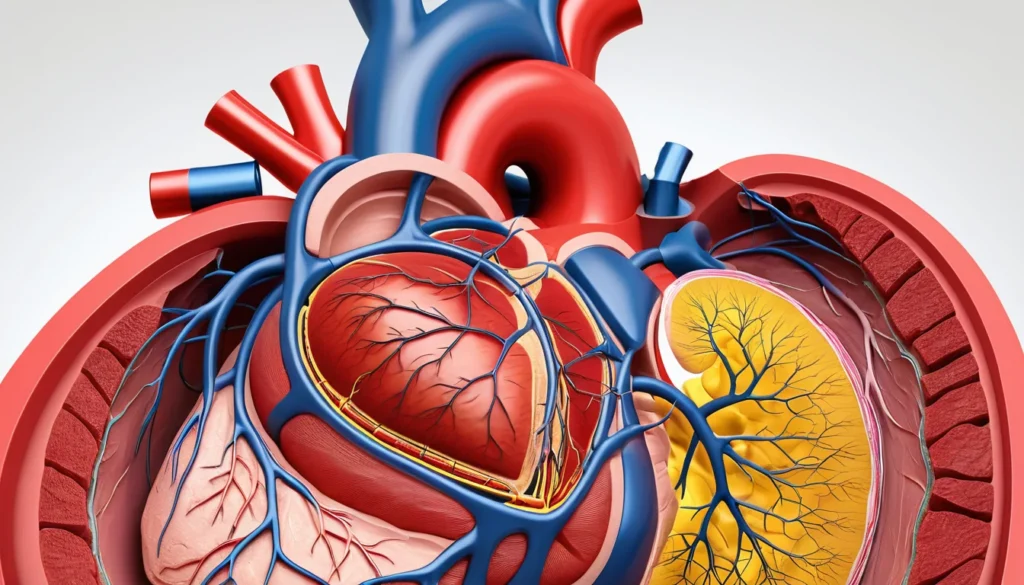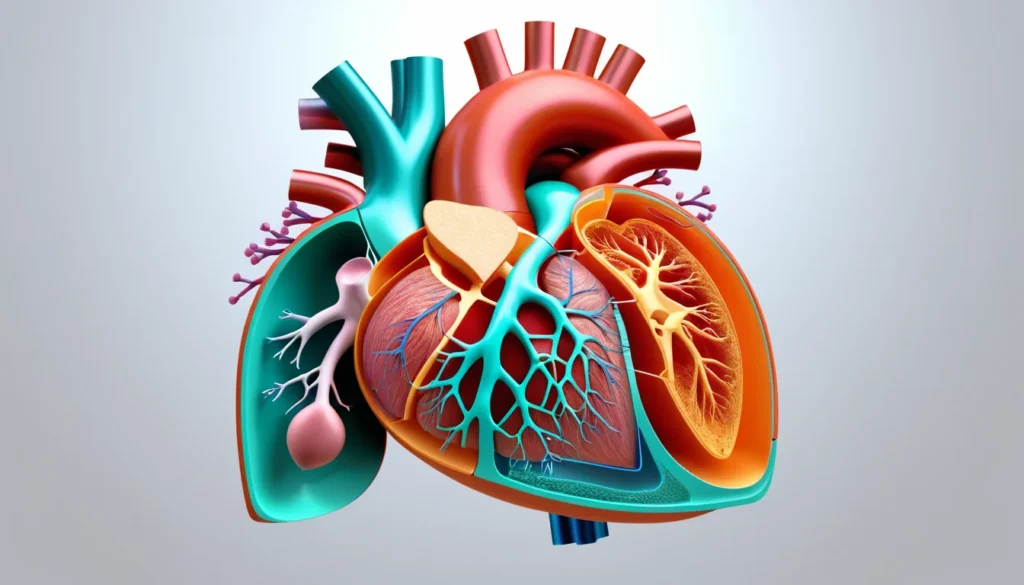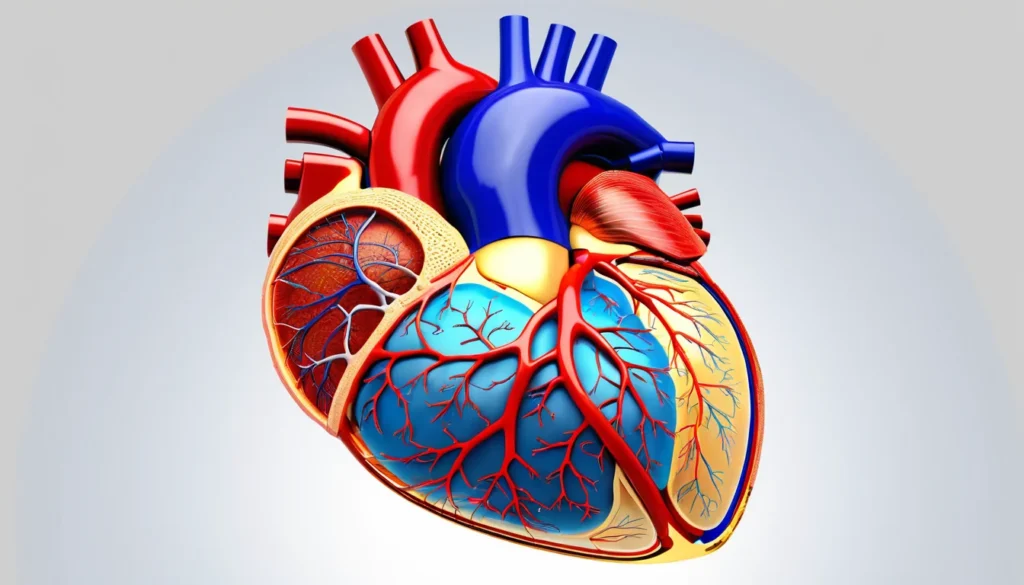
Premature atrial contractions (PACs) are extra heartbeats that start in the upper chambers of your heart. They are one of the most common types of irregular heartbeat in adults. Most people never even know they have them. However, some people feel a fluttering or skipped beat in their chest. This article explains what PACs are, what causes them, and how they are treated in Canada.
What Are Premature Atrial Contractions?
Your heart beats in a steady rhythm controlled by electrical signals. Normally, these signals start in the right atrium — one of the two upper chambers of the heart — at a rate of 60 to 90 beats per minute.
With premature atrial contractions, an extra electrical signal fires too early. This causes the heart to beat ahead of schedule. After this early beat, your heart may pause briefly before returning to its normal rhythm. That pause is what makes people feel like their heart “skipped a beat.”
PACs are very common in adults. They are rare in healthy children with no underlying heart problems. In most cases, they are harmless and do not require treatment.
Signs and Symptoms of Premature Atrial Contractions
Many people with PACs have no symptoms at all. A routine check-up with your family doctor may reveal them without you ever noticing. However, when symptoms do appear, they can include:
A fluttering or pounding sensation in the chest
The feeling that your heart skipped a beat
A rapid or irregular heartbeat
Mild shortness of breath
Anxiety linked to the sensation of an abnormal heartbeat
These symptoms can feel unsettling, even when they are not dangerous. The awareness of your own heartbeat is called palpitations. It is one of the most common reasons Canadians visit walk-in clinics or their family doctor.
When Symptoms Feel More Intense
Symptoms of premature atrial contractions tend to feel stronger when you are at rest, such as when lying in bed at night. This is because you are more aware of your heartbeat when there are fewer distractions. Stress, fatigue, or too much caffeine can also make symptoms feel worse.
Common Causes and Risk Factors
PACs can affect anyone. However, certain factors make them more likely. Understanding these factors can help you take steps to reduce your risk.
Lifestyle-Related Causes
Many causes of premature atrial contractions are linked to everyday habits. The good news is that these are reversible. Common lifestyle triggers include:
Too much caffeine — from coffee, tea, or energy drinks
Alcohol consumption
Smoking or using tobacco products
Poor sleep or significant fatigue
High levels of stress or anxiety
Dehydration
Use of stimulant drugs or certain medications
Cutting back on these triggers can make a real difference. For example, switching to decaf coffee or limiting alcohol to one drink per day may reduce how often you feel palpitations.
Medical and Physical Risk Factors
Some risk factors are related to your overall health. These include:
Older age
High blood pressure (hypertension)
High cholesterol
A sedentary lifestyle with little physical activity
Electrolyte imbalances — such as low potassium or magnesium
Structural heart problems, such as hypertrophic cardiomyopathy
Direct injury or damage to the heart muscle
Reduced blood returning to the heart
In some cases, no clear cause is ever found. This is completely normal and does not necessarily mean something serious is wrong. Your doctor can help assess your personal risk.
How Are Premature Atrial Contractions Diagnosed?
Because PACs often cause no symptoms, they are sometimes found by accident during a routine physical exam. If your family doctor hears an irregular beat with a stethoscope, they may recommend further testing. The same applies if you report symptoms like palpitations or a racing heart.
Common Diagnostic Tests
Your doctor may order one or more of the following tests to confirm premature atrial contractions:
Electrocardiogram (ECG): This test records the electrical activity of your heart. It takes only a few minutes and is painless. If the ECG is normal, you may not need any further testing.
Holter Monitor: This is a portable ECG device you wear for 24 to 48 hours. It records your heart’s activity continuously, including during sleep. This helps doctors spot PACs that might not show up during a short office visit.
Echocardiogram: This is an ultrasound of the heart. It allows doctors to look at the structure of your heart and check for any underlying problems.
These tests are widely available through provincial health plans across Canada. Your family doctor can refer you, or you may be directed to a cardiologist for further evaluation.
Treatment Options for Premature Atrial Contractions
The good news is that most people with PACs do not need any treatment. If your symptoms are mild and your heart is otherwise healthy, your doctor may simply recommend monitoring your condition and making a few lifestyle changes.
Lifestyle Changes That Help
Simple changes to your daily routine can significantly reduce the frequency of premature atrial contractions. Consider the following:
Get regular physical activity — even a 30-minute walk most days helps
Reduce or eliminate caffeine
Limit alcohol consumption
Quit smoking — your provincial health plan may cover cessation programmes
Prioritise sleep and aim for 7 to 9 hours per night
Stay well hydrated throughout the day
Practise stress management techniques such as deep breathing or meditation
These changes benefit your heart health in many ways beyond just reducing PACs. They also help control blood pressure, cholesterol, and overall cardiovascular risk.
Medications
If your symptoms are frequent and bothersome, a cardiologist may prescribe medication. The most commonly used drugs are beta-blockers. These slow the heart rate and help reduce the frequency of early beats.
Other anti-arrhythmic medications may also be considered in some cases. As with any medication, these can have side effects. Talk openly with your doctor if you experience anything unusual after starting a new drug.
Catheter Ablation
In rare cases where medications are not effective, your doctor may recommend a procedure called catheter ablation. This is a minimally invasive procedure where a thin tube is guided to the heart. The area causing the abnormal electrical signal is then carefully destroyed using heat or cold energy.
Catheter ablation is considered safe and effective. However, as with any invasive procedure, there are some risks. Your cardiologist will explain these fully and help you decide if this is the right option for you. Learn more about how the heart’s electrical system works from the Mayo Clinic.
Prevention: Lowering Your Risk
Not all risk factors can be changed. For example, getting older naturally increases the likelihood of experiencing PACs. However, there is a great deal you can do to protect your heart health.
The Heart Disease resources from Health Canada recommend a heart-healthy lifestyle as the foundation of prevention. This includes:
Staying physically active with regular aerobic exercise
Managing high blood pressure through diet, exercise, and medication if needed
Keeping cholesterol levels in a healthy range
Not starting smoking, or quitting if you already smoke
Managing daily stress in healthy ways
Attending regular check-ups with your family doctor
Furthermore, if you have a known heart condition such as cardiomyopathy, working closely with your healthcare team is essential to minimise complications.
Prognosis: What to Expect Long-Term
For most people, the long-term outlook with premature atrial contractions is very positive. PACs are generally benign — meaning they are not dangerous on their own. Treatment is rarely needed, and most people live normal, active lives.
However, if PACs are very frequent or occur in pairs or clusters, there is a small risk of developing more serious arrhythmias. These include atrial flutter or atrial fibrillation. Atrial fibrillation is a more significant irregular heart rhythm that does require treatment.
The overall prognosis also depends on any underlying heart conditions. People with structural heart disease — such as cardiomyopathy — need closer monitoring. Your cardiologist will give you a personalised assessment based on your full health history. You can also find helpful information about living with premature atrial contractions from Healthline.
When to See a Doctor
You should book an appointment with your family doctor if you notice a new or worsening irregular heartbeat. This is especially important if you are over 50 or have existing cardiovascular conditions. Do not ignore symptoms that appear suddenly or come with shortness of breath, chest pain, or dizziness.
If your regular doctor is not available, a walk-in clinic can assess your symptoms and order an ECG. From there, you may be referred to a cardiologist for further evaluation. Most provincial health plans in Canada cover these tests and referrals.
In addition, ask your doctor about setting up a regular schedule of cardiac check-ups — typically every one to two years — especially if you have known risk factors. Early detection of changes in your heart rhythm is the best way to stay ahead of any potential complications.
Always speak with a qualified healthcare provider before making changes to your treatment plan or starting any new health programme. The information in this article is for educational purposes only.
Frequently Asked Questions About Premature Atrial Contractions
Are premature atrial contractions dangerous?
In most cases, premature atrial contractions are not dangerous. They are very common and often require no treatment at all. However, if PACs are frequent or linked to an underlying heart condition, your doctor will monitor them more closely to prevent complications like atrial fibrillation.
Can caffeine cause premature atrial contractions?
Yes, caffeine is a well-known trigger for premature atrial contractions. It stimulates the heart and can cause it to fire extra beats. Reducing or eliminating caffeine from coffee, tea, and energy drinks often helps reduce how often palpitations occur.
What does a premature atrial contraction feel like?
Many people describe premature atrial contractions as a fluttering, pounding, or “skipped beat” sensation in the chest. Some people also feel brief shortness of breath or mild anxiety alongside the sensation. However, many people with PACs feel nothing at all.
How are premature atrial contractions treated in Canada?
Most Canadians with premature atrial contractions do not need treatment beyond lifestyle changes. If symptoms are bothersome, a cardiologist may prescribe beta-blockers or other anti-arrhythmic medications. In rare cases, a procedure called catheter ablation may be recommended, which is covered under most provincial health plans.
Can stress cause premature atrial contractions?
Yes, stress and anxiety are common triggers for premature atrial contractions. When you are stressed, your body releases hormones that can interfere with the heart’s electrical signals. Managing stress through exercise, sleep, and relaxation techniques can help reduce the frequency of PACs.
Can premature atrial contractions lead to atrial fibrillation?
In some cases, frequent premature atrial contractions can increase the risk of developing atrial fibrillation — a more serious heart rhythm disorder. This is more likely in people who already have underlying heart disease. Regular follow-up with your family doctor or cardiologist helps catch any changes early.
Key Takeaways
Premature atrial contractions are extra heartbeats that start in the upper chambers of the heart.
They are very common in adults and are usually harmless.
Many people have no symptoms. Others feel palpitations, a skipped beat, or mild shortness of breath.
Common triggers include caffeine, alcohol, smoking, stress, poor sleep, and dehydration.
Diagnosis is confirmed with an ECG, Holter monitor, or echocardiogram — all available through Canadian provincial health plans.
Most cases require no medical treatment — lifestyle changes are often enough.
In more severe cases, beta-blockers or catheter ablation may be recommended.
See your family doctor or visit a walk-in clinic if you notice new or worsening heart palpitations.
Regular cardiac check-ups are especially important for older adults and those with existing heart conditions.