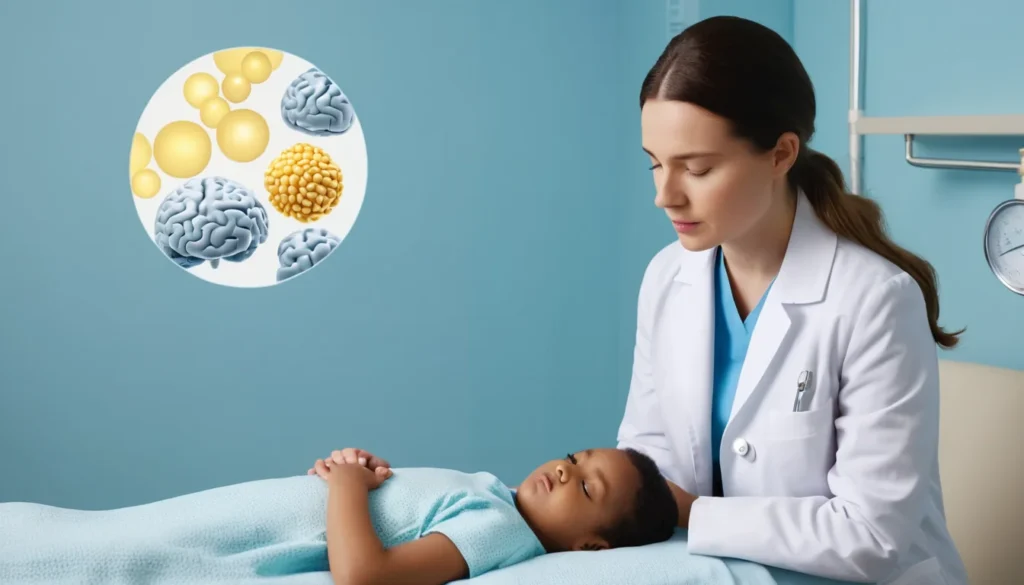
Precocious puberty means a child’s body starts developing into an adult body too soon. In girls, puberty is considered early if it begins before age 8. In boys, it is considered early if it begins before age 9. As a parent, noticing these changes in your child can feel alarming — but understanding what is happening is the first step toward getting the right help.
What Is Precocious Puberty?
Puberty normally begins between ages 8 and 13 in girls, and between ages 9 and 14 in boys. When it starts earlier than these ranges, doctors call it precocious puberty. It affects roughly 1 in every 5,000 children.
Recent research suggests that the earliest signs of puberty may now appear as young as age 6 to 8 in some girls, and around age 9 in boys. However, the general medical thresholds for diagnosis have stayed consistent. Mayo Clinic provides a detailed overview of precocious puberty that many healthcare providers reference.
Left untreated, early puberty can cause real problems. For example, children may stop growing too soon and end up shorter than expected as adults. In addition, going through puberty much earlier than peers can be emotionally difficult for a child.
Types of Precocious Puberty
There are two main types of precocious puberty. Understanding which type your child has helps doctors choose the right treatment.
Central Precocious Puberty
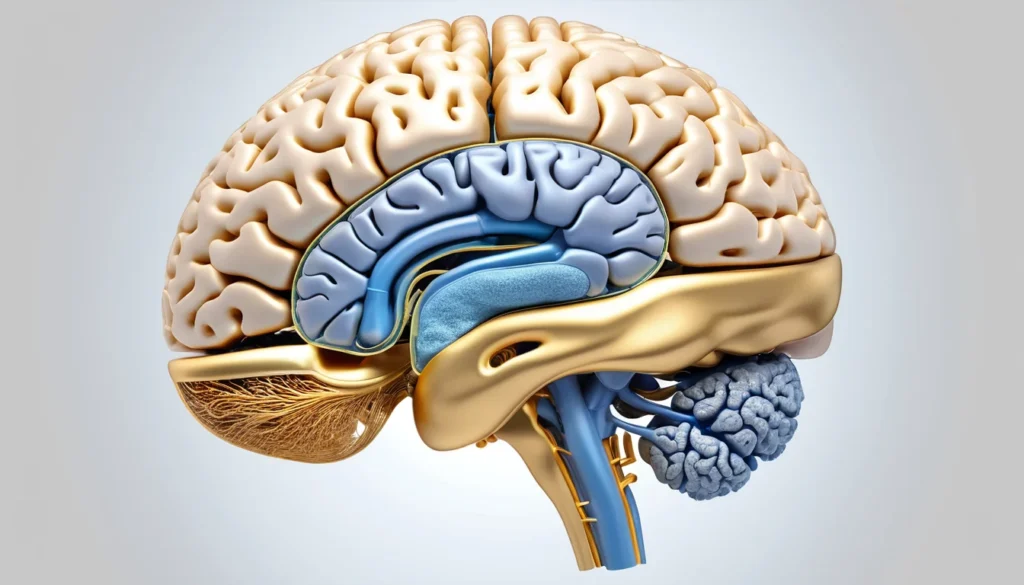
This is the most common type. The process is the same as normal puberty — it simply starts too early. The pituitary gland at the base of the brain releases hormones called gonadotropins. These hormones tell the ovaries or testes to produce estrogen or testosterone.
In most cases of central precocious puberty, there is no specific medical problem triggering it. The body simply activates the puberty process ahead of schedule. However, in some children, an underlying condition is responsible.
Peripheral Precocious Puberty
This type is less common. Here, the brain and pituitary gland are not involved. Instead, the ovaries, testes, adrenal glands, or thyroid gland release sex hormones on their own. This triggers the signs of puberty without the normal brain signals.
Peripheral precocious puberty is nearly always linked to an underlying medical condition. Therefore, finding and treating that condition is a key part of care.
Causes of Precocious Puberty
The causes of precocious puberty depend on which type a child has. Some causes are straightforward, while others are more complex.
Causes of Central Precocious Puberty
In many children — especially girls — no clear cause is ever found. The body simply begins the puberty process early on its own. However, in some cases, a medical reason is identified. Possible causes include:
A tumour on the brain or spinal cord
A brain defect present at birth, such as a buildup of fluid in the brain (hydrocephalus) or a non-cancerous tumour called a hamartoma
Radiation treatment to the brain or spinal cord
Injury to the brain or spinal cord
McCune-Albright syndrome, a rare condition that affects bones, skin, and hormones
Congenital adrenal hyperplasia, a group of inherited conditions affecting the adrenal glands
Hypothyroidism, where the thyroid gland is underactive
Causes of Peripheral Precocious Puberty
This type is driven by abnormal levels of estrogen or testosterone coming from outside the normal brain-pituitary pathway. Causes that affect both boys and girls include:
A tumour on the adrenal glands or pituitary gland that releases sex hormones
McCune-Albright syndrome
Exposure to external sources of estrogen or testosterone, such as hormone creams or ointments
In girls specifically, ovarian cysts or ovarian tumours can also trigger this type. In boys, additional causes include tumours in the cells that produce sperm or testosterone, and a rare genetic mutation called gonadotropin-independent familial sexual precocity, which causes testosterone production between ages 1 and 4.
Healthline offers a helpful breakdown of precocious puberty causes and risk factors for parents who want to learn more.
Signs and Symptoms of Early Puberty
Recognising the signs of precocious puberty early gives your child the best chance of effective treatment. The symptoms differ slightly between girls and boys.
Signs in Girls
Breast development before age 8
First menstrual period before age 8
Pubic hair or underarm hair growth
Rapid height increase
Signs in Boys
Enlargement of the penis or testicles before age 9
Deepening of the voice
Facial hair, typically above the upper lip
Pubic hair or underarm hair growth
Signs in Both Boys and Girls
Acne
A noticeable body odour
A faster-than-normal growth spurt
It is important to note that some children develop one or two of these signs without having true precocious puberty. For example, some girls develop breast tissue early but do not progress through full puberty. Your child’s doctor can tell the difference.
How Is Precocious Puberty Diagnosed?
Doctors use several tools to confirm a diagnosis of precocious puberty. A thorough evaluation helps rule out serious underlying causes and guides the treatment plan.
Medical History and Physical Exam
Your child’s doctor will review your child’s medical history and your family’s health history. A physical exam checks which pubertal changes are present and how far they have progressed. This gives the doctor important clues about the type of puberty involved.
Blood Tests
A blood test measures hormone levels in the body. Elevated levels of sex hormones — such as estrogen or testosterone — can confirm that puberty has begun. These results also help the doctor identify whether the brain or another organ is driving the process.
Bone Age X-Ray
X-rays of the hand and wrist help doctors estimate the biological age of a child’s bones. In children with precocious puberty, the bones often look older than the child’s actual age. This test also helps predict how much more the child may grow.
GnRH Stimulation Test
This specialised blood test helps identify which type of precocious puberty is present. The doctor gives the child a dose of gonadotropin-releasing hormone (GnRH) and then measures how other hormones respond. In central precocious puberty, hormone levels rise significantly. In peripheral precocious puberty, they do not.
MRI and Thyroid Tests
After a diagnosis of central precocious puberty, some doctors order an MRI of the brain to look for abnormalities. If the child also shows signs of an underactive thyroid — such as fatigue, poor school performance, sensitivity to cold, constipation, or pale skin — a thyroid function test may also be done.
Treatment Options for Precocious Puberty
Treatment for precocious puberty depends on the type and its underlying cause. The goal is to slow or stop early development and allow the child to reach a healthy adult height.
GnRH Analogue Therapy
For children with central precocious puberty who have no underlying medical condition, the standard treatment is a monthly injection called a GnRH analogue. This medication slows down the puberty process until the child reaches a more typical age for puberty to begin. Once the injections stop, normal puberty resumes without lasting effects on development.
Treating the Underlying Cause
If an underlying condition — such as a tumour, thyroid disorder, or adrenal problem — is causing the early puberty, treating that condition is the priority. In many cases, addressing the root cause also resolves or slows the early puberty. Your child’s care team will build a treatment plan based on your child’s specific situation.
According to Health Canada, parents can access paediatric specialist referrals through their provincial health plans. Your family doctor or walk-in clinic can start that referral process.
When to See a Doctor
If you notice any signs of early puberty in your child — especially before age 8 in girls or age 9 in boys — contact your family doctor as soon as possible. Early assessment leads to better outcomes.
If you do not have a family doctor, a walk-in clinic can do an initial assessment and refer your child to a paediatric specialist. Most provincial health plans in Canada cover these visits. Do not wait to seek care — the earlier precocious puberty is identified, the more treatment options are available.
Always speak with a qualified healthcare provider before drawing any conclusions about your child’s development. This article is for general information only and is not a substitute for professional medical advice.
Frequently Asked Questions
What age is considered precocious puberty?
Precocious puberty is diagnosed when puberty begins before age 8 in girls or before age 9 in boys. These are the thresholds most Canadian and international doctors use. If you notice early signs in your child, talk to your family doctor for a proper assessment.
What causes precocious puberty in girls?
In most girls, precocious puberty has no identifiable cause — the body simply starts the process early on its own. In some cases, it is linked to conditions such as ovarian cysts, tumours, or McCune-Albright syndrome. A doctor can run tests to determine whether an underlying cause is present.
Is precocious puberty harmful to my child?
Precocious puberty can affect a child’s final adult height, since bones may stop growing too early. It can also cause emotional and social challenges, as children develop differently from their peers. However, with proper treatment, most children go on to develop normally.
Can precocious puberty be treated?
Yes, precocious puberty can be treated effectively. The most common treatment is a monthly GnRH analogue injection, which slows the puberty process until the child reaches the typical age range. If an underlying medical condition is causing the early puberty, treating that condition is the first priority.
Does precocious puberty affect a child’s height?
Yes, one of the main concerns with precocious puberty is that a child may grow quickly at first but then stop growing sooner than normal, resulting in a shorter adult height. Treatment with GnRH analogues helps protect a child’s growth potential. Your child’s doctor can monitor bone age with regular X-rays.
How is precocious puberty diagnosed in Canada?
In Canada, a family doctor or paediatrician can begin the diagnostic process with a physical exam and blood tests to check hormone levels. A bone age X-ray and a GnRH stimulation test are also commonly used. Most provincial health plans cover referrals to paediatric specialists for further evaluation.
Key Takeaways
Precocious puberty means puberty begins before age 8 in girls or age 9 in boys.
There are two types: central (brain-driven) and peripheral (caused by a local problem in the glands).
In most girls, no specific cause is found. In boys, an underlying cause is more often identified.
Signs include breast development, body hair growth, acne, body odour, and rapid growth.
Diagnosis involves blood tests, bone age X-rays, and sometimes an MRI or thyroid test.
Treatment with monthly GnRH injections is safe and effective for most children.
If you are concerned, speak with your family doctor or visit a walk-in clinic — most provincial health plans cover the necessary referrals and tests.