Prader-Willi syndrome is a rare and complex genetic condition that affects many systems in the body. It impacts metabolism, hormones, brain function, behaviour, and intellectual development. In Canada, families living with this condition often face a long road to diagnosis and lifelong medical support. This article explains what Prader-Willi syndrome is, how it develops, and what signs to watch for in your child.
What Is Prader-Willi Syndrome?
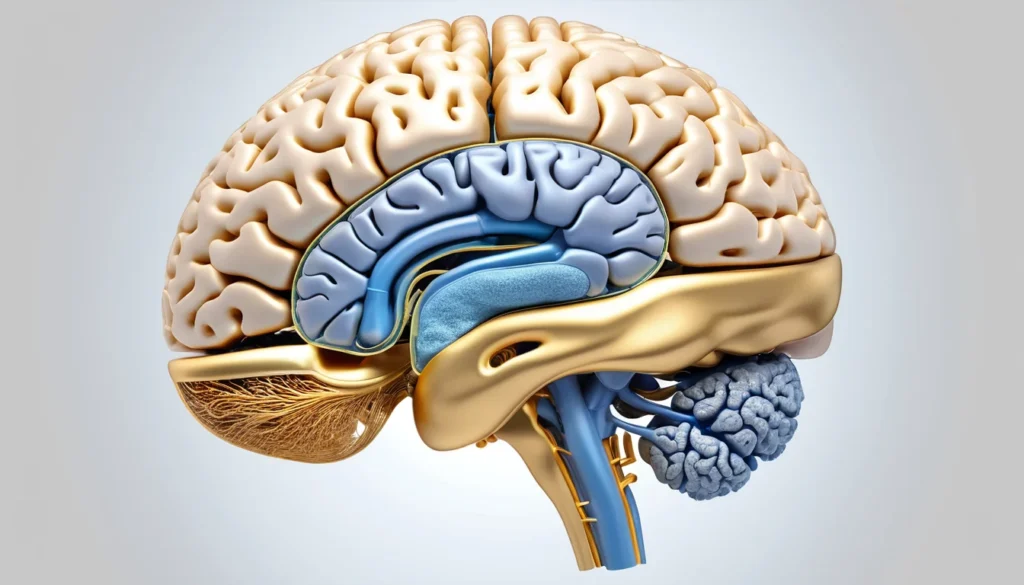
Prader-Willi syndrome (PWS) is caused by changes in a specific region of chromosome 15. These changes affect how certain genes work, particularly those inherited from the father. As a result, the brain — especially a region called the hypothalamus — does not function normally.
The hypothalamus controls hunger, body temperature, sleep, and hormones. When it does not work properly, it causes many of the symptoms seen in PWS. Most cases occur randomly, with no family history of the condition.
However, in some families, a genetic mutation can be passed down. When a father carries a small deletion in the imprinting centre of chromosome 15q11.2–q13, his child may develop PWS. Health Canada recognizes rare genetic disorders as a priority area for patient support and research.
How Prader-Willi Syndrome Develops Before Birth
Signs of PWS can actually appear before a baby is born. Babies with this condition often move less in the womb than expected. They may also be in an unusual position at birth, which increases the chance of a Caesarean section or an assisted delivery.
At birth, babies with Prader-Willi syndrome tend to be smaller than their siblings. Their weight, length, and body mass index are often 15 to 20 percent below average. This tells doctors that growth was already irregular during pregnancy.
Early Signs and Symptoms in Infants
Low Muscle Tone (Hypotonia)
One of the most recognizable early signs of Prader-Willi syndrome is low muscle tone, also called hypotonia. This affects nearly every infant with PWS. Babies appear floppy and have difficulty holding their head up or moving their limbs with normal strength.
Because of weak muscle tone, these babies also have a poor sucking reflex. This makes feeding very difficult. Many infants require special feeding equipment or tube feeding (gavage) for months to ensure they get enough nutrition.
Distinct Physical Features
Children with PWS often share certain physical characteristics. These include almond-shaped eyes, a narrow forehead, and a thin upper lip with downturned corners of the mouth. They may also have a narrow nasal bridge and poorly developed tooth enamel.
Many children also have small hands and feet. This may not be obvious right away, but it becomes more noticeable as the child grows. Crossed eyes (strabismus) are also common in children with Prader-Willi syndrome.
Developmental Delays and Behaviour Challenges
Motor and Language Delays
Most children with Prader-Willi syndrome experience delays in reaching developmental milestones. On average, children with PWS reach these milestones at about twice the usual age. For example, a child who would typically walk at 12 months may not walk until 24 months.
Language development is also commonly delayed. Intellectual disabilities and learning difficulties can vary widely from child to child. However, they tend to become more obvious once a child starts school. The Mayo Clinic provides detailed guidance on developmental milestones for children with genetic conditions.
Behavioural Issues
Behaviour challenges are very common in Prader-Willi syndrome and affect nearly all individuals with the condition. These can include anxiety, obsessive-compulsive behaviours, temper outbursts, and self-injurious behaviour such as skin picking.
These behaviours are not a result of poor parenting. They stem directly from how the brain is wired in PWS. Therefore, early behavioural therapy and family support are essential parts of managing this condition.
Nutrition Phases and Obesity in Prader-Willi Syndrome
One of the most well-known features of Prader-Willi syndrome is an extreme drive to eat, called hyperphagia. This does not happen overnight. Instead, it develops through distinct nutritional phases over time.
The Four Nutritional Phases
Phase 0 occurs before birth. The baby moves less in the womb and shows signs of restricted growth.
Phase 1 covers the infant stage. Babies are not obese but have significant feeding difficulties. Phase 1a runs from birth to about 15 months, where the infant struggles to feed and may fail to thrive. Phase 1b follows, where the infant begins gaining weight at a typical rate.
Phase 2 is when weight gain begins. In Phase 2a, weight increases even without eating more food or showing increased interest in food. In Phase 2b, the appetite begins to increase noticeably, usually around age four and a half.
Phase 3 is marked by hyperphagia — a constant, overwhelming drive to eat. Children in this phase, usually around age eight, feel little or no sense of fullness. They may seek out food constantly, steal food, or take money to buy food.
Phase 4 applies to some adults with PWS. In this phase, the uncontrollable appetite may ease somewhat. However, the damage from years of overeating can already be significant.
Where Obesity Develops
In Prader-Willi syndrome, obesity tends to be concentrated in the abdomen, thighs, and buttocks. This pattern of central obesity is particularly dangerous. It increases the risk of serious health problems including type 2 diabetes, heart disease, and sleep apnea. As a result, careful calorie management and structured mealtimes are critical from an early age.
Hormonal and Endocrine Issues
Growth Hormone Deficiency
Short stature is common in Prader-Willi syndrome and appears in almost all individuals by their teenage years. Growth hormone deficiency is the most frequently reported hormonal problem in PWS. A related hormone called IGF-1 is also low or below normal in nearly every patient.
Children with Prader-Willi syndrome do not experience a typical growth spurt during puberty. Their growth slows significantly, and they remain shorter than average throughout their lives. Growth hormone therapy, when started early, can help improve height and body composition. This should be discussed with a paediatric endocrinologist.
Hypogonadism and Puberty
Hypogonadism — meaning the sex glands do not produce enough hormones — is present in all individuals with Prader-Willi syndrome. In males, undescended testicles (cryptorchidism) are very common. Many boys require a surgical procedure called orchiopexy to correct this.
Puberty often begins at a typical age but does not complete normally. In males, testicular size remains small into adulthood. In females, the external genitalia may be underdeveloped at birth. Breast development may be significantly delayed. Very few females with PWS reach menstruation, and when it occurs, it typically happens around age 20 on average.
Other Hormonal Concerns
In addition to growth hormone deficiency, individuals with Prader-Willi syndrome may develop other hormonal conditions. These include an underactive thyroid (hypothyroidism), low adrenal function, and reduced bone mineral density. For this reason, ongoing care from an endocrinologist throughout life is strongly recommended.
When to See a Doctor
If your newborn seems unusually floppy, has trouble feeding, or is not meeting developmental milestones, speak to your family doctor or paediatrician as soon as possible. These can be signs of Prader-Willi syndrome or other conditions that need prompt attention.
If you do not have a family doctor, a walk-in clinic can be a starting point. Ask for a referral to a paediatric specialist or a genetics clinic. Most provinces in Canada have children’s hospitals with genetics departments that can arrange testing and diagnosis. Early diagnosis makes a significant difference in outcomes for children with PWS.
Your provincial health plan may cover genetic testing, specialist visits, and therapies such as speech-language therapy, occupational therapy, and physiotherapy. Check with your provincial health authority or speak to your family doctor about what is covered in your area.
Always consult your doctor or a qualified healthcare provider before making any decisions about your child’s health, treatment, or diet. Every child with Prader-Willi syndrome is different, and care should be tailored to their individual needs.
Frequently Asked Questions About Prader-Willi Syndrome
What are the first signs of Prader-Willi syndrome in a newborn?
The most common early sign of Prader-Willi syndrome in newborns is low muscle tone, also called hypotonia. Babies may appear floppy, have difficulty sucking and feeding, and cry weakly. If you notice these signs, speak to your family doctor or paediatrician right away.
Is Prader-Willi syndrome hereditary?
Most cases of Prader-Willi syndrome occur randomly and are not inherited. However, in rare cases, a parent may carry a genetic change that can be passed on to a child. A genetics specialist can help assess your family’s risk if you are concerned.
Can children with Prader-Willi syndrome live a normal life?
Many individuals with Prader-Willi syndrome can lead fulfilling lives with the right support. Early intervention, structured routines, hormone therapy, and behavioural support all make a significant difference. Most individuals with PWS require some level of supervised care throughout their lives.
How is Prader-Willi syndrome diagnosed in Canada?
Diagnosis is confirmed through genetic testing, typically ordered by a paediatrician or geneticist. In Canada, genetic testing may be covered under your provincial health plan. Children’s hospitals in most major cities have genetics clinics that can evaluate and diagnose Prader-Willi syndrome.
Does growth hormone treatment help children with Prader-Willi syndrome?
Yes, growth hormone therapy is one of the most effective treatments for Prader-Willi syndrome. It can improve height, increase muscle mass, and reduce body fat. Treatment is typically started in early childhood and managed by a paediatric endocrinologist. Learn more about treatment options for Prader-Willi syndrome at Healthline.
How do you manage hyperphagia in Prader-Willi syndrome?
Managing the extreme hunger in Prader-Willi syndrome requires strict food supervision, locked food storage, and structured mealtimes. Behavioural therapy can also help children develop coping strategies. Working with a registered dietitian and a behaviour specialist is strongly recommended.
Key Takeaways
Prader-Willi syndrome is a rare genetic condition caused by changes on chromosome 15.
Early signs include low muscle tone (hypotonia), feeding difficulties, and delayed milestones.
The condition progresses through nutritional phases, eventually leading to extreme hunger (hyperphagia) and obesity if not carefully managed.
Hormonal problems — including growth hormone deficiency and hypogonadism — are common and require lifelong endocrine care.
Behaviour challenges such as anxiety, obsessive-compulsive behaviours, and temper outbursts are part of the condition, not a parenting failure.
Early diagnosis and a coordinated team of specialists — including a paediatrician, endocrinologist, dietitian, and behaviour therapist — can greatly improve quality of life.
Canadian families can access genetic testing, specialist care, and therapies through their provincial health plan. Start by speaking with your family doctor or visiting a walk-in clinic.