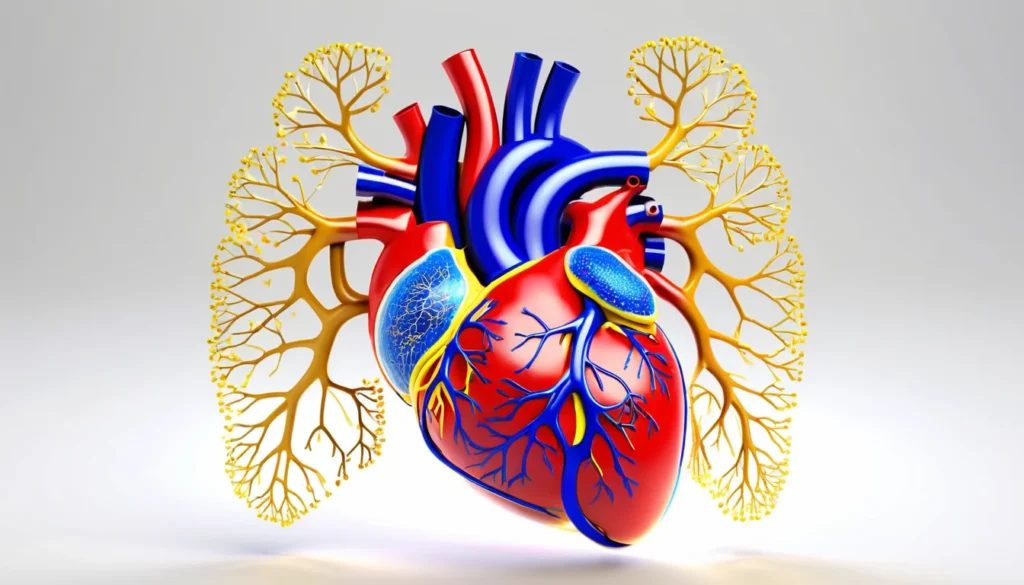
Potassium and heart health are more closely connected than most Canadians realize. Potassium is a mineral found naturally in many everyday foods, and your heart depends on it to beat properly — over 100,000 times each day. Whether you have a heart condition or simply want to take better care of yourself, understanding potassium’s role in your body is a great place to start.
What Is Potassium and Why Does Your Body Need It?
Potassium is a mineral found abundantly in soil, water, and the foods we eat. It is essential to virtually every living thing — plants, animals, and humans alike. In your body, it does much more than support the heart.
Potassium helps your body in several key ways:
Heart function: Keeps your heart beating in a steady, healthy rhythm
Nerve activity: Allows nerve signals to travel properly throughout the body
Muscle contraction: Supports every muscle movement, including your heartbeat
Fluid balance: Helps regulate the balance of fluids inside and outside your cells
Kidney function: Assists your kidneys in filtering waste from the blood
Potassium works both inside your cells and in the fluid surrounding them. The balance between these two areas is critical. When that balance is off, your heart can suffer.
Potassium and Heart Health: The Key Connection
Your heart is an electrical organ. Every beat depends on the precise movement of minerals — including potassium — in and out of heart muscle cells. When potassium levels drop too low, this electrical system can become unstable.
Low potassium levels can trigger arrhythmias, which are irregular heartbeats. This is especially concerning for people who already have heart disease. In fact, the link between potassium and heart health becomes even more important when the heart muscle is under stress, such as during reduced blood flow.
According to Mayo Clinic’s guidance on potassium and nutrition, maintaining adequate potassium intake is a key part of heart-healthy living. However, potassium is not a cure or a stand-alone treatment for heart disease. It is best understood as a helpful supporter of overall cardiovascular health.
Potassium and Blood Pressure
One of the most well-studied benefits of potassium is its effect on blood pressure. High blood pressure — also called hypertension — is one of the leading risk factors for heart attack and stroke in Canada.
A large clinical study found that increasing potassium intake through supplements reduced systolic blood pressure by up to 8 points. Even more impressive, a diet rich in fruits, vegetables, and low in saturated fat may reduce blood pressure by as much as 10 points in people already being treated for hypertension.
Researchers believe potassium may lower blood pressure in two main ways. First, it may reduce the sensitivity of blood vessels to hormones that cause them to tighten. Second, it may directly encourage blood vessels to relax. Either way, the result is lower pressure on the walls of your arteries.
Importantly, people whose diets are consistently low in potassium face a 40–50% higher risk of developing high blood pressure and stroke compared to the general population. That is a significant difference — and one that is largely preventable through diet.
Potassium and Cholesterol
The direct molecular link between potassium and cholesterol is not yet fully understood by researchers. However, clinical experience tells an interesting story. Many diets that effectively lower cholesterol also happen to be rich in potassium.
This makes sense when you consider that both goals — lower cholesterol and better potassium intake — are achieved by eating more fruits, vegetables, whole grains, and legumes. If you have been told by your family doctor that your cholesterol is high, a potassium-rich diet may support your overall treatment plan.
Best Food Sources of Potassium
The best way to get enough potassium is through a balanced, varied diet. This approach also delivers vitamins, fibre, and other nutrients your heart needs. You generally do not need supplements if you eat well.
Excellent sources of potassium include:
Vegetables: Potatoes, tomatoes, broccoli, spinach, garlic, and peas
Fruits: Bananas, oranges, strawberries, and avocado
Dried fruits: Apricots, raisins, prunes, and dates
Grains: Brown rice and other whole grains
Legumes: Beans and lentils
Dairy: Milk and yogurt
Protein: Fish and lean meats
Beverages: Orange juice
Many of these foods are easy to find at any Canadian grocery store year-round. During summer and fall, local farmers’ markets offer fresh, affordable options that are especially rich in potassium.
Should You Take Potassium Supplements?
Most healthy Canadians do not need potassium supplements. A well-rounded diet provides all the potassium your body needs. Furthermore, getting potassium from food — rather than pills — also means you are gaining fibre, antioxidants, and vitamins at the same time.
However, some people may be at risk of low potassium. This includes people who take diuretic medications (sometimes called “water pills”), which are commonly prescribed for high blood pressure or heart failure. These medications can cause the body to lose potassium through urine. If you take diuretics, your doctor may monitor your potassium levels closely or recommend a potassium-rich diet.
Always speak with your family doctor before starting any supplement. Too much potassium can also be harmful, especially for people with kidney conditions.
Heart Conditions That Make Potassium Especially Important
For most Canadians, potassium is simply part of a healthy diet. However, if you are managing a heart condition, potassium becomes even more significant. Your care team may pay close attention to your potassium levels as part of your treatment.
Conditions where potassium and heart health overlap most critically include:
Hypertension (high blood pressure): A potassium-rich diet may help lower blood pressure alongside prescribed medications
Heart failure: Diuretics used in treatment can deplete potassium, so levels must be monitored regularly
Arrhythmias (irregular heartbeat): Low potassium is a known trigger for irregular heart rhythms
Your doctor may suggest dietary changes to increase potassium as part of a broader heart health plan. This is general dietary advice — it does not replace medication or other treatments prescribed to you.
According to Health Canada’s nutrient guidelines on potassium, adult Canadians should aim for an adequate intake of 4,700 mg of potassium per day. Most Canadians currently fall short of this target.
The Broader Benefits of a Potassium-Rich Diet
Eating more potassium-rich foods means eating more fruits and vegetables. And that comes with a wide range of benefits beyond just heart health.
A diet high in fruits, vegetables, and fibre is linked to:
A reduced risk of heart disease, high blood pressure, and stroke
A lower risk of certain types of cancer
Better weight management and reduced risk of obesity
Improved digestive health thanks to higher fibre intake
Better overall energy and immune function
In other words, choosing potassium-rich foods is not just good for your heart — it is good for your whole body. As noted by the World Health Organization’s healthy diet fact sheet, increasing fruit and vegetable intake is one of the most impactful dietary changes a person can make.
When to See a Doctor
If you are concerned about your potassium levels or heart health, do not wait. Book an appointment with your family doctor. A simple blood test can check your potassium levels and give you a clear picture of where you stand.
If you do not have a family doctor, a walk-in clinic is a convenient option available across most Canadian provinces. Many walk-in clinics can order basic blood work and refer you to a specialist if needed. Most of these services are covered under your provincial health plan.
You should speak to a doctor sooner if you experience any of the following:
Muscle weakness, cramps, or fatigue that does not go away
Heart palpitations or an irregular heartbeat
You take diuretics and have not had your potassium checked recently
You have been told you have high blood pressure or high cholesterol
You are making significant changes to your diet and take heart medications
Always consult your doctor or a qualified healthcare professional before making major changes to your diet, especially if you are managing a chronic condition or taking prescription medications.
Frequently Asked Questions
How does potassium affect heart health?
Potassium plays a direct role in keeping your heart beating in a regular, healthy rhythm. The connection between potassium and heart health is well established — low potassium levels can lead to arrhythmias (irregular heartbeats) and increase the risk of high blood pressure and stroke. Getting enough potassium through your diet helps support normal heart function.
What are the best foods to eat for potassium and heart health?
The best potassium-rich foods for heart health include bananas, oranges, avocados, potatoes, spinach, tomatoes, broccoli, beans, and lentils. Dairy products, fish, and whole grains like brown rice also contain meaningful amounts of potassium. Eating a wide variety of these foods daily is the most effective and natural way to meet your potassium needs.
Can low potassium cause a heart attack?
Low potassium itself does not directly cause a heart attack, but it can seriously disrupt your heart’s electrical system, leading to dangerous arrhythmias. Over time, low potassium is also associated with high blood pressure, which is a major risk factor for heart attack and stroke. If you are concerned, ask your doctor to check your potassium levels with a simple blood test.
How much potassium do I need per day for good heart health?
Health Canada recommends an adequate intake of 4,700 mg of potassium per day for most adults. Unfortunately, many Canadians do not reach this target through their daily diet. Focusing on fruits, vegetables, legumes, and whole grains is the most effective way to close that gap without needing supplements.
Should I take potassium supplements for my heart?
Most Canadians do not need potassium supplements if they eat a balanced diet rich in fruits and vegetables. Supplements may be appropriate for people who take diuretic medications, which can deplete potassium levels. However, taking too much potassium can be harmful, so always speak with your family doctor before starting any supplement for heart health.
Does potassium help lower blood pressure in Canada?
Yes, research shows that increasing potassium intake can help lower blood pressure, which is a major concern for many Canadians. Studies suggest that a potassium-rich diet, combined with low saturated fat intake, may reduce blood pressure by up to 10 points in people being treated for hypertension. Talk to your family doctor about whether dietary changes could support your blood pressure management.
Key Takeaways
Potassium and heart health are deeply connected — potassium helps regulate your heartbeat, blood pressure, and fluid balance.
Low potassium significantly raises the risk of irregular heartbeats, high blood pressure, and stroke.
The best source of potassium is food — fruits, vegetables, legumes, whole grains, and dairy.
A potassium-rich diet may help lower blood pressure by up to 10 points when combined with other heart-healthy habits.
People taking diuretics for heart conditions need to monitor their potassium levels regularly.
Potassium is a dietary support — not a replacement for medications or medical treatment.
If you have concerns about your heart health or potassium levels, speak with your family doctor or visit a walk-in clinic. Most blood tests are covered by your provincial health plan.