You have probably heard of probiotics and prebiotics. But postbiotics are the newest player in gut health — and research suggests they may be just as important, if not more so. This article explains what postbiotics are, how they work in your digestive system, and what Canadian families should know about using them safely.
What Are Postbiotics?
Postbiotics are not living bacteria. Instead, they are the inactivated (non-living) parts of microorganisms — or the substances those microorganisms produce — that benefit your health.
In 2019, the International Scientific Association for Probiotics and Prebiotics (ISAPP) gave postbiotics an official definition. They described them as “non-viable microorganisms and/or their components that provide a health benefit to the host.” In plain language, they are the helpful by-products and remnants left behind after bacteria do their work.
This is different from probiotics, which are live bacteria, and prebiotics, which are the food that feeds those bacteria. For more background, you can read Healthline’s overview of probiotics and how they affect your body.
How Are Postbiotics Different from Probiotics?
Probiotics contain living microorganisms. That is exactly what makes them helpful — but also what creates some challenges. Live bacteria need careful storage, have a shorter shelf life, and may not survive stomach acid well.
Postbiotics, on the other hand, offer some practical advantages over their living counterparts.
They are easier to produce consistently and to store
They act faster in the body
They have a longer shelf life
They carry a lower risk of side effects, since no live bacteria are involved
Furthermore, scientists now believe that many of the health benefits people credit to probiotics actually come from postbiotics. In other words, postbiotics may be the active ingredient doing much of the work.
What Are Tyndallized Lactic Acid Bacteria?
One well-studied type of postbiotic is tyndallized lactic acid bacteria. “Tyndallization” is a special heat-sterilization process. Bacteria are exposed to temperatures between 80°C and 100°C over several cycles.
Each round of heating destroys active bacteria. Any spores that survive then germinate and are destroyed in the next heating cycle. As a result, you end up with non-living bacterial cells that still keep their full surface structure intact.
This matters because the surface structure — called the antigenic structure — is what triggers your immune system to respond. Therefore, tyndallized bacteria can stimulate your immune defences and reduce inflammation, much like live probiotics do. Some researchers compare the effect to an oral immunization, similar in concept to how a vaccine trains the immune system.
Why Does the Surface Structure Matter?
Your immune system learns to recognize threats by studying the surface of microorganisms. Even a non-living bacterial cell with its structure preserved can “teach” your immune system and prompt an anti-inflammatory response.
This is a key advantage of this type of postbiotic. You get the immune-supporting benefits without introducing live bacteria into your digestive tract.
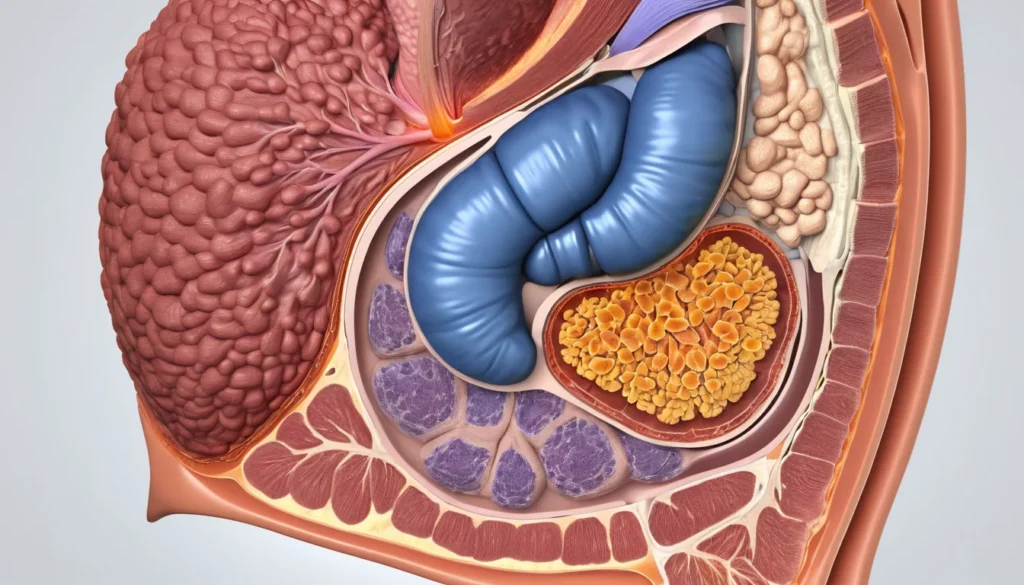
How Postbiotics Support Gut Health
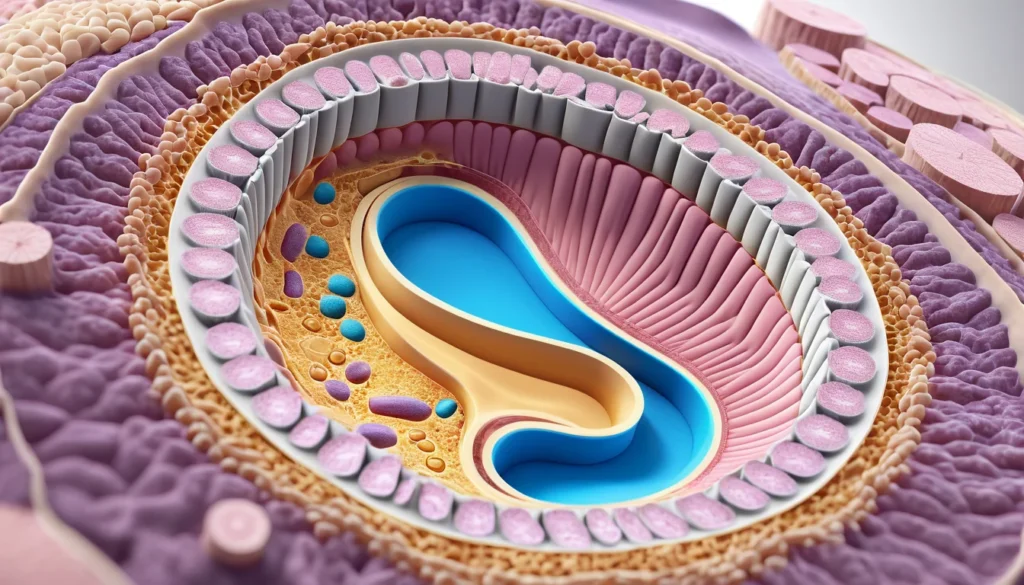
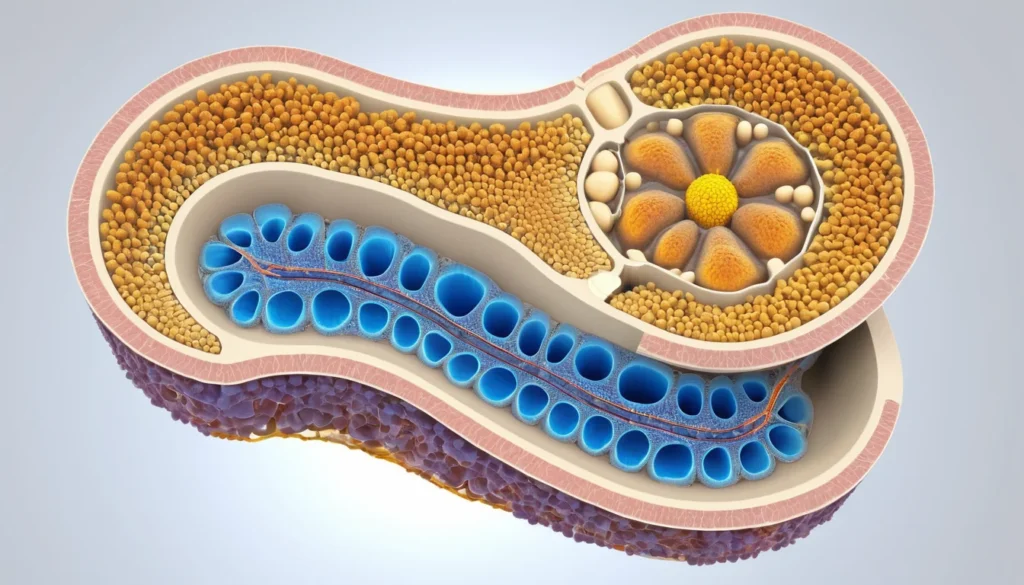
Your gut lining acts as a barrier. It keeps harmful bacteria and toxins from entering your bloodstream. When this barrier is disrupted — by infection, antibiotics, or illness — symptoms like diarrhea, bloating, and abdominal discomfort can follow.
Postbiotics help restore and protect this barrier in several ways. They can reduce inflammation along the gut wall, support the natural balance of gut bacteria, and help your immune system respond appropriately to threats.
According to the World Health Organization, diarrhoeal disease remains one of the leading causes of illness worldwide, particularly in children. Supporting gut health through safe, well-tolerated options is an important part of managing this.
What Is a Mucoprotector?
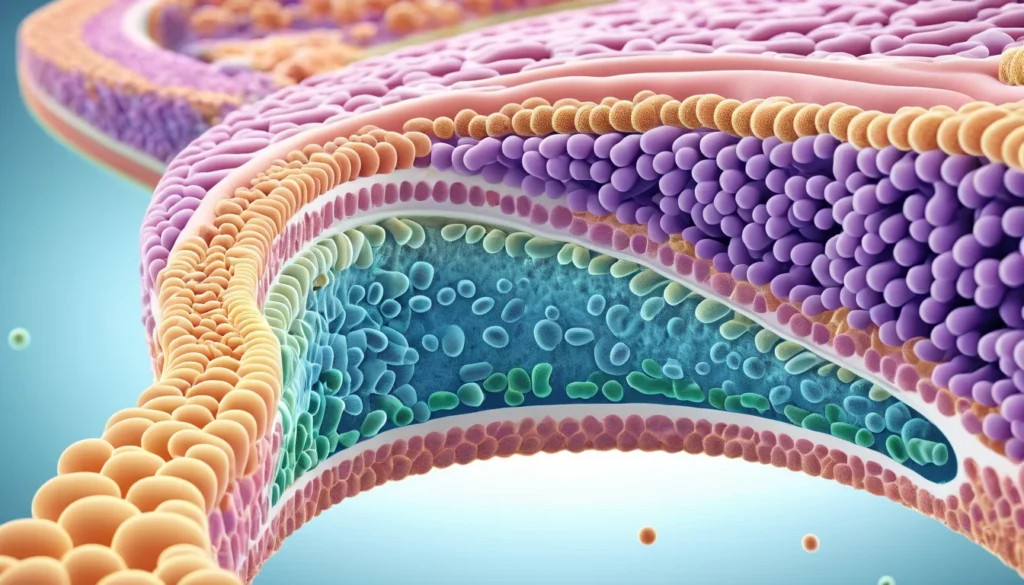
Some postbiotic-based products also include a mucoprotector. A mucoprotector is a polymer that mimics the natural mucus lining of your intestine. Think of it as a protective film that coats the gut wall.
This film works through three main actions:
It protects the intestinal wall from irritation and damage
It neutralizes harmful bacteria and toxins already present in the gut
It helps remove the pathogens responsible for causing diarrhea
As a result, the normal function of the intestinal wall is restored more quickly. Relief from symptoms like abdominal pressure and frequent bowel movements can begin within the first 12 hours.
Who Can Benefit from Postbiotic Supplements?
Postbiotics may be helpful for a wide range of people. Because they do not contain live bacteria, they are generally considered safe for most age groups — including infants as young as three months old, older adults, and people with weakened immune systems.
They may be particularly useful in the following situations:
Infectious gastroenteritis — stomach flu caused by a virus, bacteria, or parasite
Antibiotic-related diarrhea — antibiotics can disrupt the natural balance of gut bacteria, leading to loose stools
Chemotherapy side effects — cancer treatments can affect the digestive system
High-risk groups — people dealing with malnutrition, diabetes, metabolic syndrome, or high levels of stress
Older adults — aging affects gut bacteria balance and immune function
In addition, postbiotics do not interfere with the absorption of nutrients or medications. They work only within the intestinal tract and do not enter the bloodstream. They do not affect normal gut movement (motility) or change the natural composition of your gut bacteria.
Are Postbiotics Safe for the Whole Family?
One of the practical strengths of postbiotics is how well-tolerated they tend to be. Many formulations are free from lactose, gluten, yeast, and soy — making them suitable for people with common food sensitivities.
Postbiotic products for gut health often come in two forms to suit different ages and needs:
Powder sachets — designed for infants and children; can be mixed into milk, juice, or water (not hot)
Capsules or tablets — designed for adults
Because they have no taste or odour, powders are generally well accepted by children. However, always check the product label for age-specific dosing instructions and speak with your pharmacist if you have questions.
For a broader look at digestive health strategies for all ages, the Mayo Clinic offers helpful guidance on probiotics and gut health that applies equally to postbiotics.
When to See a Doctor
Postbiotics and related gut health products can help manage mild to moderate diarrhea. However, some situations require medical attention right away.
Visit your family doctor or a walk-in clinic if you or your child experiences any of the following:
Diarrhea lasting more than 48 hours in a child, or more than three days in an adult
Signs of dehydration — dry mouth, dark urine, dizziness, or very little urination
Blood or mucus in the stool
High fever alongside diarrhea
Severe abdominal pain
Symptoms in an infant under six months old
Most provincial health plans in Canada cover visits to a family doctor or walk-in clinic. If you are unsure whether your symptoms need attention, calling your provincial health line (such as 811 in many provinces) is a good first step. Your pharmacist can also advise you on whether a gut health supplement is appropriate for your situation.
Always read the product label carefully. Ask your doctor or pharmacist before starting any new supplement, especially if you take prescription medications or have a chronic health condition. This article is for general information only and is not a substitute for professional medical advice.
Frequently Asked Questions About Postbiotics
What are postbiotics and how are they different from probiotics?
Postbiotics are non-living microorganisms or their components that provide health benefits to your gut. Unlike probiotics, which contain live bacteria, postbiotics are inactivated — meaning they carry a lower risk of side effects and are easier to store. Many researchers now believe postbiotics are responsible for a large part of the benefits we once credited entirely to probiotics.
Are postbiotics safe for babies and young children?
Many postbiotic formulations are considered safe for infants as young as three months old, as well as older children and adults. Because postbiotics do not contain live bacteria, they are generally well-tolerated across all age groups. However, always check with your family doctor or pharmacist before giving any supplement to an infant or young child.
Can postbiotics help with antibiotic-related diarrhea?
Yes, postbiotics may help restore the natural balance of gut bacteria disrupted by antibiotics. Antibiotics kill harmful bacteria but can also affect beneficial bacteria in your digestive tract, leading to diarrhea and discomfort. Postbiotics support the gut lining and immune response without introducing new live bacteria into an already disrupted environment.
How quickly do postbiotics work for diarrhea relief?
Products that combine postbiotics with a mucoprotector — a substance that coats and protects the gut lining — may begin to relieve diarrhea symptoms within the first 12 hours. Results can vary depending on the cause of the diarrhea and the individual. If symptoms do not improve within 48 hours, especially in children, consult a doctor or visit a walk-in clinic.
Do postbiotics interfere with medications or nutrient absorption?
Postbiotics work locally within the intestinal tract and are not absorbed into the bloodstream. As a result, they do not interfere with how your body absorbs nutrients or medications. However, it is always a good idea to let your pharmacist know about any supplements you are taking alongside prescription drugs.
Where can I find postbiotic products in Canada?
Postbiotic-based digestive health products are available at many pharmacies across Canada. They typically come as powder sachets for children or capsules and tablets for adults. Your pharmacist can help you choose the right product for your age group and symptoms, and can advise on proper dosing.
Key Takeaways
Postbiotics are non-living microorganisms or their components that support gut health and immune function.
They offer practical benefits over probiotics: longer shelf life, faster action, easier storage, and a lower risk of side effects.
Tyndallized lactic acid bacteria are a well-studied type of postbiotic that stimulate the immune system without introducing live bacteria.
Postbiotics may help with diarrhea from infections, antibiotics, chemotherapy, and other causes.
They are generally safe for all ages — including infants from three months — and are free from lactose, gluten, yeast, and soy in many formulations.
For mild diarrhea, postbiotic products available at your local pharmacy may offer safe, effective relief.
See your family doctor or visit a walk-in clinic if diarrhea is severe, lasts more than a couple of days, or is accompanied by fever, blood in the stool, or signs of dehydration.
Always consult your doctor or pharmacist before starting a new supplement, especially for infants, older adults, or anyone with a chronic health condition.