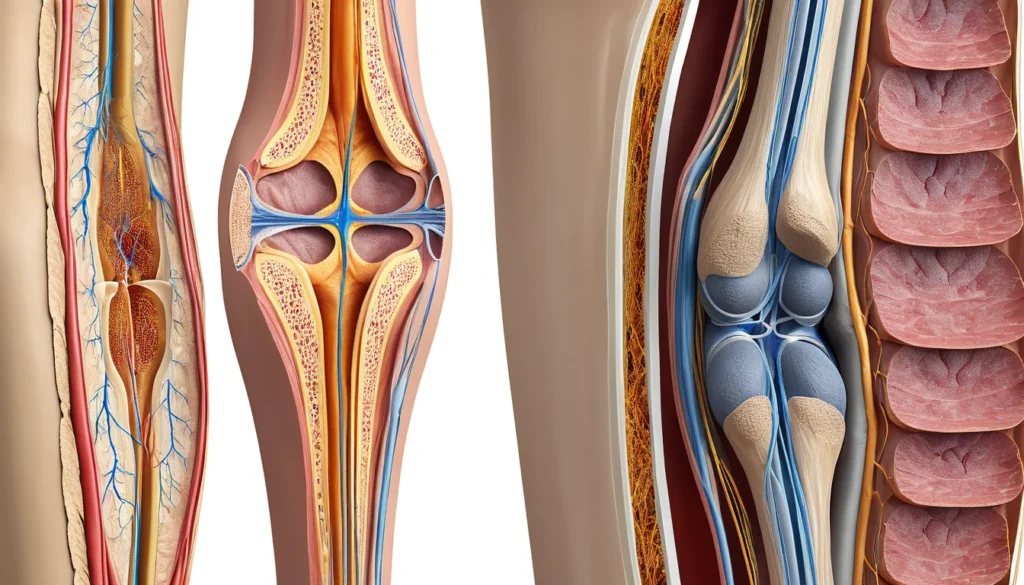
Post-thrombotic syndrome is a serious, long-term complication that develops in up to 50% of people who have had a deep vein thrombosis (DVT). It causes chronic leg pain, swelling, and in severe cases, open sores that are difficult to heal. Understanding this condition can help Canadians recognize symptoms early and get the right care. This article covers what post-thrombotic syndrome is, who is at risk, and what treatment options are available through your family doctor or provincial health plan.
What Is Post-Thrombotic Syndrome?
Post-thrombotic syndrome (PTS) develops as a complication after a deep vein thrombosis. A DVT is a blood clot that forms in a deep vein, usually in the leg. Even when DVT is treated correctly with blood thinners, PTS can still develop.
The condition happens because the blood clot damages the valves inside the veins. These valves normally keep blood flowing toward the heart. When they stop working properly, blood pools in the lower leg. This pooling causes pressure, swelling, and tissue damage over time.
Symptoms range from mild discomfort to severe, disabling pain. For many Canadians, PTS significantly reduces their quality of life and ability to carry out everyday activities. According to the Mayo Clinic’s overview of deep vein thrombosis, recognizing complications like PTS early is key to better outcomes.
Risk Factors for Post-Thrombotic Syndrome
Not everyone who has a DVT will develop post-thrombotic syndrome. However, certain factors make it more likely. Knowing these risk factors can help you and your doctor stay alert.
Key Risk Factors to Know
Age over 65: Older adults are at higher risk of developing PTS after a DVT.
Pre-existing vein problems: If you already have venous insufficiency or varicose veins, your risk increases.
Location of the clot: Clots in the upper (proximal) leg veins, such as the iliac or femoral veins, carry a higher risk than clots lower in the leg.
Previous DVT on the same side: A history of clots in the same leg raises your chances of developing PTS.
Persistent symptoms lasting more than one month: When DVT symptoms do not improve quickly, the risk of PTS goes up.
Poor anticoagulation control: Inconsistent use of blood thinners in the first three months after a DVT increases risk significantly.
Furthermore, research suggests that the type of blood thinner used may also play a role. Some studies indicate that low-molecular-weight heparins may lead to lower rates of PTS compared to other anticoagulant approaches. Your doctor will choose the most appropriate treatment based on your specific situation.
Symptoms of Post-Thrombotic Syndrome
Post-thrombotic syndrome is called a “syndrome” because it involves a group of symptoms that vary from person to person. Symptoms can also change over time — they may be constant or come and go. They tend to feel worse when you stand for long periods and improve when you elevate the affected leg.
Common Symptoms
Swelling in the affected leg
Chronic pain, including cramping or aching
A heavy or tired feeling in the leg
Itching or tingling sensations
Skin redness or brownish discolouration
Thickening of the skin and tissue beneath it (called lipodermatosclerosis)
Skin ulcers, especially near the ankle
In severe cases, open sores (ulcers) can develop on the lower leg. These ulcers are painful, slow to heal, and may return even after treatment. They sometimes appear after only minor bumps or injuries to the skin. Severe PTS can be just as disabling as other chronic conditions.
When Do Symptoms Appear?
Symptoms of post-thrombotic syndrome usually appear within three to six months after a DVT episode. However, in some cases, symptoms may not show up until up to two years later. Because early DVT symptoms and PTS symptoms can look similar, doctors generally wait three to six months before confirming a PTS diagnosis.
It is also worth noting that some people are diagnosed with PTS without ever knowing they had a DVT. This happens because DVT can be asymptomatic — meaning it causes no obvious symptoms — for months or even years.
How Is Post-Thrombotic Syndrome Diagnosed?
Doctors diagnose post-thrombotic syndrome mainly by reviewing your symptoms and your history of DVT. However, they also use tools to confirm the diagnosis and rule out other causes of leg swelling.
Diagnostic Tools
A Doppler ultrasound is the most common test. It uses sound waves to check blood flow in the veins and can identify damaged valves. In some cases, doctors may also use MRI or lymphoscintigraphy to get a clearer picture.
Doctors may also use the Villalta Scale, a scoring tool that measures specific symptoms and physical signs. It looks at pain, cramping, leg heaviness, itching, and tingling, as well as visible signs like swelling, skin changes, and varicose veins. A diagnosis is usually only confirmed three to six months after a DVT episode, once acute symptoms have had time to settle.
According to Healthline’s guide on post-thrombotic syndrome, early assessment and monitoring after DVT are important steps in catching PTS before it becomes severe.
Treatment Options for Post-Thrombotic Syndrome
Treatment options for post-thrombotic syndrome are focused on managing symptoms and preventing the condition from getting worse. There is currently no cure, which makes prevention the most important strategy. However, several approaches can meaningfully improve daily life.
Lifestyle and Physical Measures
Leg elevation: Raising the affected leg above heart level helps reduce swelling and pressure in the veins.
Exercise: Gentle, regular physical activity recommended by a specialist can improve circulation and reduce symptoms.
Skin care: Keeping the skin moisturised helps prevent cracking and reduces the risk of ulcers forming.
Compression Therapy
Compression therapy is one of the most effective treatments for post-thrombotic syndrome. It involves wearing medical-grade compression stockings or bandages on the affected leg. These apply gentle pressure that helps push blood upward, reducing swelling and discomfort.
Some patients also benefit from an intermittent pneumatic compression pump. This is a device that inflates and deflates around the leg, improving blood flow mechanically. Your doctor or a vascular specialist can advise whether this is right for you.
Treating Skin Changes and Infections
Inflammatory skin conditions (dermatitis) are treated with emollient ointments or topical corticosteroids.
Thickened skin (hyperkeratosis) is treated with emollient creams containing 2–5% salicylic acid.
Bacterial or fungal skin infections are managed with appropriate antibiotic or antifungal medications.
Lymphatic Drainage
Manual lymphatic drainage, performed by a trained therapist, can help move fluid out of the swollen limb. This is sometimes offered through outpatient rehabilitation programmes. Ask your family doctor whether a referral is available under your provincial health plan.
Prevention of Post-Thrombotic Syndrome
The best way to manage post-thrombotic syndrome is to prevent it from developing in the first place. Preventing DVT — or treating it quickly and effectively when it does occur — is the most important step.
Thromboprophylaxis
Thromboprophylaxis means taking steps to prevent blood clots from forming or growing. It includes:
Anticoagulant medications: Blood thinners such as low-molecular-weight heparin or vitamin K antagonists help dissolve clots and prevent new ones from forming.
Bed rest with leg elevation: Elevating the affected leg approximately 30 centimetres above the mattress reduces venous pressure during recovery.
Catheter-directed thrombolysis: In some cases, doctors use a thin tube (catheter) inserted into the vein to deliver clot-dissolving medication directly to the clot. This is done in a hospital setting.
Taking blood thinners exactly as prescribed — especially during the first three months after a DVT — is one of the most effective ways to lower your risk of developing PTS. Health Canada provides guidance on blood thinners and what Canadians need to know about using them safely.
When to See a Doctor
If you have been diagnosed with DVT in the past and you notice new or worsening leg swelling, pain, or skin changes, contact your family doctor as soon as possible. These could be early signs of post-thrombotic syndrome.
If you do not have a family doctor, a walk-in clinic can assess your symptoms and refer you to a vascular specialist if needed. Most provincial health plans cover assessment and referral for vascular conditions. Do not wait for symptoms to become severe before seeking help — early treatment leads to better outcomes.
You should seek urgent care if you develop a painful, non-healing ulcer on your leg, signs of skin infection (warmth, redness, discharge), or sudden worsening of swelling. These symptoms need prompt medical attention.
Always speak with a qualified healthcare provider before starting any new treatment. This article is for informational purposes only and does not replace professional medical advice.
Frequently Asked Questions About Post-Thrombotic Syndrome
What is post-thrombotic syndrome and how does it develop?
Post-thrombotic syndrome is a chronic condition that develops after a deep vein thrombosis (DVT). The blood clot damages the vein’s valves, causing blood to pool in the lower leg. This leads to swelling, pain, skin changes, and sometimes ulcers that can persist for years.
How common is post-thrombotic syndrome after a DVT?
Post-thrombotic syndrome affects between 20% and 50% of people who have had a DVT, even when blood clots are treated correctly. This makes it one of the most common long-term complications of deep vein thrombosis. Early and consistent anticoagulant treatment can help reduce this risk.
Can post-thrombotic syndrome be cured?
There is currently no cure for post-thrombotic syndrome. However, treatments such as compression stockings, leg elevation, skin care, and physiotherapy can significantly reduce symptoms and improve quality of life. Prevention — through proper DVT treatment — remains the most effective strategy.
How long after a DVT can post-thrombotic syndrome develop?
Symptoms of post-thrombotic syndrome most often appear within three to six months after a DVT episode. In some cases, however, they may develop up to two years later. Doctors usually wait three to six months before making a formal diagnosis, to allow acute DVT symptoms to resolve first.
Do compression stockings really help with post-thrombotic syndrome?
Yes, compression stockings are one of the most widely recommended treatments for post-thrombotic syndrome. They apply gentle pressure to the leg, which helps reduce swelling and improve blood flow. Your doctor can prescribe the appropriate compression level based on the severity of your symptoms.
Is post-thrombotic syndrome covered under Canadian provincial health plans?
Assessment, specialist referrals, and many treatments for post-thrombotic syndrome are generally covered under provincial health plans across Canada. However, coverage for items like compression stockings varies by province. Ask your family doctor or walk-in clinic about what is available in your region.
Key Takeaways
Post-thrombotic syndrome affects up to 50% of people who have had a DVT, even with proper treatment.
It develops because DVT damages vein valves, causing blood to pool and pressure to build in the lower leg.
Symptoms include chronic leg pain, swelling, skin discolouration, itching, and — in severe cases — slow-healing ulcers.
Symptoms usually appear within three to six months after a DVT but can develop up to two years later.
Compression therapy, leg elevation, exercise, and skin care are the main treatments for managing PTS.
Prevention through correct and consistent DVT treatment — especially blood thinners in the first three months — is the most effective approach.
If you have had a DVT and notice new leg symptoms, speak to your family doctor or visit a walk-in clinic promptly.