Portal hypertension is a condition where blood pressure rises abnormally inside the portal vein — the large blood vessel that carries blood from your digestive organs to your liver. This increased pressure can cause serious complications, including internal bleeding. In this article, we explain what portal hypertension is, what causes it, what symptoms to watch for, and what treatments are available in Canada.
What Is Portal Hypertension?
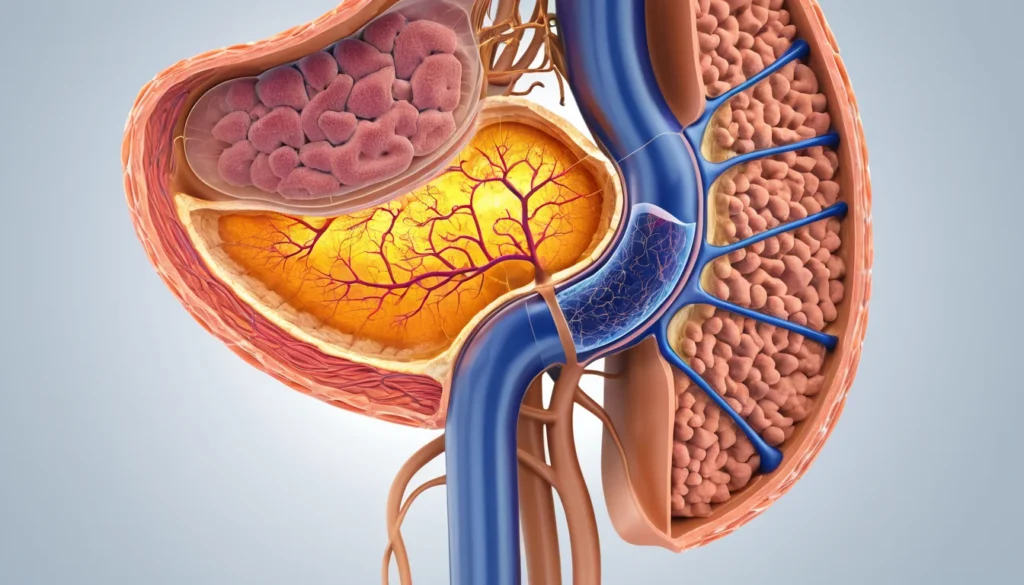
Your portal vein does an important job. It collects blood from your stomach, small intestine, colon, spleen, and pancreas, and carries it to your liver for filtering.
After the liver cleans the blood, it flows back to the heart through a large vein called the inferior vena cava. When something blocks or slows this flow, pressure builds up inside the portal vein. This is portal hypertension.
Think of it like a garden hose with a kink in it. Pressure builds up behind the blockage, and blood has to find other ways to get through. This forces blood into smaller, weaker veins that are not built to handle that kind of pressure.
For more background on how the liver works, visit Health Canada’s health information resources.
Common Causes of Portal Hypertension
Portal hypertension is not a disease on its own. Instead, it is a sign that something else is going on inside the body. Several different conditions can cause it.
Liver Cirrhosis
Cirrhosis is by far the most common cause of portal hypertension. Cirrhosis happens when healthy liver tissue is replaced by scar tissue over time. This scarring blocks normal blood flow through the liver.
Long-term alcohol use, chronic hepatitis B or C, and fatty liver disease are the most common reasons cirrhosis develops in Canada. However, any condition that damages the liver over many years can lead to cirrhosis.
Blood Clots in the Portal Vein
A blood clot (called portal vein thrombosis) can block blood flow directly. This is sometimes linked to certain blood disorders called myeloproliferative syndromes, or to a local infection near the vein.
When a clot forms, blood cannot move forward normally. As a result, pressure builds up quickly behind the blockage.
Tumours and External Pressure
Pancreatic cancer can press on the portal vein from the outside, slowing blood flow. Primary liver cancer (hepatocellular carcinoma) can also invade the vein directly.
In addition, other tumours near the liver or spleen may compress nearby blood vessels. Therefore, portal hypertension in someone without known liver disease always needs a careful investigation.
Other Causes
Less commonly, blood disorders, certain infections, and rare liver diseases can also raise pressure in the portal vein. Your family doctor or specialist will look for the underlying cause before deciding on treatment.
Recognising the Symptoms of Portal Hypertension
Portal hypertension often develops slowly and quietly. Many people do not notice symptoms until the condition has become serious. However, there are several warning signs to watch for.
Visible Veins on the Abdomen and Chest
When pressure builds in the portal vein, blood is forced into smaller side vessels called collateral veins. These veins sit just under the skin on the upper abdomen and lower chest.
Over time, these vessels become swollen and visible through the skin. This is a sign that your body has created a detour — called a portocaval anastomosis — to move blood around the blockage.
Esophageal and Gastric Varices
One of the most dangerous complications of portal hypertension is the formation of varices. Varices are swollen, fragile veins that develop in the lower part of the esophagus (food pipe) or the stomach.
These veins look bluish and bulging. They form because blood is being pushed into vessels that cannot normally handle such pressure. Esophageal varices are more common than gastric (stomach) varices, but both are serious.
For a detailed explanation of varices and their risks, see this overview of esophageal varices from the Mayo Clinic.
Ascites — Fluid in the Abdomen
Portal hypertension can also cause ascites. Ascites is a build-up of fluid in the abdominal cavity. It happens when the liver is not working properly and the body retains water and salt.
As the fluid builds up, the abdomen becomes noticeably swollen and distended. This can cause discomfort, a feeling of fullness, and shortness of breath. Ascites is a sign that the liver is under significant stress.
Other Possible Symptoms
An enlarged spleen (splenomegaly), sometimes felt as a fullness on the left side of the abdomen
Fatigue and general weakness
Yellowing of the skin or eyes (jaundice)
Easy bruising or bleeding
Confusion or difficulty thinking clearly (a sign of liver-related toxin build-up)
The Most Serious Risk: Variceal Bleeding
The greatest danger with portal hypertension is that varices can rupture. When this happens, the result is sudden, heavy internal bleeding in the digestive tract. This is a life-threatening emergency.
Signs of variceal bleeding include vomiting blood, passing black or tarry stools, or sudden dizziness and weakness. If you or someone near you has these symptoms, call 911 immediately. Do not wait to see if it improves.
This kind of bleeding requires urgent hospital care. Treatments in an emergency setting may include blood transfusions, a balloon tube inserted to compress the bleeding vein, and endoscopic procedures to stop the bleed. Time matters enormously in this situation.
Furthermore, even a first bleed from varices has a high risk of happening again. For this reason, doctors work hard to prevent rupture before it occurs.
How Portal Hypertension Is Diagnosed
Your family doctor will start with a physical exam and a review of your medical history. They will look for signs like an enlarged liver or spleen, visible abdominal veins, or fluid in the belly.
Tests Your Doctor May Order
Blood tests can show how well your liver is functioning. They can also reveal clues about the underlying cause, such as signs of a blood disorder or infection.
Imaging tests are also important. An ultrasound with Doppler technology can measure blood flow in the portal vein and spot blockages. A CT scan or MRI may give a more detailed picture of the liver, spleen, and nearby blood vessels.
In some cases, an upper endoscopy (a thin camera guided into the esophagus and stomach) is used to look directly for varices. This procedure also allows doctors to treat varices at the same time if needed.
Treatment Options for Portal Hypertension
There is no single cure for portal hypertension. Treatment focuses on managing the underlying cause, reducing pressure in the portal vein, and preventing dangerous complications.
Treating the Underlying Cause
If cirrhosis is the cause, treatment aims to slow further liver damage. This may involve stopping alcohol use, antiviral medications for hepatitis, or managing fatty liver disease through diet and exercise.
If a tumour or blood clot is responsible, your specialist will address that directly. Therefore, finding the root cause is the essential first step.
Medications to Lower Portal Pressure
Certain blood pressure medications, particularly a class called beta-blockers (such as propranolol or nadolol), can reduce pressure inside the portal vein. These drugs slow the heart rate and reduce the force of blood flow.
Doctors often prescribe these medications to people who have already developed varices, in order to reduce the risk of bleeding. Your doctor will decide if this is the right option for you.
Endoscopic Treatment for Varices
Endoscopic band ligation is a common procedure to treat esophageal varices before they bleed. A doctor uses a flexible camera to place small rubber bands around the varices, cutting off their blood supply.
Sclerotherapy is another option. In this procedure, a doctor injects a special solution directly into the varix through an endoscope. The solution causes the vein to scar and close. Both procedures are done in a hospital or endoscopy centre.
TIPS Procedure
In more advanced cases, a procedure called TIPS (transjugular intrahepatic portosystemic shunt) may be recommended. A radiologist creates a new pathway inside the liver to allow blood to flow more freely.
This reduces pressure in the portal system significantly. However, it is a complex procedure and is not suitable for everyone. Your specialist will weigh the risks and benefits carefully.
Liver Transplant
For patients with severe cirrhosis and portal hypertension, a liver transplant may ultimately be the best long-term option. Canada has active liver transplant programmes at major academic hospitals across the country.
Eligibility for transplant depends on many factors. Your hepatologist or specialist will discuss whether this is appropriate for your situation.
Learn more about liver health from Healthline’s guide to portal hypertension.
When to See a Doctor
You should speak with your family doctor if you notice any of the symptoms described above — especially a swollen abdomen, visible veins on your belly, or unexplained fatigue. Catching portal hypertension early gives you more treatment options.
If you do not have a family doctor, a walk-in clinic can assess your symptoms and refer you to a specialist if needed. Most provincial health plans in Canada cover the tests and specialist visits required to diagnose and manage this condition.
Call 911 or go to your nearest emergency room immediately if you vomit blood, notice very dark or black stools, or feel suddenly faint. These are signs of a possible variceal bleed and require emergency care right away.
As always, please speak with a qualified healthcare provider before making any decisions about your health. The information in this article is for general education only and does not replace professional medical advice.
Frequently Asked Questions About Portal Hypertension
What is portal hypertension and what causes it?
Portal hypertension is an increase in blood pressure inside the portal vein, which carries blood from your digestive organs to your liver. It is most commonly caused by liver cirrhosis, but blood clots, tumours, and certain infections can also be responsible. Finding the underlying cause is the key first step in treatment.
Can portal hypertension be cured?
Portal hypertension itself cannot always be cured, but it can often be managed effectively. Treatment focuses on the underlying condition causing it, reducing pressure in the portal vein, and preventing dangerous complications like bleeding. In cases of severe liver disease, a liver transplant can resolve portal hypertension permanently.
What are the warning signs of portal hypertension?
Common warning signs of portal hypertension include a swollen abdomen (ascites), visible veins on the belly or lower chest, an enlarged spleen, and fatigue. More serious signs include vomiting blood or passing black, tarry stools, which can mean a variceal bleed and require immediate emergency care.
How is portal hypertension diagnosed in Canada?
A family doctor will usually start with a physical exam and blood tests to check liver function. They may then refer you for an abdominal ultrasound, CT scan, or upper endoscopy to get a clearer picture. These tests are generally covered under provincial health plans across Canada.
Is portal hypertension life-threatening?
Portal hypertension can become life-threatening if esophageal or gastric varices rupture and cause severe internal bleeding. This is a medical emergency that requires immediate hospital care, including blood transfusion and endoscopic procedures. However, with proper management and monitoring, many people live with portal hypertension for years.
What foods should I avoid if I have portal hypertension?
People with portal hypertension are often advised to reduce salt (sodium) intake, as too much salt worsens fluid retention and ascites. Alcohol should be avoided entirely, especially if cirrhosis is involved. Your doctor or a registered dietitian can create a nutrition plan suited to your specific situation.
Key Takeaways
Portal hypertension is a rise in blood pressure inside the portal vein, which feeds blood to the liver from the digestive organs.
The most common cause in Canada is liver cirrhosis, though tumours, blood clots, and infections can also be responsible.
Key symptoms include a swollen abdomen, visible surface veins, and an enlarged spleen. Variceal bleeding is the most serious and life-threatening complication.
Treatment targets the underlying cause, lowers portal pressure with medications, and uses endoscopic or surgical procedures to prevent or stop bleeding.
Most Canadians can access diagnosis and specialist care through their provincial health plan. Start with your family doctor or a walk-in clinic.
Seek emergency care immediately if you vomit blood or notice black, tarry stools. These symptoms can signal life-threatening bleeding.
Always speak with a qualified healthcare provider for advice tailored to your personal health situation.