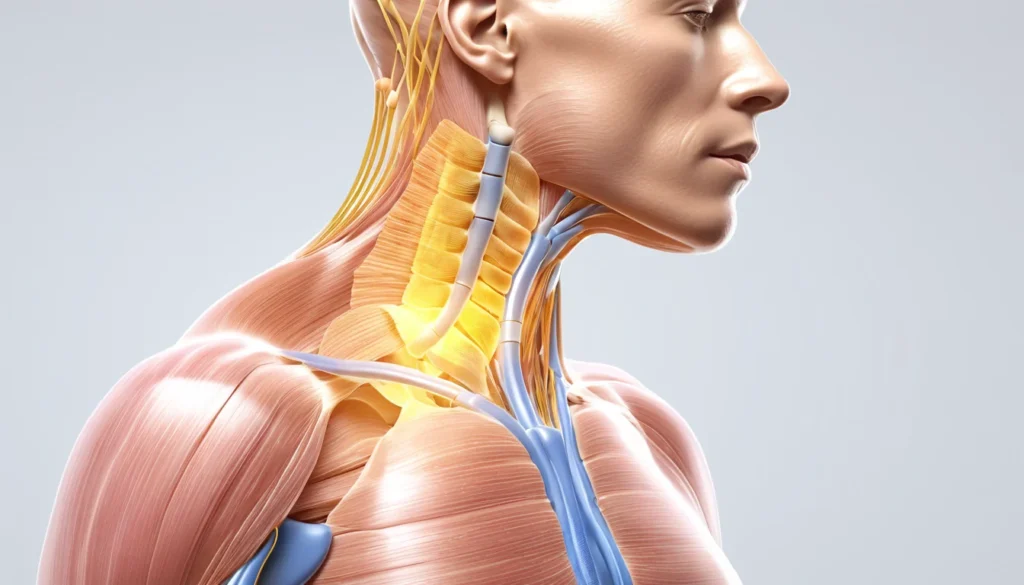
Porphyria is a rare inherited disease that affects how your body produces heme — the non-protein part of haemoglobin that carries oxygen in your blood. When the process breaks down, certain chemicals called porphyrins build up in your tissues and organs. This article explains the different types of porphyria, their symptoms, what triggers attacks, and how the condition is treated in Canada.
What Is Porphyria?
Porphyria is caused by a fault in one of the eight enzymes responsible for making heme. Each enzyme is controlled by a gene, and a mutation in any one of them can cause a different form of the disease. As a result, porphyria is not a single condition — it is a group of related disorders.
Porphyrins are natural chemicals your body makes as part of normal cell function. However, when they build up to abnormal levels, they become toxic. Depending on where porphyrins accumulate — in the skin, the nervous system, or internal organs — symptoms can look very different from one person to the next.
Porphyria is considered a very rare disease. According to Health Canada, rare diseases affect fewer than 1 in 2,000 Canadians. Many people with porphyria live for years without a diagnosis because its symptoms can mimic many other conditions.
Types of Porphyria: An Overview
There are several distinct forms of porphyria. Doctors generally group them into two main categories: acute porphyrias, which primarily affect the nervous system, and cutaneous porphyrias, which primarily affect the skin. Some types overlap and affect both.
Symptoms can appear in childhood or not until adulthood, depending on the type. Understanding which form you have is essential for choosing the right treatment and avoiding triggers.
Acute Intermittent Porphyria
Acute intermittent porphyria (AIP) is one of the most common acute forms. It most often appears in adulthood, usually between the ages of 20 and 40. Women are more frequently affected than men.
The main symptom is severe abdominal pain that comes on suddenly. Other symptoms include muscle weakness, cramping, and mental health changes such as anxiety, confusion, or hallucinations. Urine may turn red or dark brown when left to stand, which is a key warning sign.
Many common medications can trigger an AIP attack. These include barbiturates (used for sedation), oral contraceptives, sulfonamide antibiotics, and phenytoin (an anti-seizure drug). It is very important to tell your doctor or pharmacist that you have porphyria before starting any new medication.
Variegate Porphyria
Variegate porphyria (VP) is closely related to AIP. It causes similar acute attacks of abdominal pain, muscle weakness, and neurological symptoms. However, it also causes skin symptoms, which sets it apart.
People with VP develop blisters on areas of skin that are exposed to sunlight, such as the hands and face. The skin in these areas can become very fragile. The same medication triggers that apply to AIP also apply to variegate porphyria.
Hereditary Coproporphyria
Hereditary coproporphyria (HCP) is another acute porphyria similar to AIP. It can also cause skin blistering in some people, though this is less common than in variegate porphyria. Attacks are triggered by similar factors, including certain medications, fasting, and hormonal changes.
Porphyria Cutanea Tarda
Porphyria cutanea tarda (PCT) is the most common form of porphyria overall. Unlike the acute types, PCT mainly affects the skin rather than the nervous system. It usually appears in adults, which is reflected in its name — “tarda” means “late” in Latin.
The main symptom is blistering skin after sun exposure, especially on the hands, forearms, and face. Wounds heal slowly, and the skin may scar or thicken. Urine is often reddish or brown in colour.
PCT is often triggered by liver disease. Alcohol use, hepatitis C infection, and excess iron in the body are common underlying causes. Therefore, managing liver health is a key part of treating this type of porphyria.
Erythropoietic Protoporphyria
Erythropoietic protoporphyria (EPP) is one of the few forms that begins in childhood. Children with EPP experience burning, itching, and redness of the skin after even brief sun exposure. This is not the same as a sunburn — the reaction is immediate and very painful.
Unlike most other skin-type porphyrias, EPP rarely causes blistering. However, it can affect the liver over time, because excess protoporphyrin is processed there. For example, some patients with EPP eventually develop liver complications that require close monitoring.
Congenital Erythropoietic Porphyria
Congenital erythropoietic porphyria (CEP), also known as Günther disease, is one of the rarest and most severe forms. Symptoms appear from birth or very early infancy. These include severe skin rashes and blistering, an enlarged spleen, and a reddish-brown staining of the teeth.
CEP can also cause haemolytic episodes — sudden destruction of large numbers of red blood cells. This can lead to severe anaemia. Children with this condition require careful, ongoing medical supervision.
What Triggers Porphyria Attacks?
Many forms of porphyria are triggered rather than constant. This means symptoms flare up in response to specific factors. Knowing and avoiding your personal triggers is one of the most effective ways to manage porphyria.
Common triggers include:
Certain medications — barbiturates, sulfonamides, oral contraceptives, phenytoin, and many others
Sun exposure — especially for cutaneous types like PCT and EPP
Alcohol — a well-known trigger, particularly for PCT
Fasting or low-calorie diets — reduced food intake can trigger acute attacks
Hormonal changes — menstrual cycles can trigger attacks in women with AIP
Infections and physical stress — illness or surgery can sometimes trigger an episode
Smoking — linked to increased risk in some forms
Furthermore, some triggers are cumulative. That means a combination of factors — for example, stress plus alcohol plus a triggering medication — is more likely to cause an attack than any single factor alone.
How Is Porphyria Diagnosed?
Diagnosing porphyria can be challenging because its symptoms overlap with many other conditions. Abdominal pain attacks, for instance, are often mistaken for appendicitis, irritable bowel syndrome, or even psychiatric illness. This means diagnosis is sometimes delayed by years.
Doctors typically use urine, blood, and stool tests to measure porphyrin levels. Genetic testing can confirm the specific mutation involved. In Canada, these tests are available through specialist referral, most often to a haematologist (blood specialist) or dermatologist.
If you suspect porphyria based on your family history or recurring unexplained symptoms, speak with your family doctor. They can order initial tests and refer you to the right specialist. According to the Mayo Clinic’s overview of porphyria, early and accurate diagnosis is critical for preventing long-term complications.
Treatment Options for Porphyria
There is no single cure for porphyria, but effective management is possible. Treatment depends on the specific type and how severe the symptoms are. The most important first step is always to identify and avoid triggers.
Treating Acute Attacks
During an acute attack of AIP, variegate porphyria, or hereditary coproporphyria, hospitalisation is often required. Intravenous glucose (sugar) can help suppress porphyrin production and ease symptoms. In more severe cases, a medication called hemin — which is chemically similar to heme — is given intravenously to stop the attack.
Pain management is also an important part of acute care. Additionally, any triggering medications must be stopped immediately. A list of safe and unsafe medications for porphyria patients is available through specialty centres and should be shared with all healthcare providers, including pharmacists.
Managing Cutaneous Porphyria
For skin-type porphyrias, sun protection is essential. Wearing protective clothing, wide-brimmed hats, and high-SPF sunscreen can reduce flares. Standard sunscreens may not be enough for EPP — physical blockers containing zinc oxide or titanium dioxide are generally more effective.
For porphyria cutanea tarda specifically, phlebotomy (therapeutic blood removal) is a common treatment. This procedure reduces excess iron in the blood, which helps lower porphyrin levels. It is similar to donating blood and is performed at a clinic or hospital. In some cases, low-dose antimalarial medications such as hydroxychloroquine are also used to help the body clear porphyrins more efficiently.
Long-Term Management
People living with porphyria benefit from regular follow-up care. This includes routine blood and urine monitoring, liver function tests, and review of any new medications before taking them. In Canada, your provincial health plan typically covers specialist visits and most diagnostic testing for conditions like porphyria.
In addition, some patients benefit from dietary counselling to avoid prolonged fasting. Eating regular, balanced meals with adequate carbohydrates can help prevent acute attacks. Reducing or eliminating alcohol is strongly recommended for most types.
When to See a Doctor
You should contact your family doctor if you experience repeated episodes of unexplained severe abdominal pain, unusual skin sensitivity to sunlight, or changes in the colour of your urine. These symptoms — especially together — may point to porphyria or another condition that needs investigation.
If you do not have a family doctor, a walk-in clinic can be a good first step. Bring a list of your symptoms, when they occur, and any family history of similar problems. This information helps the doctor decide whether to order tests or refer you to a specialist.
In an emergency — such as a severe attack with extreme pain, confusion, or muscle paralysis — go to your nearest emergency department or call 911. Acute porphyria attacks can be life-threatening if not treated promptly.
As always, speak with a qualified healthcare provider before making any changes to your medications or treatment plan. This article is for informational purposes only and is not a substitute for professional medical advice.
Frequently Asked Questions About Porphyria
What are the most common symptoms of porphyria?
Porphyria symptoms vary by type but often include severe abdominal pain, skin blistering after sun exposure, and dark or reddish urine. Acute forms of porphyria can also cause muscle weakness, anxiety, and confusion. If you experience these symptoms repeatedly, see your family doctor for testing.
Is porphyria hereditary?
Yes, most forms of porphyria are inherited conditions caused by gene mutations. If a parent carries the gene, there is a chance it can be passed on to their children. Genetic testing can confirm whether you carry a porphyria-related gene mutation.
Can porphyria be cured?
There is currently no complete cure for porphyria, but it can be effectively managed with the right treatment plan. Avoiding triggers, protecting your skin from the sun, and using specific medications during attacks can greatly reduce symptoms. Bone marrow transplant has been used in very severe cases of congenital erythropoietic porphyria.
What medications should people with porphyria avoid?
People with porphyria should avoid certain medications that can trigger attacks, including barbiturates, sulfonamide antibiotics, oral contraceptives, and the anti-seizure drug phenytoin. Always tell your doctor and pharmacist that you have porphyria before starting any new medication. A comprehensive list of safe and unsafe drugs is available through porphyria specialist centres.
How rare is porphyria in Canada?
Porphyria is considered a rare disease in Canada, meaning it affects a very small proportion of the population. The exact prevalence varies by type — porphyria cutanea tarda is the most common form, while congenital erythropoietic porphyria is extremely rare. Because porphyria is uncommon, it is often underdiagnosed or misdiagnosed.
Does alcohol affect porphyria?
Yes, alcohol is a well-known trigger for several types of porphyria, particularly porphyria cutanea tarda. Alcohol stresses the liver, which plays a central role in heme production and porphyrin clearance. People diagnosed with porphyria are strongly advised to reduce or eliminate alcohol consumption. For more information, visit Healthline’s guide to porphyria.
Key Takeaways
Porphyria is a group of rare inherited disorders caused by enzyme faults in the heme production process. There are multiple types, including acute intermittent porphyria, porphyria cutanea tarda, and erythropoietic protoporphyria, each with different symptoms. Acute forms mainly affect the nervous system; cutaneous forms mainly affect the skin. Common triggers include certain medications, sun exposure, alcohol, fasting, and hormonal changes. Treatment focuses on avoiding triggers, managing attacks with glucose or hemin, and protecting the skin. Diagnosis can be delayed because porphyria symptoms mimic many other conditions —