Polycythemia vera is a rare blood disorder where the bone marrow produces too many red blood cells. This causes the blood to thicken, which raises the risk of dangerous blood clots. Those clots can lead to serious complications like stroke or heart attack. However, with the right treatment and monitoring, most people with this condition live a normal life.
What Is Polycythemia Vera?
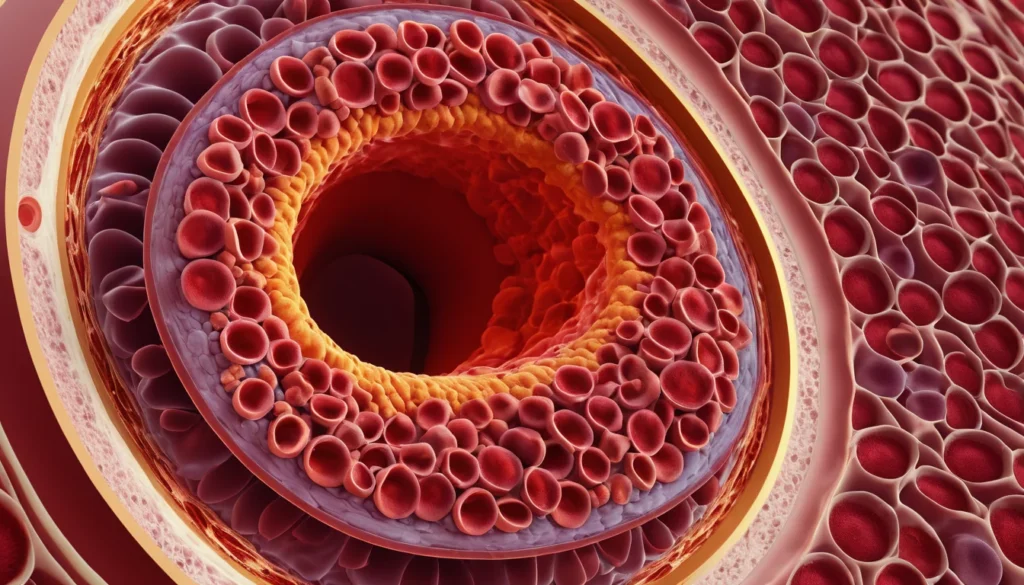
Polycythemia vera is a type of blood cancer, though it progresses very slowly. The bone marrow — the spongy tissue inside your bones — goes into overdrive and produces too many blood cells. This includes red blood cells, white blood cells, and platelets.
The excess cells thicken the blood and slow its flow through your body. As a result, the risk of clotting increases significantly. According to the Mayo Clinic, polycythemia vera affects roughly 1 in 100,000 people and is most common in adults over 60.
Although this condition involves a genetic mutation, it is generally not inherited. The mutation typically develops during a person’s lifetime rather than being passed down from parents. Most people with polycythemia vera carry a specific mutation called JAK2 V617F.
Common Symptoms of Polycythemia Vera
In the early stages, polycythemia vera often causes no symptoms at all. Many people only discover they have it after a routine blood test ordered by their family doctor or at a walk-in clinic.
As the condition progresses, symptoms may appear gradually. It is important to pay attention to changes in how you feel, especially if you are over 60.
Early and Mild Symptoms
In the early stages, you may notice:
Headaches and dizziness
A flushed or reddish colour to the face
Itchy skin, especially after a warm bath or shower
Fatigue and weakness
Blurred vision or other changes in sight
More Serious Symptoms
As polycythemia vera advances, more serious symptoms can develop. These include:
Shortness of breath, even when lying down
Numbness, tingling, or a burning feeling in the hands, feet, or limbs
A feeling of fullness or bloating on the upper left side of the abdomen — this is often caused by an enlarged spleen
Difficulty breathing
Unexplained weight loss
Furthermore, thickened blood increases the risk of forming clots in veins and arteries. This can lead to deep vein thrombosis, pulmonary embolism, stroke, or heart attack if left untreated.
What Causes Polycythemia Vera?
Polycythemia vera develops when a mutation occurs in a bone marrow cell. This mutation disrupts the normal system your body uses to control blood cell production. Instead of producing the right number of cells, the bone marrow keeps making more and more.
The most common mutation linked to this condition is called JAK2 V617F. This mutation affects a signalling protein that tells cells to grow. When the mutation is present, that signal stays switched on, causing constant overproduction of blood cells.
Researchers and doctors are still working to fully understand why this mutation occurs in some people and not others. Healthline notes that the mutation is acquired — meaning it develops over time — rather than being something you are born with. It is not typically passed from parent to child.
Risk Factors for Polycythemia Vera
While anyone can develop polycythemia vera, certain factors increase the risk. Understanding these risk factors can help you and your family doctor watch for early warning signs.
Age
Polycythemia vera is much more common in older adults. The condition is rare in people under 20. Most diagnoses happen in people over 60 years of age.
Sex
Men are slightly more likely to develop polycythemia vera than women. However, women are not immune, and diagnosis rates in women rise after menopause.
Family History
In rare cases, polycythemia vera appears to run in families. If a close relative — such as a parent or sibling — has been diagnosed, your risk may be higher. In this case, it is worth mentioning this to your family doctor so they can monitor your blood counts over time.
How Is Polycythemia Vera Treated?
There is currently no cure for polycythemia vera. However, treatment can manage the condition effectively and greatly reduce the risk of complications. Treatment plans are tailored to each person’s situation and are typically managed by a haematologist — a specialist in blood disorders.
Phlebotomy
The most common treatment is called phlebotomy. This involves regularly drawing blood from the body to reduce the number of red blood cells in circulation. It works in a similar way to donating blood. Most patients need this done every few months, depending on their blood counts.
Medications
In some cases, medications are used alongside or instead of phlebotomy. These include:
Hydroxyurea — This drug suppresses the bone marrow’s ability to overproduce blood cells. It is often used for patients at higher risk of clotting.
Interferon — This medication helps the immune system slow down abnormal cell production and may be recommended for younger patients or during pregnancy.
Low-dose aspirin — Aspirin helps prevent blood clots from forming. However, it must be used carefully, as it can increase the risk of stomach bleeding in some people. Always follow your doctor’s guidance before taking aspirin regularly.
Managing Symptoms at Home
In addition to medical treatment, some lifestyle steps can help manage symptoms. Staying well hydrated can thin the blood slightly. Avoiding prolonged exposure to extreme cold or heat may also help prevent discomfort and skin symptoms. Always discuss any changes to your routine with your healthcare provider first.
Possible Complications
Polycythemia vera is a slow-moving condition, and most patients who receive proper treatment do not face major complications. However, the condition can become serious if left unmanaged.
The biggest risk is blood clot formation. A clot that travels to the brain can cause a stroke. A clot in the arteries of the heart can cause a heart attack. These are medical emergencies that require immediate attention.
In rare cases, polycythemia vera can progress to other blood conditions, including myelofibrosis — where scar tissue replaces healthy bone marrow — or acute leukaemia. Health Canada encourages Canadians with chronic blood conditions to work closely with their medical team to reduce these long-term risks.
When to See a Doctor
If you notice any of the symptoms described in this article, make an appointment with your family doctor as soon as possible. If you do not have a family doctor, a walk-in clinic can assess your symptoms and arrange blood tests.
Polycythemia vera is typically diagnosed through a complete blood count (CBC) — a standard blood test available through provincial health plans across Canada at no direct cost to patients.
Call 911 or Go to the Emergency Room Immediately If You Notice:
Sudden numbness, weakness, or paralysis on one side of the face or body
Sudden trouble speaking or understanding speech
Sudden severe headache with no known cause
Sudden loss of balance or coordination
Sudden confusion or memory problems
Chest pain or pressure
These may be signs of a stroke or heart attack. Both are life-threatening emergencies. Do not wait to see if symptoms pass — call for help right away.
Always speak with your doctor or a qualified healthcare provider before making any decisions about your health or treatment. This article is for general information only and does not replace professional medical advice.
Frequently Asked Questions About Polycythemia Vera
Is polycythemia vera a form of cancer?
Yes, polycythemia vera is classified as a type of blood cancer, specifically a myeloproliferative neoplasm. However, it is a slow-progressing condition, and many people with polycythemia vera live for decades with proper treatment and monitoring.
Can polycythemia vera be cured?
Currently, there is no cure for polycythemia vera. However, treatment such as phlebotomy and medications like hydroxyurea can effectively manage the condition and significantly reduce the risk of complications like stroke and heart attack.
Is polycythemia vera hereditary?
In most cases, polycythemia vera is not inherited. The genetic mutation responsible — known as JAK2 V617F — typically develops during a person’s lifetime rather than being passed down from parent to child. In rare cases, a family history of the condition may slightly increase your risk.
How is polycythemia vera diagnosed in Canada?
Polycythemia vera is usually diagnosed through a blood test called a complete blood count (CBC), which measures the number of red blood cells and other cells in your blood. This test is covered under provincial health plans and can be ordered by your family doctor or a walk-in clinic physician. Further testing, including a bone marrow biopsy, may be needed to confirm the diagnosis.
What does the itching associated with polycythemia vera feel like?
Many people with polycythemia vera experience intense itching — known medically as pruritus — especially after bathing in warm water. This happens because excess blood cells release histamine when exposed to temperature changes. The itching can be uncomfortable but is a recognised symptom that your doctor should know about.
What is the life expectancy for someone with polycythemia vera?
Most people diagnosed with polycythemia vera can expect a near-normal life expectancy if the condition is properly managed. Regular monitoring and treatment to prevent blood clots are key. Your haematologist will work with you to create a long-term care plan suited to your specific situation.
Key Takeaways
Polycythemia vera is a rare, slow-progressing blood disorder where the bone marrow produces too many blood cells.
The condition is caused by a genetic mutation called JAK2 V617F, which is acquired — not inherited — in most cases.
It is most common in adults over 60 and is slightly more common in men than women.
Symptoms include headaches, flushed skin, itching after bathing, fatigue, and in serious cases, signs of stroke or heart attack.
There is no cure, but phlebotomy and medications like hydroxyurea and interferon can manage the condition effectively.
Diagnosis is available through your provincial health plan — speak with your family doctor or visit a walk-in clinic if you have concerns.
Seek emergency care immediately if you experience sudden numbness, chest pain, or confusion — these may be signs of a stroke or heart attack.
Always consult a qualified healthcare provider for advice tailored to your personal health situation.