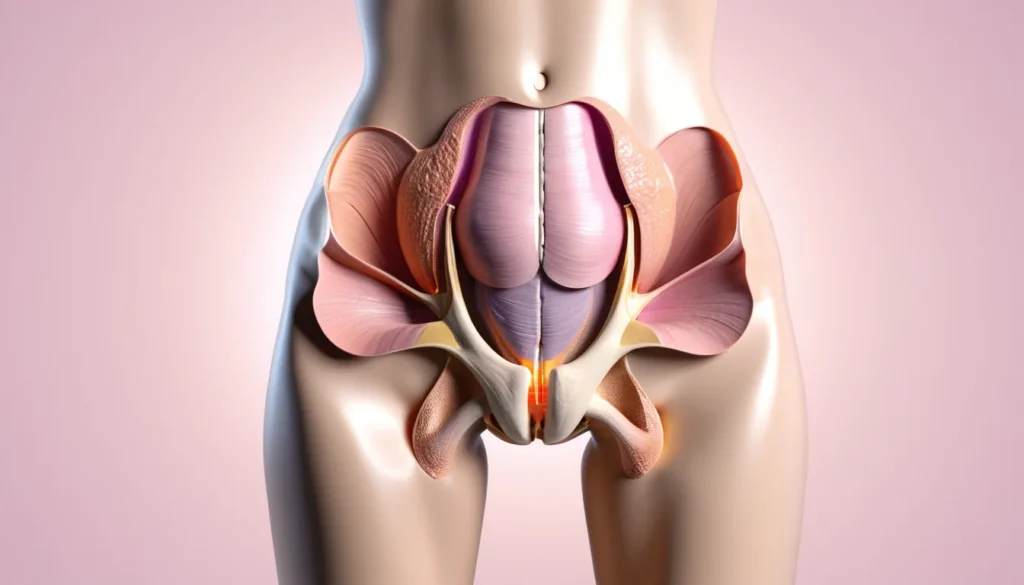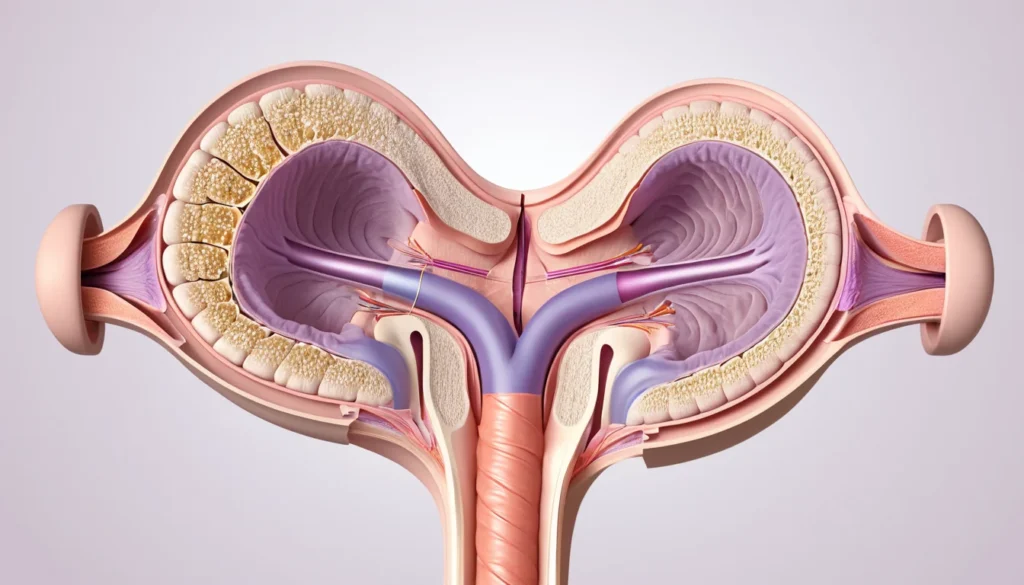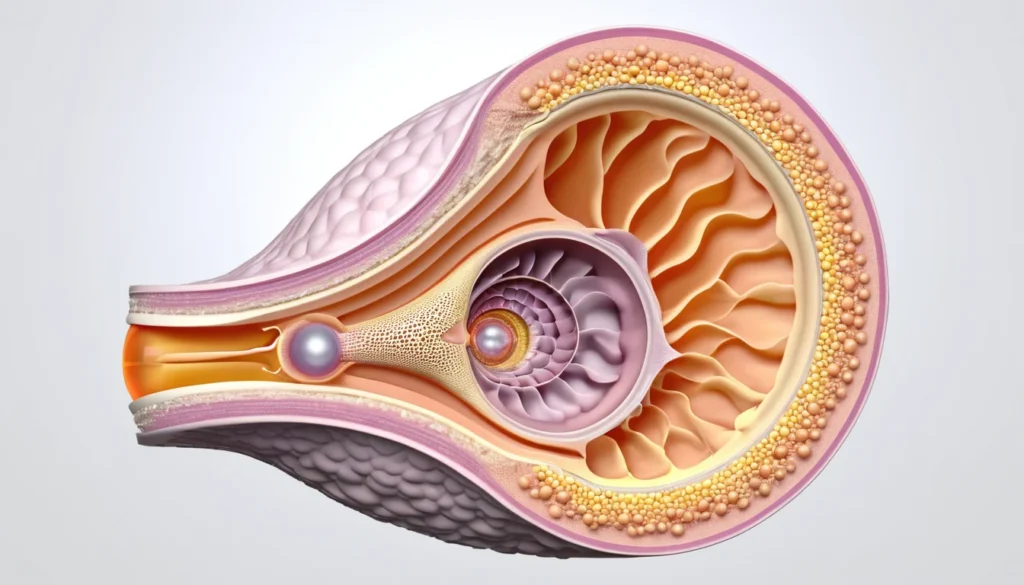
Polycystic ovary syndrome (PCOS) is a hormonal condition that affects how a woman’s ovaries work. It is one of the most common hormonal disorders in women of reproductive age in Canada. PCOS can cause irregular periods, unwanted hair growth, skin changes, and fertility problems. Understanding the signs and causes can help you get the right care sooner.
What Is Polycystic Ovary Syndrome?
Polycystic ovary syndrome happens when the body’s hormones are out of balance. This imbalance interferes with normal ovulation — the monthly release of an egg from the ovaries.
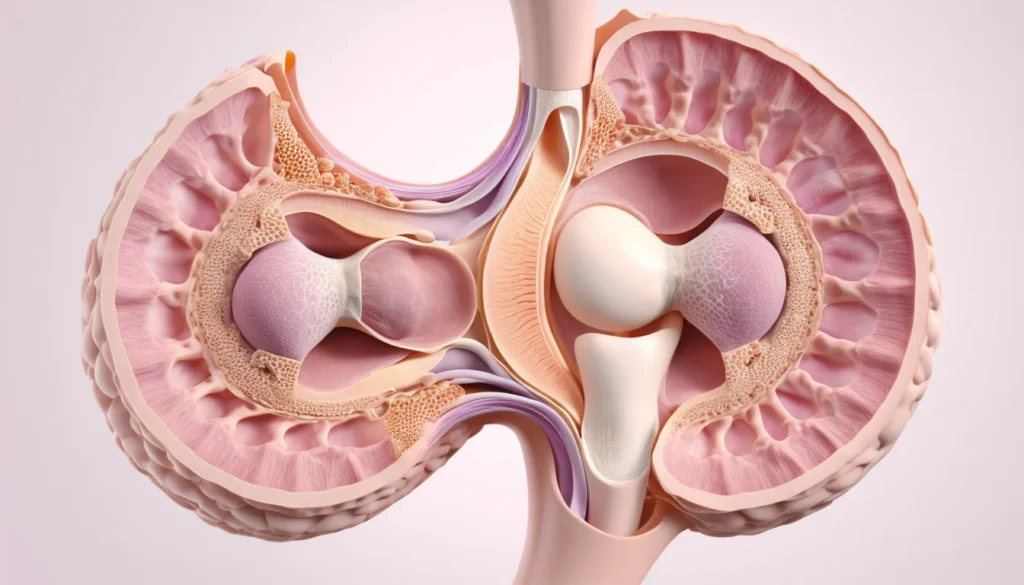
Most women with PCOS develop many small cysts on their ovaries. These cysts are tiny, smaller than a pea. However, not every woman with PCOS will have visible cysts. You can still have the syndrome and all its symptoms without them.
PCOS also affects other systems in the body. It can impact your metabolism, heart health, and mental well-being. In addition, it is one of the leading causes of infertility in Canadian women.
What Causes Polycystic Ovary Syndrome?
Doctors do not fully understand what causes PCOS. However, genetics appear to play a strong role. If your mother or sister has PCOS, you have about a 50% chance of developing it too.
Insulin problems are also closely linked to PCOS. When the body does not use insulin properly, it can trigger the overproduction of male hormones (called androgens). This disrupts ovulation and leads to many of the symptoms women experience.
Furthermore, when ovulation does not happen regularly over time, fluid-filled cysts can form on the ovaries. This is how the condition gets its name.
Risk Factors to Know
Certain factors can raise your risk of developing polycystic ovary syndrome. These include:
A family history of PCOS in a mother, sister, or aunt
Being overweight or carrying extra weight around the abdomen
Insulin resistance or pre-diabetes
Type 2 diabetes
You do not need to have all of these risk factors to develop PCOS. Some women with no known risk factors are still diagnosed with the condition.
Common Symptoms of Polycystic Ovary Syndrome
PCOS symptoms often develop gradually. At first, they can be easy to mistake for other health issues. Some women have only a few symptoms, while others experience many.
Early Signs
The early signs of polycystic ovary syndrome often involve changes to your menstrual cycle. Watch for these symptoms:
Fewer than five menstrual periods in a year
More than 35 days between periods
Missed periods altogether
Abnormal vaginal bleeding
Excess hair growth (called hirsutism) on the face, chest, back, stomach, or fingers — this affects more than 70% of women with PCOS
Acne, oily skin, or dandruff
Dark patches of skin on the neck, armpits, or skin folds (a condition called acanthosis nigricans)
Mood changes or depression
Many women feel distressed by these physical changes. Depression and anxiety are common among women living with PCOS, largely because of how visible some symptoms can be.
Symptoms That Develop Over Time
Some symptoms of polycystic ovary syndrome appear or worsen over months and years. These include:
Chronic pelvic pain or lower abdominal discomfort
Weight gain, especially around the upper body and abdomen
Difficulty getting pregnant (infertility)
High blood pressure
Thinning hair or hair loss (alopecia)
Signs of insulin resistance, such as fatigue after meals or strong sugar cravings
Weight gain linked to PCOS tends to collect around the belly rather than the hips. This pattern, called android obesity, is connected to higher androgen levels in the body.
How PCOS Affects Your Long-Term Health
Polycystic ovary syndrome is not just a reproductive condition. Left unmanaged, it can raise your risk of serious health problems over time.
Metabolic and Blood Sugar Problems
Insulin resistance is very common in women with PCOS. About 30% of women with this condition have poor glucose function. Between 7% and 10% go on to develop type 2 diabetes.
Women with PCOS also have a higher risk of developing gestational diabetes during pregnancy. Therefore, blood sugar monitoring is an important part of managing this condition. Health Canada recommends regular screening for Canadians at higher risk of diabetes.
Heart and Cardiovascular Health
PCOS can increase your risk of heart-related conditions. These include:
High blood pressure (hypertension)
High cholesterol
Atherosclerosis (hardening of the arteries)
Coronary artery disease or heart attack
As a result, women with PCOS should pay close attention to heart health throughout their lives — not just during their reproductive years.
Reproductive Health Risks
PCOS raises the risk of several pregnancy and reproductive complications. These can include:
Infertility
Miscarriage
Preeclampsia (high blood pressure during pregnancy)
Endometrial hyperplasia (thickening of the uterine lining)
Endometrial cancer
Irregular ovulation means the uterine lining may not shed regularly. Over time, this can lead to abnormal cell changes. For this reason, managing your menstrual cycle is an important part of PCOS care.
Sleep and Mental Health
Women with polycystic ovary syndrome have a higher risk of sleep apnea than women without it. Sleep apnea causes breathing interruptions during sleep and can lead to serious fatigue and health issues.
In addition, the emotional burden of managing PCOS — including infertility, weight changes, and visible symptoms — can take a real toll on mental health. Speak with your doctor if you are experiencing anxiety or depression alongside your other symptoms.
Conditions That Can Look Like PCOS
Several other conditions share symptoms with polycystic ovary syndrome. Your doctor will need to rule these out before confirming a PCOS diagnosis. Similar conditions include:
High prolactin levels
Congenital adrenal hyperplasia (excess adrenal hormones present from birth)
Cushing’s syndrome
Ovarian or adrenal tumours that produce male hormones
Thyroid disorders, including hypothyroidism or hyperthyroidism
Eating disorders
This is why a proper diagnosis from a qualified healthcare provider is so important. Getting the right diagnosis ensures you receive the right treatment. The Mayo Clinic provides a detailed overview of PCOS diagnosis criteria that can help you prepare for your appointment.
Managing Polycystic Ovary Syndrome
There is no cure for PCOS, but the condition is very manageable. Treatment focuses on relieving symptoms and reducing long-term health risks.
Lifestyle Changes
For many women, lifestyle changes are the first and most effective step. Even a modest weight loss of 5% to 10% of body weight can help restore more regular periods and reduce androgen levels.
Helpful lifestyle strategies include:
Eating a balanced, high-fibre diet with plenty of vegetables, whole grains, and lean proteins
Reducing processed sugar and refined carbohydrates
Getting regular physical activity — even a 30-minute walk most days can help
Managing stress through sleep, relaxation, or counselling
Medical Treatments
Your doctor may recommend medication depending on your symptoms and goals. Common options include hormonal birth control to regulate periods and reduce androgen levels, as well as medications to manage insulin resistance.
If you are trying to get pregnant, your doctor may refer you to a fertility specialist. Many Canadian provincial health plans cover certain fertility assessments, so check with your provider to understand your coverage. Healthline offers a helpful guide to PCOS treatment options you can review before your appointment.
When to See a Doctor
You should see your family doctor if you notice any changes to your menstrual cycle, unusual hair growth, unexplained weight gain, or if you have been trying to conceive without success.
If you do not have a family doctor, a walk-in clinic can be a good first step. A doctor can order blood tests and an ultrasound to check your hormone levels and look at your ovaries. Early diagnosis can make a significant difference in managing polycystic ovary syndrome and protecting your long-term health.
As women with PCOS approach menopause, their periods may actually become more regular. However, a history of PCOS can still raise the long-term risk of high blood pressure, heart disease, diabetes, and endometrial cancer. Ongoing check-ups remain important throughout your life.
Always speak with a qualified healthcare provider before making changes to your treatment or lifestyle plan. This article is for informational purposes only and does not replace professional medical advice.
Frequently Asked Questions About Polycystic Ovary Syndrome
What are the most common signs of polycystic ovary syndrome?
The most common signs of polycystic ovary syndrome include irregular or missed periods, excess hair growth on the face and body, acne, and unexplained weight gain around the abdomen. Some women also notice thinning hair, dark skin patches, or difficulty getting pregnant. If you have any of these symptoms, it is worth speaking with your family doctor.
Can you get pregnant if you have PCOS?
Yes, many women with polycystic ovary syndrome do become pregnant, though it may take longer or require medical support. Treatments such as lifestyle changes, medication, or fertility assistance can significantly improve the chances of conception. Talk to your doctor about your options — many Canadian provincial health plans cover fertility assessments.
Is polycystic ovary syndrome a lifelong condition?
Polycystic ovary syndrome is a long-term condition, but its symptoms can be well managed with the right treatment and lifestyle changes. Some symptoms may ease as women approach menopause. However, the associated health risks — such as diabetes and heart disease — mean that ongoing monitoring is still important throughout life.
How is PCOS diagnosed in Canada?
In Canada, a doctor typically diagnoses polycystic ovary syndrome through a combination of blood tests, a pelvic exam, and an ultrasound of the ovaries. Your doctor will also review your symptoms and medical history. It is important to rule out other conditions that can cause similar symptoms before confirming a PCOS diagnosis.
Does diet affect polycystic ovary syndrome?
Yes, diet plays an important role in managing polycystic ovary syndrome. A high-fibre diet low in refined sugar and processed foods can help improve insulin sensitivity and support a healthier weight. Even modest weight loss has been shown to reduce PCOS symptoms and help regulate the menstrual cycle.
What health problems can PCOS cause in the long term?
Polycystic ovary syndrome can increase the long-term risk of type 2 diabetes, high blood pressure, heart disease, and endometrial cancer. Women with PCOS also have a higher risk of sleep apnea and mental health challenges such as depression and anxiety. Regular check-ups with your family doctor are essential for catching these risks early.
Key Takeaways
Polycystic ovary syndrome is a hormonal condition that affects ovulation, periods, metabolism, and long-term health.
The exact cause is not fully known, but genetics and insulin resistance are major contributing factors.
Common symptoms include irregular periods, excess hair growth, acne, weight gain, and mood changes.
PCOS raises the long-term risk of diabetes, heart disease, and endometrial cancer — making ongoing care important.
Lifestyle changes, including a high-fibre diet and regular exercise, are a powerful first step in managing PCOS.
If you suspect you have PCOS, see your family doctor or visit a walk-in clinic for proper testing and diagnosis.
With the right support, most women with PCOS can manage their symptoms and live full, healthy lives.