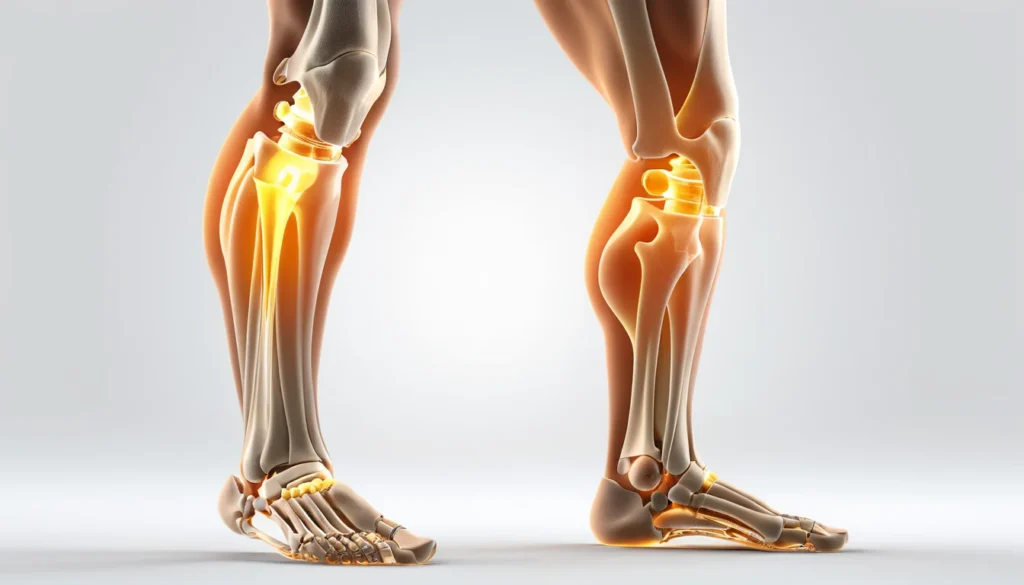
Polyarthritis is a condition where five or more joints become inflamed at the same time. It causes pain, swelling, and stiffness that can make everyday tasks difficult. This article explains what polyarthritis is, what causes it, how it is treated, and when you should speak with your family doctor or visit a walk-in clinic.
What Is Polyarthritis?
Polyarthritis simply means inflammation of multiple joints. The word comes from the Greek words poly (many) and arthritis (joint inflammation). When five or more joints are affected, doctors use the term polyarthritis to describe the condition.
It is important to understand that polyarthritis is not a single disease. Instead, it is a symptom or feature of many different underlying conditions. Therefore, identifying the root cause is the first step toward effective treatment.
Polyarthritis can affect people of any age. However, certain types are more common in adults over 40. In Canada, millions of people live with some form of arthritis, making joint health a major public health concern. You can learn more from Health Canada’s official health resources.
Common Causes of Polyarthritis
Many different conditions can trigger polyarthritis. Understanding the cause helps doctors choose the right treatment plan for you.
Autoimmune Conditions
Autoimmune diseases are the most common cause of polyarthritis. In these conditions, your immune system mistakenly attacks your own joints. As a result, the joint lining becomes inflamed and painful.
Common autoimmune causes include:
Rheumatoid arthritis – a chronic condition causing joint pain and swelling, especially in the hands and feet
Lupus (SLE) – a disease that can affect joints, skin, and organs
Psoriatic arthritis – joint inflammation linked to the skin condition psoriasis
Sjögren’s syndrome – causes dry eyes and mouth, along with joint pain
Viral and Infectious Causes
Some infections can trigger polyarthritis, even after the infection itself clears up. This is sometimes called reactive arthritis. For example, certain viral illnesses like rubella, hepatitis B, and parvovirus B19 can cause temporary joint inflammation.
In most cases, viral polyarthritis resolves on its own within a few weeks. However, it is still important to see a doctor to rule out other causes.
Degenerative and Other Causes
Osteoarthritis, the most common form of arthritis in Canada, can also affect multiple joints. This happens as cartilage — the cushioning tissue in joints — breaks down over time. Furthermore, conditions like gout and calcium pyrophosphate deposition disease can also lead to polyarthritis in some people.
Recognising the Symptoms of Polyarthritis
The main symptoms of polyarthritis involve the joints themselves. However, some types also cause symptoms throughout the body. Knowing what to look for can help you seek care sooner.
Common symptoms include:
Pain in multiple joints – often the first and most noticeable symptom
Swelling – joints may look puffy or feel warm to the touch
Stiffness – especially in the morning or after sitting still for a long time
Reduced range of motion – difficulty bending or fully moving a joint
Fatigue – feeling unusually tired, even without much physical activity
Redness around joints – the skin over an inflamed joint may appear red
In addition, some people with polyarthritis experience fever, weight loss, or skin rashes. These symptoms often point to an underlying autoimmune condition and should be assessed by a doctor promptly.
How Is Polyarthritis Diagnosed?
Diagnosing polyarthritis involves several steps. Your doctor will start with a full medical history and a physical examination. They will check each joint for swelling, warmth, and tenderness.
Blood Tests
Blood tests play a key role in diagnosis. Your doctor may order tests to look for inflammation markers, such as C-reactive protein (CRP) and erythrocyte sedimentation rate (ESR). They may also test for rheumatoid factor (RF) and anti-CCP antibodies, which help identify rheumatoid arthritis.
Other blood tests can check for lupus, gout, or signs of viral infection. These results help narrow down the underlying cause of your polyarthritis.
Imaging Tests
X-rays, ultrasounds, or MRI scans can show changes inside the joints. These images help doctors see how much damage has occurred and track how the condition progresses over time. Early imaging can catch joint damage before it becomes severe.
Joint Fluid Analysis
In some cases, your doctor may draw a small amount of fluid from a swollen joint. Analysing this fluid can reveal infections, crystals (as seen in gout), or signs of autoimmune inflammation. This procedure is called arthrocentesis and is done with a fine needle.
Treatment Options for Polyarthritis
Treatment for polyarthritis depends on the underlying cause. The main goals are to reduce inflammation, relieve pain, and protect joint function. Most Canadians can access these treatments through their provincial health plan, though some medications may require additional coverage.
Medications
Your doctor may recommend several types of medication, depending on what is causing your polyarthritis. Common options include:
Nonsteroidal anti-inflammatory drugs (NSAIDs) – such as ibuprofen or naproxen, to reduce pain and swelling
Corticosteroids – short-term use of steroids like prednisone can quickly reduce inflammation
Disease-modifying antirheumatic drugs (DMARDs) – such as methotrexate, used for autoimmune types like rheumatoid arthritis
Biologic agents – newer targeted therapies for moderate to severe autoimmune polyarthritis
Antiviral or antibiotic medications – used when an infection is the underlying cause
Always take medications as prescribed by your doctor. Never stop or change your dosage without speaking to a healthcare provider first.
Physiotherapy and Exercise
Physical activity is one of the most powerful tools for managing polyarthritis. A registered physiotherapist can create a personalised programme to strengthen the muscles around your joints. This reduces stress on the joints and helps maintain flexibility.
Low-impact activities like swimming, walking, and cycling are generally well-tolerated. In addition, gentle stretching can help reduce morning stiffness. Most provincial health plans cover some physiotherapy visits, so check with your insurer or provincial programme.
Lifestyle Changes
Several lifestyle changes can help you manage polyarthritis symptoms day to day. Maintaining a healthy weight reduces pressure on weight-bearing joints like the knees and hips. Furthermore, eating a diet rich in anti-inflammatory foods — such as vegetables, fruit, and omega-3 fatty acids — may help reduce overall inflammation.
Quitting smoking is also strongly recommended. Smoking worsens inflammation and is linked to a faster progression of rheumatoid arthritis. For support quitting, you can visit your provincial health programme or ask your family doctor for resources.
For more information on managing joint conditions, the Mayo Clinic’s arthritis resource centre offers helpful, evidence-based guidance.
Living With Polyarthritis in Canada
A polyarthritis diagnosis can feel overwhelming at first. However, many Canadians live full, active lives with the right support and treatment. The key is to work closely with your healthcare team and stay consistent with your treatment plan.
Occupational therapists can help you adapt your home or workplace to reduce joint strain. Assistive devices like jar openers, ergonomic tools, and supportive footwear can make a big difference in daily life. Ask your doctor for a referral if you feel you could benefit from these services.
Support groups are also a valuable resource. Connecting with others who understand what you are going through can improve your mental health and help you cope. The Arthritis Society Canada offers programmes and support networks across the country.
Additionally, Healthline’s guide to polyarthritis provides additional reading for those who want to learn more about managing this condition.
When to See a Doctor
You should see your family doctor if you notice pain, swelling, or stiffness in multiple joints that lasts more than a few days. Early diagnosis and treatment can prevent long-term joint damage. Do not wait to see if symptoms go away on their own.
If you do not have a family doctor, a walk-in clinic is a good first step. The doctor there can order initial blood tests and refer you to a rheumatologist — a specialist in joint and autoimmune conditions — if needed. Rheumatologist referrals are covered under most provincial health plans in Canada.
Seek urgent care if your joint pain is sudden and severe, or if you also have a high fever. These symptoms could point to a joint infection, which requires immediate treatment. As always, this article is for informational purposes only. Please consult a qualified healthcare provider for advice specific to your situation.
Frequently Asked Questions About Polyarthritis
What is the difference between arthritis and polyarthritis?
Arthritis is a general term for joint inflammation, which can affect just one joint. Polyarthritis specifically refers to inflammation affecting five or more joints at the same time. It is often a sign of an underlying systemic condition, such as rheumatoid arthritis or lupus.
Can polyarthritis be cured?
Whether polyarthritis can be cured depends on its underlying cause. Viral polyarthritis often resolves completely once the infection clears. However, autoimmune types like rheumatoid arthritis are chronic conditions that can be managed but not fully cured with current treatments.
Is polyarthritis the same as rheumatoid arthritis?
No, they are not the same thing. Rheumatoid arthritis is one specific cause of polyarthritis, but polyarthritis can result from many different conditions. A doctor needs to run tests to determine exactly which condition is causing your symptoms.
What triggers a polyarthritis flare-up?
Common triggers for a polyarthritis flare-up include physical overexertion, stress, infections, and changes in medication. Some people also notice that certain foods or cold weather worsen their symptoms. Keeping a symptom diary can help you identify your personal triggers.
How is polyarthritis diagnosed in Canada?
In Canada, polyarthritis is typically diagnosed through a combination of a physical exam, blood tests, and imaging like X-rays or ultrasound. Your family doctor or walk-in clinic can begin this process and refer you to a rheumatologist if needed. Most of these services are covered under provincial health plans.
Can diet help manage polyarthritis symptoms?
Yes, diet can play a supportive role in managing polyarthritis. An anti-inflammatory diet rich in vegetables, whole grains, fibre, and omega-3 fatty acids may help reduce joint inflammation. However, diet alone is not a replacement for medical treatment prescribed by your doctor.
Key Takeaways
Polyarthritis means inflammation in five or more joints at the same time.
It is caused by many conditions, including rheumatoid arthritis, lupus, and viral infections.
Symptoms include joint pain, swelling, stiffness, fatigue, and reduced movement.
Diagnosis involves blood tests, imaging, and sometimes joint fluid analysis.
Treatment depends on the cause and may include medication, physiotherapy, and lifestyle changes.
Canadians can access initial care through a family doctor or walk-in clinic, with referral to a rheumatologist if needed.
Early treatment helps protect your joints and improve your quality of life.
Always speak with a healthcare provider before starting or changing any treatment.