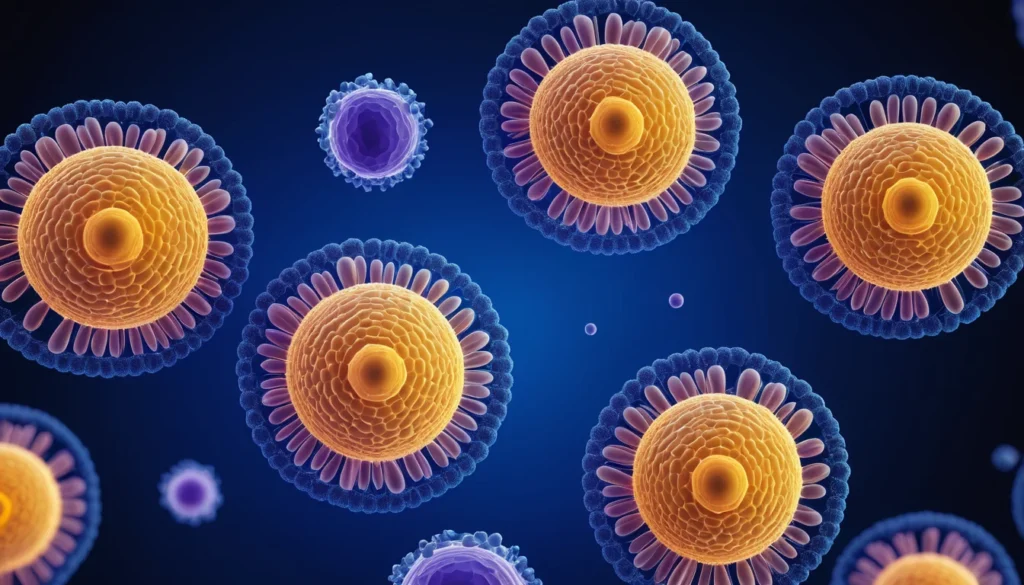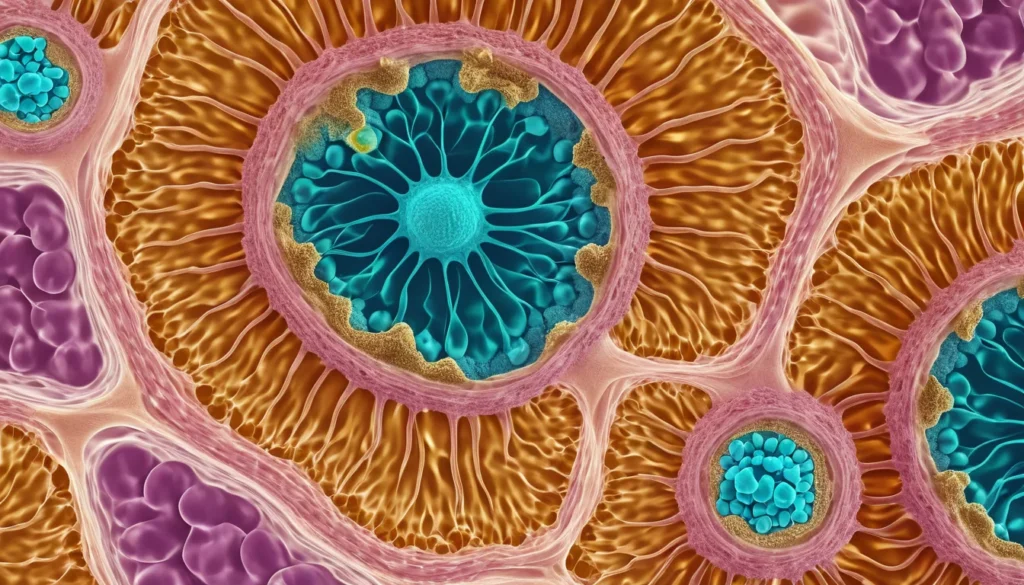
Pneumocystis pneumonia is a serious lung infection caused by a microscopic organism called Pneumocystis jirovecii (formerly known as Pneumocystis carinii). It almost always affects people whose immune systems are significantly weakened. In Canada, this infection is most commonly seen in people living with HIV/AIDS, certain cancers, or those taking immunosuppressive medications. This article explains what pneumocystis pneumonia is, who is at risk, what symptoms to watch for, and how it is treated.
What Is Pneumocystis Pneumonia?
Pneumocystis pneumonia — often shortened to PCP — is an opportunistic infection. That means it takes advantage of a weakened immune system to cause disease. In people with healthy immune systems, the organism that causes it lives harmlessly in the lungs without ever triggering illness.
The organism responsible, Pneumocystis jirovecii, is found worldwide. Scientists once classified it as a parasite, but modern research confirms it is actually a type of fungus. However, it does not respond to standard antifungal medications, which makes it unique.
Because this organism is so widespread, most people are exposed to it during childhood. For healthy individuals, this causes no harm at all. However, for someone with a compromised immune system, even a dormant infection can become life-threatening.
How Does Pneumocystis Pneumonia Spread?
Pneumocystis pneumonia spreads through the air. When an infected person breathes, coughs, or sneezes, they release tiny particles that others can inhale. This is called airborne or respiratory transmission.
Research suggests that healthy people can carry and spread the organism without ever feeling sick themselves. As a result, identifying the exact source of a new infection is often difficult. For this reason, people with severely weakened immune systems are sometimes advised to take preventive measures in healthcare or crowded settings.
It is important to understand that PCP is not a concern for most Canadians with normal immune function. The infection only becomes dangerous when the body’s defences are significantly compromised.
Who Can Carry the Organism?
Studies show that Pneumocystis jirovecii is found in animals across many species worldwide — including dogs, rats, and rabbits — without causing them illness. This is called a saprophytic relationship, meaning the organism lives in a host without causing harm. In immunocompromised humans, however, this balance breaks down.
Who Is Most at Risk of Pneumocystis Pneumonia?
Pneumocystis pneumonia almost exclusively affects people whose immune systems are not working properly. In Canada, certain medical conditions and treatments significantly raise a person’s risk.
The following groups are considered high-risk:
People living with HIV/AIDS — especially those with very low CD4 cell counts (below 200 cells per microlitre)
People with certain cancers — particularly leukaemia and lymphoma, which affect blood and immune cells directly
Organ transplant recipients — who take immunosuppressive drugs to prevent organ rejection
People on long-term corticosteroid therapy — such as high-dose prednisone for autoimmune conditions
People receiving chemotherapy — which can lower white blood cell counts significantly
Premature or malnourished infants — whose immune systems have not yet fully developed
If you or a loved one falls into one of these categories, it is worth speaking with your family doctor or specialist about your risk and any preventive steps you can take. Health Canada provides guidance on managing immunocompromising conditions for Canadians across all provinces.
The Role of the Immune System
Your immune system produces white blood cells that fight off infections. When this system is weakened — whether by disease or medication — your body cannot control organisms that would otherwise be harmless. This is exactly how pneumocystis pneumonia gains a foothold.
Immunosuppressive medications are sometimes necessary. For example, they help transplant patients keep their new organs. However, they do lower the body’s defences, which is why doctors closely monitor these patients for opportunistic infections like PCP.
Symptoms and Signs of Pneumocystis Pneumonia
Pneumocystis pneumonia tends to develop gradually rather than all at once. This slow progression can sometimes delay diagnosis, which is why knowing the warning signs matters.
The most common symptoms include:
Dry cough — persistent and often non-productive (little or no mucus)
Fever — usually low-grade at first, but it can worsen over time
Shortness of breath (dyspnoea) — especially with physical activity; this may worsen at rest as the infection progresses
Fatigue — feeling unusually tired or weak
Chest tightness — a sense of pressure or discomfort in the chest
Rapid breathing — the body trying to compensate for reduced oxygen levels
In severe cases, pneumocystis pneumonia can cause dangerously low blood oxygen levels. This is a medical emergency. If someone experiences sudden, severe shortness of breath or bluish lips and fingertips, they should call 911 immediately.
How Symptoms Differ From Regular Pneumonia
Regular bacterial pneumonia often comes on quickly and causes a productive cough with coloured mucus. PCP, on the other hand, typically causes a dry cough and develops more slowly. Furthermore, standard chest X-rays can sometimes appear normal early in PCP, making it harder to diagnose without specialised testing.
This is one reason why healthcare providers rely on a patient’s full medical history — including their immune status — when evaluating respiratory symptoms. The Mayo Clinic offers a detailed overview of pneumocystis pneumonia symptoms and diagnosis for those who want to learn more.
How Is Pneumocystis Pneumonia Diagnosed?
Diagnosing pneumocystis pneumonia requires more than a simple chest X-ray. Doctors use several tools to confirm the infection, especially since early-stage PCP can be easy to miss.
Common diagnostic methods include:
Chest X-ray or CT scan — to look for abnormal patterns in the lungs, such as a ground-glass appearance
Bronchoalveolar lavage (BAL) — a procedure where a small amount of fluid is washed into the lungs and collected for analysis; this is the most reliable test
Sputum induction — a non-invasive method where a patient inhales saline mist to produce a deep cough sample
Blood oxygen levels — low oxygen saturation is a common finding in PCP
Blood tests — including LDH (lactate dehydrogenase) levels, which are often elevated in PCP
In Canada, these tests are available through hospitals and specialist clinics. Your family doctor can refer you to a respirologist or infectious disease specialist if PCP is suspected. Provincial health plans generally cover these diagnostic procedures.
Treatment Options for Pneumocystis Pneumonia
The good news is that pneumocystis pneumonia is treatable. With early diagnosis and proper care, most people recover fully. Treatment usually involves a specific type of antibiotic called a sulfonamide — most commonly trimethoprim-sulfamethoxazole (TMP-SMX), also known by the brand names Septra or Bactrim.
The Treatment Plan
Treatment for PCP typically follows two phases. The first is an intensive or “attack” phase lasting approximately three weeks. During this time, the patient takes a higher dose of medication to eliminate as much of the infection as possible.
After that, a maintenance phase begins. The patient continues taking a lower dose of the medication for as long as their immune system remains compromised. This helps prevent the infection from returning.
In severe cases — particularly when blood oxygen levels are low — doctors may also prescribe corticosteroids such as prednisone. These reduce lung inflammation and improve breathing outcomes. Hospitalisation is often required for moderate to severe cases.
What If a Patient Cannot Tolerate TMP-SMX?
Some patients are allergic to sulfonamide antibiotics or experience significant side effects. In these cases, alternative medications are available. These include atovaquone, pentamidine, or dapsone combined with trimethoprim. Your specialist will choose the best option based on your medical history and the severity of your infection.
Preventive Treatment (Prophylaxis)
For high-risk individuals, doctors often prescribe low-dose TMP-SMX as a preventive measure — even before any infection occurs. This approach, called prophylaxis, is standard practice in Canada for HIV-positive patients with low CD4 counts. It has dramatically reduced the number of PCP cases since the 1990s. The World Health Organization outlines global strategies for preventing opportunistic infections in immunocompromised individuals.
When to See a Doctor
If you have a weakened immune system and develop a dry cough, fever, or unexplained shortness of breath, do not wait. Contact your family doctor as soon as possible. These symptoms may seem mild at first, but pneumocystis pneumonia can progress quickly.
If you do not have a family doctor, a walk-in clinic can assess your symptoms and arrange further testing or referrals. In an emergency — such as severe difficulty breathing — call 911 or go to your nearest emergency department immediately.
Even if you are currently taking immunosuppressive medications and feel well, it is worth discussing your PCP risk with your prescribing doctor at your next appointment. Prevention is always easier than treatment. Your provincial health plan covers medically necessary visits and tests related to this type of infection.
Always consult a qualified healthcare provider before making any decisions about your health. The information in this article is intended for general educational purposes only and does not replace professional medical advice.
Frequently Asked Questions About Pneumocystis Pneumonia
Can a healthy person get pneumocystis pneumonia?
Pneumocystis pneumonia almost never affects people with healthy immune systems. The organism that causes it lives harmlessly in most people’s lungs without triggering any illness. However, in someone whose immune defences are severely weakened, this same organism can cause a life-threatening infection.
Is pneumocystis pneumonia contagious?
Yes, pneumocystis pneumonia spreads through the air via respiratory droplets. However, it is only dangerous to people with significantly compromised immune systems. For most healthy Canadians, exposure to the organism causes no harm at all.
How long does treatment for pneumocystis pneumonia take?
The standard treatment for pneumocystis pneumonia involves a three-week course of high-dose antibiotics, usually TMP-SMX. After that, patients typically continue a lower maintenance dose for as long as their immune system remains weakened. Your doctor will monitor your progress and adjust the plan as needed.
What is the difference between PCP and regular pneumonia?
Regular bacterial pneumonia often develops quickly and causes a wet, productive cough. Pneumocystis pneumonia, on the other hand, typically develops more slowly and causes a dry cough with fever and shortness of breath. PCP also requires different medications — standard antibiotics used for bacterial pneumonia will not work against it.
Can pneumocystis pneumonia be prevented?
Yes, pneumocystis pneumonia can often be prevented in high-risk individuals through a strategy called prophylaxis. Doctors prescribe a low-dose antibiotic — usually TMP-SMX — to patients with weakened immune systems before any infection occurs. This preventive approach has been highly effective in Canada, particularly for people living with HIV/AIDS.
Is pneumocystis pneumonia covered under Canadian provincial health plans?
Yes, diagnosis and treatment of pneumocystis pneumonia are generally covered under provincial health plans across Canada as medically necessary services. This includes hospital stays, specialist visits, diagnostic testing, and prescription medications. Contact your provincial health authority or speak with your family doctor to understand your specific coverage.
Key Takeaways
Pneumocystis pneumonia (PCP) is a serious lung infection caused by the fungus Pneumocystis jirovecii.
It almost exclusively affects people with weakened immune systems — including those with HIV/AIDS, certain cancers, or those on immunosuppressive therapy.
The infection spreads through airborne respiratory droplets but poses little risk to healthy individuals.
Common symptoms include dry cough, fever, and shortness of breath that develops gradually.
Treatment involves a three-week course of TMP-SMX antibiotics, followed by a lower maintenance dose.
Preventive treatment (prophylaxis) is highly effective for at-risk patients and is standard practice in Canada.
If you are immunocompromised and experience respiratory symptoms, contact your family doctor or a walk-in clinic promptly.
Always consult a qualified healthcare professional for diagnosis and treatment tailored to your individual situation.