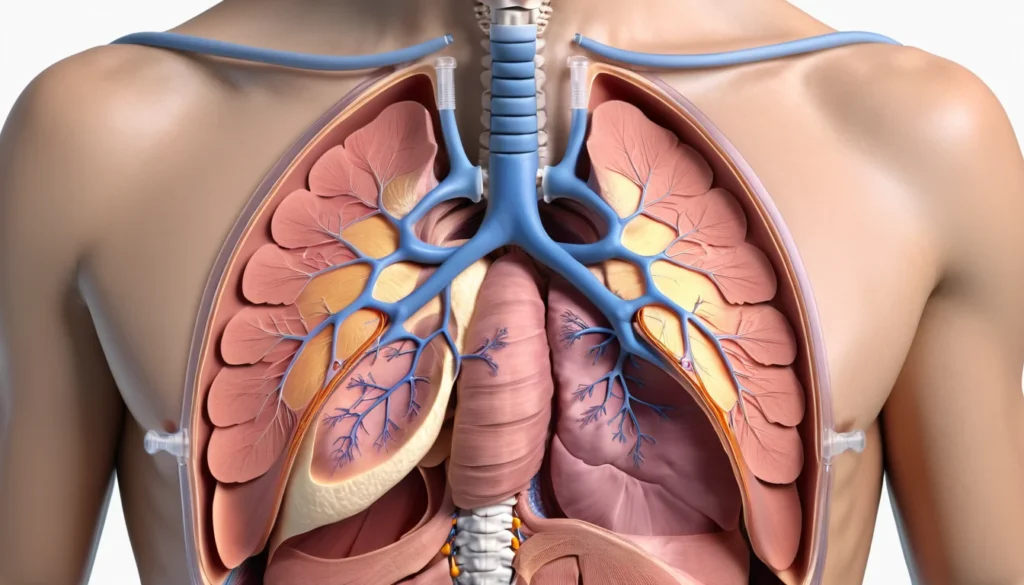
Pleurisy is a condition where the lining around your lungs becomes inflamed, causing sharp chest pain that gets worse every time you breathe in or out. Also called pleuritis, pleurisy can affect anyone and often signals an underlying health problem that needs attention. In this article, you will learn what pleurisy is, what causes it, how it is diagnosed, and what treatment options are available to Canadians.
What Is Pleurisy?
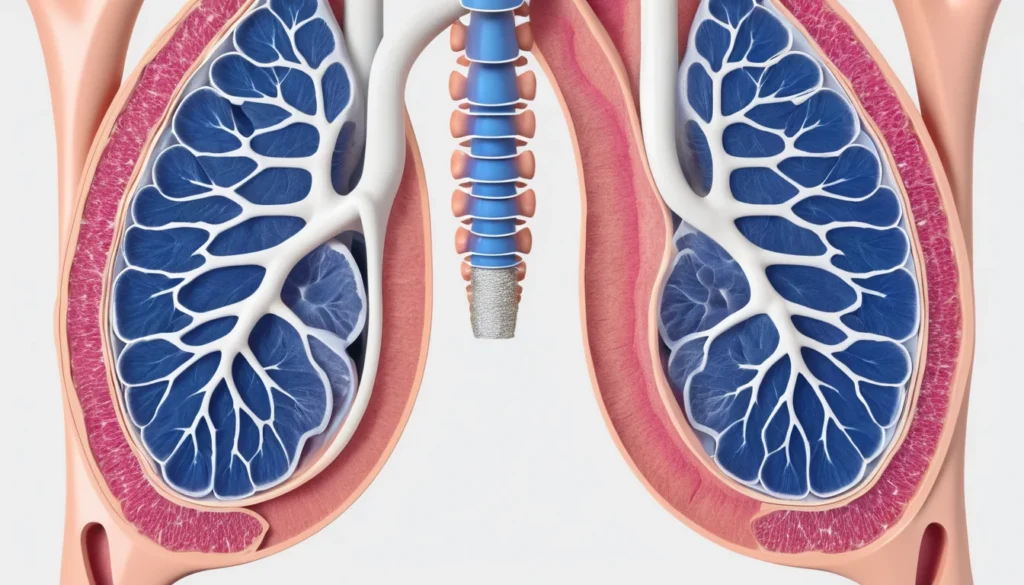
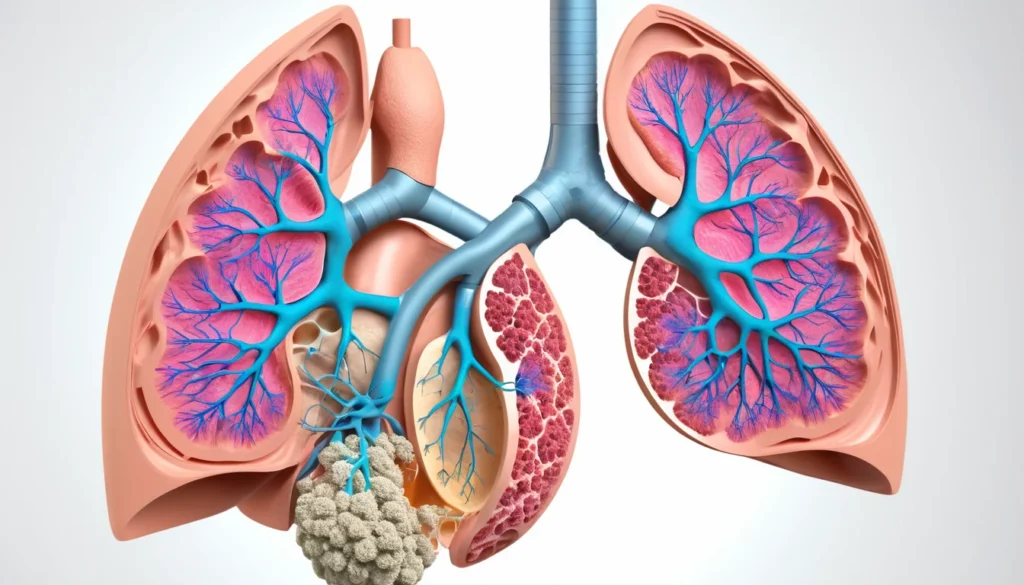
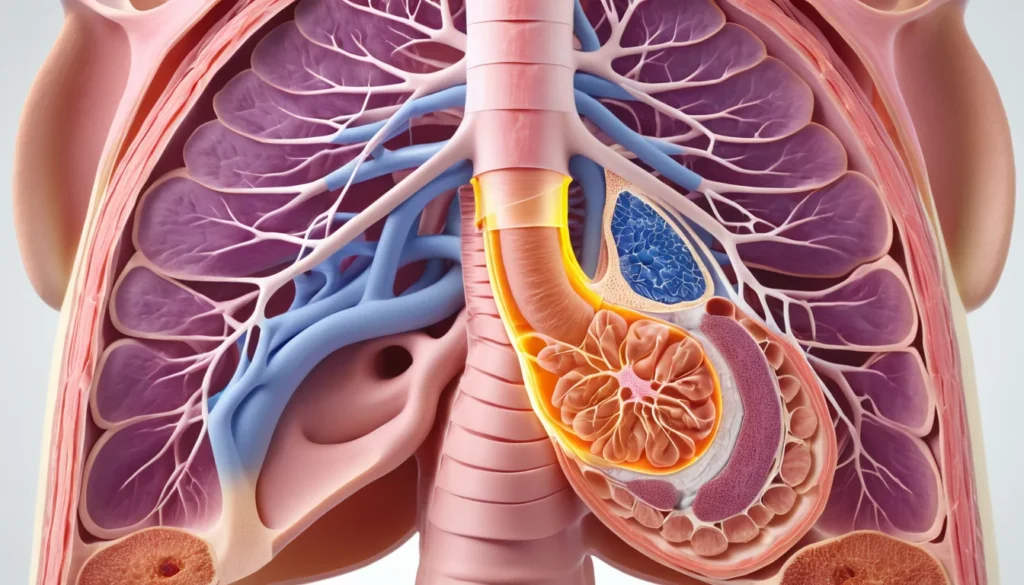
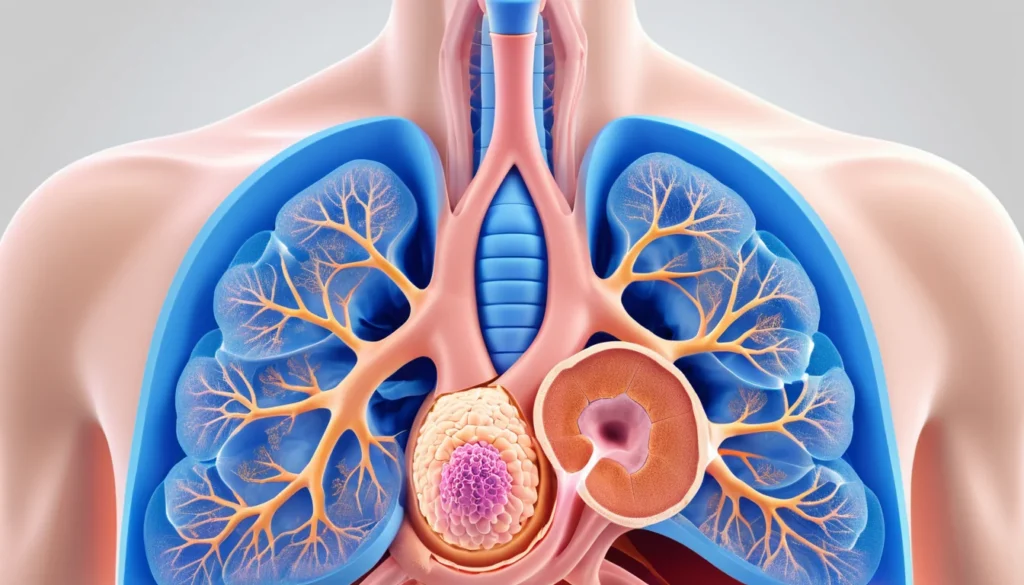
Your lungs are wrapped in two thin layers of tissue called the pleura. One layer covers the outside of your lungs. The other lines the inside of your chest wall.
Between these two layers is a small space called the pleural space. This space normally contains a tiny amount of fluid. That fluid helps the two layers slide smoothly against each other as your lungs expand and contract when you breathe.
When pleurisy develops, those two layers become inflamed and swollen. Instead of gliding smoothly, they rub against each other like two pieces of sandpaper. This rubbing causes the sharp, stabbing chest pain that defines the condition.
Importantly, the pain usually decreases or stops when you hold your breath. This is one of the key clues that helps doctors identify pleurisy.
Common Symptoms of Pleurisy
Recognising the symptoms of pleurisy early can help you get treatment faster. The most common sign is a sharp chest pain that worsens when you breathe, cough, or sneeze.
Other symptoms may include:
Shortness of breath, often because you are trying to breathe as shallowly as possible to avoid pain
A dry cough in some cases
Fever, particularly if an infection is causing the inflammation
Pain that spreads to the shoulder or back
Pain that gets worse when you move your upper body
It is worth noting that the pain from pleurisy can sometimes feel similar to a heart attack or a pulled muscle. Therefore, it is always important to get chest pain properly assessed by a healthcare provider.
Related Complications: Pleural Effusion, Atelectasis, and Empyema
Pleurisy can sometimes lead to further complications. Understanding these can help you recognise when your condition may be getting more serious.
Pleural effusion happens when fluid builds up in the pleural space. When enough fluid accumulates, the sharp pleuritic pain may actually decrease — because the two layers of tissue are no longer rubbing together. However, this fluid build-up creates its own problems.
Atelectasis occurs when too much fluid puts pressure on the lung, causing it to partially or fully collapse. This makes breathing much harder and can trigger a persistent cough.
Empyema develops when the fluid in the pleural space becomes infected and turns to pus. Fever is a common sign of empyema. This is a serious complication that requires prompt medical care.
What Causes Pleurisy?
A wide range of conditions can trigger pleurisy. The most common cause is a viral infection, such as influenza (the flu). However, many other conditions can also be responsible.
Common causes include:
Viral infections, including the flu and other respiratory viruses
Bacterial infections, such as pneumonia
Fungal infections
Autoimmune conditions, such as rheumatoid arthritis or lupus
Lung cancer near the pleural surface
Pulmonary embolism (a blood clot in the lung)
Tuberculosis (TB)
Rib fractures or chest injuries
Certain inherited conditions, such as sickle cell disease
Some medications and recreational drugs
In many cases, treating the underlying cause will resolve the pleurisy itself. For example, if a bacterial infection is the root cause, antibiotics may clear up both the infection and the inflammation.
How Is Pleurisy Diagnosed?
If you visit your family doctor or a walk-in clinic with chest pain, your doctor will start by asking about your medical history. They will also listen to your chest with a stethoscope. A characteristic rubbing or grating sound — called a pleural friction rub — is a strong sign of pleurisy.
From there, your doctor may recommend one or more of the following tests to confirm the diagnosis and find the underlying cause.
Blood Tests
Blood tests can reveal signs of infection or inflammation in the body. They can also help detect autoimmune conditions like lupus or rheumatoid arthritis — conditions where pleurisy may actually be the first noticeable symptom.
Chest X-Ray
A chest X-ray can show whether your lungs are fully inflated. It can also detect fluid or air between your lungs and ribs. This is a standard and widely available test across Canadian hospitals and diagnostic clinics.
CT Scan
A computed tomography (CT) scan combines multiple X-ray images taken from different angles. It produces detailed cross-sectional images of your chest. These images can show the condition of the pleura and reveal other potential causes of chest pain, such as a blood clot in the lung.
Ultrasound
An ultrasound uses high-frequency sound waves to create images of structures inside your body. In the context of pleurisy, it is particularly useful for detecting pleural effusion — the build-up of fluid around the lungs.
Electrocardiogram (ECG)
Your doctor may also recommend an ECG to monitor your heart’s electrical activity. This test helps rule out heart-related causes of chest pain, such as a heart attack or pericarditis.
Diagnostic Procedures
In some cases, your healthcare provider may need to remove fluid or tissue from the pleural space for closer examination. Two procedures are commonly used:
Thoracentesis: A local anaesthetic is injected between the ribs where fluid has been detected. A needle is then inserted through the chest wall to draw out the fluid for laboratory analysis. This procedure can also help you breathe more easily.
Thoracoscopy (pleuroscopy): If tuberculosis or cancer is suspected, a small camera called a thoracoscope is inserted through a tiny incision in the chest wall. This allows the doctor to directly view the inside of the chest and take a tissue sample (biopsy) if needed.
For more detailed information on diagnostic imaging in Canada, you can visit Health Canada’s official health resources.
Treatment Options for Pleurisy
Treatment for pleurisy focuses primarily on addressing the underlying cause. Once the root problem is treated, the inflammation and pain typically improve as well.
Here is how treatment generally works depending on the cause:
Bacterial infection: Your doctor will likely prescribe antibiotics. Most people begin to feel better within a few days of starting treatment.
Viral infection: Viral pleurisy often clears up on its own. Rest and time are the main tools here.
Autoimmune conditions: Medications to manage the underlying condition, such as anti-inflammatory drugs or immunosuppressants, may be used.
Pleural effusion: If significant fluid has built up, a thoracentesis may be performed to drain it.
Managing Pain and Inflammation
Regardless of the cause, managing pain and inflammation is an important part of care. Non-steroidal anti-inflammatory drugs (NSAIDs), such as ibuprofen, are commonly recommended to reduce both pain and swelling. In more severe cases, corticosteroids may be prescribed.
Some people find that lying on the side of the affected chest helps reduce pain by limiting movement of the inflamed area. However, always follow your doctor’s specific advice.
For additional guidance on managing chest conditions, the Mayo Clinic’s overview of pleurisy is a reliable and thorough resource.
When to See a Doctor in Canada
You should contact your family doctor or visit a walk-in clinic as soon as possible if you experience unexplained chest pain — especially if it gets worse when you breathe. Do not wait to see if it goes away on its own.
Seek emergency care immediately if you experience:
Severe or sudden chest pain
Difficulty breathing that is getting rapidly worse
Coughing up blood
High fever combined with chest pain
A bluish tint to your lips or fingernails (a sign of low oxygen)
In Canada, most provincial health plans cover diagnostic tests and hospital care related to pleurisy. If you do not have a family doctor, a walk-in clinic is a good first step. For urgent symptoms, go to your nearest emergency department or call 911.
As always, this article is for general information only. Please consult a qualified healthcare provider for advice specific to your situation.
You can also learn more about respiratory health through Healthline’s patient-friendly guide to pleurisy.
Frequently Asked Questions About Pleurisy
What does pleurisy feel like?
Pleurisy typically feels like a sharp, stabbing pain in the chest that gets worse when you breathe in, cough, or sneeze. The pain may also spread to your shoulder or back. Many people describe it as feeling like something is cutting or squeezing inside their chest with every breath.
Can pleurisy go away on its own?
Yes, pleurisy caused by a viral infection often resolves on its own with rest and over-the-counter pain relief. However, pleurisy caused by a bacterial infection, an autoimmune condition, or another serious illness will need specific medical treatment. It is always best to see a doctor to find out what is causing your symptoms.
How long does pleurisy last?
The duration of pleurisy depends on its cause. Viral pleurisy may clear up within one to two weeks. If a bacterial infection or underlying condition is involved, recovery can take longer — sometimes several weeks. With proper treatment, most people with pleurisy make a full recovery.
Is pleurisy contagious?
Pleurisy itself is not contagious. However, if it is caused by a viral or bacterial infection — such as the flu or pneumonia — that underlying infection can potentially spread to others. Practising good hand hygiene and covering your cough can help prevent the spread of respiratory infections.
How is pleurisy different from a heart attack?
Both conditions cause chest pain, but there are key differences. Pleurisy pain typically gets worse when you breathe, cough, or move, and may lessen when you hold your breath. Heart attack pain is often described as pressure or squeezing, and it does not usually change with breathing. Because both can be serious, any unexplained chest pain should be evaluated by a doctor right away.
Can you get pleurisy more than once?
Yes, it is possible to develop pleurisy more than once, particularly if you have an underlying condition such as lupus or rheumatoid arthritis that predisposes you to it. Managing your underlying health condition is the best way to reduce the risk of recurring pleurisy. Talk to your family doctor about a long-term management plan if you have had pleurisy before.
Key Takeaways
Pleurisy is an inflammation of the pleura — the two-layered lining surrounding your lungs — that causes sharp chest pain with every breath.
The most common causes include viral or bacterial infections, autoimmune conditions, and pulmonary embolism.
Key symptoms include sharp chest pain that worsens with breathing, shortness of breath, cough, and fever.
Complications such as pleural effusion, atelectasis, and empyema can develop if pleurisy is left untreated.
Diagnosis involves a physical exam, blood tests, chest X-rays, CT scans, and possibly fluid drainage procedures.
Treatment targets the underlying cause; pain is managed with anti-inflammatory medications.
If you have unexplained chest pain, visit your family doctor or a walk-in clinic promptly. Seek emergency care for severe or sudden symptoms.
Most Canadians with pleurisy recover fully with the right treatment and care.