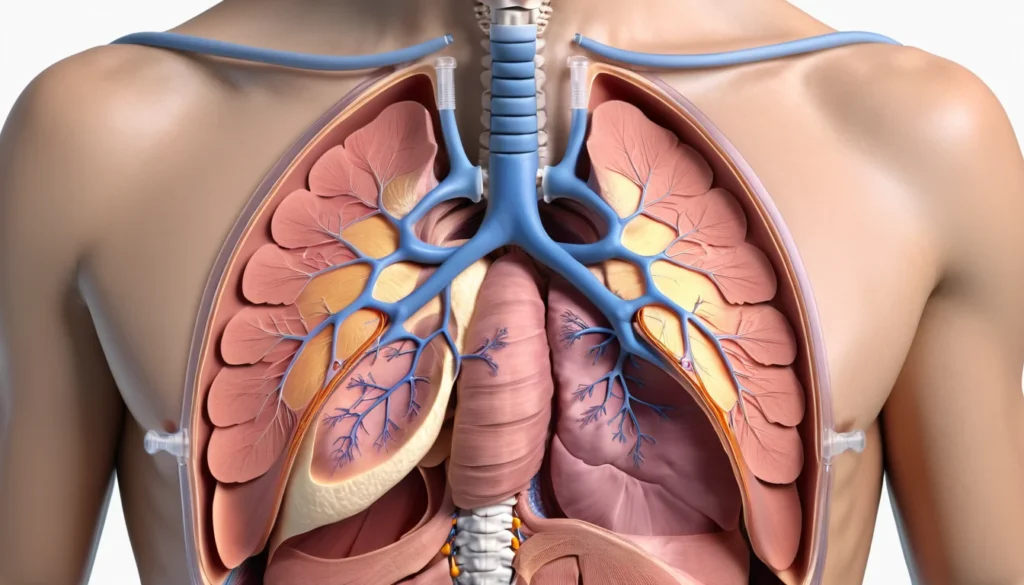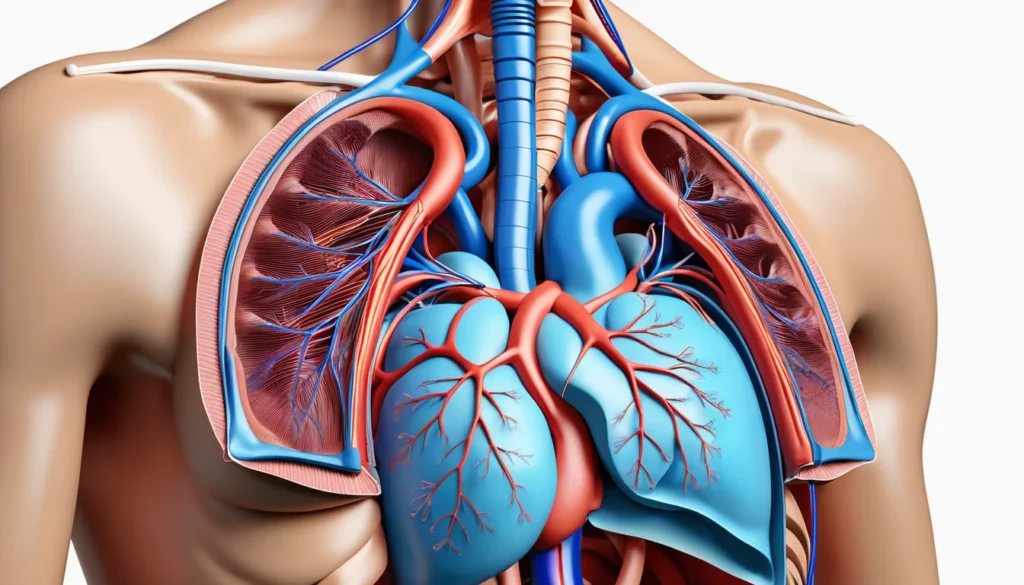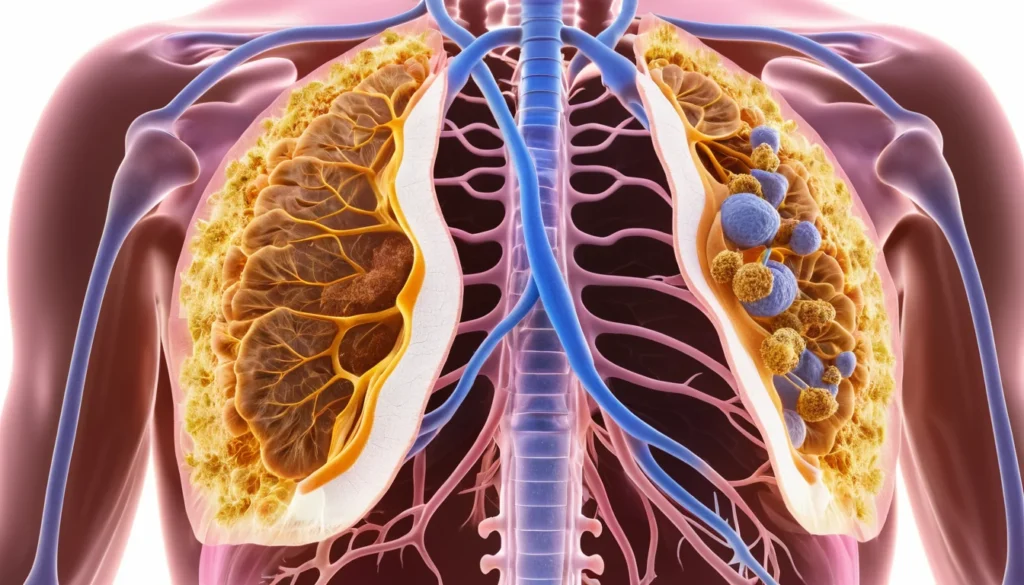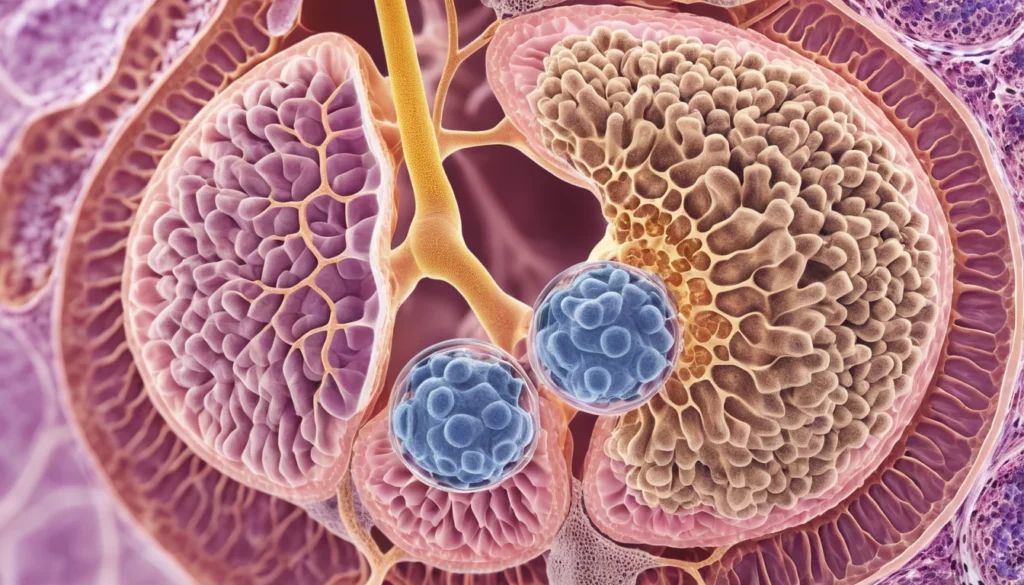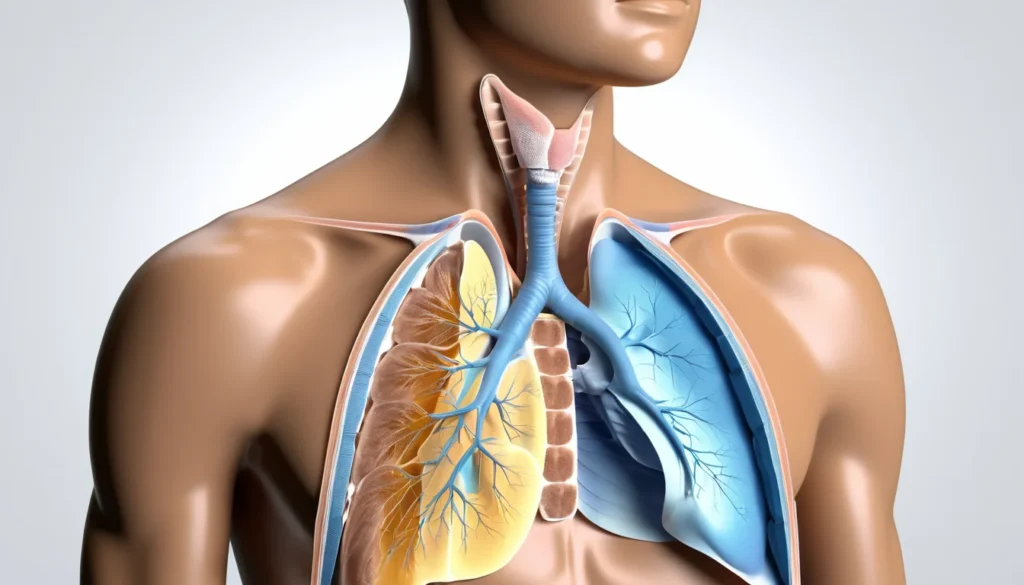
Pleurisy is an inflammation of the pleura — the thin, two-layered tissue that surrounds your lungs and lines the inside of your chest wall. Normally, a small amount of fluid between these two layers keeps them lubricated, so they slide smoothly when you breathe. When the pleura becomes inflamed, those two layers rub against each other instead of gliding. This rubbing causes a sharp, often intense chest pain known as pleuritic pain. Understanding pleurisy — its causes, symptoms, and treatment options — can help you get the right care faster through your family doctor, a walk-in clinic, or a specialist covered under your provincial health plan.
What Is Pleurisy?
The pleura is made up of two thin sheets of tissue. The outer layer lines the chest wall, and the inner layer wraps around the lungs. A thin film of fluid sits between them, acting like a lubricant every time you breathe in and out.
When pleurisy develops, this tissue becomes swollen and irritated. Instead of sliding smoothly, the two layers press and scrape against each other. The result is a painful, often stabbing sensation in the chest. You may also hear pleurisy called pleuritis — both terms mean the same thing.
In some cases, pleurisy leads to a build-up of fluid between the two layers. Doctors call this a pleural effusion. While the extra fluid can actually ease the rubbing pain, a large build-up can press on the lungs and make breathing more difficult. For more background, visit Health Canada’s respiratory health resources.
Common Causes of Pleurisy
Pleurisy has many possible causes. Identifying the right cause is important, because the treatment depends on what triggered the inflammation in the first place.
Infections
Viral infections are among the most common causes of pleurisy, especially in younger, otherwise healthy people. A respiratory virus or a case of pneumonia can inflame the pleura as part of the body’s immune response. Pleurisy caused by a viral infection usually clears up within a few days to one or two weeks.
Bacterial infections, including tuberculosis (TB), can also cause pleurisy. In these cases, antibiotic treatment is needed. In very rare situations, pleurisy linked to infection can spread to others, though this is not typical.
Other Medical Conditions
Pleurisy does not always come from an infection. A number of other health conditions can also cause it, including:
Pneumothorax — air leaking into the chest cavity
Chest injuries — such as a broken rib
Pulmonary embolism — a blood clot in the lung’s blood vessels
Autoimmune diseases — such as rheumatoid arthritis or lupus
Sickle cell disease
Pancreatitis — inflammation of the pancreas
Pleural tumours
Heart surgery complications
Because so many conditions can trigger pleurisy, your doctor will work to find the underlying cause before deciding on a treatment plan. You can read more about related lung conditions at the Mayo Clinic’s pleurisy overview.
Recognising the Symptoms of Pleurisy
The most recognisable symptom of pleurisy is a sharp chest pain that starts suddenly. Most people describe it as a stabbing or knife-like feeling. Knowing what to watch for can help you seek care at the right time.
Chest Pain
The chest pain from pleurisy has some distinctive features. It is usually present on one side of the chest only. It tends to get worse when you breathe in deeply, cough, sneeze, or make a sudden movement.
Many people find that holding their breath or pressing gently on the painful area brings some relief. The pain can also spread to the shoulder or upper abdomen. As a result, people with pleurisy often take shallow breaths to avoid triggering the pain.
Breathing Difficulties
Shortness of breath is another common symptom. This can happen because breathing deeply hurts, so you naturally breathe more shallowly. However, if a pleural effusion develops and fluid builds up in significant amounts, it can physically restrict the lungs from expanding fully.
This makes breathing feel laboured even when you are at rest. If you notice sudden or worsening shortness of breath, seek medical attention promptly — either at a walk-in clinic or an emergency room, depending on severity.
Symptoms of Pleural Effusion
When fluid accumulates around the lungs, additional symptoms can appear. These include:
A dry, persistent cough
Fever and chills
Chest pain that may actually lessen as fluid builds up (because fluid reduces friction)
A feeling of heaviness in the chest
It is worth noting that a pleural effusion can occur without pleurisy. Conditions like heart failure, kidney disease, and liver disease can also cause fluid to collect around the lungs.
Viral Symptoms
If a viral infection triggered the pleurisy, you may also experience fever, headache, and muscle aches. These are standard signs that your body is fighting an infection. Not everyone with viral pleurisy develops all of these symptoms, though.
How Pleurisy Is Diagnosed
To diagnose pleurisy, your doctor will start with a physical exam. They will listen to your chest with a stethoscope, listening for a distinctive rubbing or creaking sound. This sound is called a pleural friction rub.
Imaging and Tests
A chest X-ray is a standard first step. It helps rule out other causes of chest pain, such as a broken rib, pneumonia, a blood clot, or pericarditis (inflammation of the lining around the heart). An X-ray can also show if fluid has collected around the lungs.
In some cases, your doctor may order additional tests, including:
Blood tests — to check for infection, autoimmune conditions like lupus or rheumatoid arthritis, and other underlying problems
Ultrasound or CT scan — to get a more detailed look at the pleura and surrounding tissues
Thoracentesis — a procedure where a needle is used to draw fluid from around the lungs. The fluid is then sent to a lab to identify what caused the effusion.
In Canada, your family doctor will typically coordinate these investigations. Depending on the findings, you may be referred to a respirologist (a lung specialist) or another specialist through your provincial health plan.
Treatment Options for Pleurisy
Treatment for pleurisy depends directly on what is causing it. There is no single approach — the goal is to treat the underlying cause while managing pain and discomfort.
Treating the Underlying Cause
If a bacterial infection is responsible, your doctor will prescribe antibiotics. If tuberculosis is the cause, a longer course of specific TB medications will be needed. For pleurisy linked to a pulmonary embolism, anticoagulant (blood-thinning) medication is used to slow or prevent further clotting.
When an autoimmune disease like lupus or rheumatoid arthritis is behind the inflammation, managing that condition is the key to controlling the pleurisy. Your doctor may refer you to a rheumatologist in this case.
Managing Pain and Inflammation
For most cases of pleuritic chest pain, over-the-counter anti-inflammatory medications work well. These include aspirin, ibuprofen (such as Advil), or other non-steroidal anti-inflammatory drugs (NSAIDs). Always follow the recommended dosage and speak with a pharmacist if you are unsure which option is right for you.
Lying on the painful side of your chest or gently pressing a pillow against it can also reduce discomfort. If pain is severe, your doctor may prescribe stronger pain relief or cough suppressants.
Treating Pleural Effusion
If a significant amount of fluid has built up around the lungs, it may need to be drained. A doctor inserts a thin tube through the chest wall to remove the fluid. This procedure is called thoracentesis or chest drainage.
In some persistent cases, a procedure called pleurodesis may be recommended. During pleurodesis, a chemical substance or medication is injected into the chest cavity. This creates a controlled, localised inflammation that causes the two layers of the pleura to stick together. As a result, fluid can no longer accumulate between them. Learn more about lung treatments at Healthline’s guide to pleurisy treatment.
When to See a Doctor
You should contact your family doctor if you develop sudden chest pain, especially if it changes with your breathing. Do not try to self-diagnose chest pain — it can have many causes, some of which need urgent attention.
Visit a walk-in clinic if your family doctor is not immediately available and your symptoms are concerning but not severe. However, if you experience any of the following, go to the nearest emergency room or call 911 right away:
Severe shortness of breath or difficulty breathing
Chest pain that is crushing, pressure-like, or spreading to your arm or jaw
A bluish tint to your lips or fingertips
A very high fever combined with chest pain
Coughing up blood
Early diagnosis leads to better outcomes. Most provincial health plans cover assessments for chest pain, including chest X-rays and specialist referrals when needed. Do not hesitate to advocate for yourself within the healthcare system. As always, speak with a qualified healthcare provider before making any decisions about your health — this article is for informational purposes only and does not replace professional medical advice.
Frequently Asked Questions About Pleurisy
Is pleurisy contagious?
Pleurisy itself is not contagious. However, if a viral or bacterial infection caused the pleurisy, that underlying infection could potentially spread to others. In very rare cases, the infectious agent responsible for triggering pleurisy may be passed on, but this is uncommon.
How long does pleurisy last?
The duration of pleurisy depends on its cause. Pleurisy caused by a viral infection often resolves on its own within a few days to one or two weeks. Pleurisy linked to a more serious underlying condition, such as an autoimmune disease or TB, may last longer and requires treatment of that condition first.
Can pleurisy go away on its own?
Mild viral pleurisy can sometimes resolve without specific treatment, given rest and over-the-counter pain relief like ibuprofen. However, it is important to see a doctor to rule out a more serious cause. Pleurisy linked to bacterial infections, blood clots, or autoimmune conditions will not go away without proper medical treatment.
What does pleurisy feel like?
Most people with pleurisy describe the chest pain as sharp, stabbing, or knife-like. The pain typically affects one side of the chest and gets noticeably worse when breathing in deeply, coughing, or sneezing. Some people find that holding their breath or pressing on the chest wall briefly eases the discomfort.
Is pleurisy a serious condition?
Pleurisy ranges from mild to serious, depending on the underlying cause. Viral pleurisy in a healthy person is often manageable and short-lived. However, pleurisy caused by a pulmonary embolism, tuberculosis, or a heart condition is a serious medical situation that requires prompt treatment from a healthcare provider.
Can pleurisy cause fluid around the lungs?
Yes. Pleurisy can sometimes lead to a pleural effusion, which is a build-up of fluid in the space around the lungs. Interestingly, this fluid can temporarily reduce the sharp rubbing pain of pleurisy. However, a large pleural effusion can press on the lungs and cause shortness of breath, requiring medical drainage.
Key Takeaways
Pleurisy is an inflammation of the pleura — the thin tissue lining the lungs and chest wall.
The most common symptom is a sharp, one-sided chest pain that worsens with breathing, coughing, or sneezing.
Common causes include viral or bacterial infections, autoimmune diseases, pulmonary embolism, and chest injuries.
Treatment depends on the underlying cause and may include antibiotics, anti-inflammatory medications, or fluid drainage.
Pleural effusion (fluid around the lungs) is a possible complication that may need to be drained by a medical professional.
See your family doctor or walk-in clinic if you have unexplained chest pain, and call 911 for severe or sudden breathing difficulties.
Most assessments and treatments for pleurisy are covered under provincial health plans in Canada.