A pinguecula is a small, yellowish bump that forms on the white part of your eye. It sits just beneath the conjunctiva — the thin, clear tissue that covers the eye’s surface. While it may look alarming, a pinguecula is almost always harmless. This article explains what causes it, what symptoms to watch for, and when it’s time to speak with a health professional.
What Is a Pinguecula?
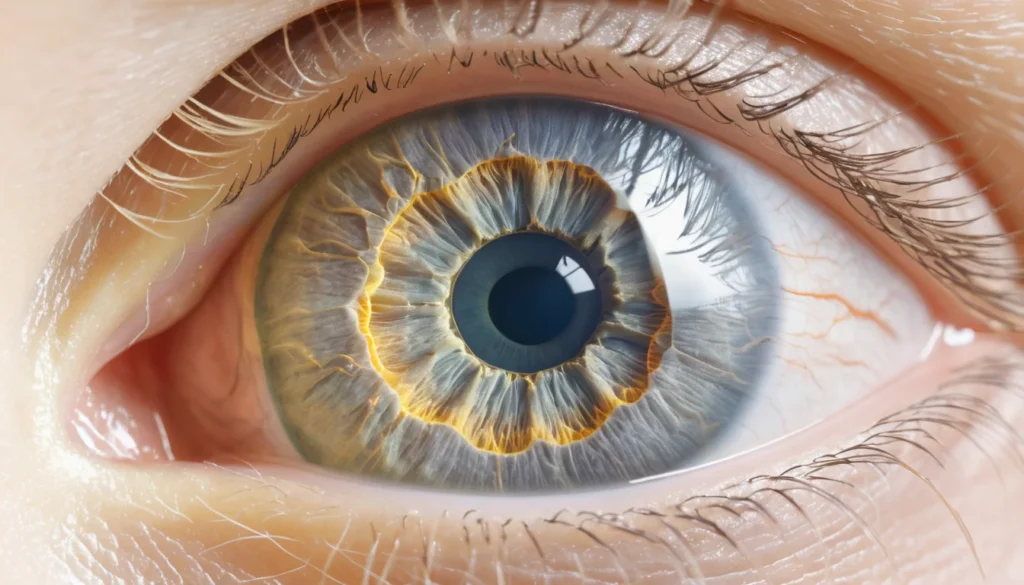
A pinguecula (pin-GWEK-yoo-lah) is a non-cancerous growth on the conjunctiva. It usually appears on the side of the eye closest to the nose, though it can form on either side. The growth is made up of protein, fat, and calcium deposits.
It is not a tumour, and it does not grow onto the cornea (the clear front part of your eye). However, a related condition called a pterygium does grow onto the cornea, so it is important to get an accurate diagnosis. Your family doctor or optometrist can tell the difference.
According to Mayo Clinic, pingueculae are among the most common benign eye conditions seen by eye care professionals worldwide.
What Causes a Pinguecula?
Doctors believe that long-term exposure to ultraviolet (UV) light is the main cause of pinguecula. This is why people who spend a lot of time outdoors tend to develop them more often. However, UV light is not the only risk factor.
Common Risk Factors
Sun exposure: UV rays from the sun damage the conjunctiva over time.
Dry and dusty environments: Wind, dust, and dry air irritate the eye surface.
Age: Pingueculae become more common as we get older.
Welding or outdoor work: Jobs with high UV or dust exposure increase risk.
Dry eye disease: Chronic dryness can speed up tissue changes in the eye.
In Canada, people who enjoy outdoor activities — skiing, hiking, or working in agriculture — may face higher risk. Reflected UV from snow is particularly intense and can damage the eyes even on cloudy days.
Recognising the Symptoms of Pinguecula
Many people with a pinguecula have no symptoms at all. The growth is often discovered during a routine eye exam. However, some people do notice signs that something has changed.
Signs to Watch For
A visible yellow or white bump on the white of the eye
A gritty or sandy feeling in the eye
Redness or irritation, especially after time outdoors
A burning or itching sensation
Dryness or the feeling that something is in your eye
Increased sensitivity to light or wind
These symptoms can become worse when the eye is exposed to smoke, wind, or dry indoor air. In winter, heated indoor air in Canadian homes can dry out the eyes and make a pinguecula feel more irritated.
Furthermore, some people find the appearance of the bump bothersome, even when it causes no physical discomfort. This is a perfectly valid reason to speak with a doctor about your options.
How Is Pinguecula Diagnosed?
A pinguecula is usually diagnosed through a simple eye examination. Your optometrist or ophthalmologist will examine your eye using a slit-lamp — a special microscope used in eye care. No painful tests or procedures are needed.
It is important to have a professional confirm the diagnosis. As noted by Healthline, some eye conditions can look similar to a pinguecula but may need different treatment. Getting the right diagnosis early makes a real difference.
Ruling Out Other Conditions
Your eye care provider will check that the growth is not a pterygium, a conjunctival cyst, or any other type of lesion. They may also ask about your lifestyle, occupation, and how long you have noticed the bump. This information helps them plan the best approach for you.
In most provinces, a visit to your optometrist is covered under provincial health plans for children and certain adults. Check with your provincial health programme to understand your coverage. If you are not sure, your family doctor can refer you to an optometrist or ophthalmologist.
Treatment Options for Pinguecula
Most pingueculae do not require treatment. If the growth causes no symptoms and does not affect your vision, watchful waiting is often the best approach. However, there are several options available if you need relief.
Non-Surgical Treatments
Artificial tears (lubricating eye drops) are usually the first recommendation. They help reduce dryness and irritation. Many Canadians find that regular use of preservative-free eye drops provides significant relief.
If the pinguecula becomes inflamed — a condition sometimes called pingueculitis — your doctor may prescribe mild steroid eye drops or non-steroidal anti-inflammatory drops. These help calm redness and swelling. You should never use steroid drops without a prescription, as they can cause serious side effects with long-term use.
Surgical Removal
In some cases, a pinguecula can be removed surgically. This is done under local anaesthetic, and the procedure is straightforward. However, there is a meaningful chance the growth will return within a few months of surgery.
Therefore, surgery is generally reserved for cases where the pinguecula causes significant discomfort, affects vision, or causes cosmetic concerns that affect a person’s quality of life. Your ophthalmologist will discuss whether surgery is the right choice for your situation.
After surgery, some surgeons apply a special tissue graft to reduce the chance of the pinguecula growing back. Ask your eye doctor about this option if you are considering surgery.
Protecting Your Eyes and Preventing Pinguecula
The good news is that there are simple, effective steps you can take to protect your eyes. Prevention is always better than treatment, and many of these habits benefit your overall eye health as well.
Everyday Protective Habits
Wear UV-blocking sunglasses: Choose sunglasses that block 99–100% of UVA and UVB rays. Wraparound styles offer the best coverage.
Use a wide-brimmed hat: A hat adds an extra layer of protection on sunny days.
Use lubricating eye drops: Keep your eyes moist, especially in dry indoor air during Canadian winters.
Wear protective eyewear at work: If your job exposes you to dust, wind, or UV, use appropriate safety glasses.
Avoid smoky environments: Smoke is a significant irritant to the conjunctiva.
Take breaks from screens: Screen time reduces how often we blink, which dries out the eyes.
In addition, remember that UV exposure is significant even in winter or on overcast days. Snow reflects up to 80% of UV rays, which is a well-known risk for Canadians who ski, snowshoe, or work outdoors. Protecting your eyes year-round is essential.
For more information on UV eye protection, visit Health Canada, which provides guidance on sun safety for all ages.
When to See a Doctor About Pinguecula
A pinguecula is rarely an emergency. However, there are certain situations where you should not wait to get professional advice. Knowing when to act is an important part of managing your eye health.
Visit your family doctor or a walk-in clinic if you notice any of the following:
Sudden increase in redness, pain, or swelling of the eye
A rapid change in the size or colour of the growth
Any change in your vision
The growth appears to be spreading onto the cornea
Symptoms that do not improve with lubricating eye drops
If you do not have a family doctor, a walk-in clinic is a great first step. The doctor there can examine your eye, rule out more serious conditions, and refer you to an optometrist or ophthalmologist if needed. Most Canadian communities — including smaller towns — have access to at least one of these options.
As always, it is best to consult a qualified healthcare professional before starting any treatment. This article is for informational purposes only and is not a substitute for personalised medical advice from your doctor or eye care provider.
Frequently Asked Questions About Pinguecula
Is a pinguecula dangerous or cancerous?
A pinguecula is not cancerous and is not considered dangerous. It is a benign (non-harmful) growth made up of protein, fat, and calcium deposits on the surface of the eye. However, you should always have any new eye growth examined by a professional to confirm the diagnosis.
Can a pinguecula go away on its own?
A pinguecula does not typically disappear on its own. Once it forms, the growth tends to remain stable for many years. Symptoms like redness and irritation can improve with lubricating eye drops, but the physical bump usually stays unless it is surgically removed.
What is the difference between a pinguecula and a pterygium?
A pinguecula stays on the white part of the eye and does not affect the cornea. A pterygium, on the other hand, grows across the cornea and can eventually interfere with vision. Both conditions are linked to UV exposure, but a pterygium generally requires treatment more often than a pinguecula.
Does pinguecula removal surgery work permanently?
Surgical removal of a pinguecula is effective, but the growth often returns within months of the procedure. Surgeons sometimes use a tissue graft technique to lower the risk of recurrence. Your ophthalmologist can advise you on whether surgery is the right option and what to expect afterward.
Can I wear contact lenses if I have a pinguecula?
Many people with a pinguecula can still wear contact lenses, but some find that lenses cause increased irritation over the bump. It is worth speaking with your optometrist, who may recommend a different lens type or suggest taking breaks from contact lens use to keep your eyes comfortable.
Is pinguecula covered under provincial health plans in Canada?
Coverage depends on your province and the type of care needed. Routine optometry visits may not be fully covered for all adults under every provincial health plan, though medical visits to a family doctor or walk-in clinic typically are. Check with your provincial health programme or ask your family doctor about your options and referral pathways.
Key Takeaways
A pinguecula is a small, yellowish, non-cancerous bump on the white of the eye.
It is caused mainly by long-term UV exposure, dry air, dust, and wind.
Most cases cause no symptoms and need no treatment beyond lubricating eye drops.
Surgical removal is available but the growth often returns after the procedure.
Wearing UV-blocking sunglasses year-round is the best way to prevent pinguecula.
See your family doctor or visit a walk-in clinic if you notice sudden changes in the growth or your vision.
Always consult a qualified healthcare professional for advice specific to your situation.