Phenylketonuria, commonly known as PKU, is a rare but serious genetic disorder that affects how the body processes a substance found in protein-rich foods. In Canada, almost all newborns are screened for PKU within days of birth. When caught early and managed properly, most children with phenylketonuria can live full, healthy lives. This article explains what PKU is, what causes it, what symptoms to watch for, and how it is treated.
What Is Phenylketonuria (PKU)?
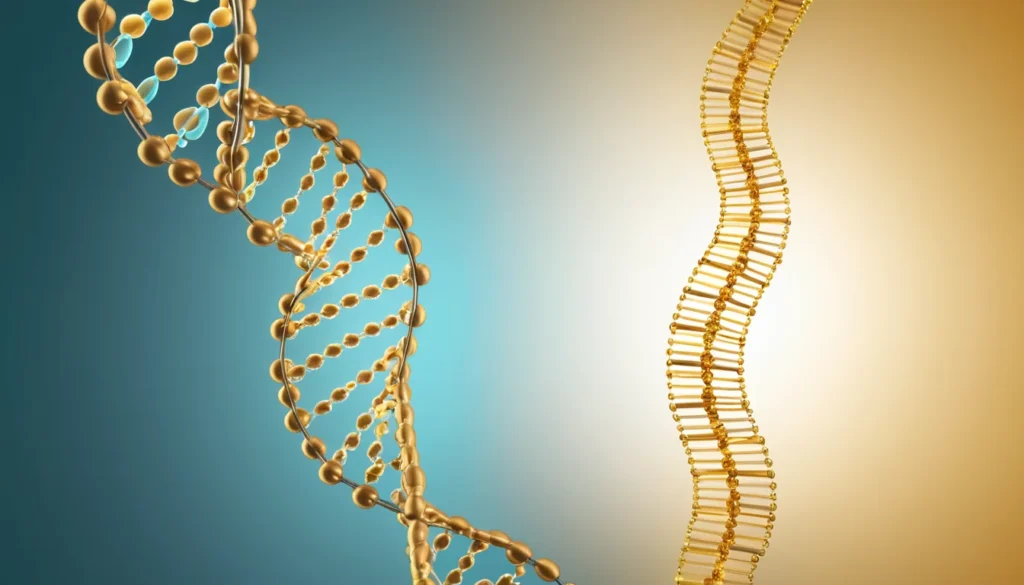
PKU is a genetic condition where the body cannot properly break down an amino acid called phenylalanine. Normally, an enzyme called phenylalanine hydroxylase (PAH) converts phenylalanine into another amino acid called tyrosine. In people with phenylketonuria, this enzyme is missing or works at a very low level.
As a result, phenylalanine builds up in the blood and brain tissue. Without treatment, this buildup can cause permanent brain damage and damage to the central nervous system. However, with early diagnosis and careful dietary management, these serious complications can usually be prevented.
PKU affects roughly 1 in every 14,000 to 20,000 newborns. It occurs across all populations, though rates vary between different ethnic groups. You can learn more about rare genetic conditions from Health Canada’s health information resources.
What Causes PKU?
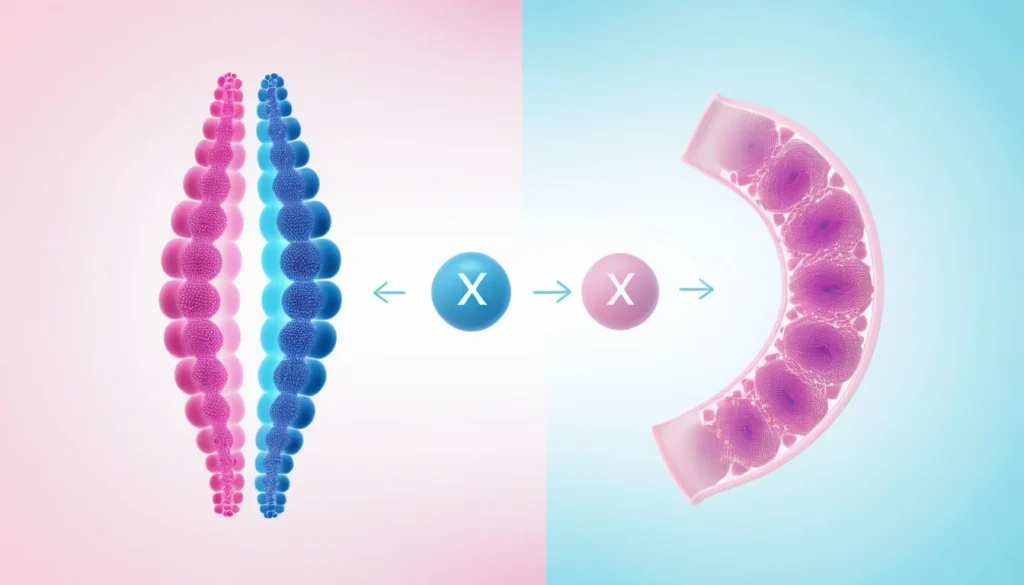
PKU is an autosomal recessive disorder. This means a child must inherit one faulty gene from each parent in order to develop the condition. If a child inherits the faulty gene from only one parent, they become a carrier — they do not develop PKU themselves, but they can pass the gene to their own children.
Two carrier parents have a 25% chance with each pregnancy of having a child with PKU. They also have a 50% chance of having a child who is a carrier, and a 25% chance of having a child unaffected by the gene entirely.
If PKU runs in your family, speak with your family doctor about genetic counselling. Genetic testing can confirm whether you or your partner carry the PKU gene before or during pregnancy.
Symptoms of Phenylketonuria
Before birth, a mother’s body filters excess phenylalanine and protects the baby. After birth, however, phenylalanine from breast milk or infant formula begins to accumulate. Symptoms of phenylketonuria typically appear within the first few months of life.
Early Symptoms
Early symptoms appear in roughly half of all undiagnosed PKU cases. They can include:
A musty smell on the skin, hair, and urine
Vomiting and diarrhoea leading to poor weight gain
Skin problems such as dryness or itchy rashes (eczema)
Sensitivity to light (photosensitivity)
These early signs are subtle and easy to miss without newborn screening. This is why routine testing at birth is so important.
Symptoms If PKU Goes Untreated
If the condition is not found and treated quickly, phenylalanine levels rise in the brain. Symptoms can become severe around eight weeks of age. They may include:
Unusual behaviours such as repeated rocking, head banging, or hand biting
Loss of skills and developmental delays
Severe intellectual disability
Slow growth and development
Seizures
In addition, PKU affects the production of melanin, the pigment responsible for the colour of skin, hair, and eyes. About 90% of children with untreated PKU have fair skin, blonde hair, and blue eyes, even if their family background would suggest otherwise.
For a detailed overview of PKU symptoms and complications, Mayo Clinic’s phenylketonuria guide is a trusted resource.
How Is PKU Diagnosed in Canada?
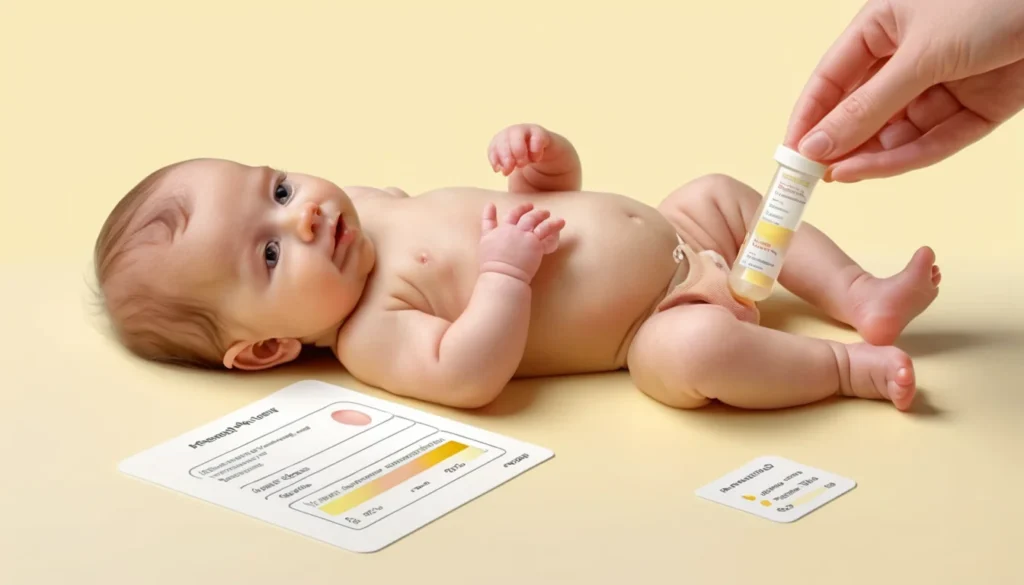
In Canada, newborn screening for phenylketonuria is offered in all provinces and territories as part of routine newborn care. The test is simple and takes just a few drops of blood, usually taken from the baby’s heel within the first 24 to 48 hours of life.
This blood sample is tested for elevated phenylalanine levels. Because it can take a few days for phenylalanine to build up after the baby begins feeding, a second test may be recommended if the first sample is taken very early.
Ongoing Monitoring
Once diagnosed, regular blood testing is essential to keep phenylalanine levels in a safe range. Canadian health guidelines generally recommend the following monitoring schedule:
First year of life: Weekly blood tests
Ages 1 to 12: Twice-monthly testing
Over age 12: Monthly testing
During pregnancy: Twice-weekly testing for women with PKU
These tests help your child’s healthcare team adjust the diet and treatment plan as the child grows. Provincial health plans cover newborn screening and follow-up care for PKU in Canada — check with your provincial health authority for details specific to your region.
Genetic Testing for Families
If you have a family history of PKU or have already had one child with the condition, genetic testing can determine whether you and your partner are carriers. Ask your family doctor for a referral to a genetics specialist or a metabolic disease centre. Many major Canadian cities have dedicated metabolic disease clinics connected to children’s hospitals.
Treatment for Phenylketonuria
The main treatment for phenylketonuria is a carefully managed, low-phenylalanine diet. Because phenylalanine is found in all protein-containing foods, people with PKU must limit their intake of protein from regular food sources for life.
Dietary Management
Newborns diagnosed with PKU are started on a special phenylalanine-free formula as soon as possible — ideally within seven to ten days of birth. This formula provides all the essential nutrients a baby needs for healthy growth, without the phenylalanine that causes harm.
In some cases, limited breastfeeding may be possible alongside the formula, but this must be carefully managed and closely monitored with your baby’s medical team. Do not attempt this without direct guidance from a metabolic dietitian or specialist.
As children grow, they must avoid or strictly limit high-protein foods such as:
Meat, poultry, and fish
Dairy products such as milk and cheese
Eggs
Nuts and legumes
Regular bread and pasta made with wheat flour
Furthermore, people with PKU must avoid aspartame, an artificial sweetener found in many diet drinks and sugar-free products. Aspartame breaks down into phenylalanine in the body. Always check food labels carefully.
Medical Foods and Supplements
Because a low-phenylalanine diet is very restrictive, people with PKU rely on specially formulated medical foods and amino acid supplements to meet their nutritional needs. These products are designed to replace the nutrients normally obtained from protein-rich foods. A registered dietitian with experience in metabolic disorders will help plan meals and ensure proper nutrition at every stage of life.
Medication
Some people with PKU respond to a medication called sapropterin (brand name Kuvan). This drug helps boost the activity of the PAH enzyme in certain patients, allowing them to tolerate slightly more phenylalanine in their diet. However, it does not work for everyone. Your specialist can determine whether this treatment is appropriate.
Research into new treatments for PKU is ongoing. For the latest information, Healthline’s PKU overview provides regularly updated medical information.
PKU and Pregnancy
Women with PKU who are pregnant or planning to become pregnant need special care. High phenylalanine levels in the mother’s blood can cross the placenta and harm the developing baby, even if the baby does not have PKU itself.
This is called maternal PKU syndrome. It can cause heart defects, intellectual disability, and low birth weight in the baby. Therefore, it is critical for women with PKU to maintain very strict dietary control before conception and throughout pregnancy.
If you have PKU and are thinking about becoming pregnant, speak with your family doctor as early as possible. You will likely need referral to a high-risk obstetrics team and a metabolic disease specialist.
When to See a Doctor
In Canada, your baby’s PKU screening happens automatically through the hospital or midwifery care shortly after birth. However, there are situations where you should contact your family doctor, walk-in clinic, or specialist promptly.
Speak with a healthcare provider if:
You did not receive confirmation that your newborn’s screening was completed
Your baby has an unusual musty smell on their skin, hair, or urine
Your baby is not gaining weight properly or seems unusually irritable
Your child with PKU has unexplained seizures, developmental regression, or behavioural changes
You are pregnant and have PKU or carry the PKU gene
You have a family history of PKU and are planning a pregnancy
If you do not have a family doctor, a walk-in clinic can provide an initial assessment and refer you to the appropriate specialist. Most provinces also have nurse practitioner-led clinics that can help connect you with genetic services.
Always consult your doctor or a qualified healthcare professional before making any changes to your or your child’s diet or treatment plan. This article is for general information only and does not replace personalized medical advice.
Frequently Asked Questions About Phenylketonuria
What is phenylketonuria (PKU) in simple terms?
Phenylketonuria is a genetic disorder where the body cannot break down an amino acid called phenylalanine. Without treatment, phenylalanine builds up in the blood and damages the brain. With early diagnosis and a carefully managed low-phenylalanine diet, most people with PKU can lead healthy, normal lives.
Is PKU tested at birth in Canada?
Yes. All Canadian provinces and territories include phenylketonuria in their routine newborn screening programmes. A few drops of blood from your baby’s heel are tested within the first 24 to 48 hours after birth. Results are typically available within the first week of life.
Can people with PKU eat normally?
People with phenylketonuria must follow a strict low-phenylalanine diet for life, which means avoiding most high-protein foods like meat, dairy, eggs, and nuts. They also need special medical foods and amino acid supplements to meet their nutritional needs. A metabolic dietitian works closely with PKU patients to help them eat as normally and enjoyably as possible.
Is PKU curable?
There is currently no cure for phenylketonuria, but it is very manageable with lifelong dietary treatment and regular monitoring. Some patients also benefit from a medication called sapropterin, which helps the body process more phenylalanine. Researchers are actively working on new treatments, including gene therapy approaches.
Can a child with PKU be breastfed?
In some cases, limited breastfeeding is possible alongside a phenylalanine-free formula, but it must be very carefully monitored by a medical team. Breast milk does contain phenylalanine, so the balance between breast milk and formula must be precisely managed. Always discuss feeding options with your child’s metabolic specialist before proceeding.
What foods must people with phenylketonuria avoid?
People with phenylketonuria must avoid or strictly limit high-protein foods including meat, fish, poultry, dairy products, eggs, nuts, and legumes. They must also avoid aspartame, an artificial sweetener found in many diet drinks and sugar-free products, because it breaks down into phenylalanine in the body. A dietitian specialising in metabolic disorders can provide a personalised meal plan.
Key Takeaways
Phenylketonuria (PKU) is a genetic disorder where the body cannot properly break down phenylalanine, an amino acid found in protein-rich foods.
PKU is caused by inheriting a faulty gene from both parents — it is an autosomal recessive condition.
Without treatment, phenylalanine builds up and causes serious, permanent brain damage. With early treatment, most complications can be prevented.
All Canadian newborns are screened for PKU shortly after birth as part of provincial health programmes.
Treatment involves a strict low-phenylalanine diet for life, along with special medical foods and regular blood monitoring.
Women with PKU must manage their phenylalanine levels carefully before and during pregnancy to protect their baby.
If you have concerns about PKU, speak with your family doctor, a walk-in clinic, or ask for a referral to a metabolic specialist.