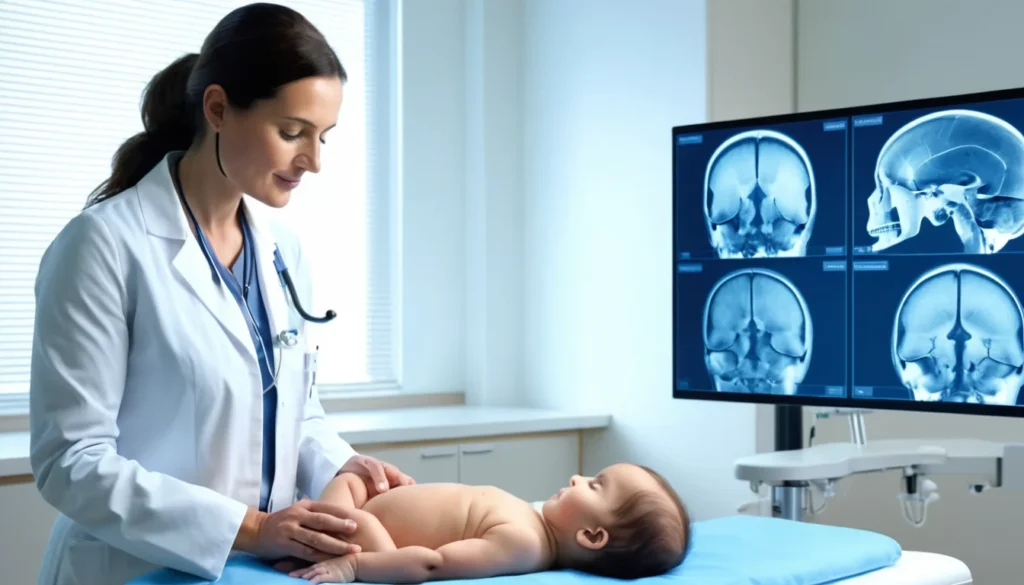
Pfeiffer syndrome is a rare genetic disorder that causes the bones of a baby’s skull to fuse together too early. This affects the shape of the head and face, and can also impact the hands and feet. In Canada, families dealing with this diagnosis can access specialized care through children’s hospitals and provincial health programmes. This article explains what Pfeiffer syndrome is, what causes it, and what treatment options are available.
What Is Pfeiffer Syndrome?
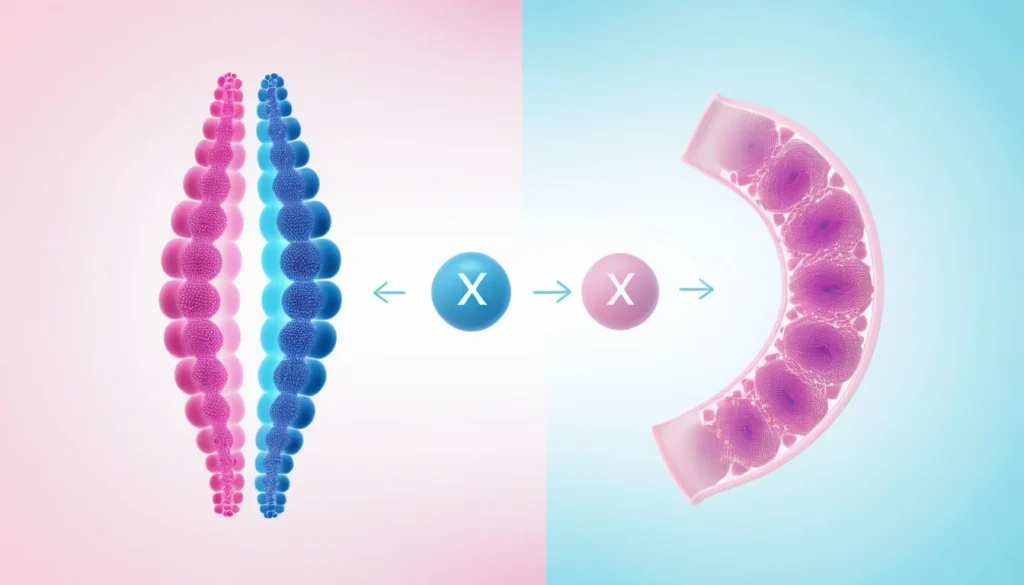
Normally, a baby’s skull bones stay separate until the brain finishes growing. However, in children with Pfeiffer syndrome, these bones fuse too early. As a result, the skull cannot expand properly as the brain grows.
This early fusion changes the shape of the head and face. It can also affect how the brain develops over time. The condition belongs to a group of disorders called craniosynostosis, where skull bones join prematurely.
Babies born with Pfeiffer syndrome may also have bulging eyes, a high forehead, an underdeveloped upper jaw, and a flattened nose. Their fingers and toes may be fused together, or unusually short and wide.
Causes and Risk Factors of Pfeiffer Syndrome
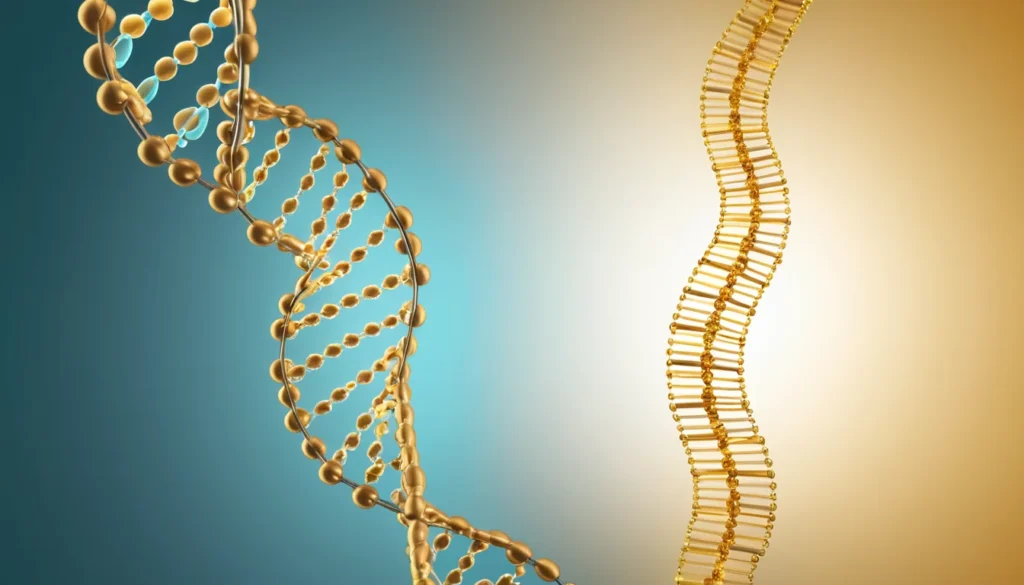
Pfeiffer syndrome is caused by mutations in two genes: FGFR1 and FGFR2. These genes carry instructions that tell immature cells to become bone cells during early development in the womb.
Even a single mutation in one of these genes is enough to disrupt normal bone growth. The mutation causes prolonged bone-forming signals, which leads to the early fusion of skull bones and abnormal development of the hands and feet.
Is Pfeiffer Syndrome Inherited?
The gene changes can be inherited from a parent, or they can appear as a brand-new mutation in the child. Most cases of Pfeiffer syndrome result from a new (de novo) mutation. In these cases, neither parent carries the faulty gene.
However, if one parent does have Pfeiffer syndrome, there is a 50% chance they will pass it on to their child. Genetic counselling, which is available through most provincial health systems in Canada, can help families understand their risk. For more information on genetic conditions, visit Health Canada’s official health resources.
The Three Types of Pfeiffer Syndrome
There are three subtypes of Pfeiffer syndrome. The type a child has will affect how severe their symptoms are and what treatment they need.
Type 1: The Mildest Form
Type 1 is the least severe form of Pfeiffer syndrome. Children with this type typically have normal intellectual development and can expect a normal lifespan, as long as the condition is treated properly.
Features of Type 1 include premature skull fusion, hand and foot differences, and occasionally scaly skin patches. Some individuals may also experience fluid buildup in the brain, dental or gum problems, widely spaced eyes (hypertelorism), or hearing loss.
Type 2: A More Severe Form
Type 2 is significantly more serious. Children with this type develop a cloverleaf-shaped skull, caused by extensive bone fusion. This unusual skull shape often requires surgical intervention.
In addition, Type 2 can cause:
Severe protrusion of the eyes, which can affect vision
Fused joints at the elbows and knees (ankylosis)
Abnormalities of the fingers and toes
Developmental delays and learning difficulties
Hydrocephalus — a dangerous buildup of fluid in and around the brain
Type 2 causes serious neurological damage and carries a poor outlook. Unfortunately, it can result in early death.
Type 3: Similar to Type 2
Type 3 shares many of the same features as Type 2, but without the cloverleaf skull shape. Children with Type 3 may also have problems with their lungs and kidneys.
Like Type 2, the outlook for Type 3 is serious and can lead to early death. Early and intensive medical care is essential for these children.
Recognising the Symptoms of Pfeiffer Syndrome
Symptoms of Pfeiffer syndrome vary from person to person, depending on which type they have. However, some signs are common across all three types.
Physical symptoms may include:
Abnormally shaped skull due to early bone fusion
Bulging or protruding eyes (exophthalmos)
A high, prominent forehead
An underdeveloped upper jaw or chin
A flattened or beaked nose
Fused or unusually short and wide fingers and toes
Fused elbow or knee joints
Beyond physical differences, Pfeiffer syndrome can also cause neurological symptoms. These include developmental delays, learning difficulties, and problems with brain development. Breathing difficulties are also common, especially in Types 2 and 3.
How Is Pfeiffer Syndrome Diagnosed?
Doctors diagnose Pfeiffer syndrome using a combination of physical examination and medical imaging. X-rays, CT scans, and MRI scans help confirm whether skull bones have fused early, and whether joints in the elbows and knees are affected.
Furthermore, doctors will usually order molecular genetic testing to confirm mutations in the FGFR1 or FGFR2 genes. This testing is available at major children’s hospitals and genetics centres across Canada.
In some cases, Pfeiffer syndrome may be identified before birth through prenatal ultrasound or genetic testing. If you have a family history of this condition, speak with your family doctor about a referral to a genetic specialist.
Treatment Options for Pfeiffer Syndrome
There is currently no cure for Pfeiffer syndrome. However, treatment can greatly improve a child’s quality of life and manage specific symptoms. Treatment usually begins at birth, as soon as a firm diagnosis is made.
Surgery for Skull and Facial Differences
Surgery is the main treatment for Pfeiffer syndrome. Most children will need multiple surgical procedures throughout childhood. The first surgery to release the fused skull bones typically takes place within the first year of life.
This early surgery is critical. It allows the brain to grow properly and helps reduce pressure inside the skull. Additional surgeries may be performed later to correct facial structure, including the cheekbones and chin.
Eye and Vision Surgery
Because the eye sockets may be too shallow, the eyes can protrude significantly. Surgeons can operate to protect the eyes and preserve vision. In some cases, children may also need glasses or other vision support.
Hand and Foot Surgery
When a child is older, surgeons can separate fused fingers or toes and improve the function of the hands and feet. The timing of these surgeries depends on the child’s overall health and development.
Managing Breathing Problems
Many children with Pfeiffer syndrome have breathing difficulties related to the structure of their airway and jaw. Treatment may include:
Surgery to address jaw and airway problems
Removal of the tonsils or adenoids to open the airway
Use of a CPAP machine (a device that keeps the airway open during sleep)
In some cases, a tracheostomy (a surgical opening in the throat to help breathing)
For more detailed information on managing rare genetic conditions, Healthline’s guide to Pfeiffer syndrome provides a helpful overview.
Ongoing Support and Therapies
Many children with Pfeiffer syndrome benefit from ongoing therapies. Speech therapy, occupational therapy, and physiotherapy can all help children reach their full potential. In Canada, these services are often covered under provincial health plans or available through children’s rehabilitation centres.
Children with learning difficulties may also benefit from individualized education plans (IEPs) through their school boards.
When to See a Doctor
If you notice unusual features in your newborn’s head shape, eyes, or limbs, speak with your family doctor right away. Early diagnosis makes a real difference in outcomes for children with Pfeiffer syndrome.
If your family doctor is unavailable, a walk-in clinic can provide an initial assessment and refer you to a specialist. Pediatric specialists, including craniofacial surgeons and geneticists, are available at children’s hospitals in most major Canadian cities.
If you are pregnant and have a family history of Pfeiffer syndrome or other genetic conditions, ask your doctor about genetic counselling and prenatal testing. These services are available through provincial health systems across Canada.
Always consult a qualified healthcare provider for any concerns about your child’s health or development. This article is for informational purposes only and does not replace professional medical advice.
Frequently Asked Questions About Pfeiffer Syndrome
What is Pfeiffer syndrome?
Pfeiffer syndrome is a rare genetic disorder where the bones of a baby’s skull fuse together too early. This affects the shape of the head and face, and can also cause differences in the hands and feet. There are three types of Pfeiffer syndrome, ranging from mild to severe.
How common is Pfeiffer syndrome?
Pfeiffer syndrome is extremely rare, affecting approximately 1 in 100,000 births worldwide. Because it is so uncommon, most cases are managed at specialized children’s hospitals with craniofacial expertise. In Canada, these centres are found in major cities such as Toronto, Montreal, and Vancouver.
Can Pfeiffer syndrome be detected before birth?
In some cases, Pfeiffer syndrome may be detected during pregnancy through prenatal ultrasound or genetic testing. If there is a known family history of the condition, genetic counselling is strongly recommended. Speak with your family doctor or obstetrician about prenatal screening options available in your province.
Is Pfeiffer syndrome always inherited?
No, most cases of Pfeiffer syndrome result from a new (de novo) genetic mutation, meaning neither parent carries the gene change. However, if one parent has Pfeiffer syndrome, there is a 50% chance of passing it on to their child. A genetics specialist can help families understand their specific risk.
What is the life expectancy for someone with Pfeiffer syndrome?
Life expectancy depends on which type of Pfeiffer syndrome a person has. People with Type 1 can expect a normal lifespan with proper treatment. However, Types 2 and 3 are much more severe and can unfortunately lead to early death due to serious neurological and organ complications.
What kind of doctor treats Pfeiffer syndrome in Canada?
Children with Pfeiffer syndrome are usually cared for by a team that includes craniofacial surgeons, neurologists, geneticists, and developmental paediatricians. Your family doctor can refer your child to a craniofacial programme at a children’s hospital. Most provincial health plans in Canada cover specialist care for rare genetic conditions like Pfeiffer syndrome.
Key Takeaways
Pfeiffer syndrome is a rare genetic disorder causing premature skull bone fusion, affecting the face, head, hands, and feet.
It is caused by mutations in the FGFR1 or FGFR2 genes, which disrupt normal bone development.
There are three types — Type 1 is milder, while Types 2 and 3 are more severe and carry a poorer outlook.
Most cases result from a new genetic mutation, though a parent with the condition has a 50% chance of passing it on.
Surgery is the primary treatment and usually begins within the first year of life.
Ongoing support such as speech therapy, physiotherapy, and occupational therapy can help children thrive.
In Canada, specialized craniofacial care is available at children’s hospitals, and services are often covered under provincial health plans.
If you have concerns about your child’s development or head shape, speak with your family doctor or visit a walk-in clinic as soon as possible.