Peyronie’s disease is a condition where scar tissue forms inside the penis, causing it to bend or curve abnormally during an erection. This curve can range from mild to severe. In some cases, it becomes painful or makes sexual activity difficult or impossible. Peyronie’s disease is most common in middle-aged and older men, but it can affect men of any age.
What Is Peyronie’s Disease?
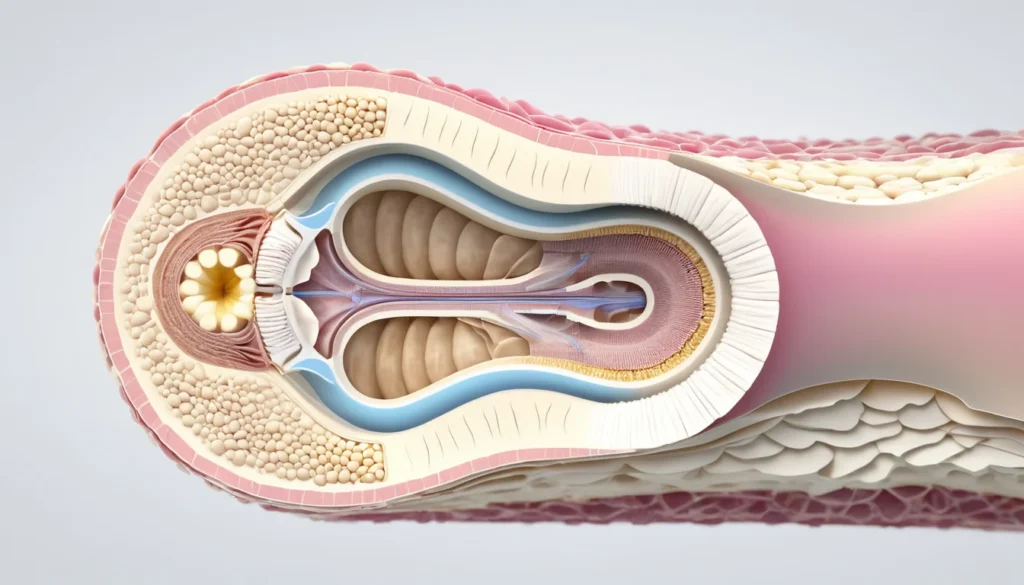
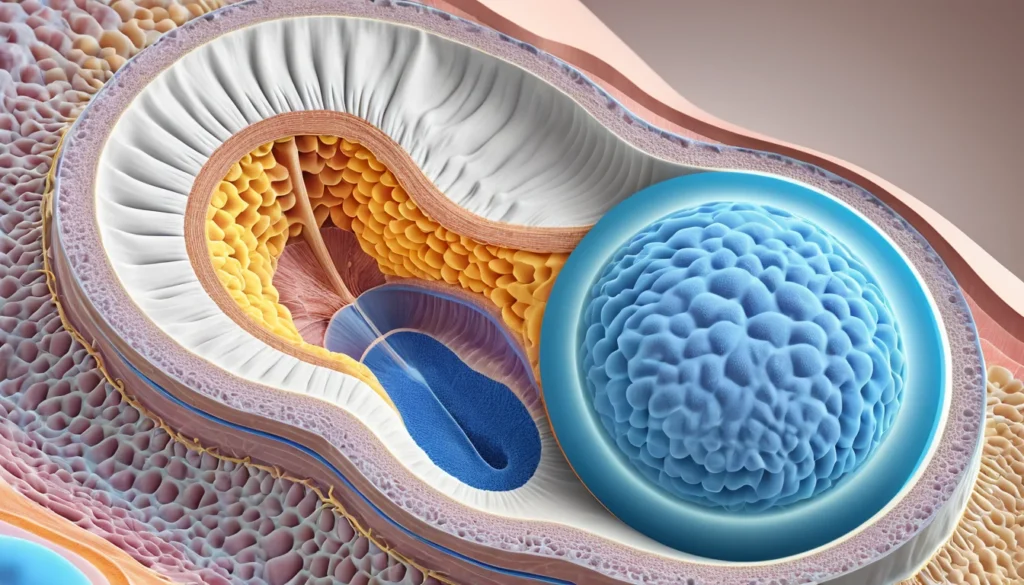
The penis contains flexible tissue that allows it to expand during an erection. In Peyronie’s disease, a hard plaque — or scar tissue — builds up inside this tissue. This scar does not stretch the way healthy tissue does. As a result, the penis bends toward the scarred area when erect.
The curve can point upward, downward, or to one side. Some men also notice their penis looks narrower or has an indent, sometimes called an “hourglass” shape. However, it is important to know that a slight natural curve is normal and is not a sign of Peyronie’s disease.
According to the Mayo Clinic’s overview of Peyronie’s disease, this condition affects roughly one in 100 men, though the true number may be higher because many men do not seek help.
Causes and Risk Factors
Doctors do not always know exactly what causes Peyronie’s disease. In many cases, repeated minor injury to the penis — during sex, physical activity, or even an accident — may trigger the scar tissue to form. The body tries to heal itself, but sometimes it overproduces collagen, which creates a hard plaque.
Not every man who injures his penis develops this condition. Certain factors seem to raise the risk:
Age: The condition is more common after age 40.
Genetics: A family history of the condition may increase your risk.
Connective tissue disorders: Men with Dupuytren’s contracture — a tightening of tissue in the hand — have a higher chance of developing Peyronie’s disease.
Healing problems: Some men’s bodies form excess scar tissue more easily than others.
Prostate surgery: Some research links prior prostate surgery to a higher risk.
Furthermore, smoking and certain health conditions like diabetes may also play a role in how the disease develops and progresses.
Symptoms of Peyronie’s Disease
Symptoms can appear suddenly or develop slowly over time. Every man’s experience with Peyronie’s disease is different. However, there are several common signs to watch for.
Physical Changes
The most noticeable symptom is a visible curve or bend in the penis during an erection. You may also feel a hard lump or thickened area along the shaft of the penis. This lump is often easier to feel when the penis is soft.
Some men notice a shortening of the penis over time. Others see changes in shape, such as indentations or a narrowing at a certain point. These changes can be distressing, but they are the body’s response to the scarring process.
Pain and Sexual Difficulties
Pain is common in the early stages of Peyronie’s disease. It may happen during erections, during sex, or even when the penis is soft. In some men, the pain eases or disappears after the first one to two years, even if the curve remains.
The curvature can make sexual intercourse difficult or painful — for both partners. Some men also experience trouble getting or keeping an erection. This is sometimes called erectile dysfunction, which means difficulty achieving or maintaining an erection firm enough for sex.
For more on how scar tissue affects sexual health, visit Healthline’s guide to Peyronie’s disease symptoms and treatment.
Stages of Peyronie’s Disease
Doctors generally divide Peyronie’s disease into two stages. Understanding which stage you are in helps guide treatment decisions.
Active Phase
In the active phase, the plaque is still forming. This is when pain and changes in curvature are most noticeable. The penis may continue to change shape during this period. This phase can last anywhere from six months to a year or more.
Stable Phase
In the stable phase, the plaque stops growing. The curvature stays the same and usually does not get worse. Pain often improves or disappears entirely during this phase. However, the bend in the penis remains unless treated.
It is helpful to know which phase you are in before starting treatment, as some options work better during one phase than the other. Your family doctor or a urologist can help make this determination.
How Is Peyronie’s Disease Diagnosed?
A doctor can usually diagnose Peyronie’s disease through a physical exam and a review of your health history. They will ask about when your symptoms started, how quickly they developed, and whether you have pain. This information helps determine which stage the condition is in.
Because symptoms are most visible during an erection, your doctor may ask you to bring a photograph taken at home. This is a normal and practical part of the assessment. Do not feel embarrassed — your doctor has seen this many times before.
Imaging Tests
In some cases, additional tests may be ordered. These can include:
Penile ultrasound (Doppler ultrasound): This test uses sound waves to check blood flow in the penis. It can show whether blood is reaching all areas of the penis properly during an erection.
X-ray: An X-ray may be used to look at the structure of the penis and locate any calcium deposits in the scar tissue.
These tests are not always necessary. Your doctor will decide which ones are appropriate based on your specific situation.
Treatment Options for Peyronie’s Disease
Treatment for Peyronie’s disease depends on the severity of symptoms and whether the condition is in the active or stable phase. In about 20% of cases, Peyronie’s disease improves on its own without any treatment. Therefore, doctors may recommend a “watchful waiting” approach at first.
Non-Surgical Treatments
Several medications have been used to manage Peyronie’s disease. These are generally more helpful in the active phase. Options may include:
Collagenase injections: A Health Canada–approved injectable enzyme called collagenase clostridium histolyticum (Xiaflex) can help break down the scar tissue. It is one of the most studied treatments available.
Verapamil injections: This medication is injected directly into the plaque. Some studies suggest it may help reduce curvature and pain.
Oral medications: Some doctors prescribe medications such as potassium aminobenzoate or colchicine. However, results have been mixed. No oral medication has proven to be highly effective for Peyronie’s disease on its own.
Vitamin E: Some older studies mentioned vitamin E as a possible aid, though current evidence does not strongly support it as a standalone treatment.
Penile traction therapy: A device gently stretches the penis over time. This may help reduce curvature in some men, especially during the active phase.
In addition, counselling for both partners can be very helpful. Peyronie’s disease can affect body image, self-esteem, and relationships. Talking to a mental health professional or a sex therapist may make a real difference in quality of life.
Surgical Treatments
Surgery is considered when Peyronie’s disease is severe and stable. Most doctors recommend waiting at least 12 months before pursuing surgery. There are several surgical options:
Plication (penile shortening): The unaffected side of the penis is shortened to match the scarred side, which straightens the penis. This is the least complex option but does result in some length loss.
Incision and grafting: The scar tissue is cut and a graft is placed to fill the gap. This approach can preserve more length but carries a slightly higher risk of complications.
Penile implant (prosthesis): For men who also have erectile dysfunction, a penile implant may be the best option. The implant straightens the penis and helps maintain an erection during sex.
Your urologist will discuss the risks and benefits of each option with you. All surgical procedures carry some risk, including changes in sensation and the possibility of further shortening.
When to See a Doctor
You should speak with your family doctor if you notice any unusual curvature, a lump along the shaft of your penis, or pain during erections. Do not wait and hope it goes away on its own, especially if symptoms are affecting your sex life or causing you distress.
If you do not have a family doctor, a walk-in clinic can provide an initial assessment and refer you to a urologist if needed. Urologists are specialists who treat conditions of the urinary and reproductive systems. Most provincial health plans in Canada cover a referral to a urologist for this condition.
Early diagnosis can make treatment more effective, particularly if you are still in the active phase. Furthermore, addressing the emotional and relationship impact early can also improve your overall wellbeing. As always, please consult your doctor or a qualified healthcare provider before starting any treatment for Peyronie’s disease.
You can also find reliable information through Health Canada’s official health resources to better understand your options within the Canadian healthcare system.
Frequently Asked Questions About Peyronie’s Disease
Can Peyronie’s disease go away on its own?
In about 20% of cases, Peyronie’s disease does improve without treatment. However, in most men the curvature remains stable or worsens if left untreated. It is best to speak with your doctor so they can monitor the condition and recommend the right approach for you.
Is Peyronie’s disease painful?
Pain is most common during the active phase of Peyronie’s disease, especially during erections. For many men, the pain eases or disappears as the condition moves into the stable phase, usually after one to two years. However, the curvature may remain even after the pain is gone.
What causes Peyronie’s disease?
Peyronie’s disease is most often caused by repeated minor injuries to the penis that lead to abnormal scar tissue formation. Genetics, age, and certain connective tissue disorders can also increase the risk. In some cases, no clear cause is identified.
How is Peyronie’s disease treated in Canada?
Treatment options in Canada include injectable medications like collagenase (Xiaflex), penile traction devices, and surgery for severe or stable cases. Your family doctor can refer you to a urologist, and most provincial health plans cover this type of referral. The best treatment depends on the stage and severity of your condition.
Does Peyronie’s disease affect fertility?
Peyronie’s disease does not directly affect fertility or sperm production. However, severe curvature or erectile dysfunction caused by the condition may make it difficult to have intercourse. If you are concerned about fertility, speak with your doctor or a specialist.
At what age does Peyronie’s disease usually develop?
Peyronie’s disease is most commonly diagnosed in men between the ages of 40 and 70. However, it can occur in younger men as well. If you notice symptoms at any age, it is worth discussing them with your family doctor or visiting a walk-in clinic.
Key Takeaways
Peyronie’s disease is caused by scar tissue inside the penis that creates an abnormal curve, especially during an erection.
Symptoms include a visible bend or curve, a hard lump along the shaft, pain during erections, and sometimes erectile dysfunction.
The condition has two phases: an active phase (changing symptoms, possible pain) and a stable phase (symptoms settle, pain often improves).
About 20% of cases improve without treatment, but most men benefit from medical attention.
Treatment options range from injectable medications and traction devices to surgery, depending on severity and stage.
Counselling and open communication with your partner can help manage the emotional impact of the condition.
See your family doctor or visit a walk-in clinic if you notice any symptoms. A referral to a urologist is covered under most provincial health plans in Canada.
Always consult a qualified healthcare provider before starting any treatment.