The Perricone diet is an anti-aging eating plan that focuses less on losing weight and more on reducing inflammation throughout the body. Developed by a dermatologist, this programme combines specific foods, nutritional supplements, and skincare products. Supporters claim it can make you look younger, boost your mood, and lower your risk of heart disease and cancer. However, some of these claims are more controversial than others — and Canadians should take a close look before diving in.
What Is the Perricone Diet?
Unlike most popular diets, the Perricone diet is not primarily about cutting calories or losing weight. Instead, it is built around the idea that inflammation in the body is the root cause of ageing and many chronic diseases. By eating the right foods and avoiding others, the programme claims you can slow down the ageing process from the inside out.
The plan has three main pillars. First, you follow a specific anti-inflammatory eating plan. Second, you take daily vitamins and mineral supplements. Third, you follow a dedicated skincare routine. All three steps are meant to work together to improve your health and appearance.
In addition to these pillars, the programme recommends at least 20 to 30 minutes of physical activity every day. Regular movement supports heart health, bone density, and mental wellbeing — goals that align well with Health Canada’s general wellness guidelines.
The Perricone Diet: Foods to Eat and Foods to Avoid
Foods Encouraged on the Perricone Diet
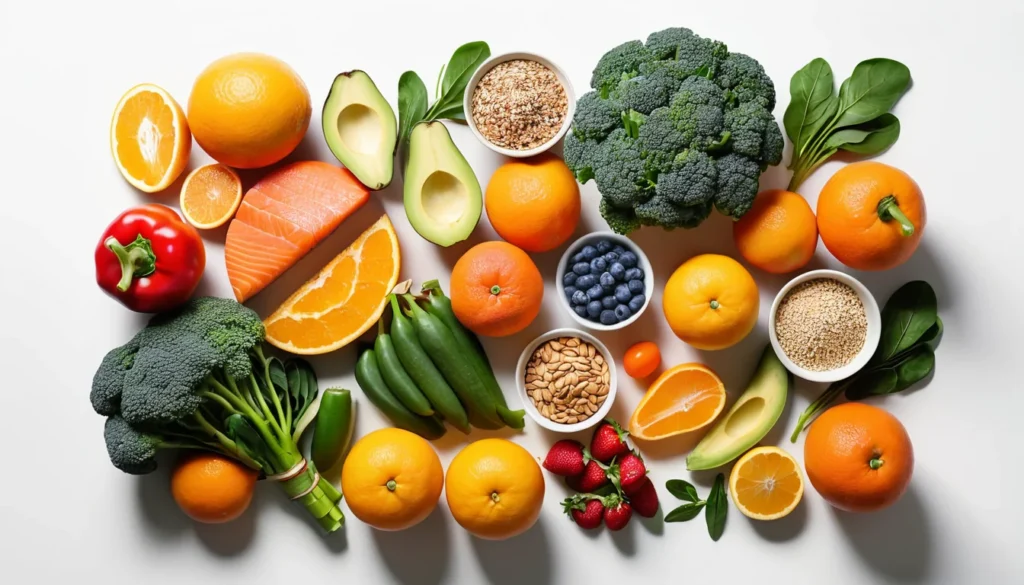
The Perricone diet puts a strong emphasis on foods rich in Omega-3 fatty acids and antioxidants. These nutrients are widely supported by nutrition science for their role in reducing inflammation and protecting cells. The following foods are central to the plan:
Wild-caught salmon (not farmed) — the cornerstone of this diet
Other fatty fish such as tuna and carp
Shellfish and other seafood
Dark leafy greens, broccoli, asparagus, mushrooms, and tomatoes
Berries such as blueberries, strawberries, and raspberries
Cherries, apples, pears, and cantaloupe
Herbs and spices including oregano, thyme, cayenne pepper, and basil
Plain oats (as a breakfast exception among grains)
Eight to ten glasses of still water per day
Salmon is so central to this plan that followers are encouraged to eat it twice a day. For those who do not enjoy salmon, the suggestion is to cut it into small cubes and swallow it like a supplement. Proteins are always eaten before carbohydrates at each meal.
Foods Restricted or Banned
The list of restricted foods is quite long. The Perricone diet eliminates anything believed to trigger an inflammatory response in the body. Many of these are high-glycemic foods — meaning they raise blood sugar quickly. Foods to avoid include:
White bread, French baguettes, and croissants
Most breakfast cereals (except plain oats)
Fruit juices
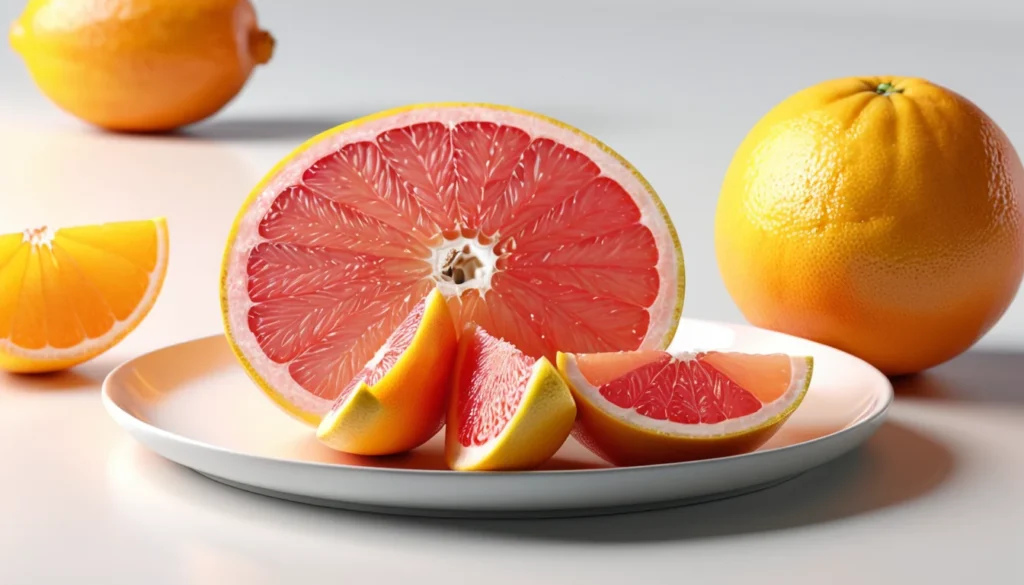
High-sugar fruits such as grapes, mangoes, oranges, papaya, raisins, and watermelon
Starchy vegetables such as carrots, potatoes, and squash
Pasta and noodles
Salt, including low-sodium or dietary salt
The plan also calls for five meals a day — breakfast, lunch, dinner, and two snacks. Each meal should include what the plan calls “superfoods,” with blueberries and salmon appearing at every opportunity.
The Science Behind the Perricone Diet
What the Research Actually Supports
Some parts of the Perricone diet do have solid scientific backing. A large body of research confirms that chronic inflammation plays a role in many serious health conditions. These include cardiovascular disease, arthritis, and certain cancers. You can read more about inflammation and diet at the Mayo Clinic’s guide to anti-inflammatory eating.
Omega-3 fatty acids, found abundantly in fatty fish like salmon, are well-studied nutrients. Research shows they reduce inflammation, support brain health, improve mood, and lower the risk of heart disease. Furthermore, antioxidant-rich foods like berries and dark leafy greens are consistently linked to better long-term health outcomes.
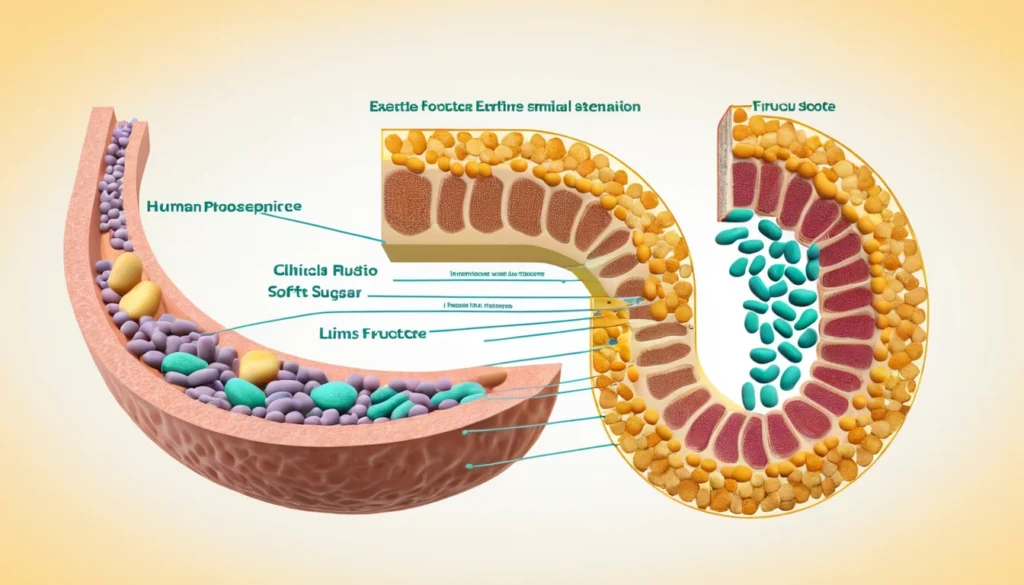
The glycemic index (GI) concept used in this diet also has real science behind it. The GI measures how quickly a food raises blood sugar levels. High-GI foods — like white bread and sugary drinks — cause rapid spikes in blood glucose. Over time, diets high in refined carbohydrates are linked to a greater risk of obesity and type 2 diabetes.
Where the Claims Become Controversial
However, the Perricone diet goes further than the science clearly supports. While Omega-3s and antioxidants are genuinely beneficial, the claim that this specific diet can add ten years to your life is not backed by strong experimental evidence. Researchers agree that more studies are needed before any diet can make such bold promises.
The glycemic index itself is also more nuanced than the diet suggests. When foods are combined in a meal, the overall GI of that meal changes. A high-GI food eaten alongside fibre, protein, or fat will raise blood sugar far less dramatically than it would on its own. As a result, blanket bans on specific foods based on GI alone are considered an oversimplification by many nutrition experts.
Some of the programme’s language has also drawn criticism. Describing wrinkles as “wounds” or calling sugar “toxic” uses dramatic framing that goes beyond what nutrition evidence actually shows. Statements like these can create unnecessary fear around normal foods and eating habits.
The Supplement and Skincare Concerns
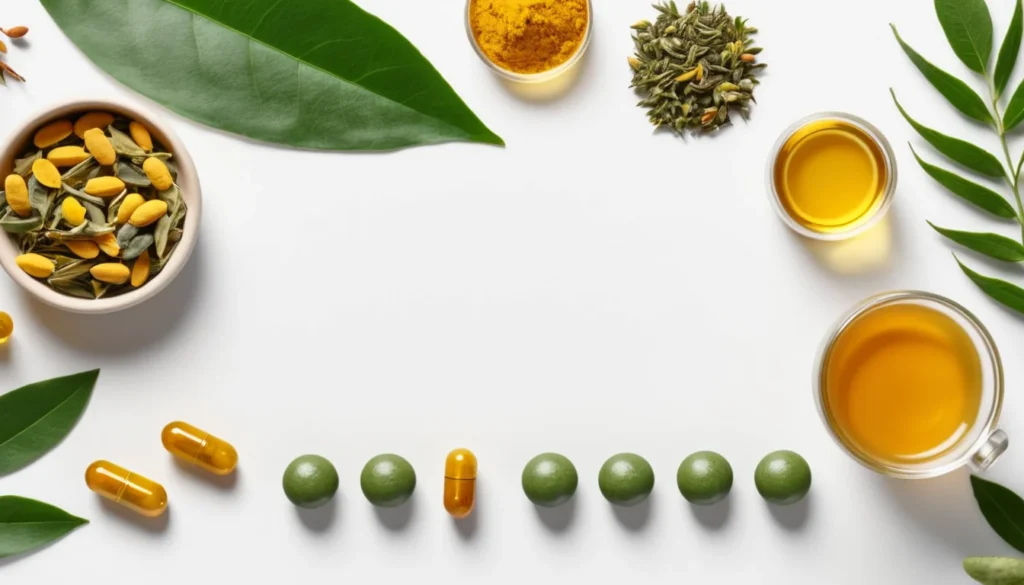
One aspect of the Perricone diet that deserves careful attention is its heavy reliance on branded supplements. The plan recommends more than 25 nutritional supplements per day — all from the creator’s own product line. This raises a clear conflict of interest.
In Canada, dietary supplements are not regulated the same way medications are. Health Canada does oversee natural health products, but the evidence supporting many specific supplement combinations at such high doses is limited. Before starting any supplement regimen, it is important to speak with your family doctor or a registered dietitian.
Similarly, the branded skincare line recommended alongside the diet is expensive and proprietary. Many dermatologists note that a basic moisturising routine with sun protection offers significant skin benefits without a premium price tag. According to Healthline’s review of anti-aging diets, food choices matter for skin health, but no single product line has been proven superior.
Is the Perricone Diet Practical for Canadians?
Following the Perricone diet in Canada comes with some practical challenges. Wild-caught salmon is more accessible in coastal provinces like British Columbia and Nova Scotia, but it can be expensive and harder to find year-round in other regions. Eating salmon twice a day is a significant commitment — both financially and logistically.
The strict list of banned foods also makes this plan difficult to sustain long-term. Social eating, family meals, and everyday Canadian foods like whole-grain bread or orange juice are either restricted or eliminated entirely. Nutrition experts generally agree that a diet you cannot maintain over time will not deliver lasting benefits.
That said, many of the core principles — eating more fatty fish, adding more vegetables and berries, drinking more water, and cutting back on refined carbohydrates — are sound advice that aligns with general healthy eating guidance. You do not necessarily need to follow the full Perricone programme to benefit from these habits.
When to See a Doctor or Dietitian
If you are thinking about trying the Perricone diet, it is a good idea to speak with your family doctor first. This is especially important if you have existing health conditions such as diabetes, kidney disease, heart disease, or any food allergies. Your doctor can help you understand which parts of this plan might benefit you and which could cause problems.
A registered dietitian can also help you build a balanced eating plan based on your personal health needs and goals. Many provincial health plans in Canada cover some nutrition counselling — check with your provincial health authority or ask at your next appointment. If you do not have a family doctor, a walk-in clinic can be a helpful starting point for a referral.
Never start a high-dose supplement programme without professional guidance. More than 25 supplements daily, as recommended in this plan, can interact with medications and may cause side effects. Always consult a healthcare provider before making significant changes to your diet or supplement routine.
Frequently Asked Questions About the Perricone Diet
What is the Perricone diet and how does it work?
The Perricone diet is an anti-inflammatory eating plan designed to slow the ageing process. It works by eliminating high-glycemic foods thought to cause cellular inflammation and replacing them with Omega-3-rich foods like wild-caught salmon, berries, and leafy greens. The programme also includes daily supplements and a skincare routine.
Does the Perricone diet actually help with weight loss?
Weight loss is not the primary goal of the Perricone diet, though some followers do lose excess weight as a side effect. The plan focuses mainly on reducing inflammation and slowing ageing rather than calorie restriction. Any weight changes are generally the result of cutting refined carbohydrates and processed foods.
Is the Perricone diet safe to follow in Canada?
For most healthy adults, the food-based parts of the Perricone diet — such as eating more fish, vegetables, and berries — are generally safe. However, the recommendation to take more than 25 supplements daily raises safety concerns and should be discussed with a Canadian family doctor or registered dietitian before starting.
What foods are not allowed on the Perricone diet?
The Perricone diet restricts many common foods, including white bread, pasta, fruit juice, most breakfast cereals, starchy vegetables like potatoes, and high-sugar fruits like grapes and oranges. Salt is also eliminated from the plan. The diet is considered quite strict compared to most mainstream eating programmes.
How does the Perricone diet compare to other anti-inflammatory diets?
The Perricone diet shares many principles with other anti-inflammatory diets, such as the Mediterranean diet, including an emphasis on fatty fish, vegetables, and healthy fats. However, it is stricter, relies heavily on branded supplements, and makes broader anti-ageing claims that are not as well supported by independent research. The Mediterranean diet has a stronger base of long-term scientific evidence.
Can I follow parts of the Perricone diet without buying the supplements?
Yes — many nutrition experts suggest that the food-based principles of the Perricone diet can be adopted without purchasing the proprietary supplement line. Eating more wild-caught salmon, adding antioxidant-rich berries, increasing vegetable intake, and reducing refined carbohydrates are all evidence-based habits. Talk to a registered dietitian to build a plan tailored to your needs.
Key Takeaways
The Perricone diet is an anti-inflammatory eating plan focused on slowing ageing rather than losing weight.
It centres on wild-caught salmon, berries, leafy greens, and other Omega-3 and antioxidant-rich foods.
High-glycemic foods like white bread, pasta, fruit juice, and starchy vegetables are eliminated.
Some core principles — such as eating more Omega-3s and antioxidants — are supported by solid research.
Broader claims about reversing ageing and adding years to your life are not well supported by independent evidence.
The requirement to take more than 25 branded supplements daily is expensive and raises safety concerns.
Many of the diet’s healthy food habits can be adopted without following the full programme or buying proprietary products.
Always speak with your family doctor or a registered dietitian before making major changes to your diet or starting a supplement programme.