Peritonitis symptoms can appear suddenly and escalate into a life-threatening emergency if left untreated. This serious infection targets the peritoneum — the thin tissue lining the inside of your abdomen and covering your internal organs — and requires immediate medical attention for the best chance of recovery.
Recognizing Peritonitis Symptoms: Warning Signs You Shouldn’t Ignore
Understanding the causes and treatment of peritonitis is essential for every Canadian. Whether triggered by a ruptured appendix, a complication of peritoneal dialysis, or an underlying liver condition, peritonitis can spread rapidly through the bloodstream. In this guide, we explain what Canadian patients need to know about recognizing the warning signs, how doctors diagnose the condition, and what treatment options are available across Canada’s healthcare system.
What Is Peritonitis?
Common Peritonitis Symptoms: Description and Severity Guide
| Symptom | Description | Severity Level |
|---|---|---|
| Severe Abdominal Pain | Sudden, intense pain that worsens with movement or touch; abdomen may feel rigid or board-like | Severe — Requires immediate emergency care |
| Fever and Chills | High fever (above 38.5°C) accompanied by shaking chills, indicating systemic infection | Moderate to Severe — Key sign of spreading infection |
| Nausea and Vomiting | Persistent nausea with repeated vomiting; inability to keep fluids down leading to dehydration | Moderate — Worsens overall condition rapidly |
| Abdominal Bloating | Visible distension of the abdomen caused by inflammation and fluid accumulation in the peritoneal cavity | Moderate to Severe — Indicates significant inflammation |
| Loss of Bowel Activity | Absence of bowel sounds, inability to pass gas or stool; signs of paralytic ileus due to peritoneal irritation | Severe — Signals serious gastrointestinal complications |
| Fatigue and Confusion | Extreme weakness, low blood pressure, and altered mental status; may indicate septic shock in advanced cases | Critical — Requires urgent intensive care intervention |
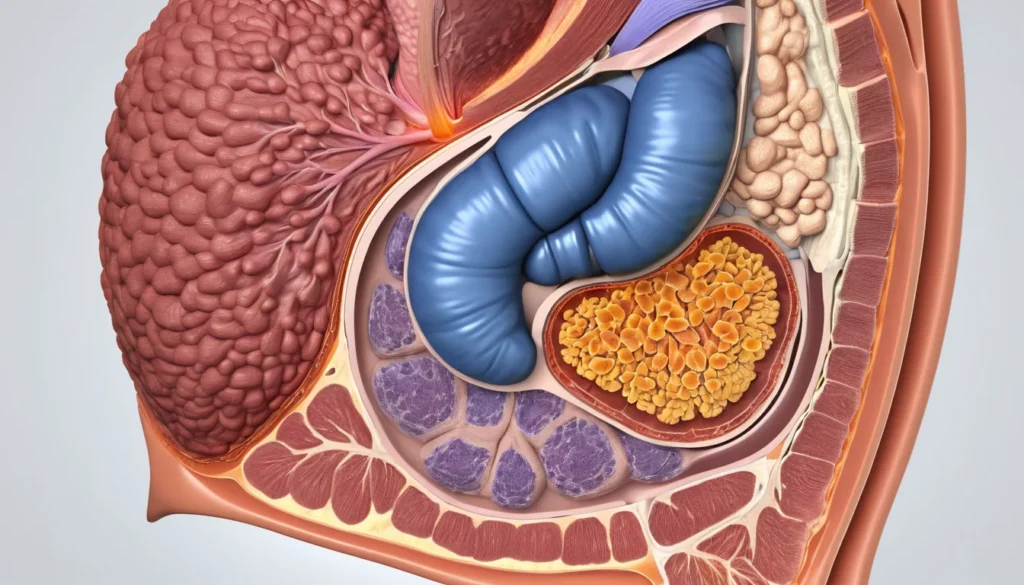
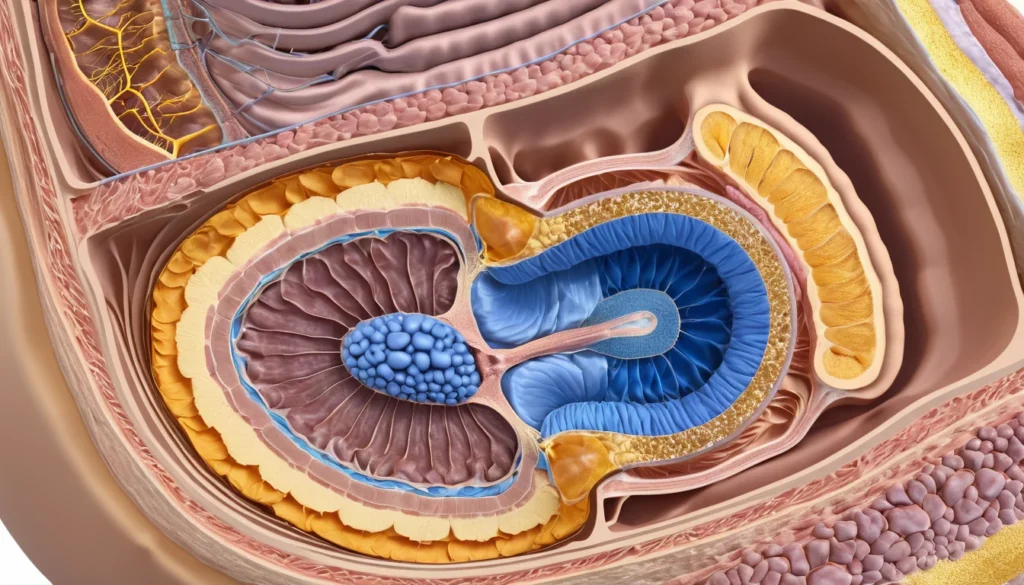
The peritoneum acts as a protective lining around your abdominal organs. It also creates a shared cavity that keeps your organs in place. When this lining becomes inflamed or infected, the condition is called peritonitis.
Peritonitis is a medical emergency. Every hour without treatment increases the risk of serious complications, including death. If you or someone near you shows signs of this condition, call 911 or go to your nearest emergency room immediately.
Types of Peritonitis
There are three main types of peritonitis. Each type has different causes, but all three require emergency medical care.
Spontaneous Bacterial Peritonitis (SBP)
Spontaneous bacterial peritonitis occurs when fluid inside the abdominal cavity becomes infected on its own. This type is most common in people with liver disease or kidney failure. It is often the most severe form of peritonitis.
Secondary Peritonitis
Secondary peritonitis develops when an infection in the digestive tract spreads to the peritoneum. For example, a ruptured appendix or a perforated bowel can release bacteria directly into the abdominal cavity. This triggers a rapid, widespread infection.
Aseptic (Sterile) Peritonitis
Aseptic peritonitis is a special case. It is not caused by an infection. Instead, it results from irritating substances — such as bile or blood — entering the abdominal cavity and causing inflammation without bacteria being present.
Common Causes of Peritonitis
Peritonitis usually happens when bacteria or fungi enter the abdominal cavity. However, several medical conditions and injuries can trigger this. Understanding the causes can help you recognize your risk.
Abdominal Injuries and Perforations
Any deep wound or trauma to the abdomen can introduce bacteria into the peritoneal cavity. A puncture wound, a foreign object in the abdominal wall, or blunt trauma that ruptures an organ can all lead to peritonitis.
In addition, several internal conditions can cause a perforation. These include:
Ruptured appendix — One of the most common causes
Perforated gastric ulcer — A stomach ulcer that breaks through the stomach wall
Perforated colon — Often linked to diverticulitis or bowel disease
Diverticulitis — Infected pouches in the colon wall that rupture
Pancreatitis — Inflammation of the pancreas that spreads
Crohn’s disease — A chronic inflammatory bowel condition
Liver and Gallbladder Conditions
Liver diseases such as cirrhosis significantly raise the risk of spontaneous bacterial peritonitis. Gallbladder infections can also spread bacteria into the abdominal cavity. Furthermore, pelvic inflammatory disease in women can spread upward into the peritoneum.
Medical Procedures
Certain invasive medical procedures carry a small but real risk of peritonitis. Peritoneal dialysis is the most common procedure-related cause. This treatment uses two drain tubes (dialysis catheters) to remove waste products from the blood when the kidneys can no longer do so.
Poor hygiene or contaminated dialysis equipment can allow bacteria to travel through these tubes into the abdominal cavity. People on peritoneal dialysis should follow strict hygiene protocols and report any changes to their healthcare team right away.
In very rare cases, procedures such as gastroscopy or colonoscopy can also lead to peritonitis. Abdominal surgeries may also result in peritonitis as a post-operative complication.
For more information on abdominal health conditions, visit Health Canada’s official health resources.
Signs and Symptoms of Peritonitis
Symptoms of peritonitis can vary depending on the cause. However, certain warning signs are very common. Recognizing these early can save your life.
Physical Symptoms
The most telling sign is a rigid, board-like abdomen. Your abdominal muscles tighten to protect the inflamed area underneath. This rigidity is often accompanied by severe pain that worsens when you move or when someone presses on your belly.
Other common physical symptoms include:
Bloating and abdominal distension — Your belly may look swollen or feel full
Nausea and vomiting
Diarrhoea or constipation
Little or no passing of gas
Decreased urination (oliguria) — Producing less urine than normal
Extreme thirst
Fatigue and weakness
Fever and chills
Symptoms in People on Peritoneal Dialysis
If you are already on peritoneal dialysis, watch your dialysis fluid closely. If it turns cloudy or contains white-yellow particles, this is a warning sign of peritonitis. You may also notice redness, swelling, or pain around the catheter site.
Contact your dialysis centre or nephrology team immediately if you notice these changes. Do not wait for your next scheduled appointment.
How Peritonitis Is Diagnosed
If a doctor suspects peritonitis, they will act quickly. Diagnosis usually begins with a physical exam, followed by lab tests and imaging.
Physical Examination
Your doctor will press gently on different areas of your abdomen. This helps identify where the pain is most intense and whether your abdomen feels rigid. While this may be uncomfortable, it gives important clinical information.
Blood Tests
A complete blood count (CBC) checks your white blood cell levels. A high white blood cell count confirms that your body is fighting an infection. Doctors also run blood cultures to identify the specific bacteria causing the infection, as well as coagulation and biochemistry panels.
Imaging Tests
A CT scan (computed tomography) or X-ray can reveal perforations, deep lesions, or air inside the abdominal cavity — all signs of peritonitis. These imaging tools help doctors pinpoint the source of the problem before surgery.
Peritoneal Fluid Analysis
If fluid has collected in the abdomen — a condition called ascites — your doctor may insert a thin needle to draw a small sample. This fluid is then sent to a laboratory. The results help confirm peritonitis and identify which of the three types it is.
Learn more about how abdominal conditions are assessed at Mayo Clinic’s peritonitis overview.
Treatment Options for Peritonitis
Peritonitis treatment must begin as quickly as possible. The goal is to eliminate the infection, repair any damage, and prevent complications. Treatment always happens in a hospital setting.
Immediate Medical Treatment
Doctors will start intravenous (IV) antibiotics right away to fight the infection. They will also give IV pain medication to manage discomfort. Fluids are given through an IV line to prevent dehydration and support blood pressure.
Emergency Surgery
In many cases, surgery is necessary. For example, a ruptured appendix, a perforated bowel, or a burst stomach ulcer all require immediate surgical repair. Surgeons remove the infected tissue and close the perforation to stop further contamination.
Changes to Dialysis
Patients who develop peritonitis due to peritoneal dialysis will need to switch dialysis methods. In most cases, they will move to haemodialysis while the infection clears. Your nephrologist and care team will guide this transition.
Treatment must begin promptly. Delays significantly increase the risk of septic shock and death. According to the World Health Organization’s guidance on sepsis, infections that spread to the bloodstream can become fatal within hours.
Complications of Untreated Peritonitis
Without prompt treatment, peritonitis becomes far more dangerous. The infection spreads from the abdomen into the bloodstream. This causes a condition called septic shock — a life-threatening emergency where blood pressure drops and organs begin to fail rapidly.
Other serious complications include:
Hepatic encephalopathy — The liver fails to remove toxins from the blood, and those toxins damage the brain. Symptoms include confusion, memory loss, and loss of consciousness.
Hepatorenal syndrome — Severe liver damage leads to kidney failure as well. Both organs stop functioning properly at the same time.
Multi-organ failure — As the infection spreads, the heart, lungs, and kidneys may all begin to shut down.
These complications are the reason peritonitis must be treated as a medical emergency, without exception.
When to See a Doctor
Any sudden, severe abdominal pain should be taken seriously. Do not wait to book an appointment with your family doctor. Call 911 or go to your nearest hospital emergency department immediately if you notice:
A hard, rigid abdomen
Severe abdominal pain that worsens with movement or touch
Fever combined with abdominal pain
Vomiting with no improvement
Cloudy dialysis fluid or pain around a catheter site
If your symptoms are mild and you are unsure, a walk-in clinic can assess you quickly. However, if you feel very unwell or your pain is severe, go straight to the emergency room. Every provincial health plan in Canada covers emergency hospital care, so cost should never be a barrier to seeking help.
Always speak with a qualified healthcare provider about your specific situation. The information in this article is for general educational purposes only and does not replace professional medical advice.
Frequently Asked Questions About Peritonitis
What are the early warning signs of peritonitis?
The earliest signs of peritonitis include sudden, severe abdominal pain and a rigid or board-like belly. You may also develop fever, nausea, and vomiting. If you notice these symptoms together, seek emergency medical care right away — peritonitis progresses quickly.
Can peritonitis be fatal?
Yes, peritonitis can be fatal if it is not treated promptly. Without treatment, the infection can spread to the bloodstream and cause septic shock, which can lead to multi-organ failure and death. Fast diagnosis and treatment greatly improve survival outcomes.
What causes peritonitis after a ruptured appendix?
When the appendix ruptures, its contents — including bacteria — spill into the abdominal cavity. This triggers a rapid, widespread infection of the peritoneum. A ruptured appendix is one of the most common causes of peritonitis and always requires emergency surgery.
Is peritonitis linked to dialysis?
Yes, peritoneal dialysis is one of the most common procedure-related causes of peritonitis. Bacteria can enter the abdominal cavity through the dialysis catheter, especially if hygiene is poor or equipment is contaminated. Patients on peritoneal dialysis should watch for cloudy fluid or pain near the catheter site.
How is peritonitis treated in Canada?
In Canada, peritonitis is treated in a hospital emergency setting with IV antibiotics, IV fluids, and pain management. Many cases also require emergency surgery to repair the source of infection, such as a perforated bowel or ruptured appendix. Emergency hospital care is covered under all provincial health plans.
How long does it take to recover from peritonitis?
According to Mayo Clinic’s overview of peritonitis, this information is supported by current medical research.
For more information, read our guide on what your CBC blood test results mean.
Recovery from peritonitis depends on how quickly treatment begins and how severe the infection is. Most patients spend at least several days in hospital receiving IV antibiotics and monitoring. Full recovery, including recovery from surgery, can take several weeks.
Key Takeaways
Peritonitis is a serious infection of the abdominal lining that can be life-threatening without fast treatment.
There are three types: spontaneous bacterial peritonitis, secondary peritonitis, and aseptic peritonitis.
Common causes include a ruptured appendix, perforated ulcer, bowel perforation, and peritoneal dialysis complications.
Key symptoms include a rigid abdomen, severe abdominal pain, fever, nausea, and vomiting.
Diagnosis involves blood tests, imaging such as CT scans, and peritoneal fluid analysis.
Treatment includes IV antibiotics, fluids, pain management, and often emergency surgery.
Untreated peritonitis can lead to septic shock, organ failure, and death.
If you experience severe abdominal pain, call 911 or go to the nearest emergency room immediately. Emergency care is covered by all provincial health plans in Canada.
Frequently Asked Questions
What is peritonitis?
Peritonitis is a serious inflammation of the peritoneum, the thin tissue lining the inner abdominal wall and covering most abdominal organs. It is usually caused by a bacterial or fungal infection and requires immediate medical treatment. Without prompt care, peritonitis can become life-threatening within hours.
What are the main peritonitis symptoms to watch for?
Common peritonitis symptoms include severe abdominal pain that worsens with movement, abdominal tenderness and rigidity, fever, nausea, vomiting, bloating, and loss of appetite. Some people also experience fatigue, decreased urine output, and rapid heartbeat. These symptoms typically develop suddenly and progressively worsen.
How is peritonitis treated in Canada?
Peritonitis is treated as a medical emergency in Canadian hospitals. Treatment typically involves intravenous antibiotics to fight infection, surgery to remove infected tissue or repair a perforated organ, and supportive care including IV fluids. Early intervention is critical to prevent sepsis, organ failure, and death.
When should I go to the emergency room for peritonitis symptoms?
Go to the emergency room immediately if you experience sudden, severe abdominal pain, a rigid or board-like abdomen, high fever with chills, or inability to pass gas or stool. These are warning signs of peritonitis requiring urgent care. Do not eat, drink, or take pain medication before seeking help.
Can peritonitis be prevented?
Peritonitis can often be prevented by promptly treating underlying conditions like appendicitis, perforated ulcers, or abdominal infections before they worsen. People on peritoneal dialysis should follow strict sterile techniques. Seeking early medical attention for any sudden, unexplained abdominal pain significantly reduces the risk of developing peritonitis.