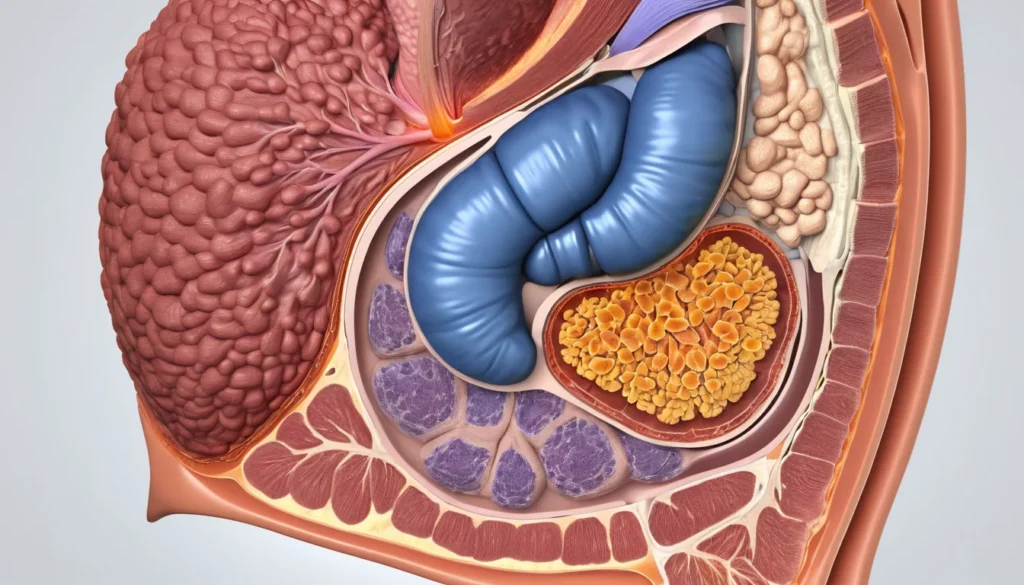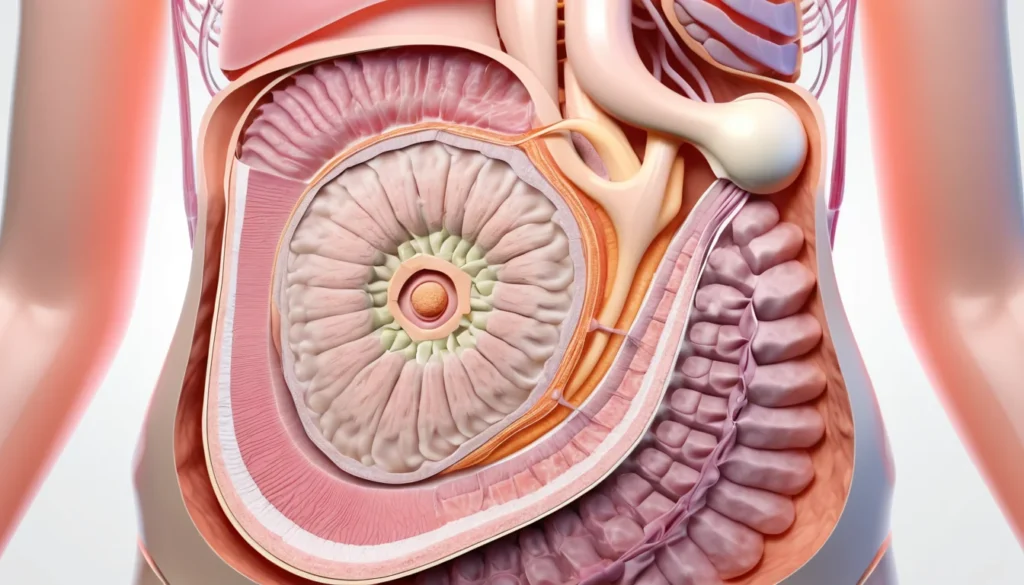
Peritonitis symptoms can escalate rapidly and require immediate emergency care — making early recognition potentially life-saving for Canadians. Peritonitis is a serious infection of the peritoneum, the thin tissue lining that protects your abdominal wall and internal organs. When bacteria or fungi breach this lining, the resulting inflammation can become fatal without swift medical intervention.
Recognizing Peritonitis Symptoms: Warning Signs You Should Never Ignore
Understanding the causes and treatment of peritonitis is essential, especially within the Canadian healthcare system where timely access to emergency services can make the difference between recovery and severe complications. This guide covers everything you need to know — from the earliest warning signs of peritonitis to how Canadian hospitals diagnose and treat this dangerous abdominal infection.
What Is Peritonitis?
Common Peritonitis Symptoms: Severity Guide and When to Seek Care in Canada
| Symptom | Description | Severity Level | Action Required |
|---|---|---|---|
| Severe Abdominal Pain | Sudden, intense pain across the abdomen that worsens with movement or touch; the most hallmark peritonitis symptom | Critical | Call 911 or go to the nearest emergency department immediately |
| Abdominal Rigidity and Tenderness | Hardening or board-like stiffness of the abdominal wall; extreme tenderness when the abdomen is pressed or released (rebound tenderness) | Critical | Emergency care required — do not wait |
| Fever and Chills | High fever (above 38.5°C) accompanied by chills, indicating the body is fighting a serious infection or sepsis | Severe | Seek emergency care immediately |
| Nausea, Vomiting, and Bloating | Persistent nausea and vomiting alongside abdominal distension; may indicate bowel obstruction or paralytic ileus | Moderate to Severe | Go to the emergency department promptly |
| Inability to Pass Gas or Stool | Absence of bowel sounds and inability to pass gas or have a bowel movement, suggesting intestinal paralysis | Severe | Seek immediate emergency evaluation |
| Fatigue, Rapid Heart Rate, and Low Blood Pressure | Extreme weakness, tachycardia, and hypotension signalling possible septic shock — a life-threatening complication | Critical | Call 911 immediately; this is a medical emergency |
The peritoneum acts like a protective wrap around your abdominal organs. When it becomes infected or inflamed, the result is peritonitis. There are two main types: primary and secondary.
Primary peritonitis is rare, accounting for less than 1% of all cases. It happens when an infection spreads through the bloodstream or lymph nodes and reaches the peritoneum. This type is most common in people with liver disease.
Secondary peritonitis is far more common. It occurs when bacteria, bile, or digestive enzymes leak into the abdominal cavity through a tear or rupture in an organ. Both types are medical emergencies. According to Mayo Clinic’s overview of peritonitis, the condition requires immediate emergency care.
Signs and Symptoms of Peritonitis
Peritonitis symptoms come on quickly and can worsen fast. Recognizing them early could save your life.
The most common symptoms include:
Sudden, severe abdominal pain that gets worse when you move
Abdominal swelling and tenderness to the touch
Fever and chills
Nausea and vomiting
Extreme thirst
Reduced urine output
Inability to pass gas or have a bowel movement
These symptoms can overlap with other digestive conditions. However, with peritonitis, the pain is usually intense and comes on suddenly. Do not wait to see if it passes — go to your nearest emergency department right away.
Common Causes of Peritonitis
Understanding what causes peritonitis helps explain why it is so dangerous. The infection can start in several different ways.
Causes of Primary Peritonitis
Primary peritonitis usually develops as a complication of liver disease. When the liver is not working properly, fluid builds up in the abdomen. This fluid creates a warm, nutrient-rich environment where bacteria can thrive and multiply quickly.
Causes of Secondary Peritonitis
Secondary peritonitis happens when something inside the abdomen tears or ruptures, allowing its contents to spill out. Common causes include:
Appendicitis — a ruptured appendix is one of the most frequent causes
Stomach ulcers — a perforated ulcer lets stomach acid leak into the abdominal cavity
Pancreatitis — inflammation of the pancreas can lead to leakage of digestive enzymes
Crohn’s disease or ulcerative colitis — these inflammatory bowel diseases can cause the intestinal wall to weaken and rupture
Diverticulitis — infected pouches in the colon can burst
Bowel obstruction or twisting — this cuts off blood supply and can cause tissue to die
Abdominal injury or surgery — trauma or a complication during surgery can introduce bacteria
Peritoneal dialysis — people using dialysis that filters blood through abdominal vessels have a higher risk of infection
As noted by Healthline’s guide to peritonitis causes and risk factors, inflammatory bowel conditions like Crohn’s disease significantly raise the risk of developing this complication.
Risk Factors for Peritonitis
Some people are more likely to develop peritonitis than others. Knowing your risk factors helps you stay alert to warning signs.
Risk Factors for Primary Peritonitis
Liver disease or cirrhosis
Fluid accumulation in the abdomen (ascites)
A weakened immune system
Pelvic inflammatory disease
Risk Factors for Secondary Peritonitis
Appendicitis
Stomach or intestinal ulcers
Pancreatitis
Inflammatory bowel disease, including Crohn’s disease and ulcerative colitis
Previous abdominal surgery
Peritoneal dialysis
Abdominal trauma or injury
If you have any of these conditions and develop sudden abdominal pain, treat it as an emergency. Furthermore, people on peritoneal dialysis should follow strict sterile technique to reduce infection risk.
How Is Peritonitis Diagnosed?
Because peritonitis can become life-threatening within hours, doctors act quickly to confirm the diagnosis. Your doctor will begin with a physical exam, pressing on your abdomen to check for tenderness, swelling, or signs of fluid buildup. They will also check your breathing, blood pressure, and look for signs of dehydration.
In addition to the physical exam, your medical team will likely order several tests:
Blood tests — to detect bacteria or signs of infection in the bloodstream
Abdominal fluid sample — a small needle draws fluid from the abdomen to identify the bacteria causing the infection
CT scan — identifies fluid buildup, infected organs, or perforations
X-ray — detects air in the abdominal cavity, which signals that an organ has been perforated
These tests help the medical team decide whether emergency surgery is needed and where the infection is coming from. Speed is critical — every hour matters with peritonitis.
Treatment for Peritonitis
Peritonitis treatment always requires hospitalization. There is no home remedy or supplement that can treat this condition. If you or someone you know has symptoms of peritonitis, call 911 or go directly to a hospital emergency department.
Surgery
Most cases of secondary peritonitis require emergency surgery. The goal is to remove the source of the infection. For example, surgeons may remove a ruptured appendix, repair a perforated ulcer, or drain an abscess. Infected tissue is removed, and affected organs are treated or repaired.
Antibiotics
Your doctor will prescribe antibiotics to kill the bacteria causing the infection and to prevent it from spreading further. The type of antibiotic depends on which bacteria are responsible. Antibiotics are usually given through an IV in hospital before being continued orally during recovery.
Supportive Care and Recovery
After surgery and initial treatment, recovery takes time. Your healthcare team may recommend supportive care, including IV fluids, pain management, and close monitoring of your organ function. Once you are recovering well, healthy eating habits can support healing.
A balanced, nutrient-rich diet can help your body recover from any serious illness. Consider foods rich in antioxidants, calcium, and B vitamins. Lean proteins — such as fish, poultry, tofu, or legumes — support tissue repair. Use healthy oils like olive oil for cooking. Avoid processed foods, refined sugars, white bread, and pasta. Limit red meat. Drink at least six glasses of water per day. Avoid alcohol, tobacco, and excessive caffeine during recovery.
Your doctor may also suggest a probiotic supplement, particularly after antibiotic treatment. Probiotics help restore the healthy balance of gut bacteria, which antibiotics can disrupt. Always ask your doctor before starting any supplement or complementary therapy.
For more information on gut health and recovery, Health Canada’s nutrition and healthy living resources offer practical, evidence-based guidance.
When to See a Doctor
Peritonitis is a medical emergency. Do not call your family doctor’s office or book a walk-in clinic appointment if you think you may have it. Call 911 or go immediately to your nearest hospital emergency department.
However, if you have a condition that raises your risk — such as Crohn’s disease, liver disease, or you are on peritoneal dialysis — talk to your family doctor or specialist about your personal warning signs. Your family doctor can help you create a plan so you know exactly when and where to seek care quickly.
Walk-in clinics are not equipped to treat peritonitis. If your symptoms include sudden, severe abdominal pain, fever, vomiting, and a rigid abdomen, do not delay. Go straight to the emergency room. In Canada, emergency care is covered under your provincial health plan, so cost should never be a barrier to getting help.
Frequently Asked Questions About Peritonitis
What are the first signs of peritonitis?
The first signs of peritonitis usually include sudden, severe pain in the abdomen that gets worse when you move or touch the area. You may also develop a fever, nausea, and vomiting very quickly. Because peritonitis can become life-threatening within hours, these symptoms require immediate emergency care.
Can peritonitis go away on its own?
No — peritonitis cannot go away on its own and must be treated by a medical team in a hospital setting. Without antibiotics and often surgery, the infection will spread rapidly and can lead to sepsis, organ failure, and death. Never try to manage peritonitis symptoms at home.
What causes peritonitis?
Peritonitis is most commonly caused by a bacterial infection that enters the abdominal cavity through a tear or rupture in an organ — for example, a burst appendix or a perforated stomach ulcer. It can also develop as a complication of liver disease, inflammatory bowel conditions like Crohn’s disease, or peritoneal dialysis.
How is peritonitis treated in Canada?
In Canada, peritonitis is treated in a hospital emergency setting with intravenous antibiotics and, in most cases, emergency surgery to remove the source of infection. Treatment is covered under your provincial health plan. Recovery may take several weeks, and your healthcare team will guide your follow-up care.
Who is at risk of developing peritonitis?
People with liver disease, inflammatory bowel disease, appendicitis, stomach ulcers, or those undergoing peritoneal dialysis are at higher risk of developing peritonitis. A weakened immune system also increases your risk. If you have any of these conditions, speak with your family doctor about your personal risk level.
How long does it take to recover from peritonitis?
Recovery from peritonitis depends on how quickly treatment began and how severe the infection was. Most people spend at least one to two weeks in hospital, followed by several more weeks of recovery at home. Your doctor will advise you on returning to normal activities based on your individual progress.
Key Takeaways
Peritonitis is a serious infection of the abdominal lining that can be fatal without immediate treatment.
There are two types: primary (rare, often linked to liver disease) and secondary (more common, caused by organ rupture or leakage).
Key symptoms include sudden severe abdominal pain, fever, nausea, vomiting, and a rigid abdomen.
Common causes include a ruptured appendix, stomach ulcers, Crohn’s disease, pancreatitis, and peritoneal dialysis complications.
Treatment always requires hospitalization — usually antibiotics and emergency surgery.
In Canada, emergency care for peritonitis is covered by your provincial health plan.
If you suspect peritonitis, call 911 or go to your nearest emergency department immediately — do not wait.
Always consult your family doctor if you have conditions that raise your risk, so you know your personal warning signs.
According to Mayo Clinic’s overview of peritonitis symptoms and causes, this information is supported by current medical research.
For more information, read our guide on appendicitis symptoms, a common cause of secondary peritonitis.
This article is for informational purposes only and does not replace professional medical advice. Always speak with a qualified healthcare provider about your symptoms and health conditions.
Frequently Asked Questions
What is peritonitis?
Peritonitis is a serious inflammation of the peritoneum, the thin tissue layer lining the inner abdominal wall and covering abdominal organs. It is usually caused by a bacterial or fungal infection and is considered a medical emergency requiring immediate treatment to prevent life-threatening complications such as sepsis.
What are the main peritonitis symptoms to watch for?
The main peritonitis symptoms include sudden, severe abdominal pain that worsens with movement, abdominal tenderness and rigidity, fever, nausea, vomiting, bloating, and loss of appetite. Some people also experience fatigue, decreased urine output, and a rapid heartbeat. Symptoms typically develop quickly and worsen over hours.
When should I go to the emergency room for peritonitis symptoms?
Go to the emergency room immediately if you experience sudden severe abdominal pain, a rigid or board-like abdomen, high fever, or persistent vomiting. In Canada, peritonitis is a medical emergency. Do not wait for a regular doctor’s appointment, as delayed treatment significantly increases the risk of serious complications and death.
How is peritonitis treated in Canada?
Peritonitis treatment in Canada typically involves hospitalization, intravenous antibiotics or antifungal medications, and often emergency surgery to repair the source of infection, remove infected tissue, and drain abdominal fluid. Supportive care including IV fluids, pain management, and close monitoring in hospital is also essential throughout recovery.
Can peritonitis be prevented?
Peritonitis can often be prevented by promptly treating underlying conditions such as appendicitis, perforated ulcers, or abdominal injuries before they worsen. People undergoing peritoneal dialysis should follow strict sterile technique. Regular medical check-ups and not ignoring abdominal pain are key preventive steps recommended by Canadian health professionals.