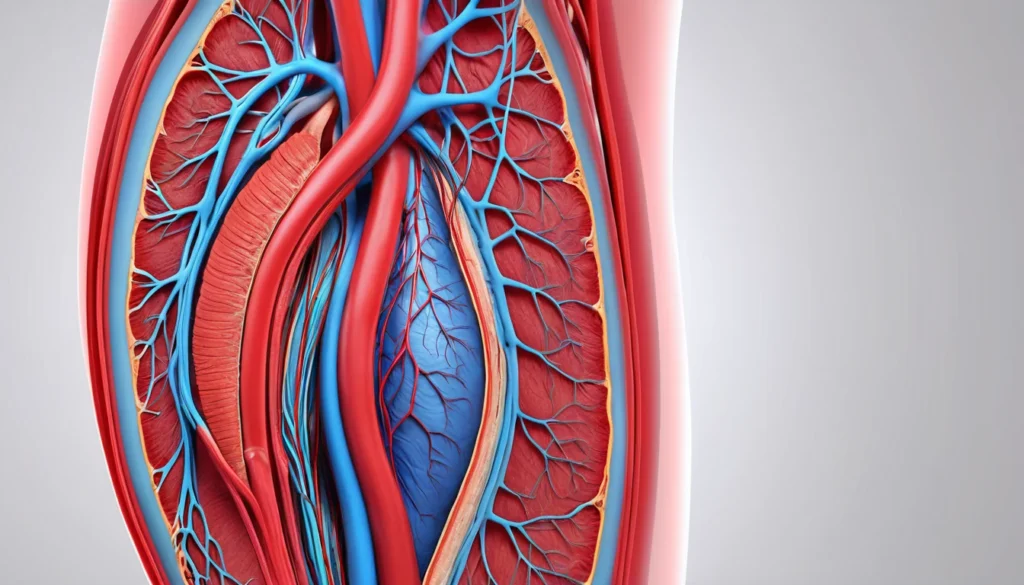
Peripheral vascular disease is a broad term for conditions that affect the arteries and veins outside of your heart and brain. These conditions reduce or block blood flow, most often to the legs and feet. In Canada, millions of people live with some form of this disease — and many don’t know it. This article explains the most common types, their symptoms, and what you can do about them.
What Is Peripheral Vascular Disease?
Peripheral vascular disease happens when arteries or veins become narrowed, blocked, or damaged. The causes vary widely. They include atherosclerosis (plaque build-up in the arteries), inflammation, blood clots, and spasms in the blood vessel walls.
When blood can’t flow properly, tissues don’t get enough oxygen. This leads to a condition called ischaemia — meaning the tissue is starved of blood. The legs and feet are most often affected, but hands and fingers can be too.
According to Health Canada, cardiovascular and vascular diseases are among the leading causes of serious illness in the country. Catching problems early makes a real difference.
Raynaud’s Syndrome: When Cold Triggers Your Symptoms
Raynaud’s syndrome causes small arteries in your fingers — and sometimes toes — to go into sudden spasm. This cuts off blood flow temporarily. Cold weather and stress are the most common triggers.
During an episode, your fingers may turn white, then blue, then red as blood flow returns. You may also feel pain, numbness, or a tingling sensation. These episodes can be alarming, but they are usually short-lived.
Who Is at Risk for Raynaud’s Syndrome?
Some jobs carry a higher risk. These include working in cold storage, handling ice, or doing work that involves repeated vibration. People in these roles should take extra precautions, especially during Canadian winters.
In some cases, Raynaud’s syndrome appears alongside other conditions. These include scleroderma, lupus, rheumatoid arthritis, and other connective tissue diseases. If you notice frequent colour changes in your fingers or toes, speak with your family doctor.
Buerger’s Disease: A Serious Threat for Smokers
Buerger’s disease — also called thromboangiitis obliterans — causes inflammation and clotting in the arteries and veins of the hands and feet. It primarily affects small and medium-sized blood vessels.
The exact cause is not fully understood. However, there is a very strong link between chronic tobacco use and this disease. Smoking or using any tobacco product significantly raises your risk.
Symptoms and Complications of Buerger’s Disease
People with Buerger’s disease often feel pain in their feet or hands, even at rest. The inflammation narrows the blood vessels, reducing circulation to the limbs. Over time, this can cause serious damage.
If the disease goes untreated, it can lead to painful ulcers and gangrene. In severe cases, amputation of affected fingers or toes may be necessary. Buerger’s disease often occurs alongside symptoms of Raynaud’s syndrome and inflammation of the surface veins.
The single most important treatment step is to stop using tobacco completely. For help quitting, Mayo Clinic’s guide on Buerger’s disease offers helpful information to discuss with your doctor.
Peripheral Venous Insufficiency and Varicose Veins
Your veins carry blood back to the heart. Inside each vein are tiny one-way valves that keep blood moving in the right direction. When these valves weaken or fail, blood pools in the veins. This is called venous insufficiency.
As blood pools, pressure builds in the vein walls. Over time, the veins stretch and become visible under the skin as twisted, rope-like cords. These are varicose veins.
Who Gets Varicose Veins?
Varicose veins affect about 15% of adults. They are more common in women than in men. There is also a strong hereditary component — if a parent had varicose veins, you are more likely to develop them too.
Key risk factors include obesity, pregnancy, and spending long hours standing on your feet. Jobs that require long periods of standing — such as nursing, retail, or cooking — can increase your risk over time.
Stages and Symptoms of Varicose Veins
Varicose veins develop gradually. In the early stage, you may feel heaviness or aching in your calves, along with tingling or numbness. This is sometimes called the pre-varicose stage.
As the condition progresses, the veins become clearly visible. You may notice swelling, skin discolouration, and itching along the affected veins. Symptoms are often worse by the end of the day, especially after long periods of standing.
Spider veins — small reddish or purple clusters visible on the skin — are a milder form of the same condition. They commonly appear behind the knees and on the thighs.
Deep Vein Thrombosis: A Potentially Dangerous Complication
A blood clot that forms inside a deep vein is called deep vein thrombosis, or DVT. This is one of the most serious complications linked to peripheral vascular disease.
DVT most often develops in the legs. It can happen after long periods of bed rest, surgery, or immobility — for example, after a long flight or a hospital stay. Neurological conditions that cause paralysis can also increase the risk.
Why DVT Is So Dangerous
A clot that breaks free from the vein wall can travel through the bloodstream to the lungs. This causes a pulmonary embolism, which is a medical emergency. Symptoms include sudden shortness of breath, chest pain, and coughing up blood.
If you suspect DVT or a pulmonary embolism, call 911 or go to your nearest emergency department immediately. Do not wait to see if symptoms improve. For more information, Healthline’s overview of deep vein thrombosis is a reliable resource.
When to See a Doctor About Peripheral Vascular Disease
Many symptoms of peripheral vascular disease are easy to dismiss. However, early treatment almost always leads to better outcomes. Do not ignore warning signs.
See your family doctor or visit a walk-in clinic if you notice any of the following:
Leg pain or cramping when walking that goes away with rest
Swelling, heaviness, or aching in your legs or calves
Colour changes in your fingers or toes triggered by cold or stress
Visible, twisted, or bulging veins in your legs
Skin discolouration, ulcers, or slow-healing wounds on your feet or legs
Numbness or tingling in your hands or feet
Your provincial health plan covers visits to a family doctor for these concerns. If you don’t have a family doctor, a walk-in clinic can assess your symptoms and refer you to a specialist if needed. Early diagnosis can prevent serious complications like amputation or pulmonary embolism.
Always speak with a qualified healthcare provider before starting or changing any treatment. This article is for general information only and does not replace professional medical advice.
Frequently Asked Questions About Peripheral Vascular Disease
What are the early warning signs of peripheral vascular disease?
Early signs of peripheral vascular disease include leg pain or cramping during walking, cold or numb feet, and a feeling of heaviness in the calves. Skin colour changes in the fingers or toes — especially in cold weather — can also be an early sign. If you notice any of these, speak with your family doctor or visit a walk-in clinic.
Can peripheral vascular disease be cured?
Peripheral vascular disease cannot always be fully cured, but symptoms can often be managed effectively with lifestyle changes, medication, and sometimes surgery. Quitting smoking, staying active, and eating a heart-healthy diet are among the most important steps. Your doctor can help create a treatment plan that suits your situation.
Is peripheral vascular disease the same as poor circulation?
“Poor circulation” is a general term people use to describe reduced blood flow, while peripheral vascular disease is a specific medical diagnosis. Peripheral vascular disease is a common cause of poor circulation, but not the only one. A doctor can run tests to find out exactly what is affecting your blood flow.
What is the difference between Raynaud’s syndrome and peripheral vascular disease?
Raynaud’s syndrome is actually one type of peripheral vascular disease. It specifically causes temporary spasms in small arteries, usually in the fingers and toes, triggered by cold or stress. Other forms of peripheral vascular disease, such as atherosclerosis or venous insufficiency, involve longer-term structural changes to the blood vessels.
How does smoking affect peripheral vascular disease?
Smoking is one of the biggest risk factors for peripheral vascular disease. It damages blood vessel walls, promotes plaque build-up, and increases the risk of clotting. Buerger’s disease in particular is almost exclusively linked to tobacco use, and quitting smoking is the most effective way to slow its progression.
Are varicose veins dangerous?
Most varicose veins are not immediately dangerous, but they can lead to complications over time. These include skin ulcers, chronic swelling, and deep vein thrombosis — a condition where a blood clot forms in a deep vein. If you have varicose veins that are painful or worsening, it’s worth discussing them with your family doctor.
Key Takeaways
Peripheral vascular disease covers a wide range of conditions affecting veins and arteries outside the heart and brain.
Raynaud’s syndrome causes temporary blood flow loss in fingers and toes, often triggered by cold or stress.
Buerger’s disease is strongly linked to tobacco use and can lead to serious complications, including amputation.
Venous insufficiency and varicose veins develop when vein valves weaken, causing blood to pool in the legs.
Deep vein thrombosis is a serious complication that can lead to a life-threatening pulmonary embolism.
Early symptoms — such as leg pain, swelling, or colour changes in extremities — should be assessed by a doctor.
Your family doctor or local walk-in clinic is a good first step. Most provinces cover these visits under your health plan.
Lifestyle changes like quitting smoking, maintaining a healthy weight, and staying active can significantly reduce your risk.