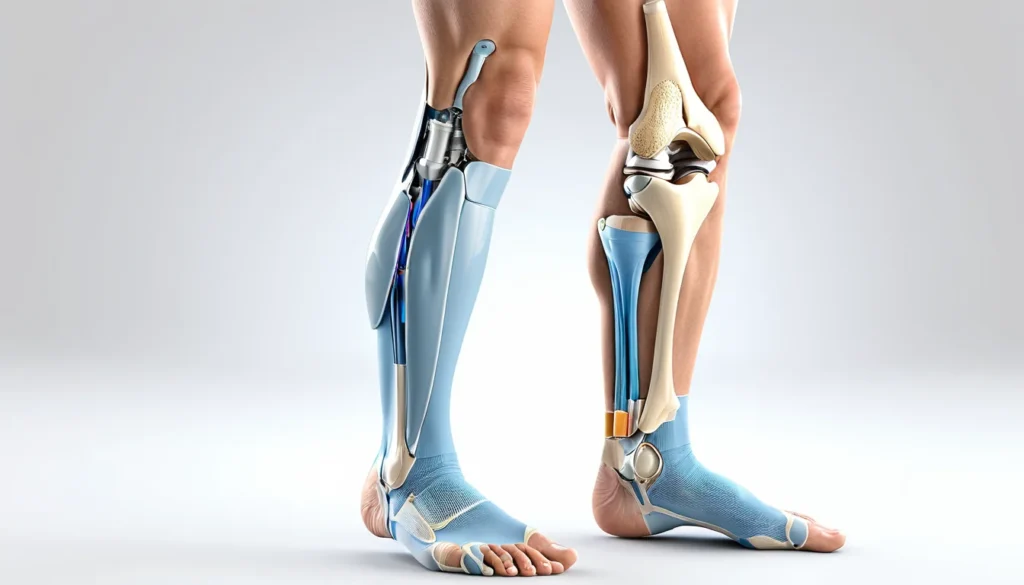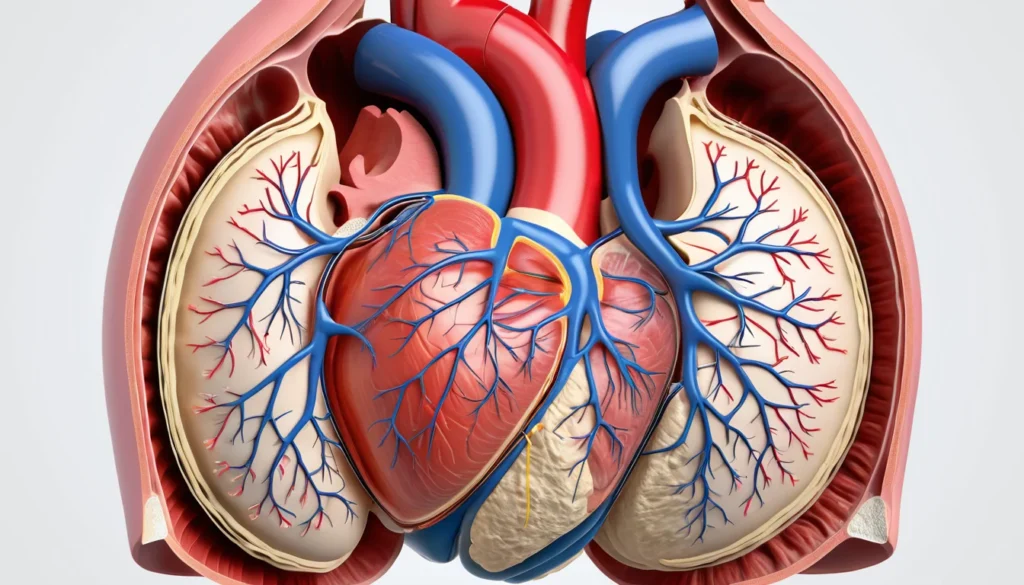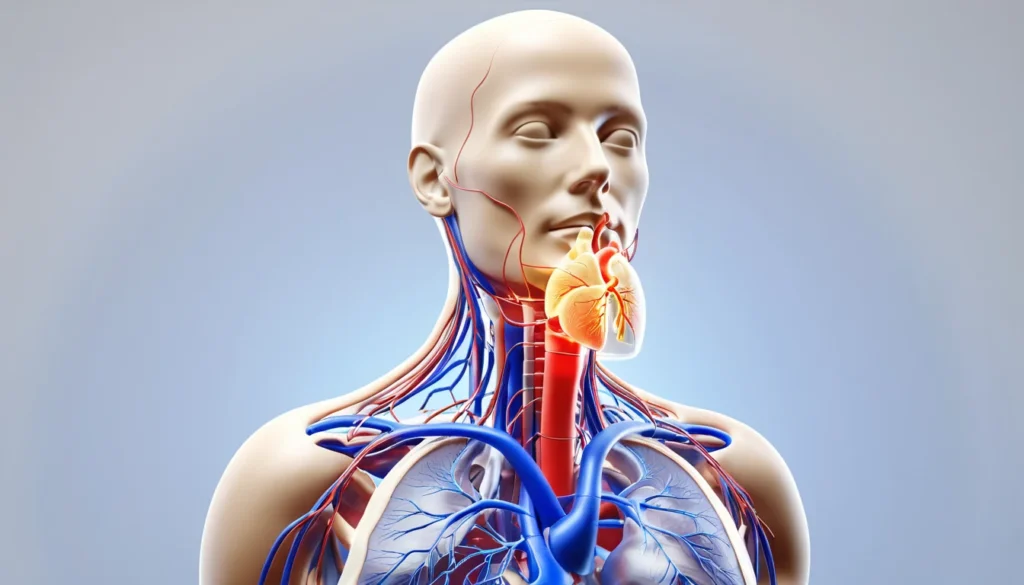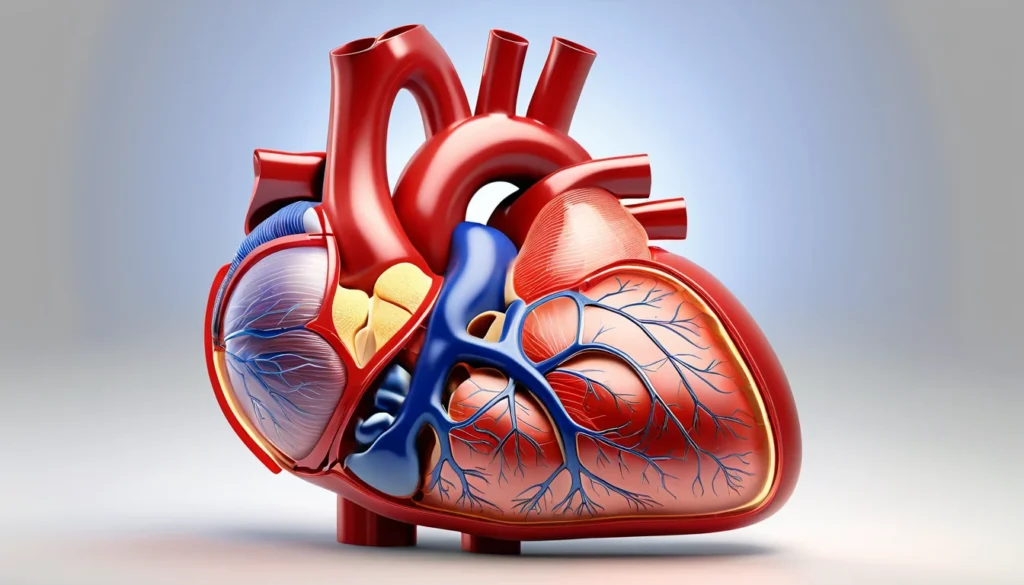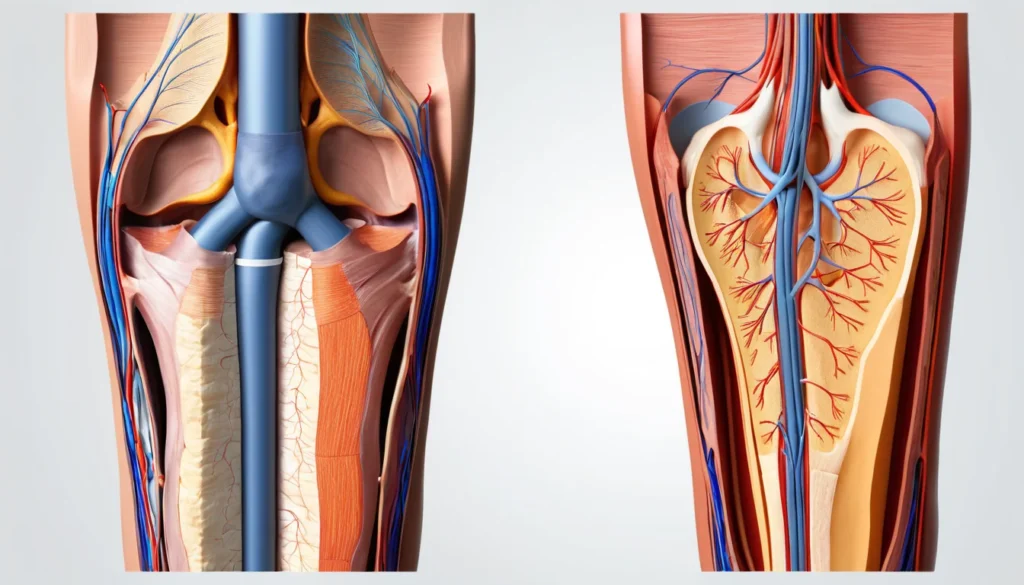
Peripheral artery disease is a condition where narrowed or blocked arteries reduce blood flow to your legs and feet. It affects millions of Canadians and is often linked to a buildup of fatty deposits inside the arteries. Left untreated, it can lead to serious complications. However, with early detection and proper care, most people can manage the condition well.
What Is Peripheral Artery Disease?
Peripheral artery disease (PAD) happens when the arteries that carry blood to your legs become narrowed or blocked. Your arteries are the blood vessels that deliver oxygen and nutrients to your muscles and organs. When they cannot do their job properly, your legs and feet do not get the blood supply they need.
PAD is sometimes called peripheral vascular disease. This article focuses on PAD in the lower limbs — the legs and feet — because that is where the condition most commonly occurs. According to Health Canada, cardiovascular diseases like PAD are among the leading causes of serious illness in the country.
What Causes Peripheral Artery Disease?
The most common cause of peripheral artery disease is atherosclerosis. This is a process where a sticky substance called plaque builds up on the inner walls of your arteries. Plaque is made up of excess cholesterol, calcium, and other materials that float in your bloodstream.
Over time, this buildup narrows the space inside the artery. As a result, less oxygen-rich blood can reach your leg muscles and tissues. Atherosclerosis develops slowly over a lifetime. It can affect arteries throughout your whole body, including the heart and neck arteries.
Other Causes of PAD
In rare cases, peripheral artery disease can develop without atherosclerosis. Inflammation of the blood vessels — a condition called vasculitis — can also cause PAD. Old injuries that damaged blood vessels are another possible cause, though this is uncommon.
Risk Factors for Peripheral Artery Disease
Several factors can raise your chances of developing peripheral artery disease. Knowing your risk factors helps you and your family doctor take steps to protect your health.
Common risk factors include:
Smoking — one of the strongest risk factors for PAD
High cholesterol — leads to faster plaque buildup in arteries
High blood pressure — damages artery walls over time
Diabetes — raises the risk of artery damage and poor circulation
Family history — a close relative with atherosclerosis or heart disease increases your risk
High homocysteine levels — an amino acid linked to artery damage when elevated
Furthermore, the risk of peripheral artery disease increases with age. People over 50 are more likely to develop it, especially if they smoke or have diabetes.
Symptoms of Peripheral Artery Disease
The symptoms of peripheral artery disease can range from mild to severe. Importantly, some people have no symptoms at all. Research shows that only about one in three people with PAD experiences the classic warning sign.
Intermittent Claudication
The most common early symptom is called intermittent claudication. This is a cramping, aching, or heavy pain in the calf, lower thigh, or buttock that occurs during physical activity like walking. The pain typically appears after the same amount of exercise each time. It usually goes away with rest.
However, some people never experience this type of leg pain. They may not walk far enough to trigger it. Studies also suggest that women with peripheral artery disease are less likely to develop intermittent claudication than men.
Other Symptoms to Watch For
In addition to leg pain during walking, PAD can cause a range of other symptoms. These include:
Weakness in the legs and reduced balance
Cold or numb feeling in the foot or toes (sometimes called pins and needles)
Wounds or sores on the legs or feet that are slow to heal
Pain in the legs or feet while resting — this may signal that the disease is getting worse
Erectile dysfunction in men
Signs of Advanced Peripheral Artery Disease
As PAD progresses, more visible physical signs may appear. These are signs that blood flow has become seriously reduced and need prompt medical attention.
Pale or white toes and feet during activity or when raised
Loss of hair on the legs and feet
Reddish colour in the feet when they hang down
Blue or red patches on the lower legs, feet, or toes
Open sores or ulcers on the feet or toes that do not heal
Gangrene — dead tissue that appears as blackened skin — which is a medical emergency
It is worth noting that some people with diabetes may have numbness in their legs that masks pain. Therefore, they may not notice PAD symptoms until the disease is more advanced. This makes regular check-ups especially important for people living with diabetes.
How Is Peripheral Artery Disease Diagnosed?
Your family doctor will start by reviewing your symptoms and your personal and family health history. They will also perform a physical exam. During this exam, they will check for a weak or absent pulse in your groin, behind the knee, at the ankle, and on top of the foot.
Your doctor will also observe the colour and appearance of your skin when your leg is raised and after light activity. These observations help identify signs of poor circulation.
The Ankle-Brachial Index Test
If your doctor suspects peripheral artery disease, they will likely order a test called the ankle-brachial index (ABI). This test compares blood pressure measurements taken at your ankle with those taken at your arm. Both measurements are taken at rest and sometimes after light exercise.
A lower reading at the ankle suggests that blood flow to the leg is reduced. The ABI is a simple, painless test that can be done at most medical clinics across Canada. According to the Mayo Clinic, this test is a reliable first step in confirming a PAD diagnosis.
When to See a Doctor
You should seek medical attention right away if you notice sudden pain, numbness, paleness, or a bluish colour in your leg or foot. These can be signs of a serious blockage that requires emergency care. Do not wait — visit your nearest emergency department immediately.
You should book an appointment with your family doctor or visit a walk-in clinic if you experience:
Leg pain that appears after walking a certain distance and goes away with rest
Pain in your foot or toes that occurs even when you are not moving
Wounds on your legs or feet that are not healing properly
Cold, numb, or discoloured skin on your lower legs or feet
Most provincial health plans in Canada cover the tests and specialist referrals needed to diagnose and manage PAD. Your family doctor can refer you to a vascular specialist if needed. If you do not have a family doctor, a walk-in clinic is a good starting point. Early diagnosis makes a real difference in outcomes.
For more information on heart and vascular health, the World Health Organization’s cardiovascular disease fact sheet is a helpful resource.
Frequently Asked Questions About Peripheral Artery Disease
What are the first signs of peripheral artery disease?
The earliest sign of peripheral artery disease is often a cramping or aching pain in the calf or thigh that occurs during walking and goes away with rest. This is called intermittent claudication. However, some people have no symptoms at all, which is why regular check-ups are important if you have risk factors.
Can peripheral artery disease be cured?
Peripheral artery disease cannot always be fully cured, but it can be managed effectively with lifestyle changes, medication, and sometimes procedures to open blocked arteries. Quitting smoking, eating a heart-healthy diet, and staying active are key steps. Your doctor can help you build a treatment plan that works for you.
Is peripheral artery disease the same as poor circulation?
Peripheral artery disease is one of the most common causes of poor circulation in the legs. It specifically involves narrowed or blocked arteries that reduce blood flow to the lower limbs. Poor circulation can also have other causes, so it is important to get a proper diagnosis from your doctor.
Who is most at risk for peripheral artery disease in Canada?
Canadians who smoke, have diabetes, high blood pressure, or high cholesterol face the highest risk of developing peripheral artery disease. The risk also increases with age, particularly for those over 50. A family history of heart disease or atherosclerosis also raises your risk significantly.
How is peripheral artery disease treated?
Treatment for peripheral artery disease typically includes lifestyle changes such as quitting smoking and increasing physical activity, along with medications to manage cholesterol, blood pressure, and blood clotting. In more advanced cases, a doctor may recommend a procedure to open or bypass blocked arteries. Your provincial health plan may cover many of these treatments.
Can walking help peripheral artery disease?
Yes — supervised walking programmes are actually one of the most recommended treatments for peripheral artery disease. Regular walking helps stimulate the growth of new small blood vessels, which improves circulation over time. Always talk to your doctor before starting an exercise programme if you have been diagnosed with PAD.
Key Takeaways
Peripheral artery disease is caused by narrowed or blocked arteries that reduce blood flow to the legs and feet.
The most common cause is atherosclerosis — a buildup of plaque inside the arteries.
The most frequent symptom is leg pain or cramping during walking that improves with rest, known as intermittent claudication.
Many people have no symptoms, making awareness of risk factors especially important.
Risk factors include smoking, diabetes, high cholesterol, high blood pressure, and family history.
A simple test called the ankle-brachial index can help confirm the diagnosis.
See your family doctor or walk-in clinic if you notice leg pain, poor wound healing, or coldness and numbness in your feet.
Seek emergency care if you experience sudden severe pain, paleness, or bluish discolouration in a limb.
This article is for informational purposes only and does not replace professional medical advice. Always consult your family doctor or a qualified healthcare provider if you have concerns about your health.